[pageLogInLogOut]

#Sustainability

Fortum and Spinnova present the world’s first wheat straw-based clothing
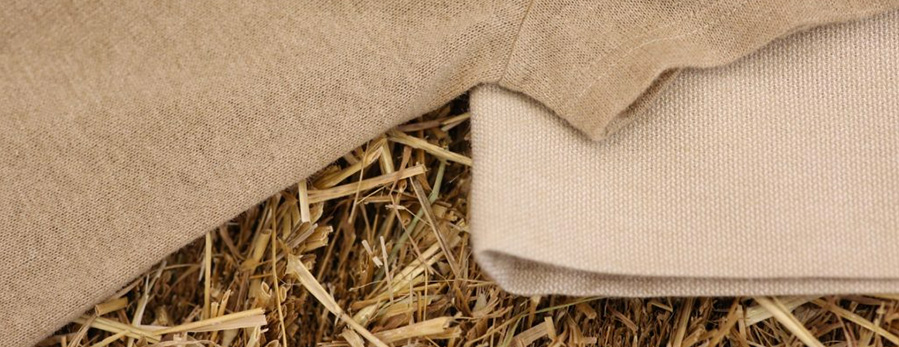
(c) 2019 Spinnova
Fortum, a major European energy company building new business options in the circular economy, together with the sustainable fibre technology company Spinnova have today introduced the first prototype product born out of their joint development of using wheat straw in the production of highly sustainable textile fibre.

Fortum and Spinnova are showcasing the world’s first clothing made from agricultural waste, namely wheat straw, at the Textile Exchange Sustainability Conference in Vancouver, during 15-17 October. The showpieces include a knitted t-shirt, as well as a jacket and skirt made of a woven fabric on organic cotton warp.

The prototype material is unique also due to its extremely low environmental impact from raw material extraction, processing and manufacture, verified by life-cycle analysis (LCA).

“We are very excited to present this revolutionary textile. Today, wheat straw is mostly discarded or even burned in the fields. As it can now be used in numerous textile applications, this opens up huge possibilities globally. This cooperation is a tangible step towards Fortum’s strategy to build options for significant new businesses that improve resource efficiency and provide smart solutions for a cleaner world. We would like to invite more key industry players to join us in this journey,” says Heli Antila, VP, Biobased solutions at Fortum.

“We are all very proud of this amazing collaborative accomplishment! This was a very fast journey from the first trials to real, appealing fabric materials. This shows that wheat straw-based fibre is well on its way to being a drop-in product of the most sustainable kind,” says Spinnova’s CEO Janne Poranen.


The parties announced their partnership earlier this year after testing various biomasses. The showcased straw was first processed with highly sustainable fractionation technology, developed by Fortum’s associate company Chempolis Oy. Spinnova’s technology, presently in a piloting phase, turns microfibrillated cellulose (MFC) directly into fibre mechanically without any dissolving or harmful chemical processes. Fibres of the now showcased clothing were produced in Spinnova’s pilot facility in Finland, which also means that Spinnova’s technology can be applied to various biomasses without further technology development.

Fortum and Spinnova plan to establish sustainable fibre production in Fortum’s future biorefineries that will use residual biomasses such as agro waste. The biomass will be processed into materials for bioproducts of lignocellulosic origin, as well as cellulosic products. The refineries will be based on fractionation technology, enabling highly resource-efficient utilization of wheat straw and resulting in significantly lower environmental impact compared to other processing technologies.

Spinnova, Fortum and the clothing are showcased in the Conference during 15-17 October in booth 35.
More News from TEXDATA International

#ITM 2026

ITM 2026: The new geography of textile production

New production hubs are emerging across North Africa and Central Asia, while Türkiye is accelerating its transformation toward higher-value, technology-driven and more sustainable textile manufacturing.

#Research & Development

“Production is a product”

From technical textiles and AI-driven robotics to the limitations of textile circularity: Professor Dr Thomas Gries looks back on more than two decades of development at ITA Aachen. In the interview, he explains why production technology remains a decisive success factor, discusses international collaborations and innovation ecosystems, and shares his views on the transformation of production landscapes and the challenges facing an increasingly regulated industry.

#Knitting & Hosiery

“We need to move away from the price trap and return to a value-driven mindset.”

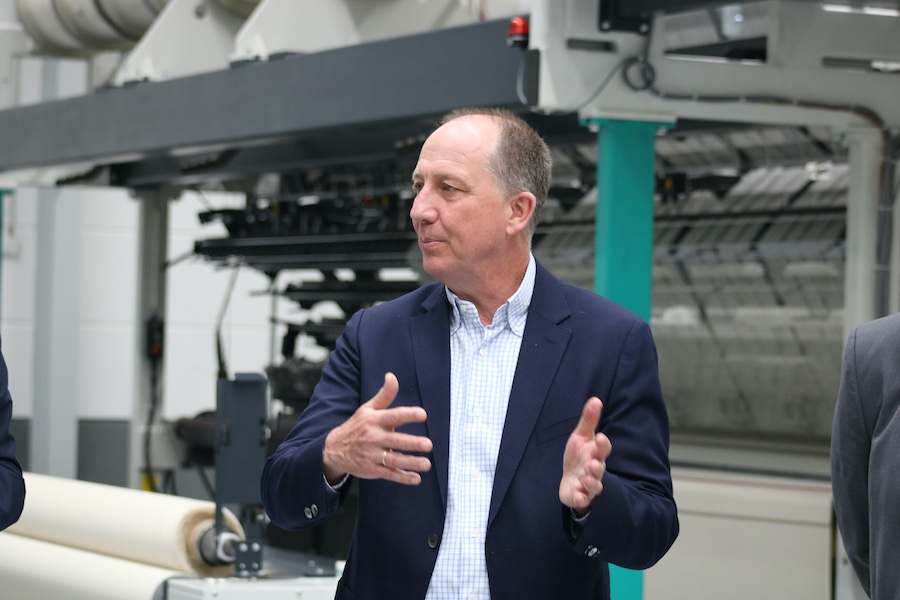
With its new Textile Innovation Center, KARL MAYER is sending a strong signal for innovation, collaboration, and the future of textile applications. In this interview, Karl Josef Mayer discusses new opportunities in warp knitting, the processing of staple fibres, recycling, the changing role of machinery manufacturers, and why the textile industry must once again focus more strongly on the value of textiles. by Oliver Schmidt

#Associations

“Innovation, resilience and international experience remain the great strengths of the Swiss textile machinery industry”

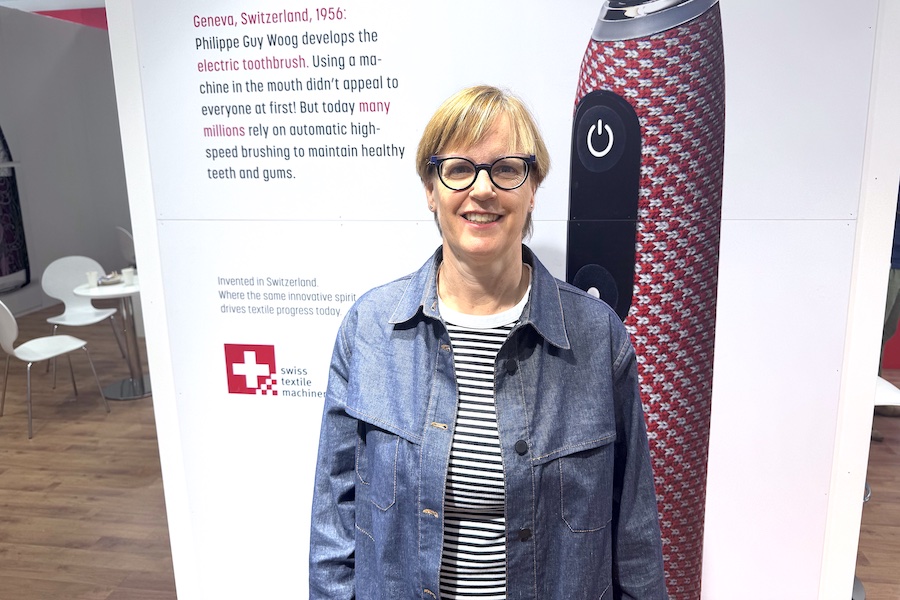
Geopolitical uncertainty, growing competitive pressure from China, new free trade agreements and the shift towards a circular economy are currently reshaping the global textile industry. In this interview, Cornelia Buchwalder discusses the current mood within the Swiss textile machinery sector, the industry’s distinctive innovative strength, new market opportunities in India and Asia, and the technological trends that could shape the upcoming trade fair cycle leading up to ITMA 2027.

More News on Sustainability

#Industry 4.0 / Digitalization

Jeanologia presents expanded EIM platform and COMMON GROUND collection at Kingpins Amsterdam

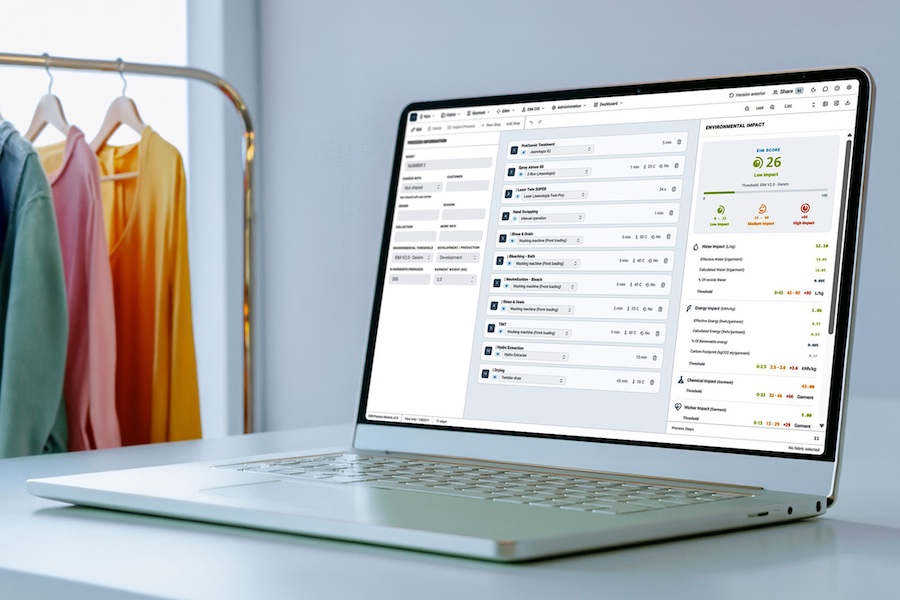
Jeanologia is presenting two approaches to textile product development at Kingpins Amsterdam on October 14–15: measuring the environmental impact of textile production and exploring new creative possibilities through garment finishing technologies.

#Recycling / Circular Economy

The Or Foundation, adidas, BESTSELLER, H&M Group, and Inditex launch Apparel Recovery Coalition, responding to impacts of post-consumer textile exports

adidas, BESTSELLER, H&M Group, Inditex and The Or Foundation, with support from Circle Economy, unveiled the Apparel Recovery Coalition (ARC). The coalition will explore how producer responsibility systems can support circular pathways such as reuse, upcycling, recycling, and responsible waste management in countries that receive large volumes of exported secondhand apparel.

#Recycling / Circular Economy

NEUMÜHLE launches mono-material hoodie designed for textile recycling

With the Circular Mono Hoodie, Zurich-based label NEUMÜHLE introduces a new essential designed around a single-material principle. The textile construction is cotton throughout, right down to the sewing thread. Entirely free from elastane, the hoodie launches as a Limited Drop for CHF 139. Take-back, collection and existing recycling partnerships complement its circular design.

#Industry 4.0 / Digitalization

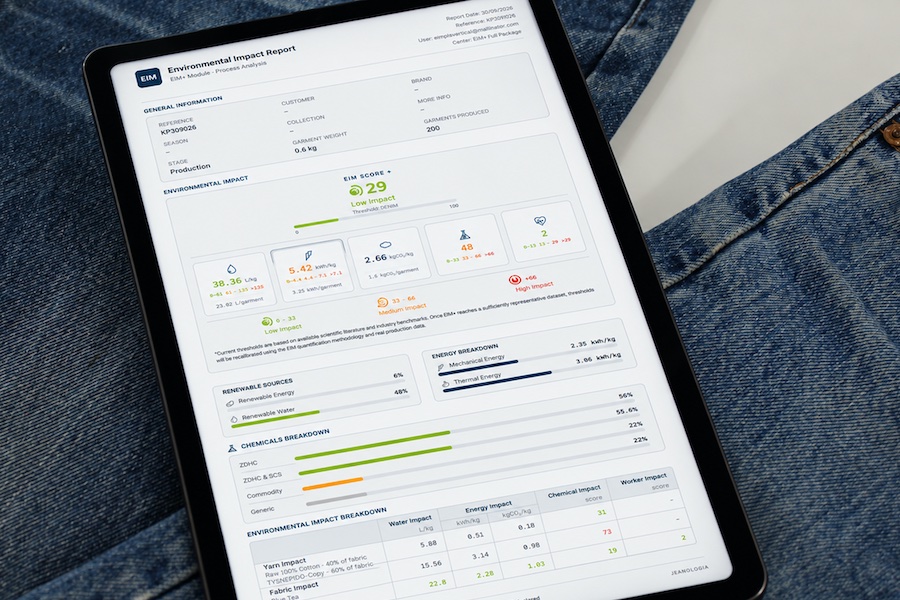
EIM evolves into a new Environmental Intelligence to measure the impact of textile production

¿Do we really know the environmental impact behind a garment? Answering this question remains one of the textile industry’s major challenges. Garment production involves multiple stages, from yarn and fabric to final finishing, carried out by different players across the supply chain. Accesing reliable data from each process, connecting it and establishing a common language are essential to understanding a product’s true impact.

Latest News

#Spinning

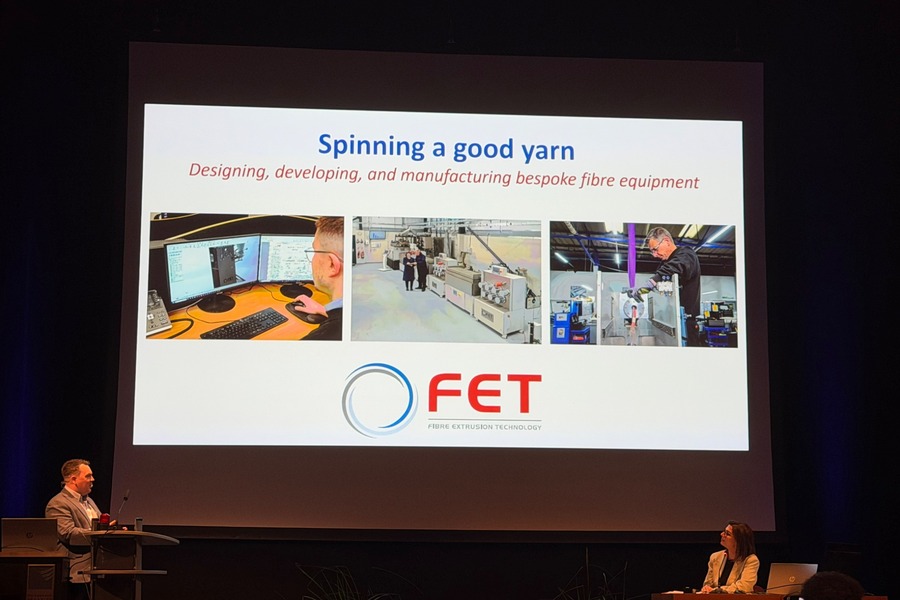
FET highlights advances in fibre spinning technology at Dornbirn Global Fiber Congress

Fibre Extrusion Technology Limited (FET) presented its latest developments in fibre spinning technology at the Dornbirn Global Fiber Congress in Austria in September 2026. In a presentation entitled “Spinning a good yarn”, Dr Jonny Hunter examined recent technological developments and challenges facing the fibre industry, highlighting the company's expanding range of specialised fibre extrusion and spinning systems.

#Textiles & Apparel / Garment

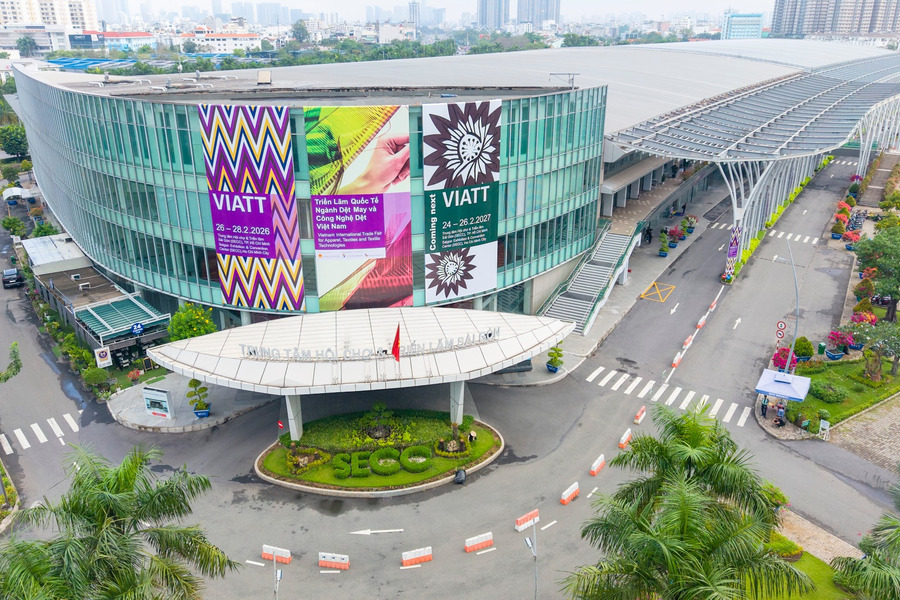
Vietnam’s market evolution creates new sourcing opportunities at VIATT 2027

As Vietnam’s textile industry continues to upgrade and scale, new opportunities are emerging for suppliers of advanced raw materials, design-led fabrics, production technologies, and sustainability solutions. The Vietnam International Trade Fair for Apparel, Textiles and Textile Technologies (VIATT) will return 24 – 26 February 2027, presenting a cross-sector platform – spanning apparel, home and technical categories – for overseas companies to connect with manufacturers, brands, sourcing offices, retailers, and industry buyers from Vietnam, ASEAN, and beyond.

#Heimtextil 2027

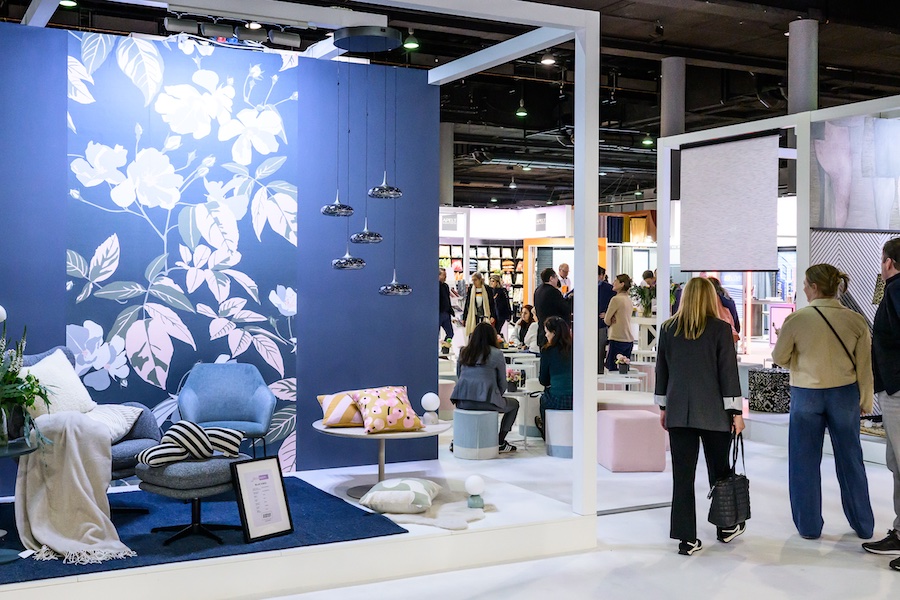
Textile performance for the global market: Heimtextil 2027 connects interior design, quality and global sourcing

With the new premium segment Carpets & Rugs Excellence, the Comfort & Connect area and the Heimtextil Trends 27/28, Heimtextil 2027 is sharpening its offering for a market under pressure. Today, textile products need to prove their quality, functionality and long-term value. From 12 to 15 January 2027, the leading trade fair for home and contract textiles and textile design showcases relevant innovations across the entire value chain: from fibres and yarns to designs by international studios and emerging talent, through to finished collections, functional contract textiles and complete interior solutions.

#Digital Printing

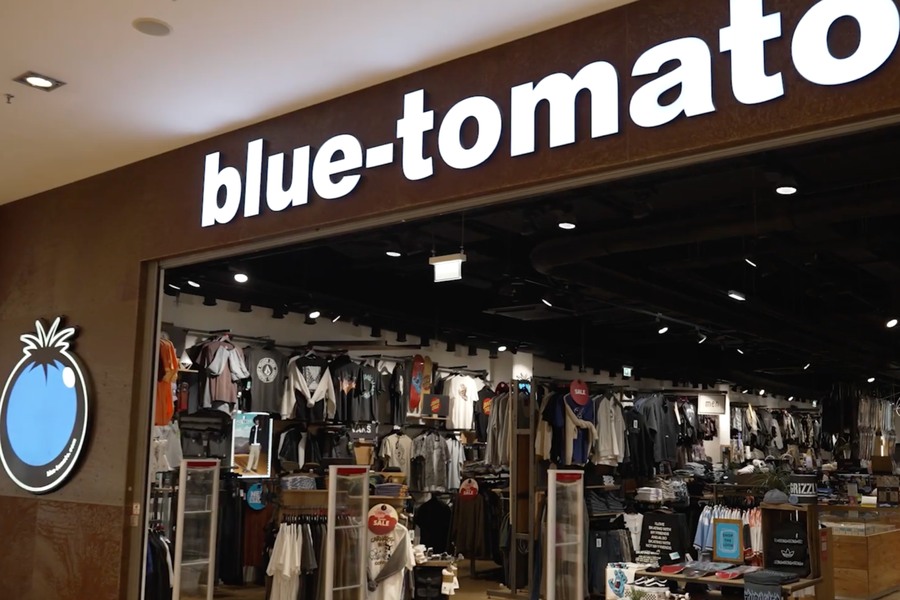
Blue Tomato accelerates agile retail apparel production with Kornit Digital

Kornit Digital (NASDAQ: KRNT), a global pioneer in on-demand digital fashion and textile production technologies, is highlighting how Blue Tomato, Europe’s largest board sports retailer, is using two Kornit Atlas MAX PLUS systems to support a more agile approach to in-house apparel production. The systems are helping Blue Tomato respond faster to changing consumer trends, produce high-quality apparel for its network of 86 retail stores across Europe and reduce inventory by printing only what the market demands.

TOP