[pageLogInLogOut]

#Denim

Industry leaders continue The Jeans Redesign journey

© 2021 Ellen MacArthur Foundation
In July 2019, the Foundation’s Make Fashion Circular initiative launched The Jeans Redesign, a project which saw 80 industry experts input on a set of guidelines to create denim jeans aligned with the principles of the circular economy.

Today, two years on from launch, the Foundation publishes ‘The Jeans Redesign: Insights from the first two years.’ The report reveals not only the successes, but also the barriers, solutions and innovation gaps faced by participants in creating jeans that are used more, made to be made again, and made from safe and recycled or renewable inputs. The insights gained will go a long way in informing bold action towards creating more products in this way. 

To date, participants of The Jeans Redesign have put more than half a million pairs of circular jeans on the market, meeting minimum requirements for durability, traceability, and recyclability, while using safe materials and processes. 80% of participants brought redesigned fabric or jeans to market despite the impacts of Covid-19. Although the number of circular jeans only makes up just a small fraction of the total market, the project has demonstrated that it is possible to create circular jeans today.

The Jeans Redesign supports organisations to build the confidence to explore and learn about how to use circular economy principles to put products on the market. The collective challenges and solutions identified made it clear where investment and innovation are needed. The Jeans Redesign demonstrates it is possible to create garments fit for a circular economy and now the concept has been proven, there’s no reason to delay progress. We call on industry and government to build on this growing momentum to rapidly transition to a circular economy for fashion at scale."

- Laura Balmond, Make Fashion Circular Lead - Ellen MacArthur Foundation


The Jeans Redesign guidelines, are designed to be a ‘minimum bar’ and are regularly reviewed by the Foundation alongside 80 denim experts. Last updated in 2021 to be brought in line with the Foundation’s vision of a circular economy for fashion, all participants are now working towards these new guidelines, including 28 new participants who we’re excited to have on-board and join the project today. This brings the total number of participants creating redesigned jeans to 94 which includes brands such as Chloé, Levi's, and Marks & Spencer.
 

More News from TEXDATA International

#ITM 2026

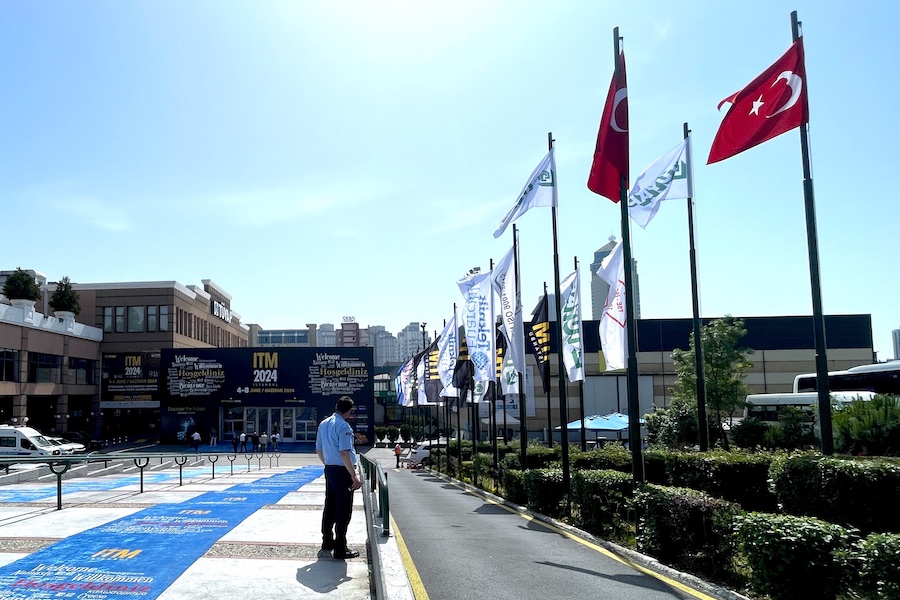
ITM 2026: The new geography of textile production

New production hubs are emerging across North Africa and Central Asia, while Türkiye is accelerating its transformation toward higher-value, technology-driven and more sustainable textile manufacturing.

#Research & Development

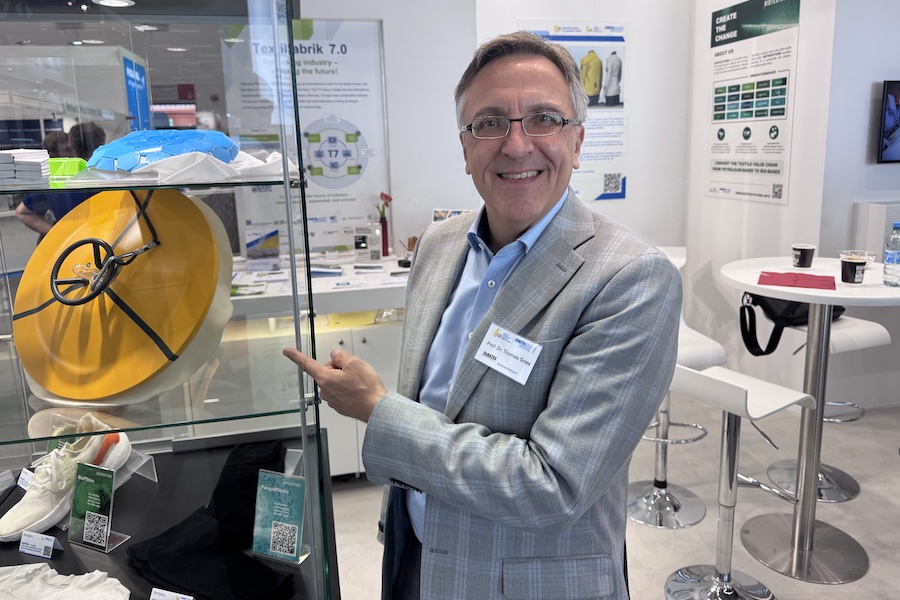
“Production is a product”

From technical textiles and AI-driven robotics to the limitations of textile circularity: Professor Dr Thomas Gries looks back on more than two decades of development at ITA Aachen. In the interview, he explains why production technology remains a decisive success factor, discusses international collaborations and innovation ecosystems, and shares his views on the transformation of production landscapes and the challenges facing an increasingly regulated industry.

#Knitting & Hosiery

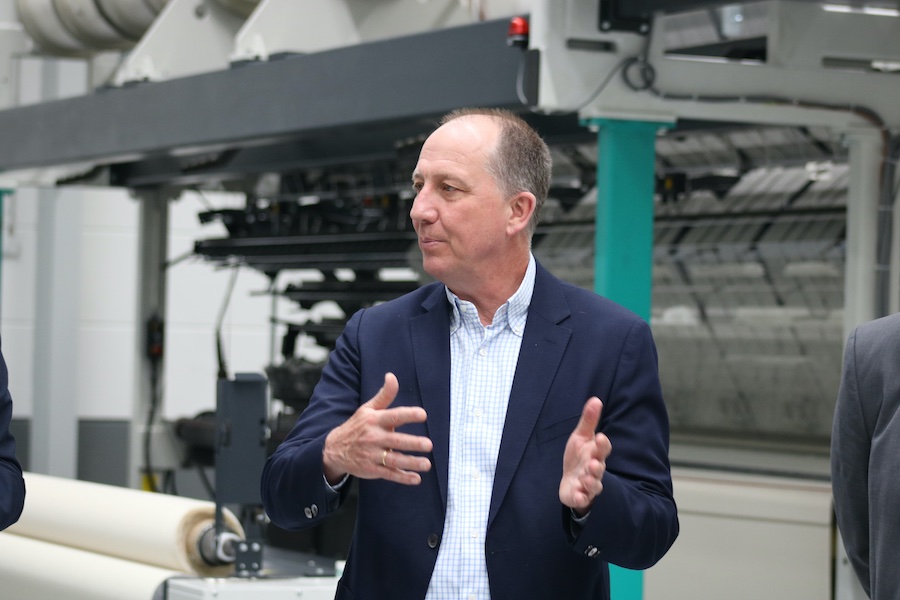
“We need to move away from the price trap and return to a value-driven mindset.”

With its new Textile Innovation Center, KARL MAYER is sending a strong signal for innovation, collaboration, and the future of textile applications. In this interview, Karl Josef Mayer discusses new opportunities in warp knitting, the processing of staple fibres, recycling, the changing role of machinery manufacturers, and why the textile industry must once again focus more strongly on the value of textiles. by Oliver Schmidt

#Associations

“Innovation, resilience and international experience remain the great strengths of the Swiss textile machinery industry”

Geopolitical uncertainty, growing competitive pressure from China, new free trade agreements and the shift towards a circular economy are currently reshaping the global textile industry. In this interview, Cornelia Buchwalder discusses the current mood within the Swiss textile machinery sector, the industry’s distinctive innovative strength, new market opportunities in India and Asia, and the technological trends that could shape the upcoming trade fair cycle leading up to ITMA 2027.

More News on Denim

#Denim

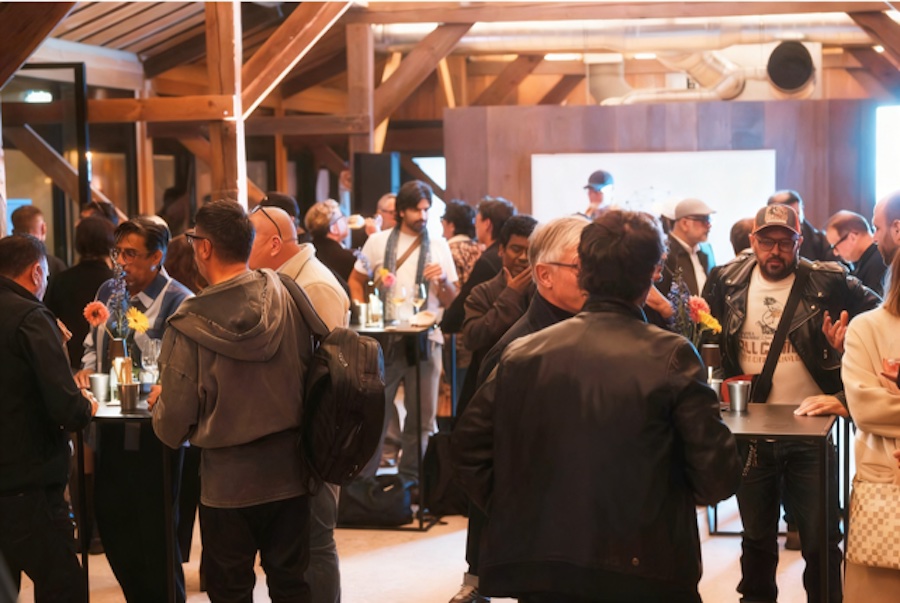
Catalyst Club connects fashion industry leaders and emerging talent at Kingpins Amsterdam

Following its debut in Florence, Catalyst Club hosted its second networking event during the Kingpins Show in Amsterdam, bringing together international fashion and denim industry representatives to exchange ideas, share experiences and explore new opportunities for collaboration.

#Denim

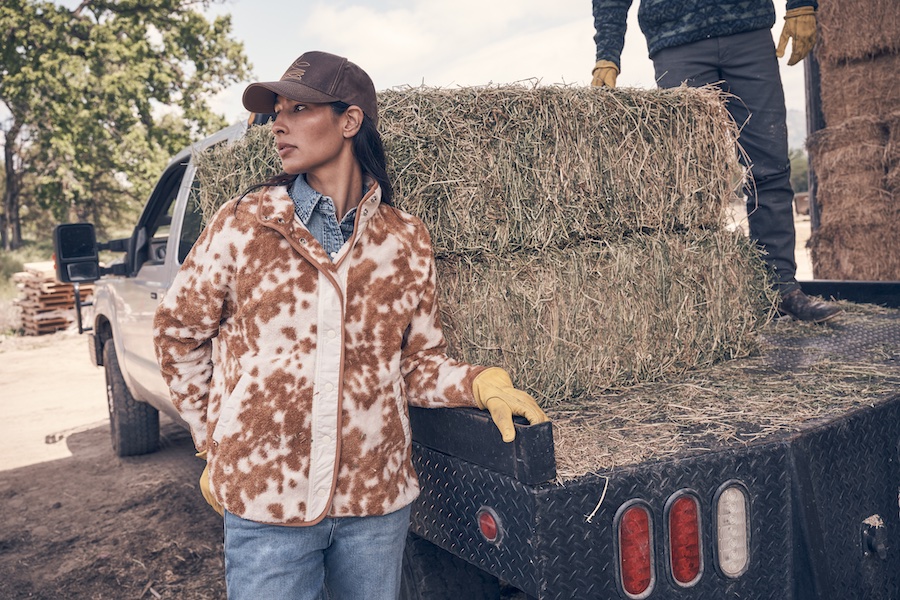
Wrangler introduces debris-repellent sherpa fleece technology Hay Away™

The patent-pending fabric technology prevents hay, straw, mulch and grass from clinging to high-pile fleece. The development received a category award in Fast Company's 2026 Innovation by Design Awards.

#Denim

The beauty of imperfection: Officina39 explores denim's next chapters

Officina39 returns to Kingpins Amsterdam on October 14–15, booth White 01, with a creative and technological program that brings together its new Spring/Summer 2028 collection, advances in denim finishing and collaborations spanning design, fabric development, fashion and publishing. At the center of the presentation of the Italian company is a shared idea: that distinctive aesthetics, responsible chemistry and efficient industrial processes can evolve together, opening new creative possibilities for contemporary denim.

#Industry 4.0 / Digitalization

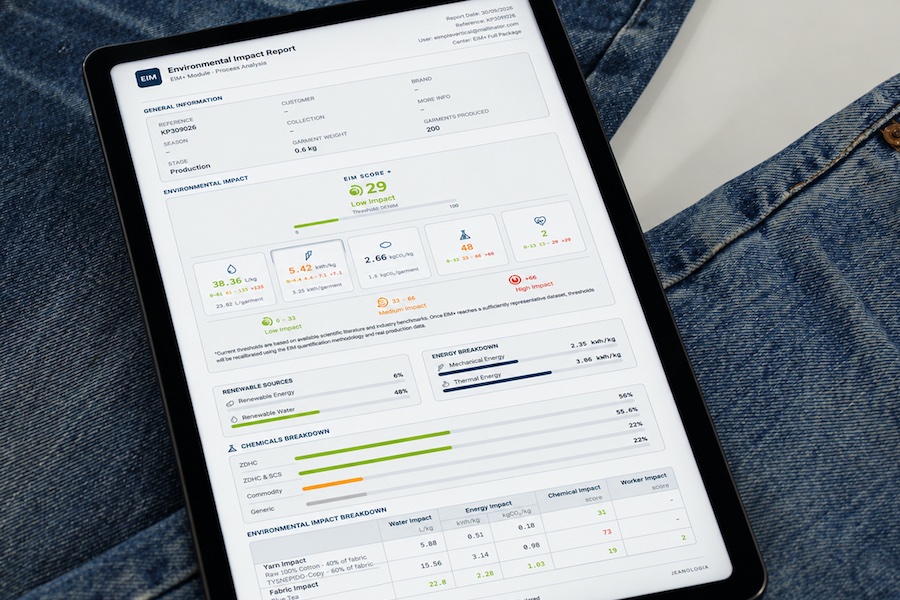
Jeanologia presents expanded EIM platform and COMMON GROUND collection at Kingpins Amsterdam

Jeanologia is presenting two approaches to textile product development at Kingpins Amsterdam on October 14–15: measuring the environmental impact of textile production and exploring new creative possibilities through garment finishing technologies.

Latest News

#ITMA Asia + CITME 2026

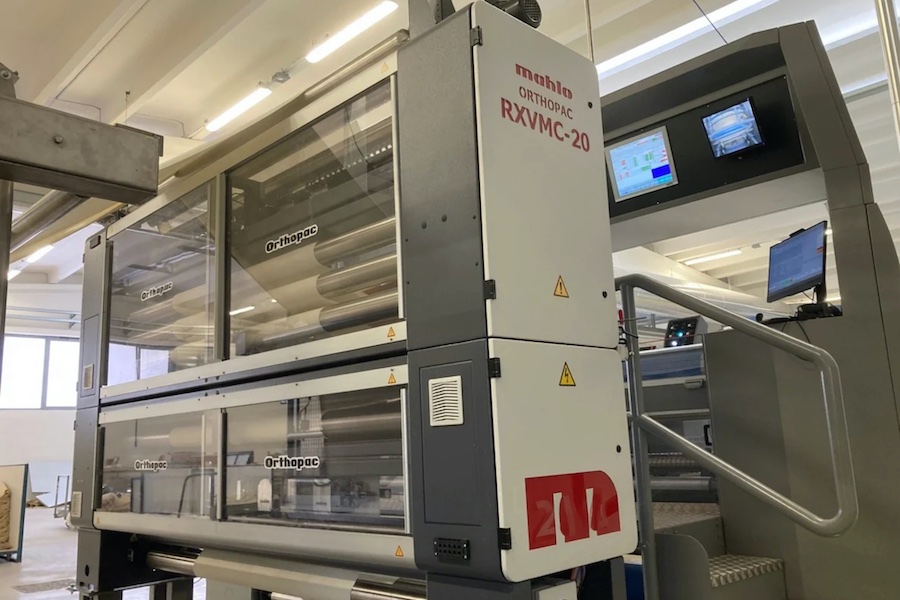
Mahlo introduces AI-supported Orthopac RVMC-20 plus at ITMA Asia 2026

From November 20 to 24, 2026, Mahlo GmbH + Co. KG will present its system portfolio for the textile industry at ITMA Asia in Shanghai. Together with its local sales and service partner Kuantex and Mahlo China, the Bavarian technology specialist will demonstrate at Booth C22 in Hall 7.1 how intelligent measurement and control technology can improve the quality and efficiency of textile production processes. The spotlight will be on the new Orthopac RVMC-20 plus, which combines precise weft straightening with fully integrated process control.

#Associations

Italian textile machinery orders rise 7% in Q3 2026 as export demand strengthens

Order intake for Italian textile machinery manufacturers increased by 7% in the third quarter of 2026 compared with the same period of 2025. Growth was driven by international markets, where orders rose by 8%, while domestic demand remained weak, declining by 4%.

#Research & Development

STFI showcases new Textile LAB Professional with focus on climate protection and sustainable technologies

The Sächsisches Textilforschungsinstitut e. V. (STFI) in Chemnitz is organising a themed day on 3 December 2026, focusing on climate protection and the environment. As well as showcasing current applications for green cities and natural fibres for lightweight construction, the event will feature machine demonstrations in the new Textile LAB Professional. Under the motto ‘Design meets Technology’, this networking event will also provide an insight into artistic student projects, thereby facilitating a professional exchange on creative perspectives and modern technologies for climate protection and the environment.

#Spinning

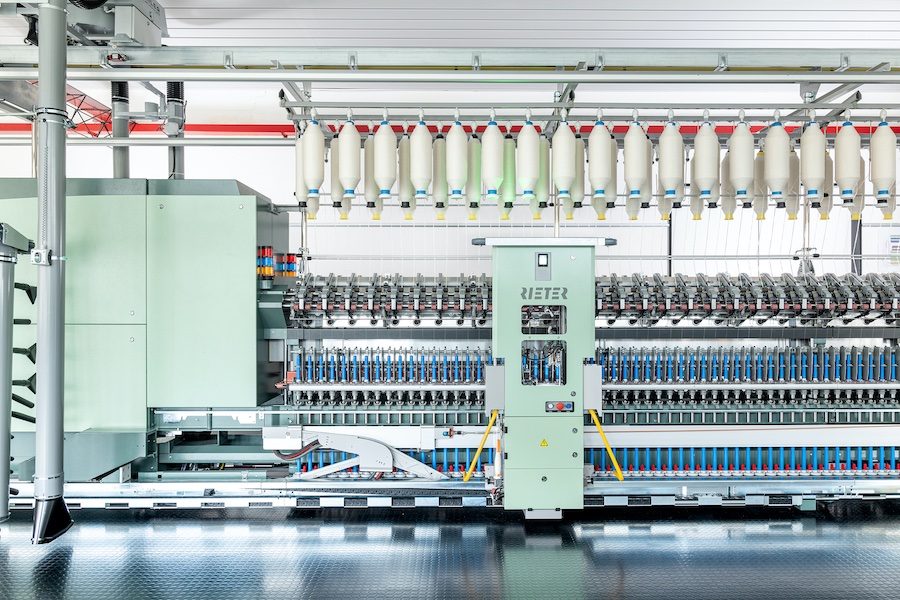
Rieter reports higher sales and order intake but lowers 2026 earnings outlook

Rieter achieved an order intake of CHF 951.4 million in the first nine months of 2026 (2025: CHF 559.3 million), up 70.1%. This growth is attributable to the first-time consolidation of the Man-Made Fiber Division. On an organic basis, order intake was 10.5% lower than the previous year.

TOP