#ITM 2026
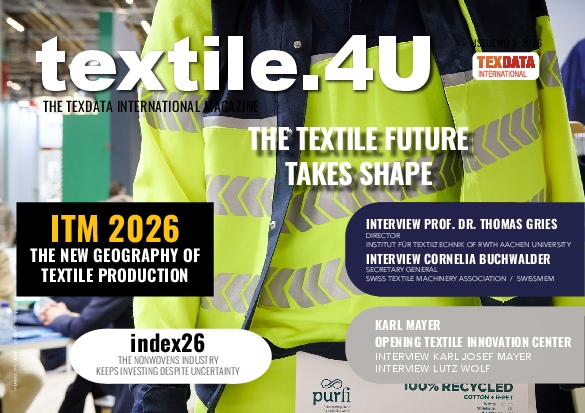
ITM 2026: The new geography of textile production

Industry under pressure
Global textile production is undergoing a profound transformation. Rising costs, geopolitical uncertainty, sustainability requirements and shifting supply chains are reshaping long-established sourcing structures across the industry. While low-cost manufacturing continues to move toward emerging production regions such as North Africa and Central Asia, Türkiye’s textile industry is facing growing pressure to redefine its position within the global market.
The challenges are significant. Turkish textile and apparel manufacturers are struggling with rising labour, energy and financing costs, weakening demand in important export markets and increasing competition from countries such as China, Bangladesh and Egypt. Industry reports point to factory closures, employment losses and growing investment pressure across large parts of the sector. At the same time, some labour-intensive production capacities are gradually moving toward lower-cost regions including Egypt and Uzbekistan.
Yet the current transformation is not only a story of cost pressure and market losses. It also reflects a broader structural shift that has shaped the global textile industry for decades: highly price-driven mass production continuously relocates toward the next competitive manufacturing region.
In this environment, Türkiye is increasingly seeking to reposition itself through higher-value production, faster response times, integrated supply chains and advanced manufacturing technologies.
This strategic transition is supported by several structural advantages. Türkiye remains one of the most important textile and apparel manufacturing hubs between Europe and Asia, combining industrial know-how, flexible production capabilities and close proximity to European markets.
As sustainability, traceability and supply chain transparency become increasingly important for international brands and retailers, shorter transport routes and integrated regional production networks are gaining strategic value. In addition, growing pressure to reduce CO2 emissions and improve circularity is strengthening interest in regionalized and more transparent textile supply chains.
Against this backdrop, technology is becoming one of the key competitive factors for the future of the Turkish textile industry. Automation, digitalization, AI-supported production systems, energy-efficient processes and recycling technologies are increasingly viewed not only as innovation topics, but as strategic necessities for maintaining competitiveness in a rapidly changing global market.
From cost-driven manufacturing to value-driven production
The changing competitive landscape is also redefining what international customers expect from manufacturing partners. For decades, large parts of the global textile industry were primarily driven by production costs and scale. Today, however, additional factors such as supply chain resilience, speed, flexibility, sustainability and transparency are becoming increasingly important. As geopolitical uncertainties, shipping disruptions and regulatory requirements continue to reshape international sourcing strategies, many brands and retailers are reevaluating the structure of their supply chains.
In this environment, Türkiye’s proximity to Europe is emerging as a major strategic advantage. Compared to long-distance sourcing markets in Asia, shorter transport routes allow significantly faster delivery times, lower logistics risks and reduced transport-related CO2 emissions. At the same time, European customers are placing growing emphasis on traceability, transparency and compliance with environmental standards throughout the textile value chain. Regional and more integrated supply chains are therefore gaining importance not only from a logistical perspective, but also in the context of sustainability strategies and future regulatory frameworks such as digital product passports and circular economy requirements.
At the operational level, Türkiye continues to benefit from its strong industrial infrastructure and vertically integrated textile production base. The country combines spinning, knitting, weaving, dyeing, finishing and garment manufacturing within comparatively short supply chains, allowing manufacturers to react quickly to changing market demands. This flexibility is becoming increasingly important as fashion cycles accelerate, order quantities become smaller and customers demand shorter development and delivery times. Rather than competing exclusively through large-scale, price-driven production, many Turkish manufacturers are increasingly focusing on flexibility, technical expertise, product development capabilities and higher-value segments.
In addition, sustainability and circularity are moving closer to the center of industrial investment decisions. Recycling technologies, resource-efficient production processes and improved material traceability are becoming increasingly relevant across the textile industry. Especially for European markets, future competitiveness will depend not only on price and quality, but also on the ability to document material flows, reduce environmental impact and integrate recycled materials into industrial-scale production. This transition is further accelerating the need for modern production technologies, digital process control and more efficient manufacturing systems.
As a result, the transformation of Türkiye’s textile industry is not simply about adapting to difficult market conditions. It increasingly reflects a broader repositioning toward faster, more flexible, technology-driven and sustainability-oriented production models designed for a changing global textile economy.
Technology becomes a strategic necessity
Against this backdrop, technology is increasingly becoming one of the most decisive competitive factors for the future of textile manufacturing in Türkiye and the surrounding region. In an environment shaped by rising production costs, increasing sustainability requirements and growing international competition, investments in automation, digitalization and resource efficiency are no longer viewed as optional upgrades, but as strategic necessities.
This development is expected to strongly shape ITM 2026. Across almost all segments of textile production, manufacturers are focusing on technologies that improve productivity, reduce operational costs and increase process stability. Automation solutions, AI-supported production systems and digital monitoring technologies are gaining importance as companies seek to compensate for rising labour costs while simultaneously improving quality and flexibility.
At the same time, energy and resource efficiency are becoming increasingly critical investment drivers. High energy prices and growing environmental pressure are accelerating demand for technologies that reduce water, chemical and energy consumption throughout textile production. Particularly in dyeing, finishing and other resource-intensive processes, manufacturers are searching for solutions that combine lower environmental impact with higher economic efficiency.
Digitalization is also reshaping production planning and process control across the industry. Integrated digital systems allow manufacturers to improve transparency, optimize workflows and react faster to changing customer requirements. As order volumes become smaller and product cycles shorter, the ability to manage production processes with greater speed and precision is becoming an increasingly important competitive advantage.
Another major focus area is recycling and circular production. As the textile industry moves toward greater circularity, demand is growing for technologies capable of processing recycled fibres, improving material traceability and supporting more closed-loop production systems. The integration of recycled materials into industrial-scale manufacturing is becoming increasingly relevant not only for sustainability reasons, but also in response to future regulatory requirements and evolving customer expectations.
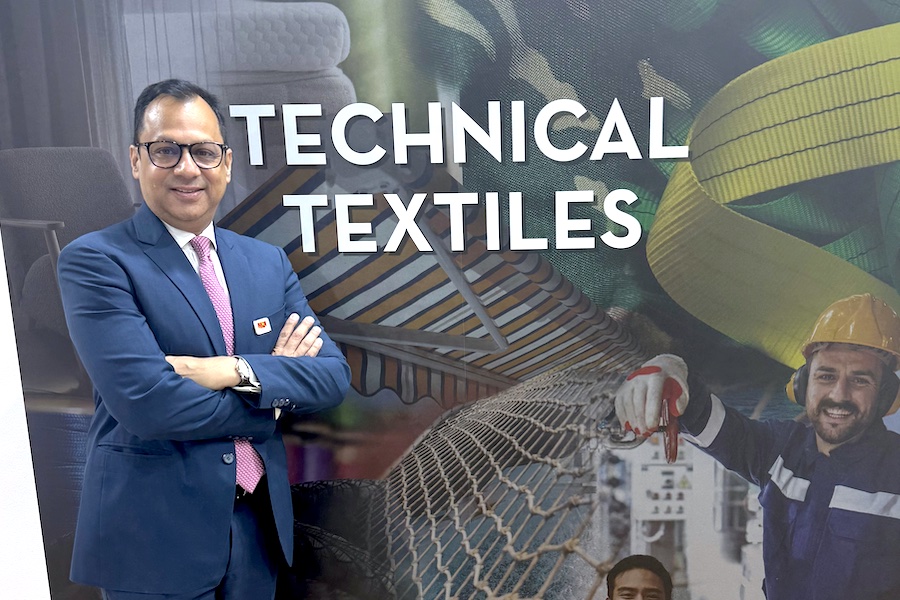
Technical textiles are also expected to remain an important growth area throughout the region. Applications in automotive, filtration, medical textiles, protective clothing and industrial materials continue to create demand for higher-performance production technologies and specialized manufacturing solutions. For many manufacturers, diversification into more technical and value-added applications represents an important strategic pathway beyond highly price-sensitive commodity segments.
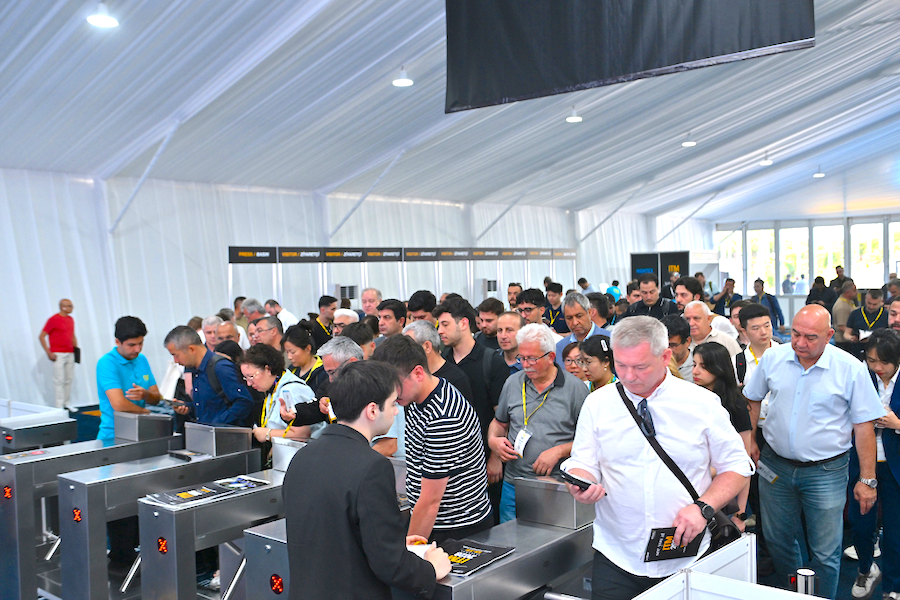
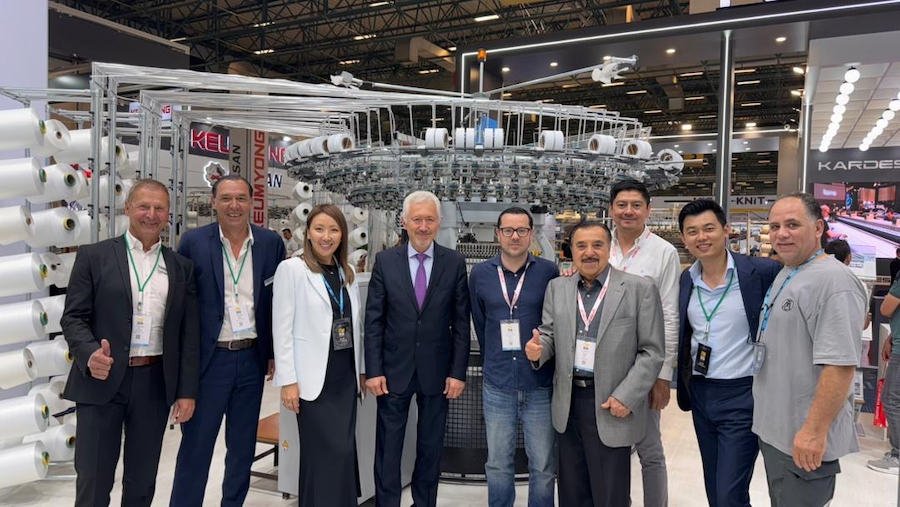
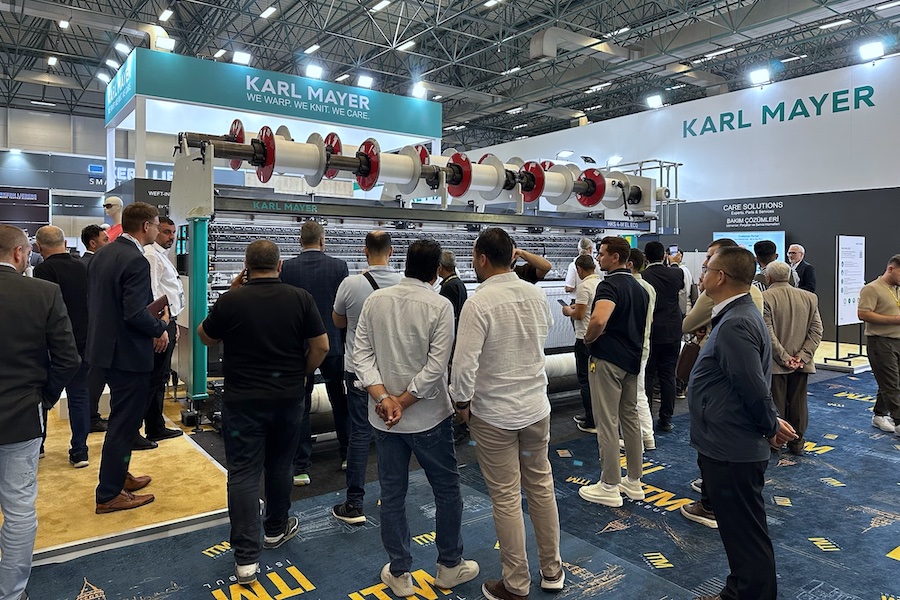
Against this background, ITM 2026 is positioning itself not only as a machinery exhibition, but increasingly as a platform where the future direction of textile production is being negotiated. From automation and AI-supported systems to recycling technologies and sustainable production concepts, the exhibition reflects the broader industrial transformation currently reshaping textile manufacturing across Türkiye and neighboring regions.
The full article can be read in the latest issue of textile.4U, available for free download here: