#Raw Materials
Aid by Trade Foundation presents annual report for 2025: Market position and impact of sustainably verified natural fibres strengthened
Maintaining credibility and creating fairness in global trade
“Maintaining credibility, standing by our values, and acting out of conviction are touchstones for the work of the Aid by Trade Foundation,” says Prof. Dr Michael Otto, the entrepreneur who founded AbTF, adding, “One such conviction is that our most pressing global challenges can only be overcome if we protect ecosystems and create greater fairness in world trade. It remains true today, despite all claims to the contrary, and we will hold fast to it, even as the world faces major upheaval. It is no longer a question of whether we need to act but of whether we will do so in time.”

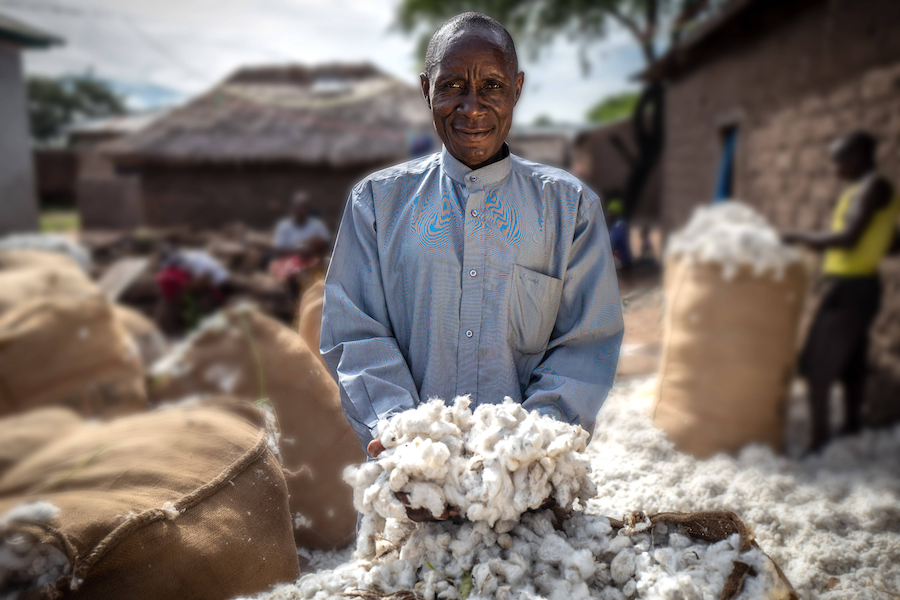
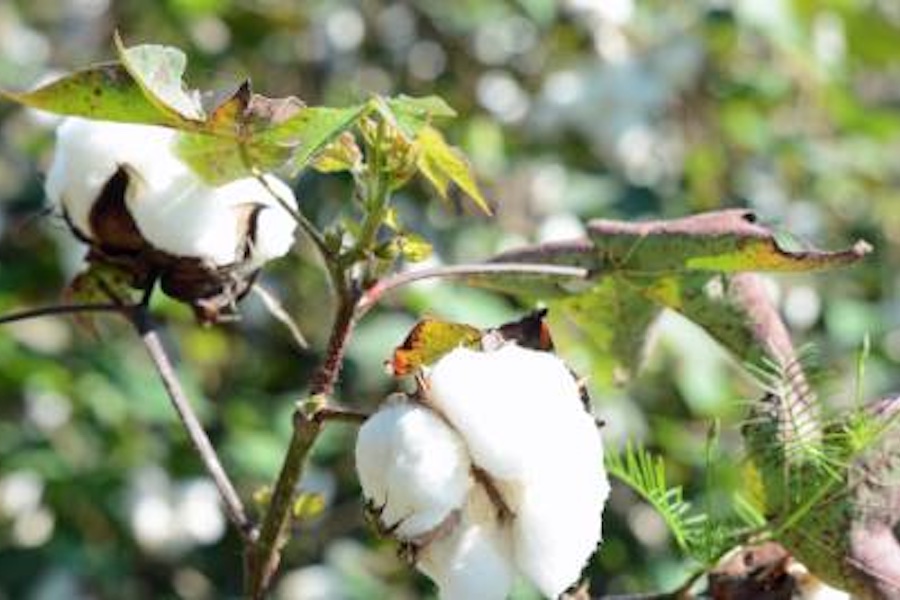
Since 2005, Cotton made in Africa has become a leading standard for sustainable cotton. In 2025, around 715,000 small-scale farmers in ten African countries cultivated cotton in accordance with Cotton made in Africa or Cotton made in Africa Organic. As a result, 36.4 percent of all cotton produced in Africa is now verified under CmiA or CmiA Organic. CmiA Organic combines the ecological advantages of organic cotton cultivation with targeted social and economic support. Some 43,000 smallholders in four African countries now benefit from Cotton made in Africa Organic—32 percent more than in the previous year. The Regenerative Cotton Standard, which was introduced in 2023 to promote soil health and biodiversity, has been successfully expanded in India and Tanzania. In Tanzania, the number of participating farmers applying the RCS criteria rose by a remarkable 87.8 percent in 2025, reaching a total of around 36,600. Additionally, following an increase of 3.7 percent, more than 2,800 partners in 50 textile production markets now process cotton verified according to the various AbTF standards.
The Good Cashmere Standard (GCS) is the world’s first standard for sustainably produced cashmere from Inner Mongolia, which focusses on animal welfare. GCS saw record demand in 2025, with more than 1.2 million garments being awarded the GCS label. In addition, the number of fashion brands and retailers rose to 71 partners in 13 countries, achieving a year-on-year increase of over 20 percent .
Setting new standards for traceability: The AbTF Transparency Standard
To further strengthen the integrity of traceable cotton products, AbTF developed its new Transparency Standard in 2025. It introduces an additional layer of independent third-party verification and supply chain assurance, building on the foundation’s established chain-of-custody model and easy-to-use tracking system. In this way, AbTF effectively supports fashion brands and retailers in meeting their growing environmental, social, and governance (ESG) requirements.
Prioritising people: The CmiA Community Cooperation Programme (CCCP)
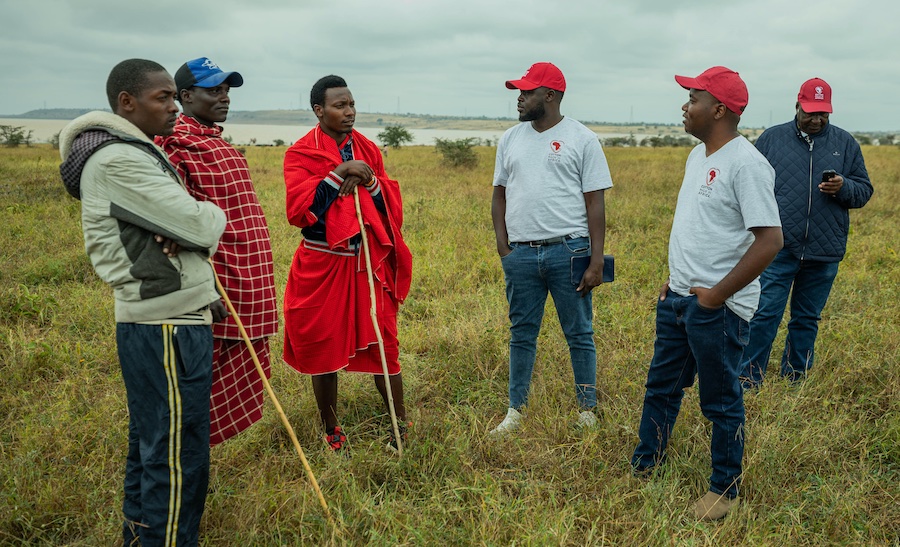
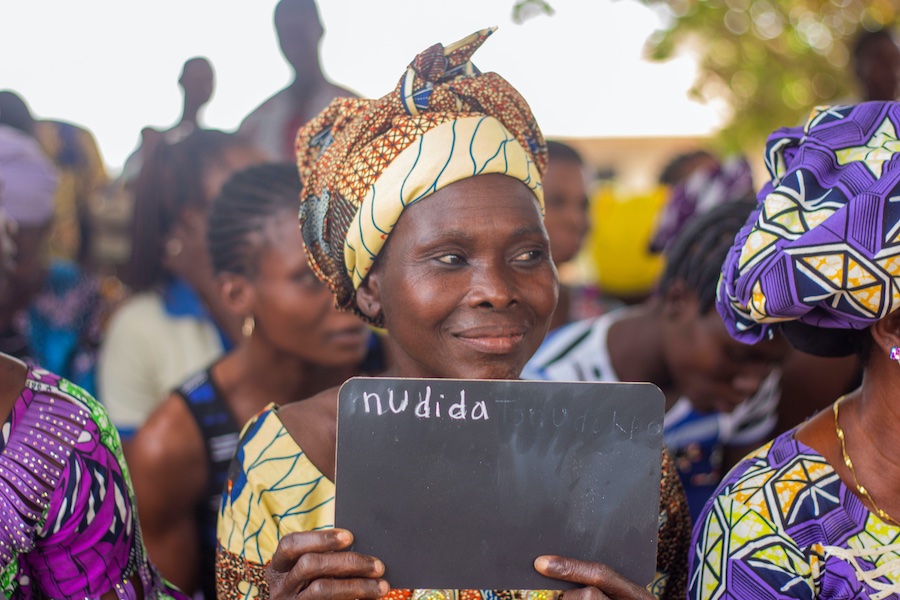
Improving the living conditions of local producers is a central concern for AbTF. By the end of 2025, a total of 93 projects had been successfully implemented via the CmiA Community Cooperation Programme (CCCP). Project results include drilling 218 wells, building 144 classrooms, and funding 109 women’s clubs. Hundreds of thousands of people were provided with access to clean drinking water, sanitation facilities, schooling, or basic medical care.