[pageLogInLogOut]

#Sustainability

Sustainable Apparel Coalition joins MIT SHINE Research Initiative

© 2023 Sustainable Apparel Coalition (SAC)
The Sustainable Apparel Coalition (SAC) has become a member of the Sustainability and Health Initiative for Net Positive Enterprise (SHINE) established by the Materials Systems Laboratory (MSL) at the Massachusetts Institute of Technology (MIT). The project researches product-based and organizational handprint creation and net positive assessment, enabling organizations to pursue the creation of positive sustainability-related outcomes in concert with ongoing efforts to reduce their footprints.

“Net Positive reflects the Sustainable Apparel Coalition’s strategic goal of transforming the industry into one that gives more than it takes to people and the planet,” said Amina Razvi, chief executive officer at the SAC. “The work of MIT SHINE aligns with the SAC’s strategic focus on three foundational pillars – combating climate change, ensuring decent work for all, and shaping a nature-positive future. We’re thrilled to join this powerful initiative.”

SHINE @ MIT is a research center dedicated to improving the scientific basis by which NetPositive is assessed at all of these levels: products, activities, companies, economic sectors, individuals, and groups of people. Its work includes the quantitative evaluation of footprints through the science, data, and methodologies of life cycle assessment (LCA). LCAs also provide the basis for estimating the positive impact of innovative products, materials, activities and processes that function with greater efficiency, provide increased benefits, and reduce wastes and adverse effects.

“The idea of Net Positive is conceptually simple,” said Gregory Norris, research scientist and MIT SHINE director. “However, using LCAs to evaluate both the potential good and harm done by apparel with rigor, clarity and credibility is a complex challenge, though it’s one we are devoted to alongside the SAC. We look forward to working with the SAC and accessing the deep well of data presented by the Higg Index suite of tools.”


As a global multi-stakeholder nonprofit alliance that represents about 50 percent of the apparel and textile industry in 36 countries, the SAC facilitates a common approach to measuring sustainability that is grounded in the Higg Index, a suite of tools that utilize LCA data to measure social and environmental impact from materials in products, to how those products are made, to brand practices. Through the continuous evolution of the Higg Index tools, the aim is to provide users with access to the most up-to-date, accurate data against relevant industry standards in order to drive sustainable decision-making across the industry.

“We look forward to collaborating with MIT Shine in our ongoing efforts to provide state-of-the-art tools to support our members in their journey of transformation,” said Jeremy Lardeau, vice president Higg Index. “Initiatives like these help bring the latest academic and scientific developments to the industry in innovative and sometimes disruptive ways, and we look forward to the exciting opportunities for our tools and the value chain impacts they can help drive.”

More News from TEXDATA International

#Techtextil 2026

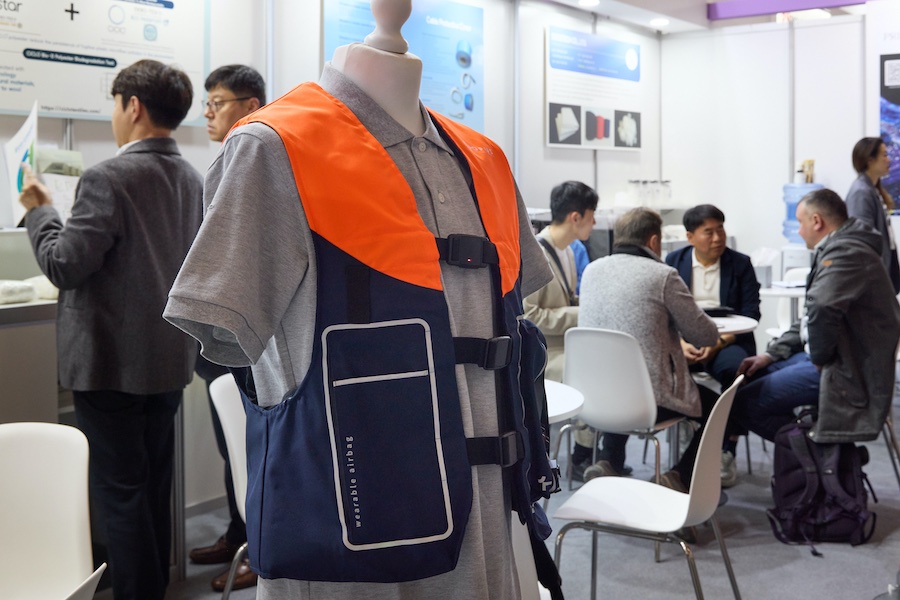
Performance Apparels: Functional textiles drive innovation at Techtextil 2026

From high-performance fibres and advanced membranes to smart textiles and sustainable material concepts – functional apparel is becoming one of the most dynamic innovation fields in technical textiles. At Techtextil 2026, exhibitors demonstrate how new materials, finishing technologies and digital functions are shaping the next generation of protective, workwear and outdoor systems.

#Texprocess 2026

Texprocess 2026: Automation, digitalisation and AI reshape textile processing

Investment decisions in textile processing have become increasingly complex. Rising energy prices, labour shortages and geopolitical uncertainties are forcing companies to prioritise technologies that deliver measurable improvements in efficiency and process stability. This applies not only to apparel production, but also to the processing of technical textiles and high-performance materials. Modernisation projects are therefore being evaluated more selectively – but the pressure to upgrade production systems continues to grow. Texprocess 2026 reflects this tension between cautious investment behaviour and increasing technological demand.

#Techtextil 2026

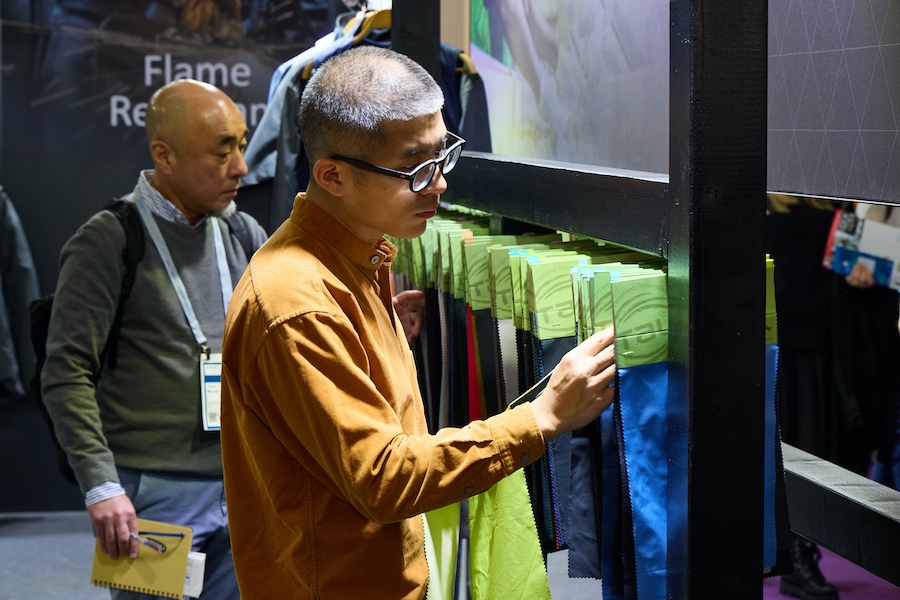
Textile Chemicals & Dyes: Innovation in Textile Chemistry moves into focus at Techtextil 2026

From PFAS-free finishes and water-saving dyeing technologies to advanced coatings and recycling-compatible formulations, innovation in textile chemistry is accelerating across the industry. Reflecting this development, Techtextil 2026 introduces Textile Chemicals & Dyes as a dedicated product segment, highlighting the growing role of chemical solutions in shaping the next generation of technical textiles.

#Recycling / Circular Economy

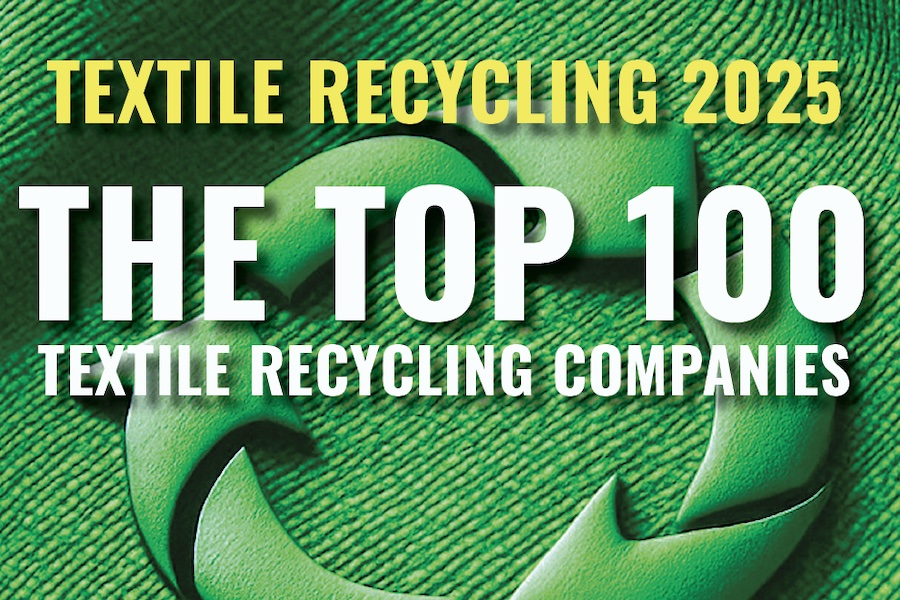
textile.4U publishes special edition “Top 100 Textile Recycling Companies 2025”

With a comprehensive 176-page special edition, textile.4U is dedicating its latest issue entirely to one of the most dynamic and influential topics in today’s textile industry: textile recycling. The new issue, published exclusively in high-quality print, presents the Top 100 textile recycling companies researched and selected by TexData – organizations that already play a key role in the transition to circular textiles or are expected to have a significant impact in the near future.

More News on Sustainability

#Natural Fibers

Global Standard gGmbH launches second public consultation for GRTS Draft 2 for the textile industry (1–30 April 2026)

Global Standard gGmbH is pleased to announce the release of Draft 2 of the Global Responsible Textile Standard (GRTS) for its second public consultation. The consultation will be open from 1 April 2026 to 30 April 2026, inviting stakeholders across the textile and apparel value chain to provide input and contribute to the further development of this new Standard.

#Sustainability

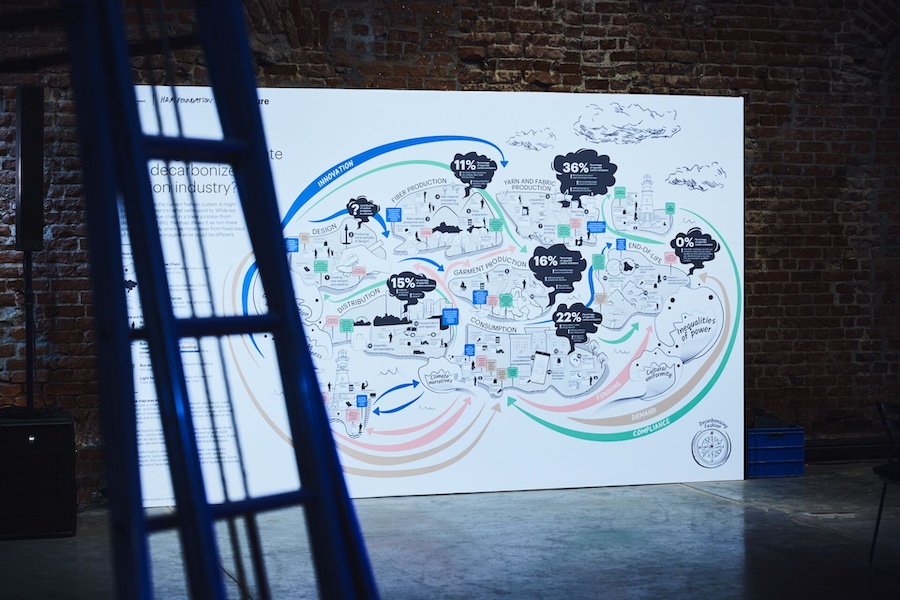
Practical toolkit to drive coordinated climate action launched

An open-access workshop toolkit enables brands, suppliers, policymakers and investors across the textile industry to apply the System Map in their own work, identifying leverage points to halve emissions and enable a just transition.

#Raw Materials

Textile Exchange publishes cotton Life Cycle Assessment study to strengthen impact data

Textile Exchange has published the first in a series of seven Life Cycle Assessment (LCA) studies designed to improve the quality and robustness of environmental impact data for raw material production across the fashion, textile, and apparel industry. The first LCA study focuses on cotton and addresses critical data gaps and methodology variability through new high-quality data across key producing countries. The study includes organic, regenerative, recycled, and country averages for conventional cotton production systems, providing a clearer picture of the associated environmental impact.

#Sustainability

Experts publish APAC policy priorities

Cascale today announced the publication of its APAC Policy Priorities Paper, developed by the Asia-Pacific (APAC) Policy Member Expert Team (MET) to identify key regional sustainability challenges and provide practical, aligned recommendations for policymakers and industry stakeholders across Asia-Pacific.

Latest News

#Raw Materials

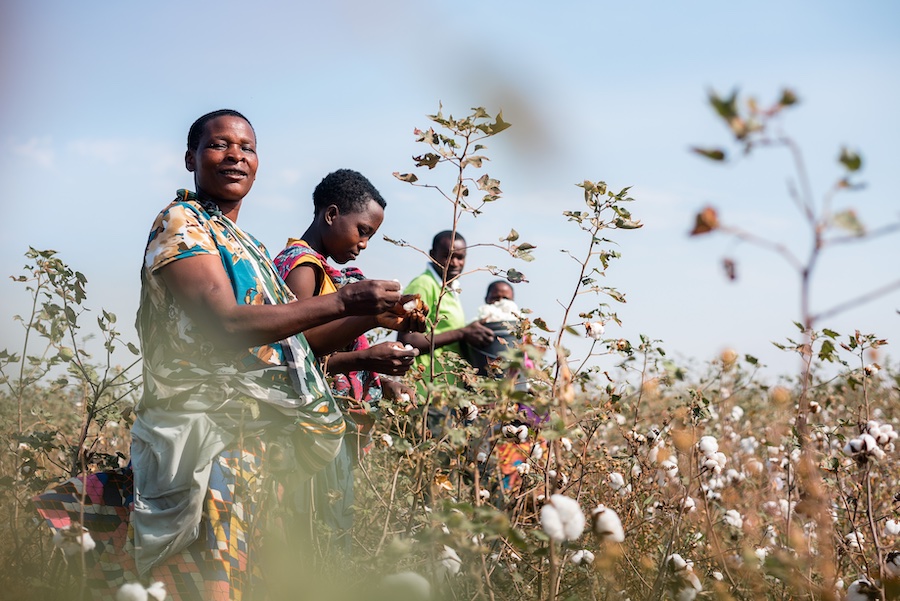
New study shows low environmental impact by Cotton made in Africa Organic Cotton from Tanzania

Today, the Aid by Trade Foundation (AbTF) is announcing the results of a comprehensive life-cycle analysis (LCA) for cotton produced in Tanzania under the Cotton made in Africa Organic (CmiA Organic) standard. The study emphasises the small ecological footprint of CmiA Organic verified cotton. This can largely be traced back to the absence of synthetic pesticides, artificial fertilisers, and artificial irrigation. Consequently, CmiA Organic cotton can help the textile industry meet regulatory requirements as well as science-based targets. The results also show that the consequences of climate change threaten the livelihoods of these cotton farmers, even though the type of agriculture they practise barely contributes to climate change.

#Raw Materials

Better Cotton Initiative strengthens regenerative focus in standard update

The Better Cotton Initiative (BCI) has strengthened the regenerative focus of its field-level standard with the launch of a new version of its Principles & Criteria (P&C), which marks the next step in the organisation’s journey to becoming a regenerative standards system.

#Man-Made Fibers

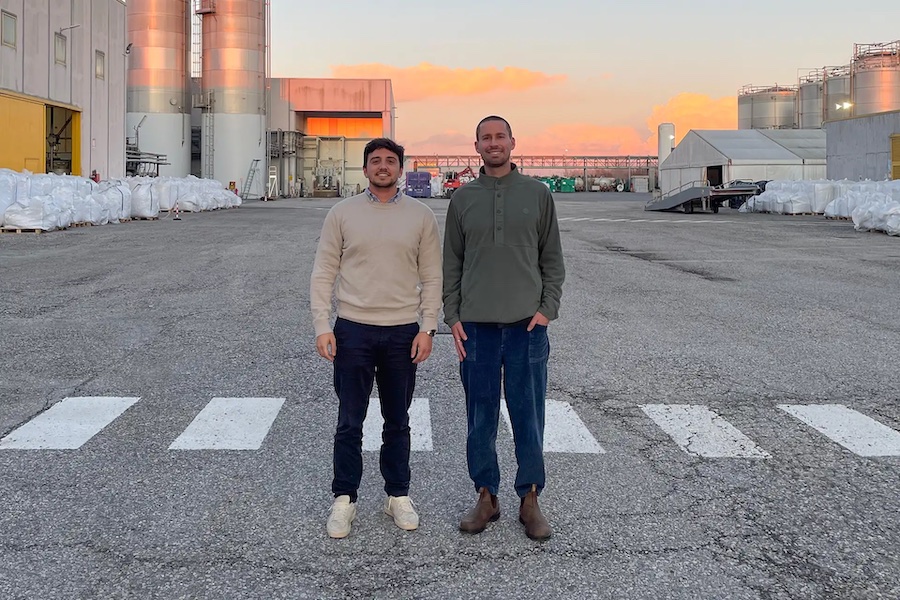
Selenis and Kintra Fibers partner to scale 100% bio-based synthetic fiber technology

Selenis, a leading global specialty polyester manufacturer, today announced a strategic manufacturing partnership with materials science company Kintra Fibers to scale Kintra’s patented fiber-grade PBS resin - a 100% bio-based and biodegradable material designed for textile applications.

#Functional Fabrics

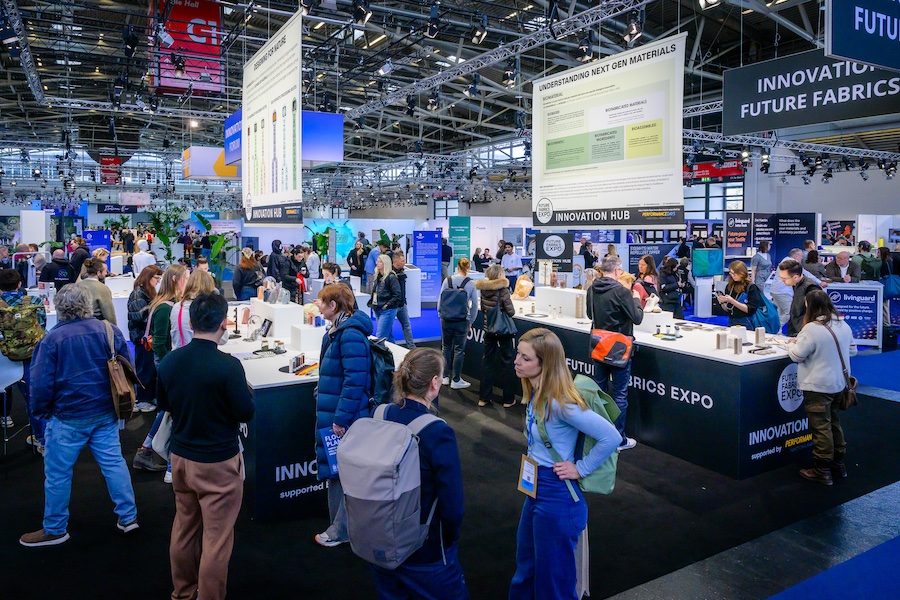
PERFORMANCE DAYS proves its relevance as the industry’s key meeting point

Held on March 18–19, 2026, PERFORMANCE DAYS once again confirmed its position as a leading international platform for functional textiles. A total of 3.366 trade visitors and around 560 exhibitors gathered in Munich, with the event already kicking off successfully on DAY 0, which received highly positive feedback for its interactive format. Despite challenging conditions caused by the public transport strike in Munich, the event saw strong attendance and a consistently high level of activity across both exhibition days.

TOP