#Raw Materials
Textile Exchange publishes cotton Life Cycle Assessment study to strengthen impact data
All of the studies take a holistic “LCA+” approach, looking at indicators beyond those covered in traditional LCA methodology to give organizations insights into other impact areas, such as biodiversity, soil health, animal welfare, and social impacts, where relevant to a specific material or fiber.
Further studies will be published throughout 2026 and 2027, covering polyester, cashmere, nylon, and leather hide as well as wool produced to Textile Exchange’s Responsible Wool Standard, and mohair produced to its Responsible Mohair Standard.
These priority raw materials and fibers were selected based on total industry volume, the current availability of impact data, and the quality of existing datasets, ensuring that the research focuses on where it can deliver the greatest value and industry-wide impact.
To ensure rigor and impartiality, Textile Exchange engaged a broad range of stakeholders throughout the process. All studies have been led by a consultant with expertise in LCA and the specific raw material or fiber production system. They have been critically reviewed by independent expert panels and each assessment also conforms to ISO standards, reinforcing the scientific robustness and credibility of the results.
Beth Jensen, Chief Impact Officer at Textile Exchange, said: “This work is about improving the quality, transparency, and appropriate use of LCA data at the raw material level, where it is urgently needed.
“By closing critical data gaps for priority fibers, we are providing credible, fully documented impact data that supports more accurate modeling and tracking of greenhouse gas emissions and other impacts included in LCA methodology. Additionally, through our LCA+ approach, we are broadening the lens to include areas such as soil health and biodiversity, as part of our ongoing efforts to ensure a holistic view of impact.
“Ultimately, better data empowers better decisions and helps accelerate the uptake of materials sourced from preferred production systems, while supporting measurable, industry-wide progress.”
Key findings from the cotton LCA
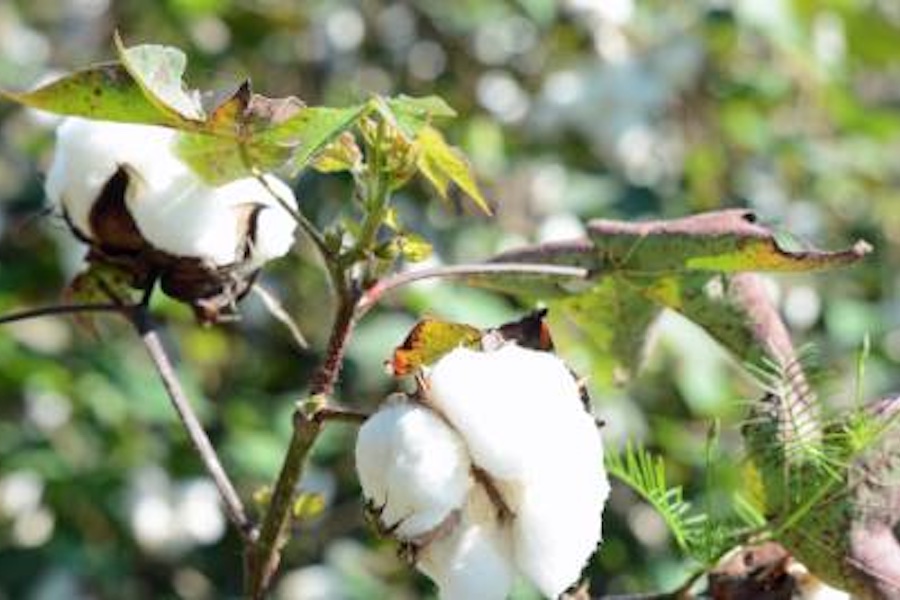
All Textile Exchange LCA studies cover the production stages from cradle to gate. For the cotton LCA study, this means tracking impacts from the farming stage to the point where the lint leaves the cotton gin. The LCA+ approach expands the analysis by including qualitative assessments of impacts on soil health, biodiversity, and social impacts. The study includes data from nine countries: Bangladesh, Brazil, China, India, Pakistan, Peru, Tanzania, Türkiye, and the USA.
The findings identify field emissions as the primary hotspot across most systems and countries, largely driven by nitrogen balance linked to synthetic fertilizer application. This supports Textile Exchange’s pathways to preferred production systems, which seek to eliminate or reduce the use of synthetic fertilizers, in alignment with organic and regenerative production principles. Similar trends are seen in the use of crop protection inputs, such as pesticides, and their associated impacts, including ecotoxicity.
The LCA+ analysis indicated that practices associated with organic and regenerative systems can strengthen long-term soil resilience and reduce pressures on nature. However, more site-specific data is needed to fully understand these potential benefits.
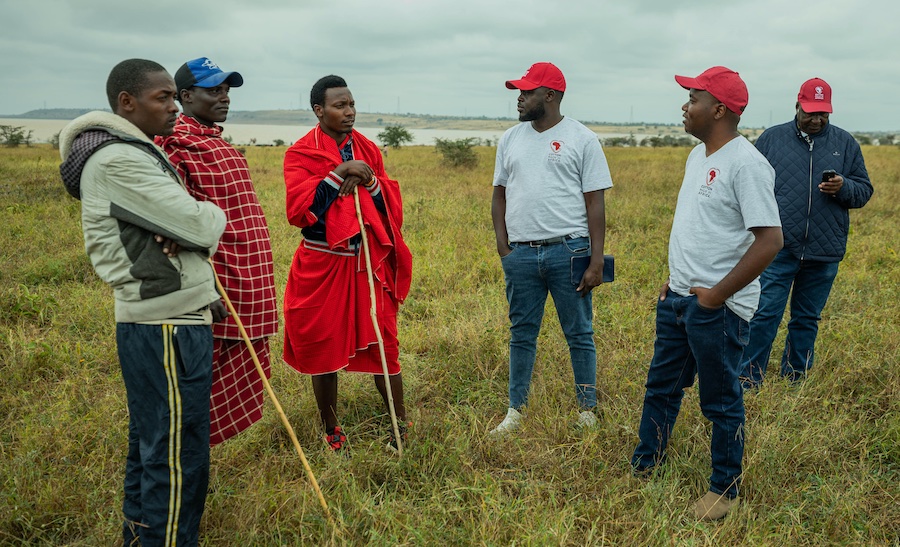
The findings show that cotton’s environmental impacts vary widely based on local growing conditions and practices, making region-specific data essential and reinforcing the need for targeted data collection partnerships with cotton organizations and on-the-ground stakeholders. Impact depends on how the whole cotton cultivation system is managed, with factors such as nitrogen-based fertilizer use, water for irrigation, and energy use all interacting rather than any single input or practice driving outcomes alone.
Debra Guo, Lead, Cotton and Crops for Textile Exchange, said: “This LCA study shows that cotton’s environmental impact hinges on where it’s grown and how it’s managed in the field. By identifying the practices that matter most in different regions—and highlighting the importance of knowing the origin and local production context—this study enables brands to make more informed sourcing decisions and target impact reductions where they will be most effective.”
To read the cotton LCA technical paper, summary paper, and frequently asked questions, please visit:
https://textileexchange.org/knowledge-center/reports/cotton-life-cycle-assessment/
Submission to industry databases
Once published, the LCA data will be submitted to industry databases to support more accurate modeling and progress tracking of greenhouse gas emissions and other impacts. The data is primarily intended to serve as proxy data, in cases where source-specific LCA data is not available. It is designed to provide a credible, consistent foundation for understanding the impacts of cotton production and to inform data-driven decision-making.
The data for the cotton LCA will be submitted throughout 2026 to the following databases:
- Higg MSI
- Ecoinvent
- WALDB
Responsible use of LCA data
As with all LCA data, the findings from Textile Exchange’s LCA studies should be used carefully and in the appropriate context. Results from LCA studies are sensitive to methodological choices, assumptions, and boundaries. The same dataset can also produce different results when applied within different methods.
For these reasons, comparisons should not be made between studies or between datasets within individual studies, such as production systems or regions.
For a case study on this topic, read Textile Exchange’s LCA Model Comparison – Cotton Case Study.
https://textileexchange.org/knowledge-center/documents/life-cycle-assessment-for-cotton-model-comparison/
Last year, Textile Exchange released Ensuring Integrity in the Use of Life Cycle Assessment Data, a comprehensive position paper outlining best practice for the use of LCA data.
https://textileexchange.org/knowledge-center/reports/ensuring-integrity-in-the-use-of-life-cycle-assessment-data/