[pageLogInLogOut]

#Raw Materials

Why fabric choice matters in combating microplastic pollution in the oceans and waters

From research journals and news headlines to social posts, there is increasing attention to microplastics in our environment. People are listening and seeking ways to help with change. Forty percent of respondents say they are aware of the concerns that microfibers from clothing are polluting our oceans and waters, according to Cotton Incorporated’s Lifestyle MonitorTM Survey in February 2022, up from 35% in 2021.

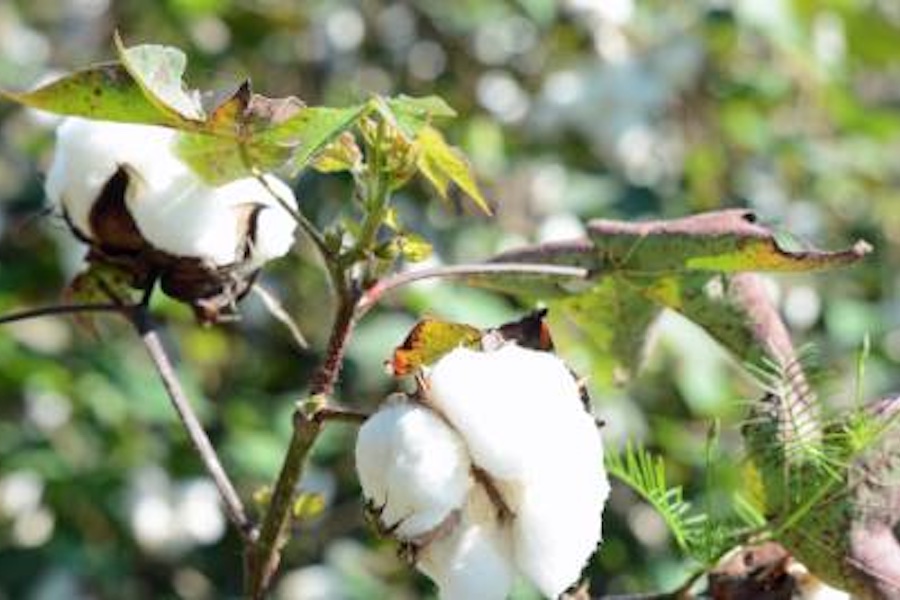
Cotton fibers break down faster in land and water

The same survey notes, most consumers (66%) who are aware of microplastic pollution, know that much of this pollution is caused by washing of clothing made from synthetic fibers.

“Cotton’s versatility and durability makes it an ideal ingredient for reusable products,” says Mary Ankeny, vice president of Product Development and Implementation Operations for Cotton Incorporated. “All fabrics shed microfibers or fiber fragments through everyday wash and wear. It’s important to understand the origin of the fiber and what happens in the environment as those fibers build up or break down when developing products and shopping for clothing, sheets, towels, and personal care products.”

In 2020, Cotton Incorporated experts led research to show impacts of fabric fibers. Cotton microfibers are natural and biodegrade in tested water environments in about a month’s time compared to non-biodegradable synthetic fibers like polyester. Further research in 2021 demonstrated that cotton microfibers treated with common textile finishes, such as silicone softener, durable press finish, water repellent finish, and dye, biodegrade by more than 60% over a period of three months; a rate similar to a natural oak leaf.

“Shocking scientific research about microplastics in our drinking water and the impact plastic pollution is having on our environment is getting people’s attention,” comments Dr. Jesse Daystar, Cotton Incorporated’s vice president and chief sustainability officer. “Cotton is a plant-based and renewable ingredient. It can pull carbon dioxide from the atmosphere and nourish the soil; it can break down in water or soil. Discarded fabrics or garments can be recycled into something new. These benefits continue to position cotton as the go-to fiber for the fashion and textile industry looking to change sustainability standards.” Read more about textile recycling at https://cottontoday.cottoninc.com/our-sustainability-story/circularity/recyclability/.

Tips for minimizing microplastic pollution:

  • Check the label for cotton when buying clothing and home goods like sheets and towels
  • Wash clothing only when soiled instead after every wear
  • Wash in cold water
  • Air dry clothing or don’t overpack the dryer to minimize friction


More News from TEXDATA International

#Techtextil 2026

Performance Apparels: Functional textiles drive innovation at Techtextil 2026

From high-performance fibres and advanced membranes to smart textiles and sustainable material concepts – functional apparel is becoming one of the most dynamic innovation fields in technical textiles. At Techtextil 2026, exhibitors demonstrate how new materials, finishing technologies and digital functions are shaping the next generation of protective, workwear and outdoor systems.

#Texprocess 2026

Texprocess 2026: Automation, digitalisation and AI reshape textile processing

Investment decisions in textile processing have become increasingly complex. Rising energy prices, labour shortages and geopolitical uncertainties are forcing companies to prioritise technologies that deliver measurable improvements in efficiency and process stability. This applies not only to apparel production, but also to the processing of technical textiles and high-performance materials. Modernisation projects are therefore being evaluated more selectively – but the pressure to upgrade production systems continues to grow. Texprocess 2026 reflects this tension between cautious investment behaviour and increasing technological demand.

#Techtextil 2026

Textile Chemicals & Dyes: Innovation in Textile Chemistry moves into focus at Techtextil 2026

From PFAS-free finishes and water-saving dyeing technologies to advanced coatings and recycling-compatible formulations, innovation in textile chemistry is accelerating across the industry. Reflecting this development, Techtextil 2026 introduces Textile Chemicals & Dyes as a dedicated product segment, highlighting the growing role of chemical solutions in shaping the next generation of technical textiles.

#Recycling / Circular Economy

textile.4U publishes special edition “Top 100 Textile Recycling Companies 2025”

With a comprehensive 176-page special edition, textile.4U is dedicating its latest issue entirely to one of the most dynamic and influential topics in today’s textile industry: textile recycling. The new issue, published exclusively in high-quality print, presents the Top 100 textile recycling companies researched and selected by TexData – organizations that already play a key role in the transition to circular textiles or are expected to have a significant impact in the near future.

More News on Raw Materials

#Raw Materials

Textile Exchange publishes cotton Life Cycle Assessment study to strengthen impact data

Textile Exchange has published the first in a series of seven Life Cycle Assessment (LCA) studies designed to improve the quality and robustness of environmental impact data for raw material production across the fashion, textile, and apparel industry. The first LCA study focuses on cotton and addresses critical data gaps and methodology variability through new high-quality data across key producing countries. The study includes organic, regenerative, recycled, and country averages for conventional cotton production systems, providing a clearer picture of the associated environmental impact.

#Raw Materials

Fashion for Good mobilises industry to adopt mass balance attribution and accelerate decarbonisation

Fashion for Good launches today the Mass Balance Demonstrator project, a collaborative industry initiative to implement and scale the mass balance attribution (MBA) chain-of-custody model for biomass-attributed PET in textile applications. The project represents a concrete step toward accelerating brand-driven decarbonisation across the apparel value chain.

#Raw Materials

The 83rd Plenary Meeting: Reports from the ICAC Secretariat

Every year, one of the most anticipated sessions at the International Cotton Advisory Committee's (ICAC) Plenary Meeting is the Reports from the Secretariat — and the 83rd edition in Bremen, Germany, did not disappoint.

#Raw Materials

A Powerful Opening: Global thought leaders launch the International Cotton Conference Bremen

The International Cotton Conference Bremen will open on 25 March 2026 in the Parliament building of the Free Hanseatic City of Bremen with a keynote session of exceptional calibre. Distinguished international experts will set the stage for the conference by offering incisive perspectives on the most pressing challenges and the defining trends shaping the future of the global cotton trade. Their insights will span a broad spectrum — from geopolitically driven disruptions affecting global supply chains to the opportunities emerging from innovation-led agriculture capable of supporting a growing world population. Together, these opening keynotes will frame the dialogue of the conference, highlighting both the complexity of today’s market environment and the pathways toward a resilient and forward-looking cotton sector.

Latest News

#Techtextil 2026

LineONE – Smart performance, smart investment at Techtextil 2026

At Techtextil 2026 in Frankfurt (April 21–24, Hall 12, Booth C79), AUTEFA Solutions will present its LineONE concepts for cost-efficient nonwoven production. As a full-line supplier for nonwoven production lines, AUTEFA Solutions covers the entire process chain – from fibre opening through to web bonding. With its LineONE line concepts, the company combines proven technologies into well-balanced, cost-efficient turnkey solutions. These concepts are designed for capacity expansions, modernisation projects and new production lines, offering robust design and high flexibility for applications such as filtration, geotextiles and automotive.

#Europe

EU and Australia strengthen relations with Security and Defence Partnership and Trade Agreement

The EU and Australia have today announced the adoption of a groundbreaking Security and Defence Partnership. They have also concluded negotiations for an ambitious and balanced free trade agreement (FTA) and agreed to launch formal negotiations for the association of Australia to Horizon Europe, the world's largest funding programme for research and innovation. With these steps, the EU and Australia are delivering mutually beneficial outcomes and further reinforcing their already close relations in a time of geopolitical uncertainty.

#Technical Textiles

DuPont introduces Tyvek® APX™ 400 protective coverall, setting a new benchmark for extreme breathability

DuPont (NYSE:DD) announced the launch of the Tyvek® APX™ 400 protective coverall, the first in a new generation of extremely breathable disposable chemical protection garments. Manufactured using DuPont™ Tyvek® APX™ groundbreaking fabric, the new garment combines 360° protection and durability with extreme breathability, taking worker comfort and safety to a whole new level.

#Spinning

Graf at EXINTEX – Strengthening presence in Latin America

Graf successfully participated in EXINTEX, one of the leading textile exhibitions in Latin America, together with its local agent Eurotecnica. The exhibition provided an excellent platform to engage with customers, partners and industry experts across the region.

TOP