[pageLogInLogOut]

#Raw Materials

New U.S. cotton study uses real-world grower data to reveal where fiber impacts occur

An independently reviewed, ISO-compliant life cycle assessment drawing on primary data from 753 growers across 17 states

Cotton Incorporated has released a critically reviewed life cycle assessment (LCA) of U.S. cotton fiber production that examines how cotton’s environmental impacts are measured and where meaningful improvements can be made across the value chain. The new data, grounded in real‑world grower inputs, measures what drives U.S. cotton’s environmental footprint from field to gin.

The International Organization for Standardization (ISO)-compliant study, critically reviewed by an independent three-person expert panel, evaluates environmental impacts at the cradle-to-gate stage. Based on primary data from growers, the study offers new clarity into the key impact drivers including fertilizer production, on-farm emissions and irrigation, and highlights how methodological choices influence how results are interpreted.

“U.S. cotton growers have invested decades in improving their environmental performance, and this study puts real numbers behind that progress,” said Jesse Daystar, Ph.D., vice president and chief sustainability officer at Cotton Incorporated. “With 753 growers contributing primary data across 17 states, this is one of the most transparent assessments of any fiber available today. As brands face growing pressure to back their sustainability claims with credible science, this LCA gives them exactly that: a clear, independently reviewed baseline for U.S. cotton that can inform sourcing decisions, regulatory compliance and tracking meaningful improvement over time.”

Key findings include:

  • Carbon and emissions: The study reports that the cradle-to-gate production of 1 kg of U.S. cotton fiber generates 1.45 kg of fossil CO2 equivalent emissions. When accounting for biogenic carbon flows, including carbon stored in soil and temporarily in the fiber, the modeled-net result at this production stage is -0.264 kg CO2e per kilogram of fiber. These results are presented within the defined system boundary and reflect how carbon is accounted for within the study.
  • Where impacts occur: Fertilizer production and field emissions were identified as the primary drivers of environmental impact across most categories, while irrigation was the dominant factor in water-related impacts. These inputs are applied as needed based on growing conditions, and the insights provide a clearer understanding of where interventions can most effectively reduce cotton’s footprint.
  • A broader environmental view: In addition to greenhouse gas emissions, the study evaluates a range of environmental indicators, including water use and scarcity, energy demand, air quality and nutrient-related impacts, offering a more complete picture of cotton’s environmental profile.
  • Baseline for improvement: The LCA establishes a robust, science-based baseline to support ongoing research and continuous improvement across the cotton industry, particularly in areas such as precision agriculture, irrigation efficiency, soil health and fertilizer innovation.
  • Methodology matters: Sensitivity analysis showed impacts could vary by more than 50% depending on how results are calculated, including differences in allocation methods and background datasets, underscoring the importance of transparency and consistency in interpreting sustainability data.

The LCA provides brands and other stakeholders with updated science-based data that can inform sustainability reporting, fiber sourcing decisions and broader efforts to assess cotton within material strategies. The findings offer a foundation for evaluating cotton’s environmental profile and identifying where future progress may be made.

The full LCA report and executive summary are available at
CottonWorks.com/LCA.


More News from Cotton Incorporated

#Natural Fibers

Dr. Jane Dever inducted into the 2025 Cotton Research and Promotion Hall of Fame

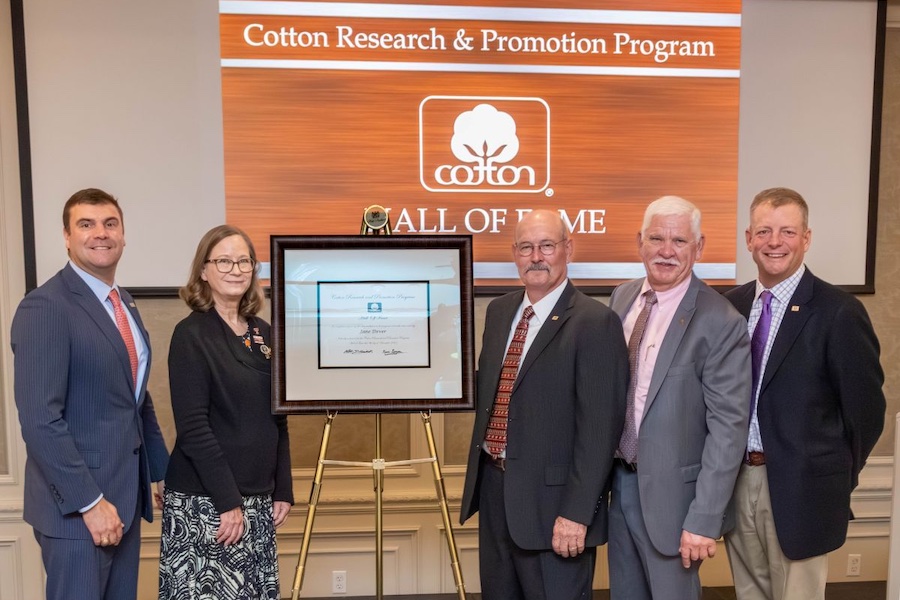
Dr. Jane K. Dever, a recognized leader in cotton breeding and fiber quality research, was inducted into the 2025 Cotton Research and Promotion Hall of Fame during the joint Cotton Incorporated/Cotton Board Annual Meeting held on December 9 in New Orleans, LA.

#Natural Fibers

Cotton Incorporated unveils reimagined CottonWorks platform

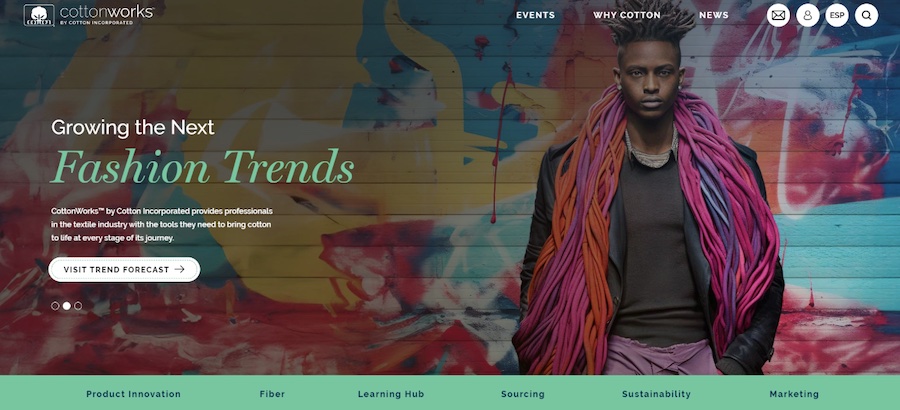
Cotton Incorporated today announced the launch of a reimagined CottonWorks™ website, an ambitious digital transformation designed to meet the evolving needs of today’s global textile professionals across every stage of the value chain. The new platform is more than a redesign – it is an intuitive, fashion-forward platform built to support compliance, product development, sourcing, and education across the textile industry.

#Natural Fibers

Cotton Incorporated hosts global dialogue in Hong Kong to lead cotton forward

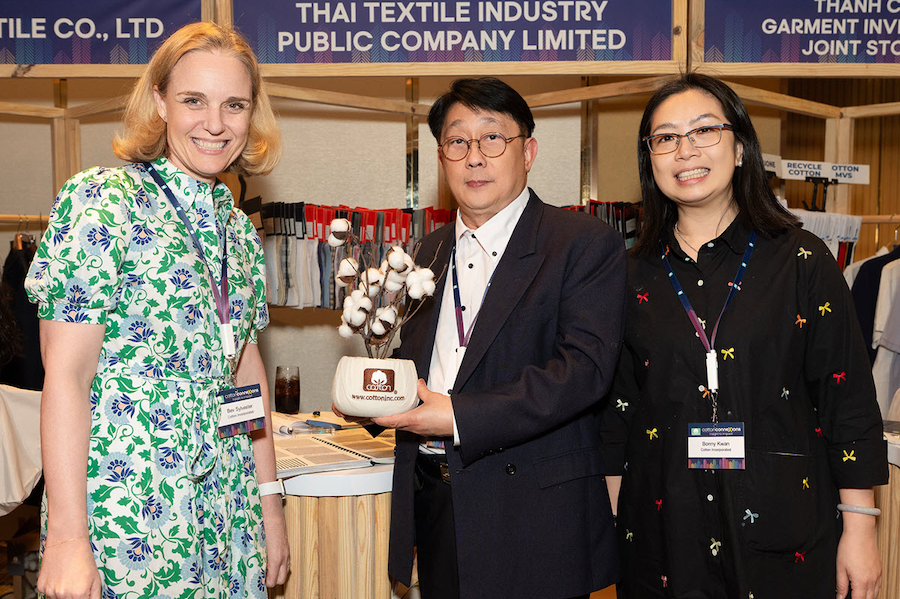
In a powerful display of global collaboration, more than 255 industry leaders from 124 companies including over 41 top global brands and sourcing organizations gathered in Hong Kong on May 15 for Cotton ConneXions: Where Innovation Meets Opportunity, a one-day summit hosted by Cotton Incorporated. The event united the global cotton supply chain to discover innovations, recognize industry contributions, generate business orders, network, and address the challenges and opportunities shaping the fiber’s future amid regulatory shifts and evolving market dynamics.

#Natural Fibers

Cotton Incorporated calls for investment in quality cotton fashion

When it comes to selecting the best fashion and home style pieces, quality matters. One key aspect that stands out among consumers is the choice of fabric, especially with cotton being a popular favorite for its comfort, durability, and sustainability. Whether it’s clothing or home textiles, the fiber label “cotton” signifies comfort and quality especially when looking for value per use in a down economy.

More News on Raw Materials

#Raw Materials

China projected to increase cotton production, yields, and imports in 2026/27

World cotton production in the 2026/27 season is projected at 25.9 million tonnes, exceeding global consumption of 25.2 million tonnes, according to the May 2026 issue of Cotton This Month. That means both production and consumption are expected to remain close to current season levels, while global cotton trade is projected to decline by 2.7% to approximately 9.6-9.7 million tonnes.

#Raw Materials

ICAC launches Carbon Credits Initiative to deliver new income streams to cotton farmers

The International Cotton Advisory Committee (ICAC) has announced a new initiative designed to unlock additional income streams for cotton farmers through participation in carbon credit markets, linking sustainable production practices directly to financial returns.

#Raw Materials

ECCO introduces first shoe featuring innovative protein-based fibre

ECCO, in partnership with Spinnova, announces the launch of the limited edition ECCO BIOM® 720, a first-of-its-kind shoe utilising an often overlooked leather by-product, transformed into a protein-based fibre. The fibres are produced using patented technology that advances material innovation while reducing waste and supporting full resource use across the leather and textile industry.

#Raw Materials

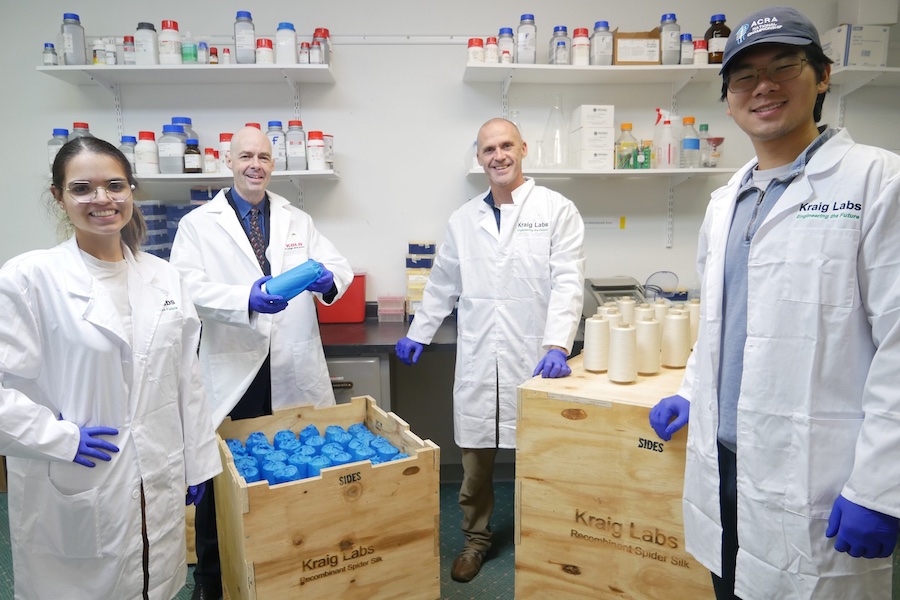
Kraig Biocraft Laboratories reports major progress converting record-setting spider silk cocoon production into reeled silk

Kraig Biocraft Laboratories, Inc. (OTCQB: KBLB) (“the Company”, “Kraig Labs”, or “Kraig’s”), a world leader in spider silk technology*, today announced significant progress in the processing of its recently produced recombinant spider silk cocoons into reeled silk.

Latest News

#ITM 2026

Groz-Beckert brings new knitting, weaving and nonwovens technologies to ITM 2026

From June 9 to 13, 2026, Groz-Beckert will present its latest innovations and solutions across the product areas of Knitting, Weaving and Nonwovens at ITM in Istanbul (Hall 3, Booth 304B).

#ITM 2026

Itema to showcase weaving excellence at ITM 2026

From June 9 to 13, Itema will exhibit at ITM 2026 in Istanbul (Hall 8 – Stand 806D), unveiling a distinctive exhibition concept designed to highlight the Company’s expertise across the entire weaving value chain. For this year’s edition, Itema will introduce an innovative stand experience built around two core areas: advanced weaving and spare parts solutions and an immersive textile gallery featuring fabrics produced by Itema Customers worldwide.

#Textiles & Apparel / Garment

Global size study for brands and retailers to optimize fit and market coverage

Hohenstein Apparel Fit Solutions, a global leader in apparel fit, sizing, and product development, today announces the launch of its Global Size Study, a new initiative designed to equip brands to better understand and serve their target consumers through more accurate, market-relevant sizing.

#ITMA 2027

Last chance to apply: ITMA 2027 Start-Up Valley closes tomorrow

Applications for the Start-Up Valley at ITMA 2027 close tomorrow, offering young technology companies the opportunity to follow in the footsteps of several successful participants from the 2023 edition. The initiative, organised under the CEMATEX Start-Up Grant programme, has already helped a number of textile start-ups accelerate their transition from early-stage concepts to industrial partnerships, funding rounds and commercial deployment.

TOP