[pageLogInLogOut]

#Sustainability

OEKO-TEX® chooses TextileGenesis to advance digital traceability for organic cotton
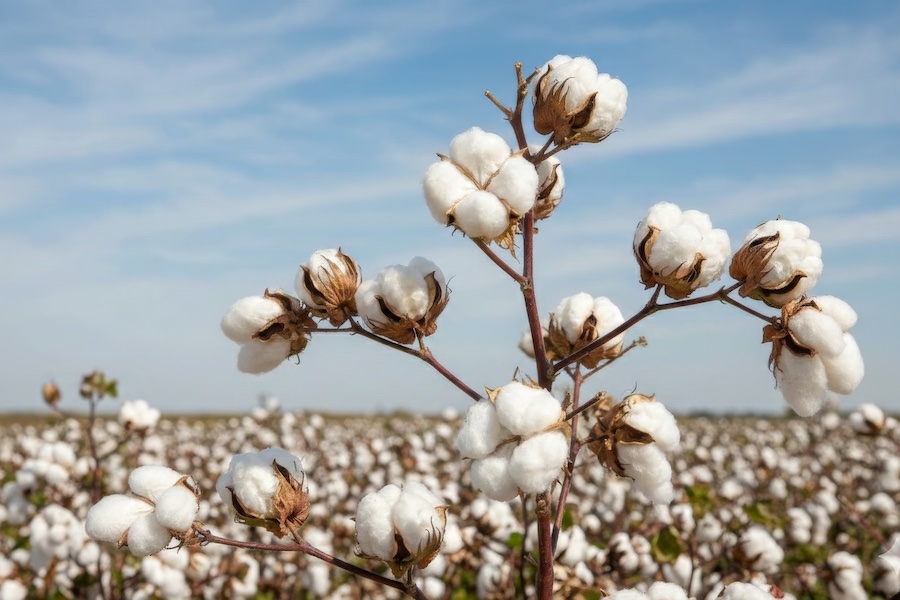
OEKO-TEX® today announced a full collaboration with TextileGenesis, a Lectra company, to digitally trace and authenticate organic cotton, strengthening fraud prevention across the supply chain. This announcement follows a successful pilot and brings together OEKO-TEX®’s certification expertise and closed testing system with TextileGenesis’ digital traceability platform to deliver a secure, end-to-end solution for managing certified organic cotton flows.

At its core is the digitization of Transaction Certificates, bringing physical material movements and certification data together on a single solution and replacing fragmented, paper-based processes.

Organic cotton continues to gain strategic importance in the global textile and apparel industry as brands, regulators and consumers increasingly demand credible sustainability claims and verified supply chains. This trend is reflected in the rapid expansion of the OEKO-TEX® ORGANIC COTTON certification, which recorded a 381% year-over-year growth by 31 December 2025.

As volumes grow, so does the need for credible, fraud-resistant certification systems. Against this backdrop, OEKO-TEX® chose TextileGenesis to take a future-facing approach to organic cotton certification, tackling one of the industry’s most pressing challenges: fraud prevention through the digitization of Transaction Certificates in organic cotton supply chains.

From fiber to data: Building a secure digital chain of custody

A key component is TextileGenesis’ token-based fibercoinTM technology, which links each physical shipment of organic cotton to a unique digital token within a closed-loop system. This approach enables transparent, tamper-resistant traceability from fiber to finished product, while significantly reducing administrative effort for ginners, spinners, manufacturers and brands.

“OEKO-TEX® plays an important role in setting trusted standards for organic cotton across the textile industry, and we’re pleased to collaborate with the OEKO-TEX® Organic Cotton Standard on this initiative.” says Amit Gautam, CEO of TextileGenesis. “By using TextileGenesis’ pioneering FibercoinTM technology, we are creating a digital chain of custody for OEKO-TEX® certified organic cotton and eliminating pdf/paper-based Transaction certificates. This collaboration helps ensure that organic cotton claims are easier to manage and verifiable at scale.”

The initiative builds on OEKO-TEX®’s established in-house GMO testing, conducted exclusively within its 17 international testing institutes. Both raw fiber and raw yarn are tested, ensuring that organic standards are verified at the very beginning of the supply chain and consistently upheld throughout. From a strategic perspective, the cooperation marks an important milestone in OEKO-TEX®’s broader digital roadmap. According to OEKO-TEX® CEO, Dr. Alfred J. Beerli, the collaboration is a natural next step: “Working with TextileGenesis is a key part of how we are moving our certification system into the digital future. Secure, transparent and data-driven processes strengthen the integrity of OEKO-TEX® while making certification more efficient and scalable – especially for organic cotton certified by us.”

The digitization of Transaction Certificates for OEKO-TEX® ORGANIC COTTON is intentionally designed as a starting point. “We see this as a pilot with much wider potential,”Dr. Beerli explains. “Once established, this approach can be extended step by step to other OEKO-TEX® certifications and product groups.”

Laying the groundwork for the next phase of certification

This next phase in the collaboration builds on the success of a traceability pilot launched in 2025 involving eleven supply chain actors. It enabled OEKO-TEX® to trace selective organic cotton supply chains across India and Bangladesh, involving ginning, spinning mills, fabric mills and certification bodies. Feedback from suppliers demonstrated strong acceptance of the digital approach, highlighting high usability, effective training and comprehensive support. Companies such as KKP Spinning Mills Pvt. Ltd., Milan Ginning Pressing Limited and Atlas Export Enterprises agreed that the collaboration strengthened compliance and trust across the certified supply chain.

OEKO-TEX® and TextileGenesis will now continue to jointly develop the platform, with the aim of scaling digital Transaction Certificates across additional organic cotton supply chains.

Looking ahead, digital platforms will play a central role in safeguarding trust in textile certifications. “Real-time transparency and interoperability will be essential going forward,” predicts Dr. Beerli. “Our ambition is not only to keep pace with industry developments, but to actively help shape future-ready certification standards.”



More News from Oeko-Tex® Association

#Sustainability

OEKO-TEX® - New regulations 2025

Fostering trust within the textile and leather industry remains the mission of OEKO-TEX®. Since trust relies on consistently high standards, the OEKO-TEX® Association has released the updated testing criteria, limit values and guidelines for its certifications, based on the latest scientific research and legal developments.

#Sustainability

OEKO-TEX® Annual Report 2023/2024 mentions 50,000+ valid certifications

The international OEKO-TEX® association has continued to demonstrate positive business growth, highlighting the critical role of close collaboration and shared commitment in accelerating sustainable change. More than 35,000 textile and leather companies depend on the certificates and product labels issued by OEKO-TEX®’s independent testing institutes. OEKO-TEX® issued more than 50,000 certificates and labels between July 1, 2023, and June 30, 2024 – an increase of 22% over the previous financial year.

#Sustainability

OEKO-TEX® New regulations 2024

Creating trust within the textile and leather industry and for its customers is the mission of OEKO-TEX®. Since trust is based on consistently high quality, the OEKO-TEX® Association is again publishing updates to the applicable test criteria, limit values and guidelines for its certifications. Based on new scientific findings and legal developments, the OEKO-TEX® Association has published the annual updates to its test criteria, limit values and guidelines.

#Sustainability

Change in the OEKO-TEX® Management Board

OEKO-TEX® announces the departure of Georg Dieners. The Association’s Secretary General is leaving the organisation after 8 years in office. OEKO-TEX® expresses appreciation to Georg Dieners for his work and wishes him all the best for his future.

More News on Sustainability

#Sustainability

VAUDE eliminates PFAS from all products

PFAS (per- and polyfluoroalkyl substances) are now detectable worldwide – in drinking water, soil and the human body. These so-called “forever chemicals” are considered hazardous to health and potentially carcinogenic, as they do not break down and remain in the environment permanently. Despite these risks, PFAS are still used in a wide range of products. More than 15 years ago, VAUDE made a strategic decision to gradually eliminate PFAS from all product categories.

#Europe

ICAC to support European Commission on pending PEF legislation

The International Cotton Advisory Committee (ICAC) is proud to announce that it has been included as a member of the European Commission’s Technical Advisory Board (TAB) on the Product Environmental Footprint methodology. The Commission developed the Product Environmental Footprint (PEF) to assess and communicate the life cycle environmental performance of products and organizations.

#Nonwovens

ENDURANCE Program: Driving operational sustainability at Magnera

As Magnera enters a new year, the company is reflecting on a key sustainability milestone from 2025: the launch of ENDURANCE, its global, employee-led initiative focused on waste reduction and sustainable innovation. Launched on Earth Day 2025, this initiative has generated more than 250 improvement submissions from team members across Magnera’s global operations, demonstrating strong engagement and shared accountability for sustainability across the organization.

#Sustainability

Apparel Impact Institute announces strategic realignment of climate solutions portfolio to accelerate decarbonization

Today, Apparel Impact Institute (Aii) announced the strategic realignment of its Climate Solutions Portfolio (CSP) grant program to prioritize funding for projects that accelerate supplier-focused electrification.

Latest News

#Functional Fabrics

“Action helps us change what we do!”

DAY 0 takes place deliberately before PERFORMANCE DAYS begins. It is conceived as a space for reflection, dialogue and active engagement — a moment to pause before the fair, rethink established systems and address sustainability not as a trend, but as a fundamental transformation challenge. Under the guiding metaphor “Turn the Tap Off”, DAY 0 focuses on root causes rather than symptoms, systemic change rather than isolated solutions, and collective responsibility rather than individual silos.

#Textiles & Apparel / Garment

Pets in fashion: functional and sustainable textiles find new market at Intertextile Apparel

China’s pet economy is booming, especially amongst younger generations, and pet apparel – from designer outfits to functional garments – was a RMB 3.5 billion (over USD 500 million) market in 2024, growing more than 20% annually¹. To help exhibitors harness this trend, Intertextile Shanghai Apparel Fabrics – Spring Edition 2026 will launch the Pet Boutique, presenting a range of innovative, sustainable materials that prioritise both functionality and comfort for pets.

#Man-Made Fibers

Lenzing AG to become majority owner of TreeToTextile AB and accelerates industrialization of new fibers

The Lenzing Group is taking another strategic milestone by acquiring a controlling majority in the Swedish innovation company TreeToTextile AB. This step strengthens Lenzing’s position as a leading provider of sustainable, wood‑based specialty fibers and expands its innovation pipeline with a highly scalable, patent‑protected technology platform. The transaction is executed through the issuance of new shares.

#Raw Materials

Better Cotton Initiative marks certification anniversary with progress update and accreditation

One year since becoming a certification scheme, the Better Cotton Initiative (BCI) has announced that more than 3,000 supply chain actors have been certified. At farm level, more than 30% of farms and producer units supplying BCI Cotton have received a positive audit outcome.

TOP