[pageLogInLogOut]

#Sustainability

Launch of Resource Efficiency Module

ZDHC and Implementation HUB recognise that the largest opportunities for improvement in the textile and leather industry lie within the value chain. Reporting in Higg or CDP shows that supply chains offer the best leverage to reduce ecological footprints and successfully master sustainability goals, but there is a lack of tools available to really support the change.

'Systematically implementing resource efficiency measures can reduce energy, water, and chemical use by as much as 65% by simple, cost-effective means.'

Therefore, Implementation HUB has officially launched the Resource Efficiency Module (REM) on the Supplier Platform! Resource Efficiency supports the textile and footwear industry to reduce negative environmental impacts, such as greenhouse gas emissions and climate change, water scarcity and pollution. Suppliers can analyse their environmental performance, identify improvement opportunities, and implement measures to conserve resources and increase efficiency. Additionally, Suppliers can record resource consumption, and monitor projects and savings to lead the way towards meeting ambitious, science-based reduction targets.

How does the REM work?

?Suppliers complete a self-evaluation specific to their facility type and processes based on revised CPI2 content. They then receive over 300 practical recommendations to improve performance via systematic analysis, specific instructions, and a structured management process. The Resource Efficiency Module also allows facilities to record their resource consumption. Facilities can record electrical energy, thermal energy, water (to be launched), chemicals (to be launched). Greenhouse gases (CO2e) are calculated automatically and can be reported to brands.

The Resource Efficiency Module makes reporting progress and data easier, faster, more flexible, and less costly. It also supports smarter ESG-driven decision-making, and highlights ongoing improvement at your facilities, offering hands-on implementation guidance and opportunities to track efficiency gains.


The CPI2 legacy

CPI2 was an industry initiative that aimed to decrease the environmental impact of production facilities within supply chains globally. The CPI2 online platform helped Suppliers to improve their use of energy, water, and chemicals and provided them with specific recommended action and concrete support. This proven CPI2 methodology has become part of the Resource Efficiency Module (REM) on the Supplier Platform. It was refurbished, and new features were added based on learnings during the run-time of CPI2, counting almost ten years. Now the REM offers Suppliers the opportunity to significantly reduce their negative environmental impact and save considerable costs in the process. 

© 2021 Roadmaptozero


More News from TEXDATA International

#ITM 2026

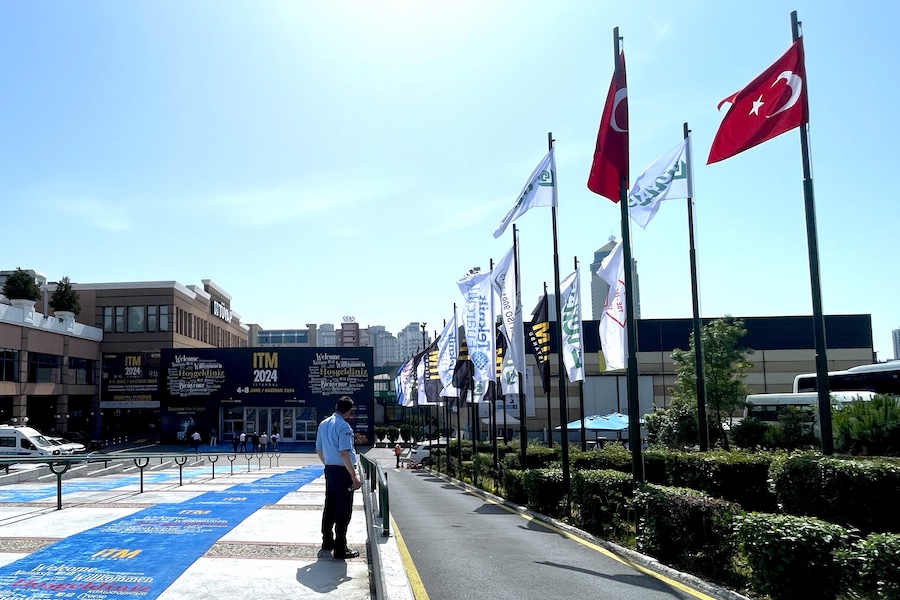
ITM 2026: The new geography of textile production

New production hubs are emerging across North Africa and Central Asia, while Türkiye is accelerating its transformation toward higher-value, technology-driven and more sustainable textile manufacturing.

#Research & Development

“Production is a product”

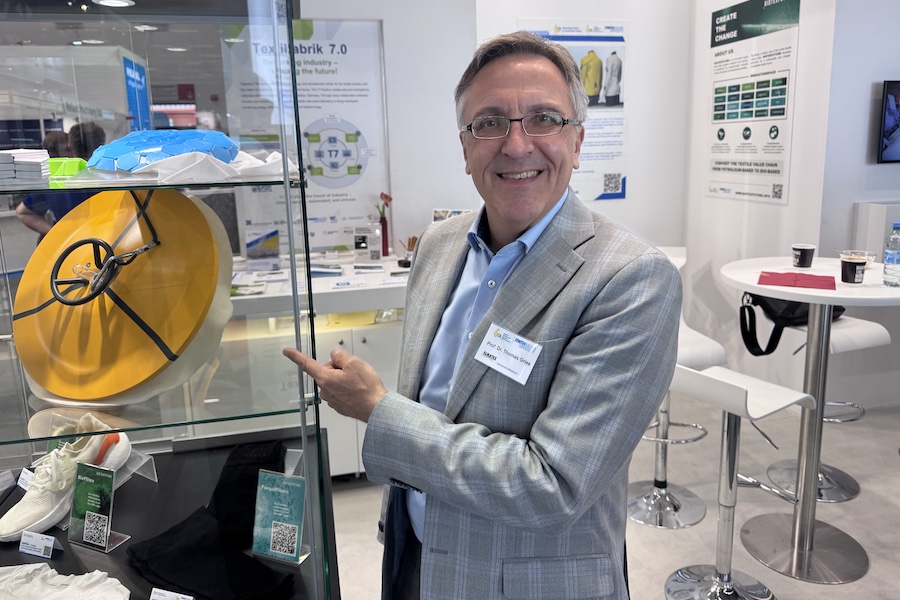
From technical textiles and AI-driven robotics to the limitations of textile circularity: Professor Dr Thomas Gries looks back on more than two decades of development at ITA Aachen. In the interview, he explains why production technology remains a decisive success factor, discusses international collaborations and innovation ecosystems, and shares his views on the transformation of production landscapes and the challenges facing an increasingly regulated industry.

#Knitting & Hosiery

“We need to move away from the price trap and return to a value-driven mindset.”

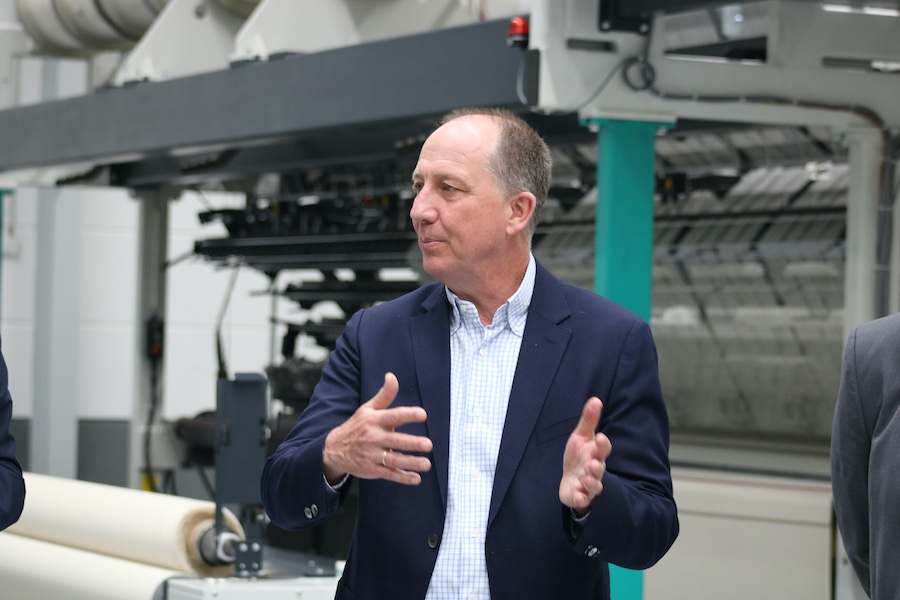
With its new Textile Innovation Center, KARL MAYER is sending a strong signal for innovation, collaboration, and the future of textile applications. In this interview, Karl Josef Mayer discusses new opportunities in warp knitting, the processing of staple fibres, recycling, the changing role of machinery manufacturers, and why the textile industry must once again focus more strongly on the value of textiles. by Oliver Schmidt

#Associations

“Innovation, resilience and international experience remain the great strengths of the Swiss textile machinery industry”

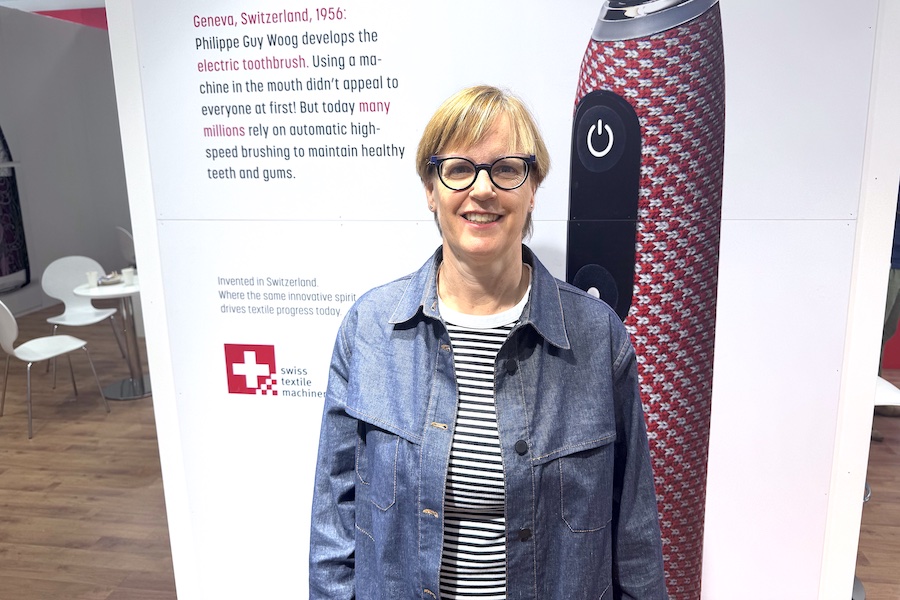
Geopolitical uncertainty, growing competitive pressure from China, new free trade agreements and the shift towards a circular economy are currently reshaping the global textile industry. In this interview, Cornelia Buchwalder discusses the current mood within the Swiss textile machinery sector, the industry’s distinctive innovative strength, new market opportunities in India and Asia, and the technological trends that could shape the upcoming trade fair cycle leading up to ITMA 2027.

More News on Sustainability

#Recycling / Circular Economy

The Or Foundation, adidas, BESTSELLER, H&M Group, and Inditex launch Apparel Recovery Coalition, responding to impacts of post-consumer textile exports

adidas, BESTSELLER, H&M Group, Inditex and The Or Foundation, with support from Circle Economy, unveiled the Apparel Recovery Coalition (ARC). The coalition will explore how producer responsibility systems can support circular pathways such as reuse, upcycling, recycling, and responsible waste management in countries that receive large volumes of exported secondhand apparel.

#Recycling / Circular Economy

NEUMÜHLE launches mono-material hoodie designed for textile recycling

With the Circular Mono Hoodie, Zurich-based label NEUMÜHLE introduces a new essential designed around a single-material principle. The textile construction is cotton throughout, right down to the sewing thread. Entirely free from elastane, the hoodie launches as a Limited Drop for CHF 139. Take-back, collection and existing recycling partnerships complement its circular design.

#Industry 4.0 / Digitalization

EIM evolves into a new Environmental Intelligence to measure the impact of textile production

¿Do we really know the environmental impact behind a garment? Answering this question remains one of the textile industry’s major challenges. Garment production involves multiple stages, from yarn and fabric to final finishing, carried out by different players across the supply chain. Accesing reliable data from each process, connecting it and establishing a common language are essential to understanding a product’s true impact.

#Associations

ITMF names three winners of the Sustainability & Innovation Award 2026

Three projects from the UK, Korea and China have been selected as winners of the ITMF Sustainability & Innovation Award 2026. The projects address textile-to-textile recycling, chemical recycling for automotive textiles and a regenerative approach combining silk production with ecological restoration.

Latest News

#Functional Fabrics

ROICA™ presents stretch textile innovations from nine partners at PERFORMANCE DAYS 2026

ROICA™ by Asahi Kasei will return to PERFORMANCE DAYS Munich on October 13–14, 2026, presenting textile developments from seven European partners and two Japanese specialists under its global brand message, “STRETCH YOUR FUTURE.” Visitors can discover the developments at Booth P10 in Hall A4.

#IGATEX 2026

SHIMA SEIKI to showcase flat knitting and digital design solutions at IGATEX Pakistan 2026

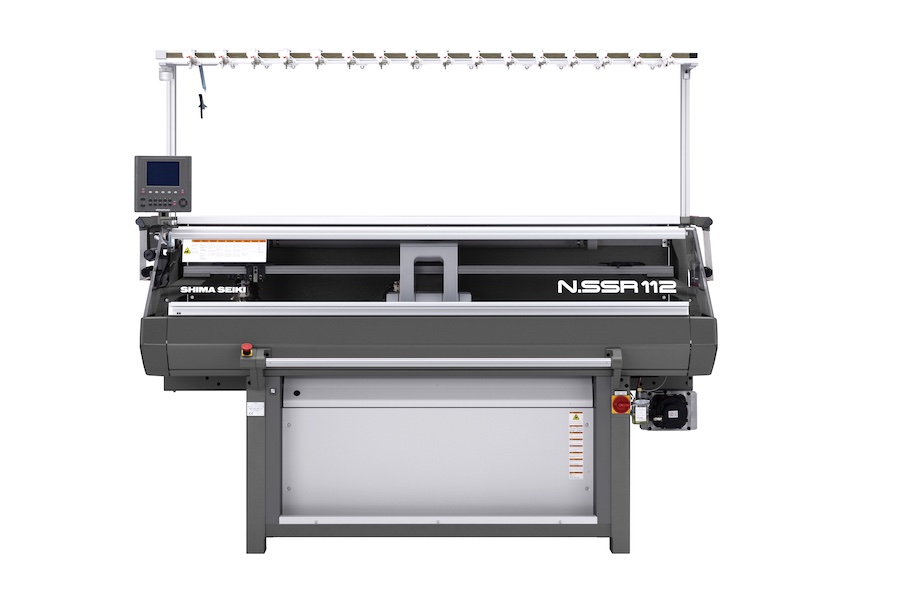
Leading computerized flat knitting technology provider SHIMA SEIKI MFG., LTD. of Wakayama, Japan, together with its Pakistani representative ALMURTAZA MACHINERY CO., (PVT) Ltd., will exhibit at the upcoming International Exhibition for Garment, Textile Machinery and Accessories (IGATEX Pakistan 2026) in Lahore, Pakistan, from October 15–18. SHIMA SEIKI will introduce computerized flat knitting machines, 3D design software and various web platforms as proposals for sustainable production through innovative shaping technology and the latest digital solutions.

#Dyeing, Drying, Finishing

Brazilian market leader Cedro Têxtil focuses on greater efficiency, sustainability, and product quality with Brückner

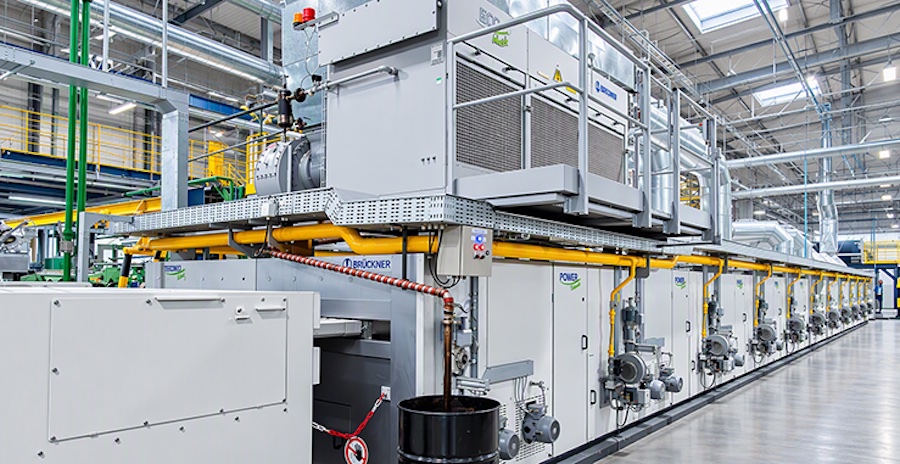
After more than 150 years of company history, Cedro Têxtil is once again embracing the challenges of a changing industry. Widely recognized as the largest manufacturer of workwear fabrics in Latin America, the Brazilian textile company continues to invest in the modernization of its production facilities. A key milestone in this process was the decision to install a state-of-the-art Brückner stenter frame just over a year ago.

#Digital Printing

Growth at the speed of demand: Kornit Digital brings digital textile innovation to PERFORMANCE DAYS 2026

Kornit Digital Ltd. (NASDAQ: KRNT) (“Kornit”), a global pioneer in on-demand digital fashion and textile production, will showcase the possibilities of digital, on-demand production at PERFORMANCE DAYS 2026, October 13–14 at Messe München, Hall 6, Booth E08.

TOP