[pageLogInLogOut]

#Recycling / Circular Economy

The Or Foundation, adidas, BESTSELLER, H&M Group, and Inditex launch Apparel Recovery Coalition, responding to impacts of post-consumer textile exports

© 2026 Apparel Recovery Coalition (ARC)
adidas, BESTSELLER, H&M Group, Inditex and The Or Foundation, with support from Circle Economy, unveiled the Apparel Recovery Coalition (ARC). The coalition will explore how producer responsibility systems can support circular pathways such as reuse, upcycling, recycling, and responsible waste management in countries that receive large volumes of exported secondhand apparel.

Today, producer responsibility systems are largely tied to the primary markets where products are first sold, while many post-consumer textiles move across borders, and their impacts are felt elsewhere. For example, according to the European Environment Agency, around 1.4 million metric tons of used textiles are exported from the EU annually, mainly to countries in Africa and Asia.

Over the next two years, ARC will build and test a producer responsibility blueprint that reflects the global nature of post-consumer textile flows, engaging brands, producer responsibility organisations, sorters, recyclers, policymakers and affected communities to help shape practical solutions.

ARC was launched at Kantamanto Market in Accra, Ghana, one of the world’s largest hubs for secondhand clothing reuse, repair, and upcycling. The Or Foundation estimates that the market recirculates 25 million garments each month while supporting the livelihoods of tens of thousands of workers and entrepreneurs. Given this scale, Kantamanto offers a valuable lens for understanding how post-consumer textiles are managed, as well as the growing environmental and social impacts associated with them, such as water and soil pollution.

As its first demonstration project, ARC will explore how producer responsibility contributions can help strengthen Ghana’s existing circular textile ecosystem. The Coalition recognises the work The Or Foundation has done over the past 15 years to support this ecosystem, and it aims to build on that experience while learning from the communities at the heart of the secondhand clothing trade. Through the demonstration project, The Or Foundation will continue to organise and implement initiatives across Accra, such as improvements to infrastructure at Kantamanto Market, environmental remediation, and training programmes.

As a second step, ARC intends to add at least one additional demonstration project in another recipient country. The coalition hopes the evidence and practical learnings generated through these demonstration projects will help inform brands, policymakers, producer responsibility organisations (PROs), and other stakeholders working to strengthen post-consumer textile management systems worldwide.

ARC operates through an independent foundation registered in the Netherlands, with Circle Economy taking the role of secretariat. From 2026 to 2027, adidas, BESTSELLER, H&M Group, and Inditex will make voluntary contributions to fund circular economy activities in secondhand markets. The coalition is designed to grow over time by engaging PROs and other stakeholders to collectively explore challenges and solutions across the post-consumer textile ecosystem.

The Coalition invites others to join the initiative and contribute to its impact and knowledge base.


More News from Circle Economy

#Recycling / Circular Economy

Between 121 and 142 million people are employed in the circular economy globally, new study finds

Between 121 and 142 million people worldwide are employed in sectors that contribute to the circular economy, such as repair, recycling, second-hand trade and waste management. This represents roughly between 5 and 5.8 percent of total global employment (excluding agriculture), according to a new joint report by Circle Economy, the International Labour Organization (ILO) and the World Bank Group, in partnership with the UN Partnership for Action on Green Economy (UN-PAGE).

#Recycling / Circular Economy

Circulose welcomes Sara Diez Jauregui and Kalyan Madabhushi to its Board of Directors

Circulose is proud to announce the appointment of Sara Diez Jauregui and Kalyan Madabhushi to further strengthen its Board of Directors, following the recent appointment of Chair Helena Helmersson. These additions bring world-class expertise across the value chain: Sara offers extensive experience with leading fashion and apparel brands, while Kalyan brings a notable career at Aditya Birla Group, a global leader in cellulosic fiber production.

#Recycling / Circular Economy

Successful pilot: biodegradable plastic produced from textile waste

The 'Design for Transformation' (D4T) pilot project, led by Circle Economy and the Biomimicry Institute, has developed an innovative technology to produce bioplastics and gaseous products from textile waste. This set of technologies aims to enable companies to generate additional revenue streams from waste, whilst diverting it from landfills or incineration.

#Recycling / Circular Economy

Circle Economy and partners launch new textile 5R solutions project SOLSTICE

Launched on 28 May, 2024, the SOLSTICE project supports sustainable growth in the textile sector by raising customer awareness, enhancing recycling with new sorting methods, ensuring feedstock traceability using the Digital Product Passport, and providing data and guidelines to decision-makers. ?

More News on Recycling / Circular Economy

#Recycled Fibers

Recover and SUPIMA partner to develop recycled Pima cotton fibers and yarns

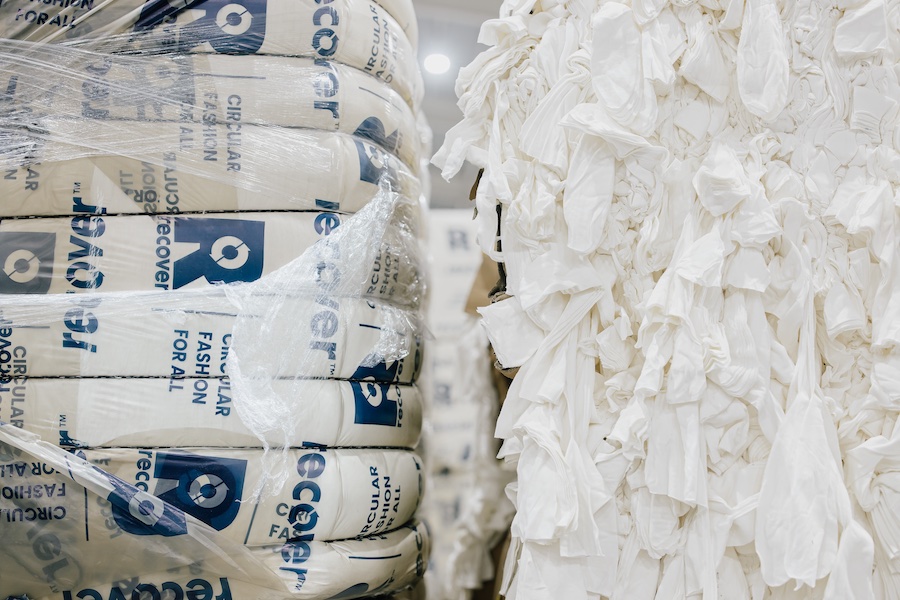
Recover and SUPIMA have partnered to turn waste from SUPIMA cotton production into a new line of recycled fibers and yarns. The collaboration will explore how recycled American-grown Pima cotton can be used in a wider range of yarns and garments for the premium market.

#Recycling / Circular Economy

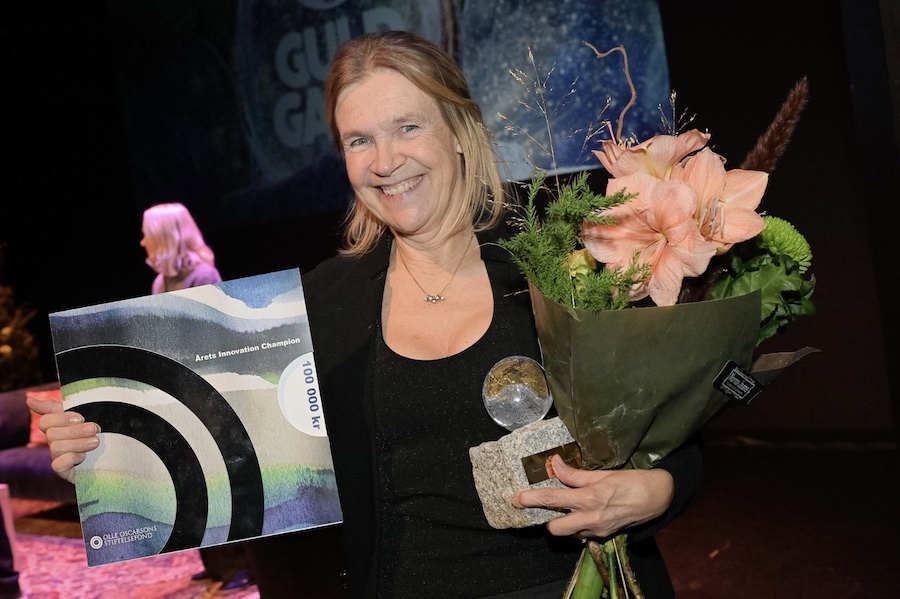
ReSpin founder Åsa Strandberg receives Innovation Champion of the Year 2026 award

Åsa Strandberg, founder and CEO of Swedish textile recycling company ReSpin AB, has been named Innovation Champion of the Year 2026. The award recognises her development of RespinJenny, a patented technology designed to recycle textile waste into new, high-quality fibres without using water, chemicals or additional virgin raw materials. The distinction was presented by the Olle Oscarsson Foundation and Axera Inkubator at Guldgalan in Sweden.

#Recycling / Circular Economy

Circulose resumes recycling of discarded cotton textiles and appoints interim CEO

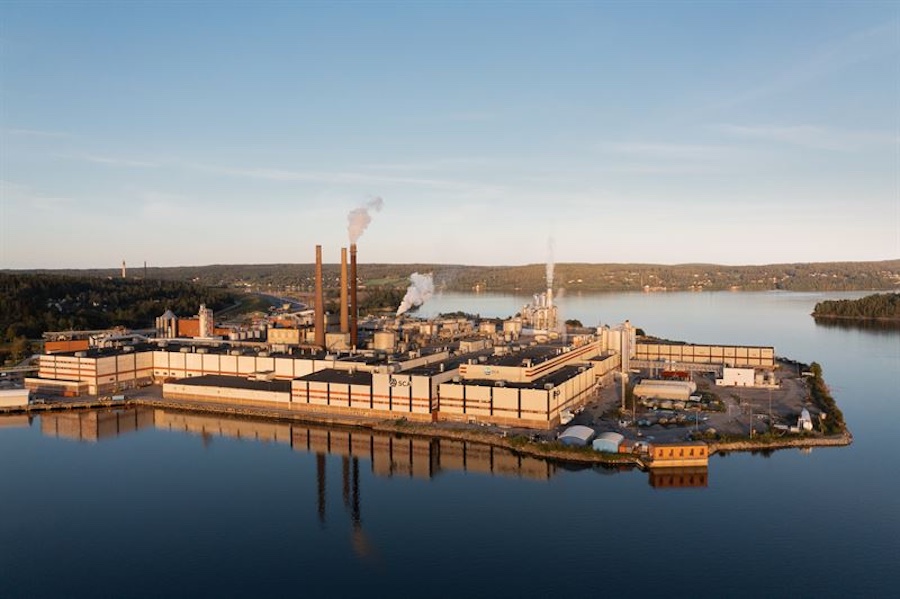
Circulose today announced its restart of commercial-scale production plant at Ortviken in Sundsvall, Sweden, marking a significant step in scaling next-generation materials for the global fashion industry. The Ortviken plant is the world’s first commercial-scale chemical textile recycling facility. Its restart demonstrates that the fashion industry is seeking ways to scale proven solutions that move beyond pilots and into commercial production.

#Recycled Fibers

Reju expands textile-to-textile recycling network with six international fabric manufacturers

Reju, a textile-to-textile regeneration company, is expanding its industrial network through collaborations with six fabric manufacturers in Europe and the Americas. The initiative aims to accelerate the integration of regenerated polyester into textile manufacturing and support the development of finished fabrics for commercial applications.

Latest News

#Digital Printing

From a bedroom startup to 3,000 designs: How Lonely Kids Club built its business with DTG printing

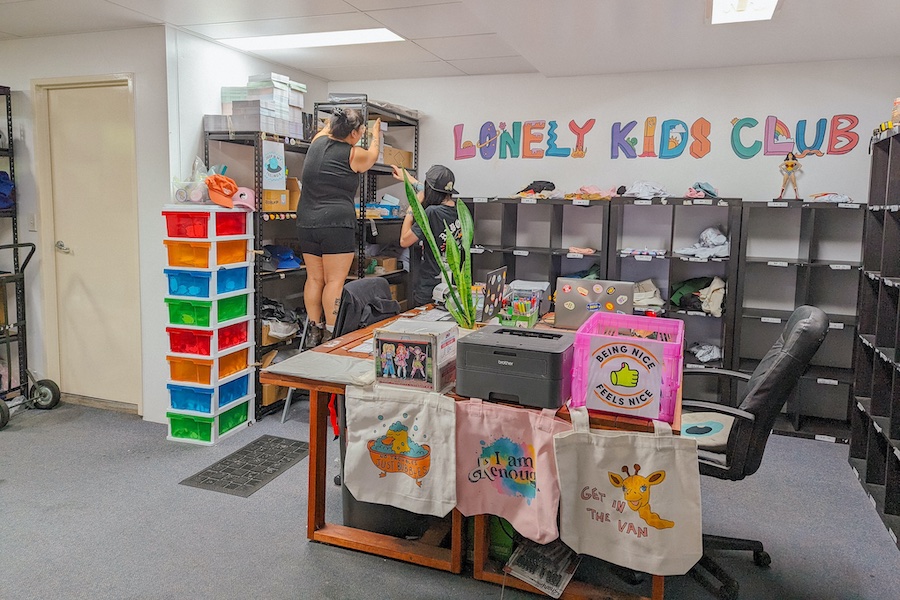
Founded in Sydney in 2011, independent clothing label Lonely Kids Club has grown from a bedroom startup into a business offering around 3,000 graphic T-shirt designs. With its own production studio, direct-to-garment printing and a demand-driven manufacturing model, the company demonstrates how smaller apparel brands can combine creative independence with flexible production – while navigating the everyday challenges of quality control, workflow efficiency and sustainability.

#India ITME 2026

India’s textile industry: Current position, growth targets and industrial development

With ambitious export targets, major investments in manufacturing infrastructure and new international trade agreements, India is pursuing a comprehensive development strategy for its textile and apparel industry. An overview of the industry’s current position, government initiatives, progress achieved and challenges ahead.

#Weaving

“A complex design is only useful if the machine can reproduce it consistently”

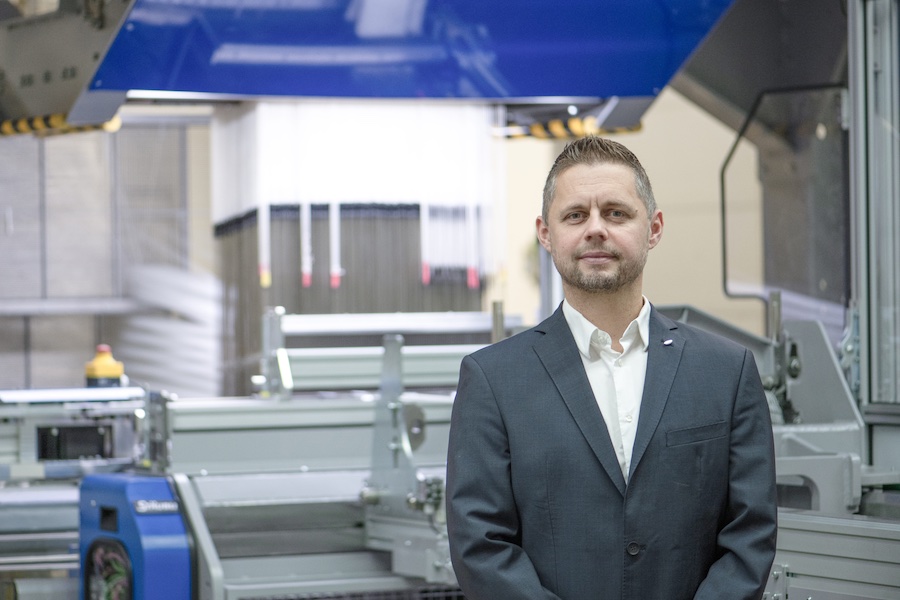
Andreas Schnabel, Head of R&D for Technical Weaving Systems at Stäubli, discusses how 3D weaving can create textile reinforcements tailored to the loads within a composite component, where near-net-shape weaving can reduce processing steps and material waste, and what it takes to produce complex structures reliably and economically. He also explains how manufacturers can adapt Stäubli’s modular TF weaving platforms to new applications and how the company’s centre of excellence in Bayreuth supports the transition from research to industrial production.

#India ITME 2026

India ITME 2026: Textile technology meets India's investment ambitions

With ambitious growth targets, government incentive programmes and industrial development initiatives already underway, India is preparing for the next stage of its textile transformation. Against this backdrop, the 12th India ITME, taking place in Greater Noida from 4 to 9 December 2026, arrives at a particularly important moment for machinery manufacturers and textile producers alike.

TOP