[pageLogInLogOut]

#Research & Development

Six innovations are nominated for the “Renewable Material of the Year 2022” award

© 2022 NOVA
One way to overcome the chemical industry's dependence on fossil fuels is to replace oil and gas with renewable carbon within the existing structures of the chemical industry. But it applies also to innovation, the development of new processes, building blocks and materials. This requires rethinking of chemistry and materials. Ready-to-use fossil-free sustainable material solutions with a low carbon footprint are in fast-growing demand. Innovative brand owners are keeping an eye out for such solutions, in particular those that will soon reach the mainstream.

Participants at the “Renewable Materials Conference” will vote for the winners

With the innovation award “Renewable Material of the Year 2022”, nova-Institute (organiser) and Covestro (sponsor) would like to award three particularly exciting and promising solutions that contribute to replacing fossil carbon from the ground. Innovations could be submitted until 15 March, and 31 were received. The Advisory Board and the nova-experts had some trouble selecting the six most exciting ones and nominating them for the award. Learn more about the six nominees in the picture and the innovation brochure “Renewable Material of the Year 2022”.

Six “Renewable Material of the Year 2022” Nominees:

Borregaard (NO) – Exilva® fibrillated cellulose / Eastman (US) – Material-to-Material Molecular Recycling Technologies / Lactips (FR) – Plastic Free PaperTM with CareTips® – a Natural Polymer to Rethink Plastic / Origin Materials (US) – Technology Platform for Producing Carbon Negative PET / Twelve Benefit Corporation (US) – Electrochemical CO2 Transformation to Chemicals and Materials and VERBIO Vereinigte BioEnergie (DE) – VerBioChem Ethenolyis Platform for Renewable Chemicals.


The innovation award is one of the highlights of the “Renewable Materials Conference”, 10th-12th May in Cologne (Germany), with 60 confirmed speakers and more than 400 expected participants. On the second conference-day, the nominated companies will present their products and all conference participants, on site and online, will vote for the three winners. This exciting competition will be decided by the participants themselves.

All information and registration are available at: http://www.renewable-materials.eu

The nova-Institute would like to thank the innovation award Sponsor Covestro (DE) and  Premium Partner CLIB (DE) for their support. Many thanks also to all Gold Sponsors Alfalaval (SE), Avantium (NL), Henkel (DE), GS Biotech (CN), IFF (US), Neste (FI), UPM Biochemicals (FI), Sorona (NL) and Sugar Energy (CN), Silver Sponsors FKUR (DE), Renolit (DE) and Suncoal (DE) and last but not least Bronze Sponsor Cargill (US).


More News from TEXDATA International

#Digital Printing

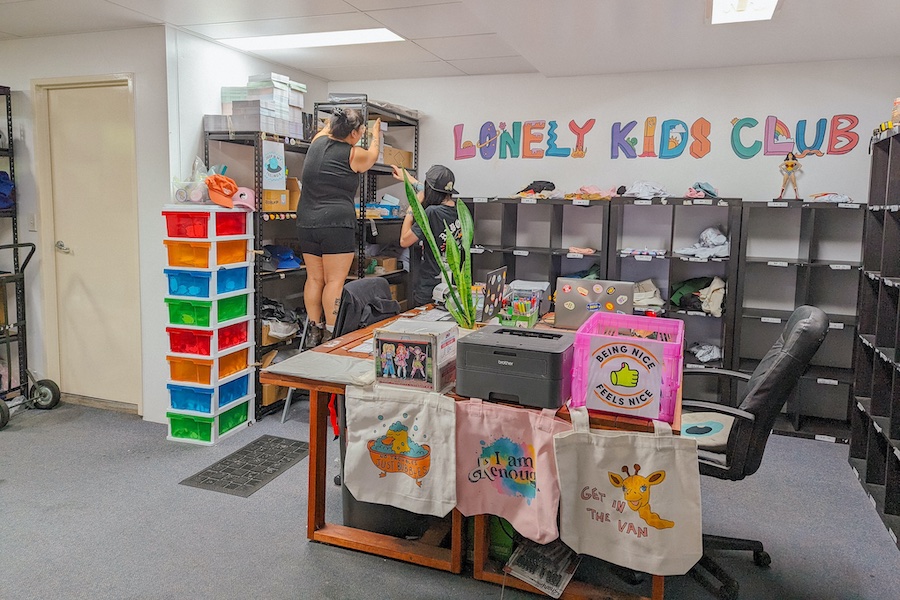
From a bedroom startup to 3,000 designs: How Lonely Kids Club built its business with DTG printing

Founded in Sydney in 2011, independent clothing label Lonely Kids Club has grown from a bedroom startup into a business offering around 3,000 graphic T-shirt designs. With its own production studio, direct-to-garment printing and a demand-driven manufacturing model, the company demonstrates how smaller apparel brands can combine creative independence with flexible production – while navigating the everyday challenges of quality control, workflow efficiency and sustainability.

#India ITME 2026

India’s textile industry: Current position, growth targets and industrial development

With ambitious export targets, major investments in manufacturing infrastructure and new international trade agreements, India is pursuing a comprehensive development strategy for its textile and apparel industry. An overview of the industry’s current position, government initiatives, progress achieved and challenges ahead.

#Weaving

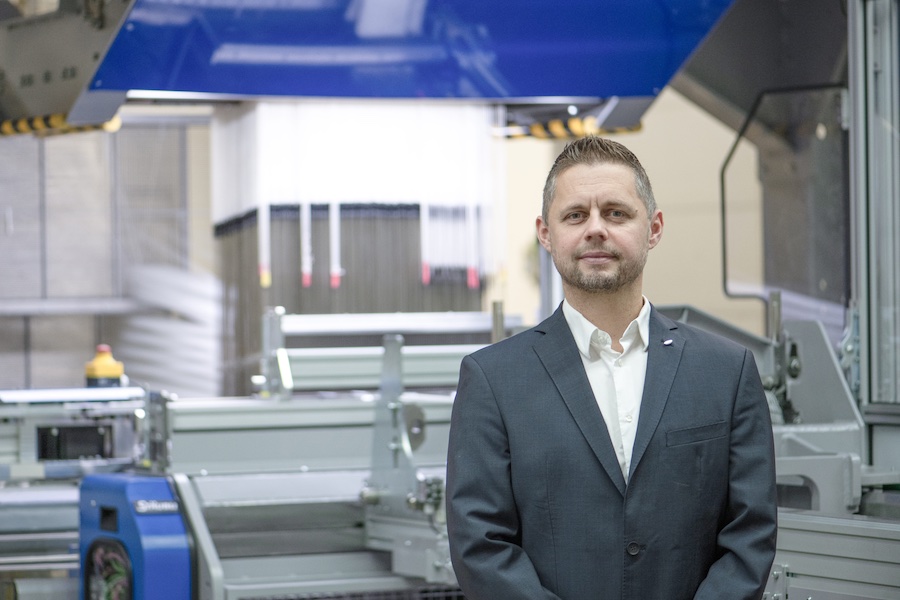
“A complex design is only useful if the machine can reproduce it consistently”

Andreas Schnabel, Head of R&D for Technical Weaving Systems at Stäubli, discusses how 3D weaving can create textile reinforcements tailored to the loads within a composite component, where near-net-shape weaving can reduce processing steps and material waste, and what it takes to produce complex structures reliably and economically. He also explains how manufacturers can adapt Stäubli’s modular TF weaving platforms to new applications and how the company’s centre of excellence in Bayreuth supports the transition from research to industrial production.

#India ITME 2026

India ITME 2026: Textile technology meets India's investment ambitions

With ambitious growth targets, government incentive programmes and industrial development initiatives already underway, India is preparing for the next stage of its textile transformation. Against this backdrop, the 12th India ITME, taking place in Greater Noida from 4 to 9 December 2026, arrives at a particularly important moment for machinery manufacturers and textile producers alike.

More News on Research & Development

#Research & Development

Empa develops liquid-core fibre for insecticide-treated mosquito nets

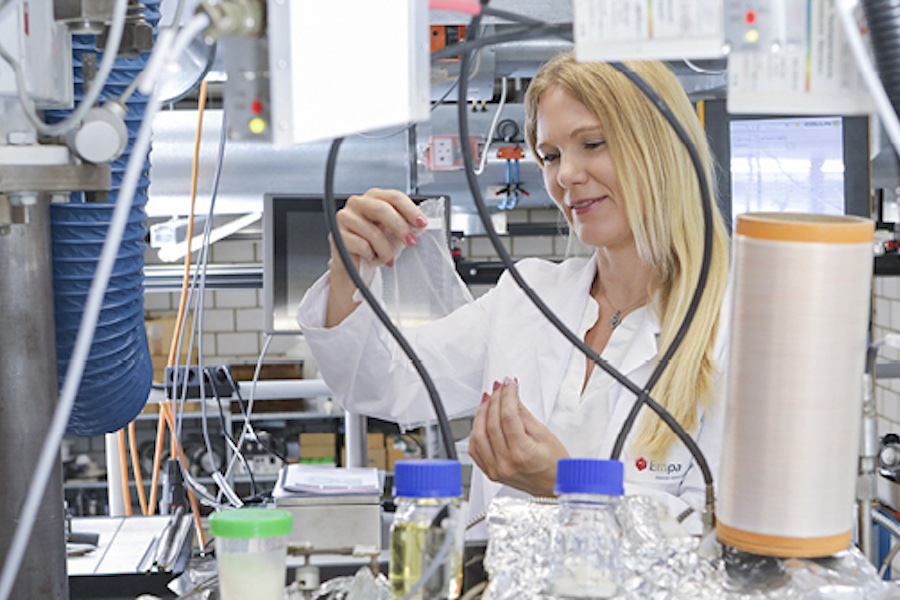
Empa researchers have developed a liquid-core fibre for mosquito nets that can incorporate insecticides unsuitable for conventional melt spinning. The fibre gradually releases the active ingredient through a polymer sheath. The team developed and tested the yarn over three years in the Innosuisse project MalCoFil with Swiss industry partners Vestergaard and Monosuisse.

#Research & Development

ITA spin-off TERNAfil wins third place at KUER.NRW 2026 with MAXCarbon technology

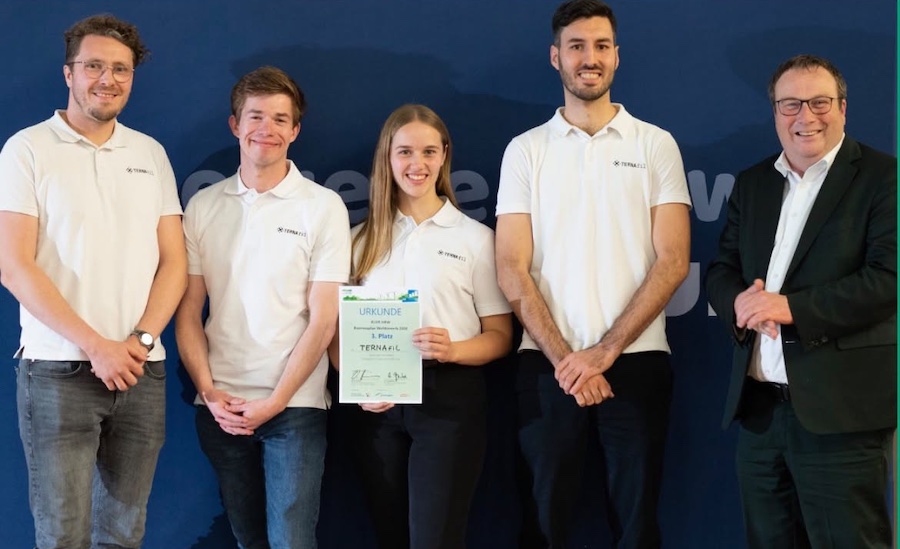
The Aachen-based ITA spin-off TERNAfil GmbH has secured third place in the KUER.NRW Business Plan Competition 2026 with MAXCarbon, an innovative carbon-ceramic hybrid fibre developed for applications in the hydrogen economy. The technology combines the mechanical properties of carbon fibres with the thermal and corrosion resistance of ceramic materials.

#Research & Development

DITF develops bio-based binding fibers for wood-fiber insulation materials

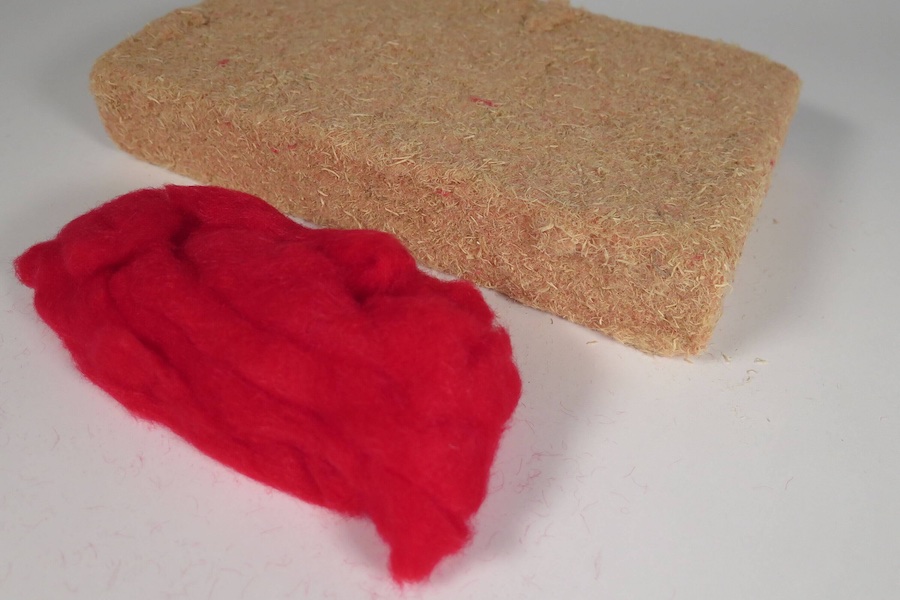
As part of the CelluWoodFlex project, the German Institutes of Textile- and Fiber-Research in Denkendorf (DITF) are developing bio-based cellulose ester fibers as alternative binding fibers for flexible wood fiber insulation materials. In addition to the spinning process and the production of suitable staple fibers, the institute is also investigating how wood and cellulose fibers can be separated and recycled at the end of their useful life.

Latest News

#ITMA Asia + CITME 2026

ITMA ASIA + CITME 2026 opens in Shanghai, showcasing intelligent and sustainable textile manufacturing

ITMA ASIA + CITME 2026 opened today at the National Exhibition and Convention Center in Shanghai, bringing the global textile machinery industry together from 20 to 24 November.

#Associations

Christoph René Holler to succeed Uwe Mazura as managing director of textil+mode

Christoph René Holler will take over as managing director of textil+mode, the German textile and fashion industry confederation, on 1 January 2027. He succeeds Uwe Mazura, who has led the association for 13 years and will remain in charge of collective bargaining policy through the next round of negotiations before retiring.

#Heimtextil 2027

Heimtextil and The Florentin showcase the role of textiles in hotel design

Heimtextil has partnered with Frankfurt hotel The Florentin by Althoff Collection for its new Interior.Architecture.Hospitality campaign. The collaboration will give architects, interior designers and other contract-sector professionals a closer look at how textiles were used in the hotel. The two studios behind the project will discuss their work at Heimtextil on 14 January 2027 in Hall 4.1.

#EU Textile Strategy

EU Commission proposes advanced materials agenda with targets for 2035

The European Commission has proposed an Advanced Materials for Europe agenda to accelerate the development, production and adoption of safer and more sustainable advanced materials. The proposal sets three benchmarks for 2035 and calls for closer coordination among EU member states to help move new materials from the laboratory into industrial production.

TOP