[pageLogInLogOut]

#Recycling / Circular Economy

Dyntex puts its first functional textiles made of recycled car tyres on the market
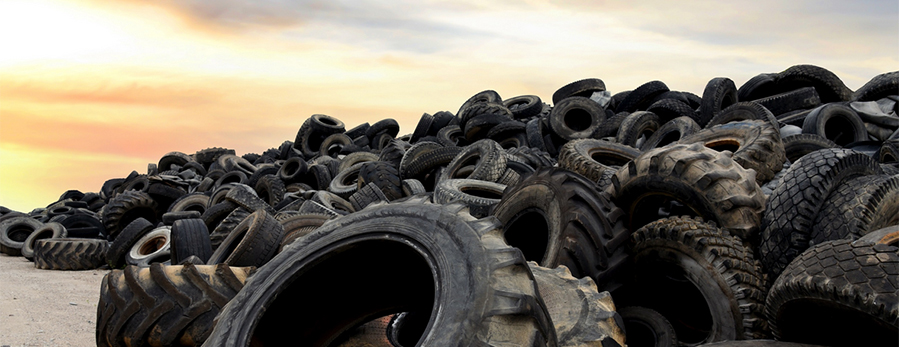
Dyntex launches functional textiles made from recycled car tires. © 2022 Dyntex
Dyntex, a developer and manufacturer of functional materials based in Bregenz, Austria, offers premium fabrics made from recycled car tyres. Using its innovative thermochemical process, it recovers a polyamide polymer from old tyres. This polyamide polymer is made into a fine yarn and then processed to make an ultralight, functional fabric. There is great interest in the sustainable material.

Ultralight fabrics made of post-consumer recycled (PCR) material contribute to sustainability

Quality fabrics made of old car tires: Using a new thermochemical process, the company obtains a pyrolysis oil from shredded tires and makes a polyamide polymer from that oil. The raw material consists of post-consumer recycled (PCR) material and is processed into yarn in Italy.

Working with specialists from Japan and Italy, Dyntex has developed ultralight, high-tech functional textiles from the yarn. The newly developed collection includes eight different fabrics, with the lightest weighing just 36 grams per square metre. Featuring a special look and feel, they are ideal for adding a fashionable touch to sportswear and functional apparel. These fabrics are available to purchase right now.

Alexander Gächter - Dyntex © 2022 Dyntex


Low on resources and high-grade?

‘We take materials that have become unusable and bring them back into the circular economy. They barely need any fossil resources in production, which means they achieve a massive carbon footprint reduction,’ explains Alexander Gächter, Head of Sales at Dyntex.

The recycled fabrics meet the same high standards that fabrics made of newly produced polyamide do. Like all Dyntex functional fabrics, they are water-repellent, breathable, fluorocarbon-free and highly long-lasting even under heavy usage. Consequently, the new textiles are ideal for sports- and lifestyle fashion as well as workwear.


A growing market for sustainable fashion

?The market for sustainable fashion has been growing strongly for years now. Accordingly, there is high demand for functional fabrics made of recycled material. Dyntex is one of the pioneers in this field, as this company from the Alps put the world’s first functional textiles made of biosynthetic yarn (Dyntex® Biological Origin) and biodegradable fabric (Dyntex® Biodegradable) on the market back in 2020.

‘Our sustainable, functional textiles caused a commotion in the industry two years ago. Our collection that uses recycled car tires as a base material is going to be another milestone,’ says Gächter confidently, ‘This innovation shows the edge that we have in developing and producing environmentally friendly, functional textiles.’


Ultra-light Dyntex fabrics made from post-consumer recycled material (PCR) © 2022 Dyntex


More News from TEXDATA International

#Techtextil 2026

Performance Apparels: Functional textiles drive innovation at Techtextil 2026

From high-performance fibres and advanced membranes to smart textiles and sustainable material concepts – functional apparel is becoming one of the most dynamic innovation fields in technical textiles. At Techtextil 2026, exhibitors demonstrate how new materials, finishing technologies and digital functions are shaping the next generation of protective, workwear and outdoor systems.

#Texprocess 2026

Texprocess 2026: Automation, digitalisation and AI reshape textile processing

Investment decisions in textile processing have become increasingly complex. Rising energy prices, labour shortages and geopolitical uncertainties are forcing companies to prioritise technologies that deliver measurable improvements in efficiency and process stability. This applies not only to apparel production, but also to the processing of technical textiles and high-performance materials. Modernisation projects are therefore being evaluated more selectively – but the pressure to upgrade production systems continues to grow. Texprocess 2026 reflects this tension between cautious investment behaviour and increasing technological demand.

#Techtextil 2026

Textile Chemicals & Dyes: Innovation in Textile Chemistry moves into focus at Techtextil 2026

From PFAS-free finishes and water-saving dyeing technologies to advanced coatings and recycling-compatible formulations, innovation in textile chemistry is accelerating across the industry. Reflecting this development, Techtextil 2026 introduces Textile Chemicals & Dyes as a dedicated product segment, highlighting the growing role of chemical solutions in shaping the next generation of technical textiles.

#Recycling / Circular Economy

textile.4U publishes special edition “Top 100 Textile Recycling Companies 2025”

With a comprehensive 176-page special edition, textile.4U is dedicating its latest issue entirely to one of the most dynamic and influential topics in today’s textile industry: textile recycling. The new issue, published exclusively in high-quality print, presents the Top 100 textile recycling companies researched and selected by TexData – organizations that already play a key role in the transition to circular textiles or are expected to have a significant impact in the near future.

More News on Recycling / Circular Economy

#Recycling / Circular Economy

ABB and Syre partner to explore technologies for industrial-scale textile recycling

ABB has signed a Memorandum of Understanding (MoU) with Swedish textile impact company Syre to jointly explore technologies to support the development of Syre’s first textile-to-textile recycling plant in Vietnam. The agreement establishes a framework for collaboration to investigate how ABB’s automation, electrification and digital technologies could contribute to safe, efficient and scalable operations. It will also explore how these capabilities could further optimize process and quality control performance as Syre advances its ambition to produce circular polyester at industrial scale.

#Recycling / Circular Economy

Advanced Recycling Conference 2026 to showcase innovations – Call for abstracts

The call for abstracts is now open for the Advanced Recycling Conference (ARC) 2026, taking place on 17–18 November 2026 in Cologne, Germany, and online. Europe’s leading platform for advanced recycling brings together hands-on solutions and cutting-edge research on recycling technologies for various waste streams like plastics, polymers, textiles or automotive, highlighting progress towards a circular renewable carbon economy.

#Recycling / Circular Economy

Reconomy joins leading alliance to accelerate textile recycling in Europe

Reconomy, the international circular economy specialist, announces that it has joined ReHubs, a leading alliance dedicated to accelerating the transition to a circular textile economy across Europe.

#Recycling / Circular Economy

Circ awarded on TIME’s America’s Top GreenTech Companies 2026 list

Circ has been awarded on TIME’s list of America’s Top GreenTech Companies 2026. This prestigious award is presented by TIME and Statista Inc., the leading statistics portal and industry ranking provider. The award list was announced on March 25th, 2026, and can be viewed on TIME’s website.

Latest News

#Techtextil 2026

From Nature Performance to Circular Economy: Techtextil 2026 focuses on the future market for technical textiles

Alternative materials and recycling technologies are one of the most important future segments and drivers of innovation in technical textiles. Sustainability goals and regulatory requirements increase their relevance, while advances in performance and economic viability enhance their market competitiveness. Taking place from 21 to 24 April 2026, Techtextil reflects this key industry trend with a growing number of specialised exhibitors. With the new “Nature Performance” label, the leading global trade fair bundles relevant market offerings and facilitates access to new solutions – from natural fibres and yarns to bio-based materials and circular approaches.

#Research & Development

Textile cascade filter for removing microplastics from wastewater

Microplastics are now found almost everywhere, even in remote regions of Antarctica. They enter the human body through the food chain. Studies indicate that microplastics may have negative effects on the human health.

#Textile processing

Jeanologia showcases the future of product development

Jeanologia is showcasing how software is transforming product development in the fashion industry at PI Apparel Europe: The Fashion Technology Show, taking place on March 30–31 in London.

#Techtextil 2026

Groz-Beckert showcases cross-segment innovations for technical textiles in Frankfurt

From April 21 to 24, 2026, Groz-Beckert will present its latest innovations and solutions across the product areas of knitting, weaving, nonwovens and sewing at Techtextil 2026 in Frankfurt (Hall 12, Booth B90).

TOP