#Natural Fibers
Cotton made in Africa partners receive top marks in independent verifications
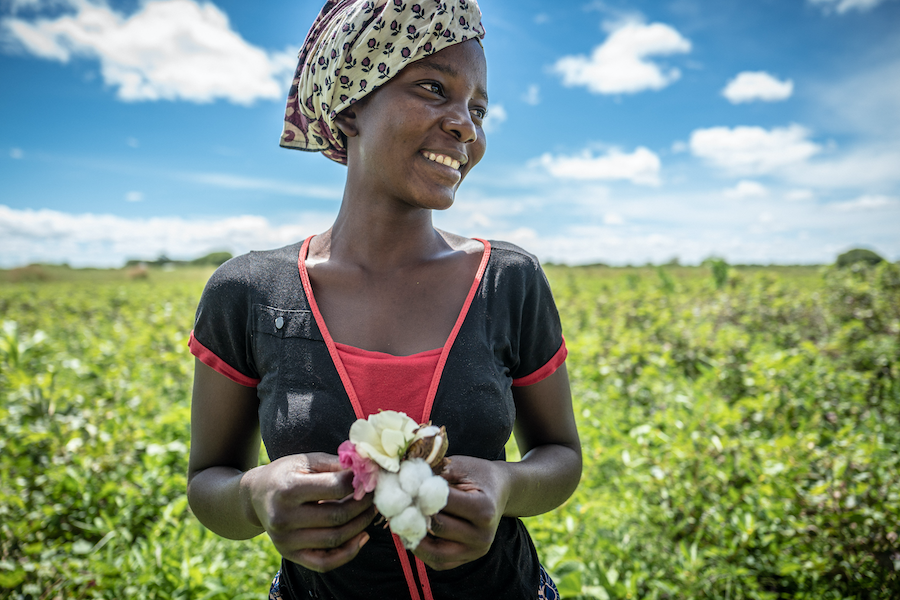
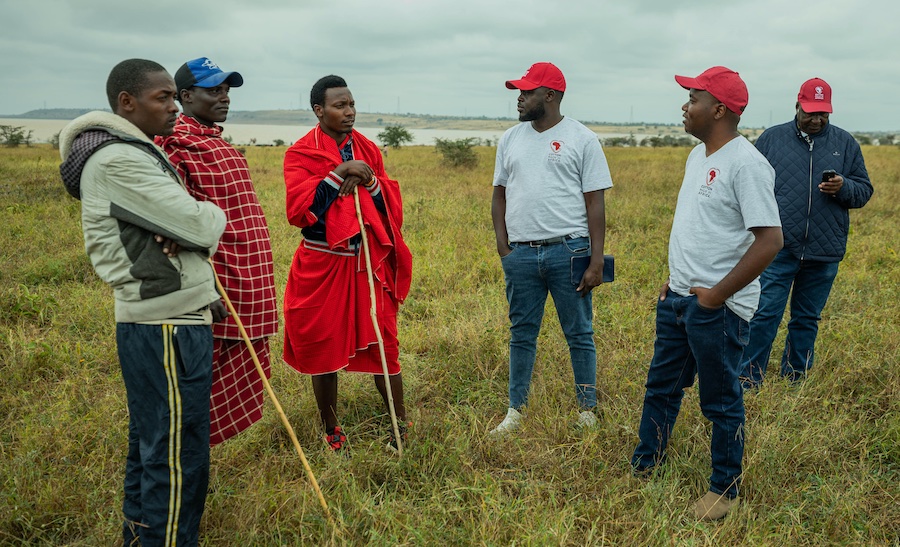
In 2025, 24 verification missions took place at 20 cotton companies in ten production countries in Africa South of the Sahara. Of these verifications, twelve were at the field level and twelve at the ginnery level, where the harvested cotton is prepared for further processing. The verifications focussed on the four main pillars of the CmiA standards’ sustainability aspects: management, people, planet, and prosperity.
Verifications completed with top marks
Compliance with minimum requirements and progress of sustainability performance are regularly checked through independent, on-site verifications. The 2025 Aggregated Verification & Implementation Report summarises these results, regarding the twelve principles and 288 indicators, for all partners. It clearly shows that the implementation of these criteria by partnering companies, both in the fields and in their businesses, earned a rating of “very good” for all pillars. The best results were achieved in the prosperity pillar, with the management pillar following at its heels. This was followed by the remaining pillars: people and planet.
“These results bear out our principle of consistently assisting partners in implementing the standards’ requirements through diverse approaches. Only close cooperation—as equals and on site—makes these results possible,” says Ruth Achterwinter, the CmiA verification manager at the Aid by Trade Foundation, adding, “The verifications are carried out on an ongoing basis by independent and qualified organisations. We make targeted use of the results to support our partners as needed.”
Success factors: Training and projects for cotton smallholders, events conducted with partners
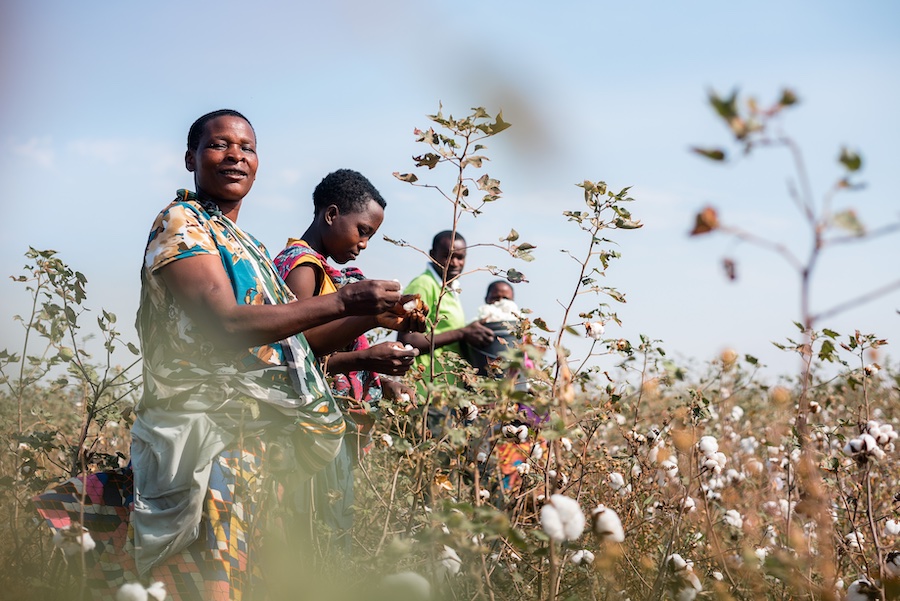
In 2025, training once again offered valuable support to the approximately 715,000 CmiA farmers (almost 43,000 of whom are producers of CmiA Organic cotton) in implementing the standard’s requirements. The range of topics covered by the training is broad, ranging from best practices in climate-resilient cotton production to empowering women to methods for soil improvement.
In addition, the report demonstrates that the achievement of trustworthy and comprehensive cooperation between AbTF and its partners is based on projects and regular events; these include the Innovations Club, regional workshops, and collaboration with international cotton representatives and stakeholders.
Learn more about the Verification Report