#Natural Fibers
Human Rights Day: Cotton made in Africa reinforces its commitment to ensuring respect for human rights in cotton production
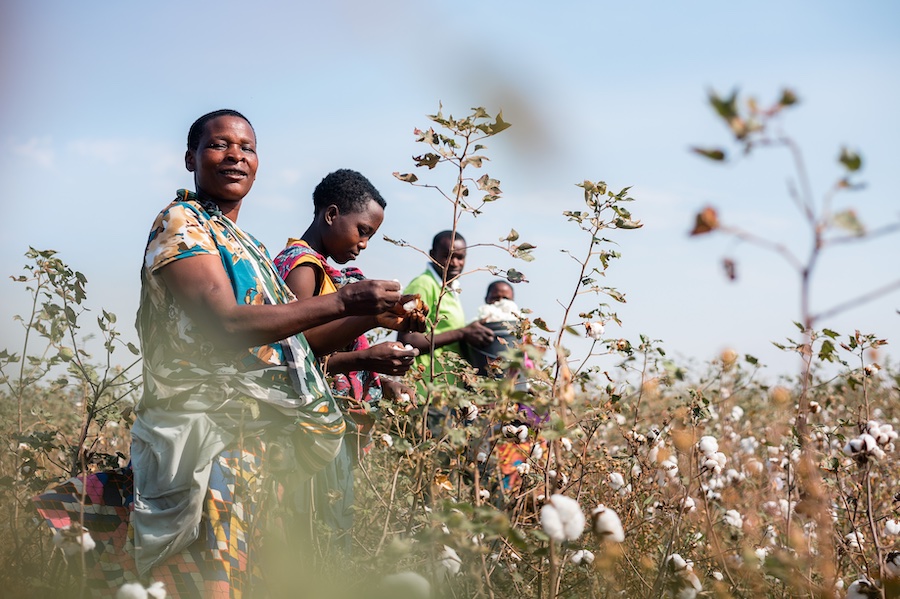
Going forward, CmiA-verified cotton companies will be expected to comply with extensive obligations to monitor, report, and undertake corrective action with regard to both human rights and environmental protection. For fashion brands and textile companies that use CmiA cotton, this offers greater assurance in terms of due diligence and sustainability reporting.
For all partners in the production regions, human-rights compliance is evaluated as part of the independent verifications conducted for Cotton made in Africa at both the field and ginnery levels. With the new version of the CmiA Standard coming into force in 2026, the obligation to respect human rights is becoming an integral part of the standard’s requirements.
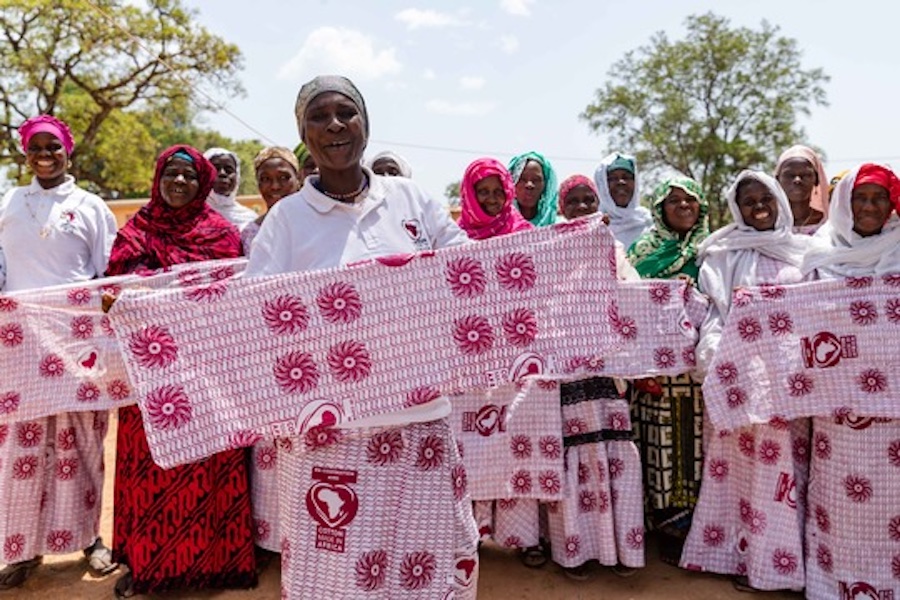
CmiA’s partner companies must ensure that training and other farm and ginnery level activities are inclusive and accessible to all. In future, training programmes will be designed and implemented in a way that promotes the participation of women, young people, and vulnerable groups and takes their needs into consideration.
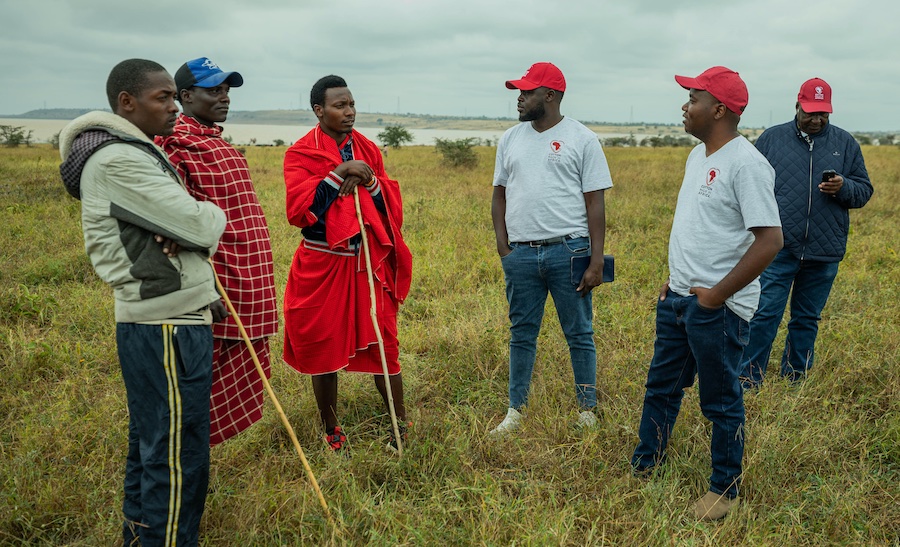
Cotton companies will also be required to introduce a monitoring and reporting system to assess risks related to human rights, to production-related environmental damage, and to non-compliance with CmiA’s core indicators. As part of these efforts, cotton companies will engage with all relevant interest groups, such as farmers, workers, NGOs, and village communities.
Truly sustainable cotton production can only be achieved through consistent commitment to human rights and to the right to a healthy environment. In this way Cotton made in Africa is now reinforcing its more than two decades of commitment to promoting sustainable cotton production. “Especially today, on Human Rights Day, we are thrilled to note that Cotton made in Africa, through its intensive focus on human rights and environmental protection, will contribute even more to improving living conditions in the production regions in future,” says Alexandra Perschau, the head of standards and outreach at the Aid by Trade Foundation, adding, “We are pleased to be launching this upgrade after intensive and productive consultations, especially with our partners in the growing areas, and are convinced that the revised Cotton made in Africa Standard will provide valuable support for fashion brands and textile companies in meeting their reporting obligations.”