#Recycling / Circular Economy
German 'ZOLL' turns end-of-life uniforms into valuable raw materials
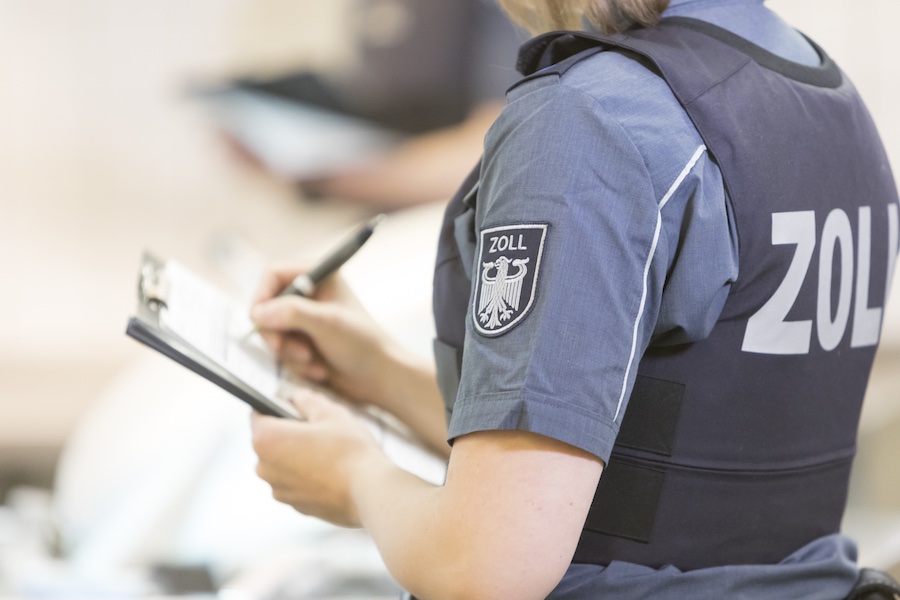
Around 25,000 employees of the German Customs Administration wear official service uniforms. When these garments reach the end of their service life, they do not automatically become waste. Since 2022, approximately 40,000 kilograms of end-of-life uniforms have been collected and returned to the textile value chain through CWS Workwear's return2you programme. The initiative demonstrates how resource conservation and economic efficiency can go hand in hand.
By reusing, recycling and repurposing worn-out uniforms, the German Customs Administration can achieve considerable annual cost savings while extending the use of valuable raw materials and reducing textile waste.
Together with its textile service provider CWS Workwear, Customs has therefore adopted a circularity concept that extends the life cycle of service garments well beyond their initial use. The objective is to keep materials in circulation for as long as possible while creating new recovery pathways for end-of-life textiles.
Circularity instead of disposal
Through the return2you programme, which has returned around 40,000 kilograms of workwear to the textile value chain since 2022, the German Customs Administration is embracing reuse, recycling and material recovery for end-of-life uniforms.
The garments are designed with sustainability in mind from the outset. After use, they are returned via internal collection points, creating transparent pathways for reuse and recycling while contributing to resource conservation.
Depending on their condition, the garments follow different recovery routes:
Refurbishment and repair: Suitable garments are cleaned, repaired and returned to service.
Fibre-to-fibre recycling: Recyclable materials are processed into fibres and used to manufacture new textile products.
Alternative material recovery: Textiles that cannot be reused or recycled into high-value textile applications are directed to other material recovery processes, for example for the production of insulation materials.
A model for a more sustainable textile economy
Particularly in the field of workwear, where garments are used in large volumes, circular economy concepts offer considerable potential for reducing resource consumption and preventing waste.
The German Customs Administration's initiative serves as an example of responsible textile management in the public sector. Through return2you, the authority demonstrates how end-of-life service uniforms can become valuable raw materials for new applications instead of being discarded as waste.
Photo caption: Together with its textile service provider CWS Workwear, the German Customs Administration has implemented a circularity concept that extends the life cycle of service uniforms beyond their initial use. The goal is to keep materials in circulation for as long as possible while creating new recovery pathways for end-of-life textiles. (© German Customs Administration)