#Denim
Cone Denim to introduce COLOURizd™ sustainable color technology at Kingpins Amsterdam
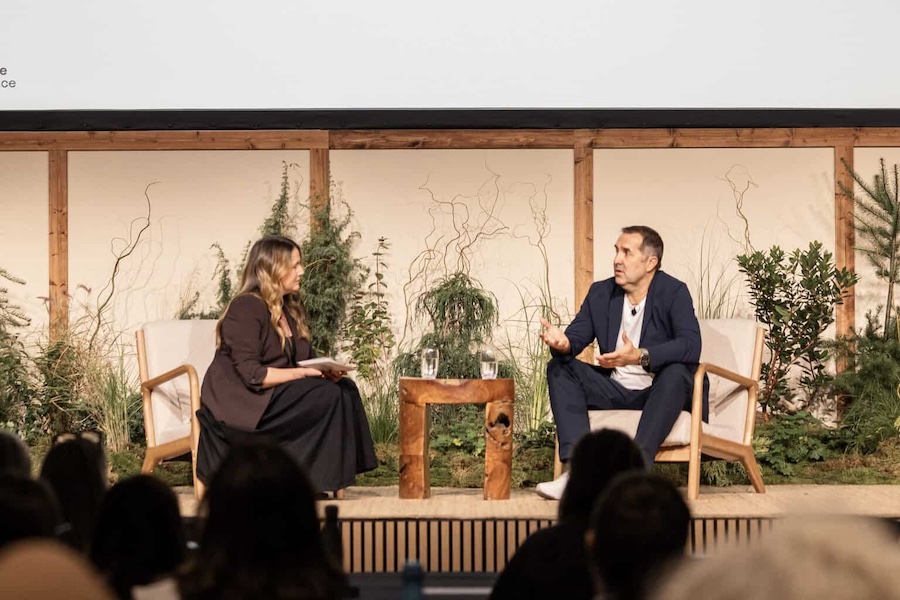
“Cone Denim is excited to launch this unique innovative color technology,” said Cone Denim Director of Innovation Caitlyn Holt. “Not only is this a first for Cone, but it is new to the industry. This technology will allow us to have a quantifiable impact with unprecedented natural resource savings per yard produced.”
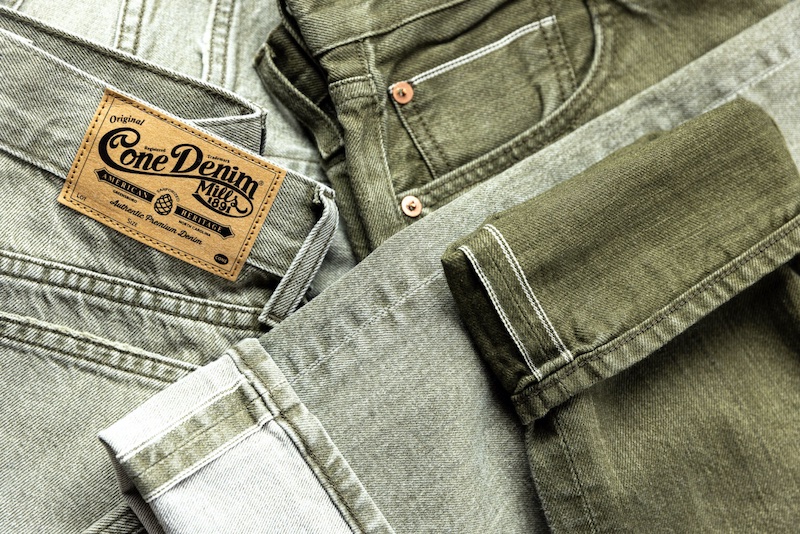
COLOURizd’s revolutionary QuantumCOLOURTM?technology transforms textile coloration by directly infusing pigments and a binder into the yarn fibers. This advanced process enhances the yarn with vibrant colors, can create visual texture, and also eliminates the need for traditional dye baths and lengthy wet processing. By doing so, it significantly reduces environmental impact, paving the way for a new era in sustainable fashion. It is bleach-safe and provides excellent shade matching and color consistency.
“At COLOURizd, we’re not just changing the way we color textiles; we’re redefining the future of sustainable fashion,” said Jennifer Thompson, CEO of COLOURizd LLC. “Our partnership with Cone Denim showcases the power of COLOURizd’s QuantumCOLOUR technology to revolutionize textile coloration. Together, we are proving that sustainability and vibrant fashion can go hand-in-hand, paving the way for a greener industry.”
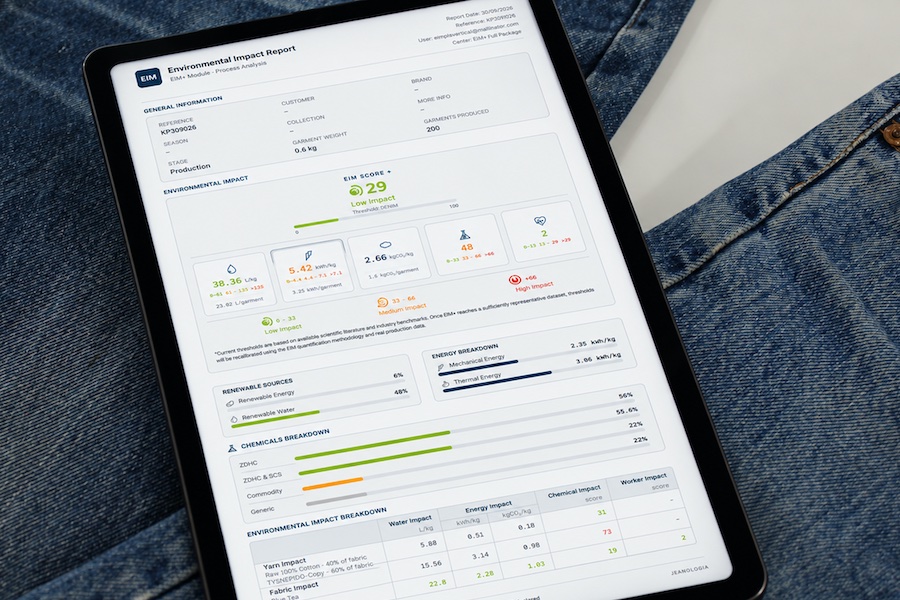
The technology is part of Cone Denim’s Sustainblue™ Collection, an environmentally friendly start-to-finish approach for making responsible denim. Compared to conventional reactive dyeing processes, COLOURizd technology allows for a 50% reduction in energy use at the dyeing process, a 73% reduction in carbon footprint, and a 98% reduction in water usage at the dyeing process.
COLOURizd will be featured in Cone Denim’s Community Collection Forest Conservation fabrics supporting the Rainforest Alliance. Created in 2019, the Cone Community Collection of fabrics are designed to support and raise awareness for worthy causes that align with the values and soul of Cone Denim®.
The Rainforest Alliance solves urgent environmental and social challenges by fighting deforestation and climate change, building economic opportunities, and improving working conditions for rural people. The team works to conserve critically important forests and cultivate more sustainable livelihoods through sustainable agriculture training, certifications, and landscape projects in more than 60 countries worldwide.
Cone’s Forest Conservation denim is the fifth to launch in the Cone Community Collection. Made from Cone Denim selvage, this launch features fabrics with a green shade promoting forest conservation awareness. A portion of total sales (yards) from these fabrics will be donated to the Rainforest Alliance.
Holt continued, “With the combined inspiration of raising forest conservation awareness and beautiful forest shades, we created a capsule collection of authentic Cone Deeptone Selvage in a unique green color. This capsule and partnership allow us to continue our commitment to sustainable practices that define the foundation for our vision of tomorrow.”