[pageLogInLogOut]

#Research & Development

GenuTrace client advisory: Is your cotton supply chain UFLPA ready?

U.S. Customs and Border Protection has released updated operational guidance (CBP Publication No. 5560-0526) expanding its forced labor enforcement framework. The guidance supersedes the original 2022 UFLPA Operational Guidance and now covers all forced labor enforcement authorities — UFLPA, CAATSA, and WROs/Findings — in a single unified document. For cotton importers, the enforcement posture has not softened. It has become more structured, more documented, and more demanding. Learn more about UFLPA.

Cotton is a named high-priority sector

Cotton and cotton products are explicitly identified as a high-priority sector for UFLPA enforcement. CBP expects documentation tracing every stage of the supply chain — from bale-level fiber origin through ginning, spinning, fabric production, dyeing and finishing, garment assembly, and export. A single undocumented supplier tier is sufficient grounds to deny entry. Can you prove the origin of your cotton?

Isotopic testing: Now an expected tool

The updated guidance dedicates an entire appendix to isotopic testing and references it explicitly as a tool CBP supports for origin determination and due diligence.

For cotton, isotopic testing identifies the geographic fingerprint of the fiber based on growing environment, providing an independent, science-based verification layer that document trails alone cannot replicate. Isotope testing vs DNA tagging: what brands should know.

CBP does not endorse any specific testing provider. Importers are free to select the lab that best meets their needs. However, CBP is explicit: testing should be integrated early in a compliance program, not deployed reactively after a detention notice arrives.

What Importers Must Have Ready

  • Bale-level cotton origin documentation
  • Full supply chain map from fiber to finished product
  • Transaction records at every tier: purchase orders, invoices, proof of payment, bills of lading
  • Identification of every entity involved, including sub-suppliers
  • Isotopic testing results where applicable
  • A documented due diligence system with supplier code of conduct, audits, and remediation protocols


For a deeper look at how physical and digital verification work together in a defensible compliance package, see Genuine Cotton Traceability: Proving Cotton Origin with Physical & Digital Verification.

The 30-day clock is unforgiving

When a shipment is detained under UFLPA, importers have 30 days to respond with a maximum of two extensions not to exceed 90 days total. The response must include comprehensive supply chain tracing documentation. Affidavits alone are not accepted. All foreign-language documents must be translated. The burden of proof is clear and convincing evidence.

The risk of inaction

Goods detained under UFLPA cannot enter U.S. commerce until the importer demonstrates admissibility. Goods excluded must be exported or destroyed within 180 days. Storage costs throughout the review period are the importer's responsibility. A shipment that clears today on the same supply chain documentation may not clear tomorrow.


More News from Cotton Council International

#Natural Fibers

COTTON USA™ leads global shift toward sustainable sourcing at Bangkok Sourcing Fair

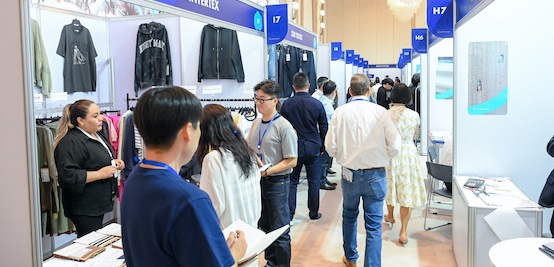
COTTON USA™ strengthened its position as a global connector in sustainable U.S. cotton textile sourcing at its recent Sourcing Fair in Bangkok, Thailand, drawing over 300 top brand, retailer, manufacturer, and mill representatives from 13 countries.

#Natural Fibers

Global cotton industry converges in Guangzhou as Cotton Council International (Cci) champions U.S. Cotton’s sustainability

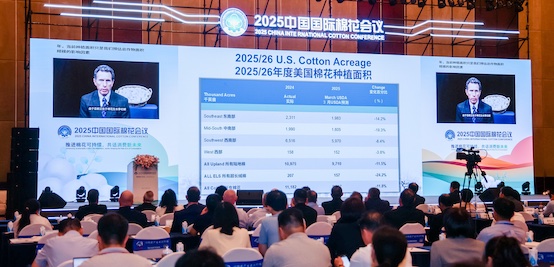
Cotton Council International (CCI) joined nearly 400 industry leaders at the 2025 China International Cotton Conference in Guangzhou to engage in critical discussions on the future of cotton.

#Natural Fibers

Indian textile leaders explore U.S. cotton’s advantages at Cotton Usa™ seminars

Cotton Council International (CCI) hosted its inaugural COTTON USA™ seminars in Ahmedabad and Hyderabad, highlighting the competitive advantages of U.S. cotton to nearly 100 representatives from Indian textile mills. The events are part of the growing collaboration between the U.S. cotton industry and India’s textile sector.

#Natural Fibers

Innovative sustainable fashion leader Liz Hershfield named Cotton Council International (CCI) Executive Director

Fashion industry veteran and sustainability expert Liz Hershfield will lead Cotton Council International (CCI), the export promotion arm of the National Cotton Council of America (NCC), as its new Executive Director. Hershfield succeeds Bruce Atherley, who retired at the end of March.

More News on Research & Development

#Research & Development

TERNAfil wins first place at PitchMiUp Night 2026 in Minden

The RWTH spin-off TERNAfil has developed MAXCarbon, a new high-performance hybrid fibre that combines the mechanical performance of carbon with the temperature and corrosion resistance of ceramic materials. For this development, TERNAfil was awarded first prize at the PitchMiUp Night in Minden on 21 May 2026.

#Research & Development

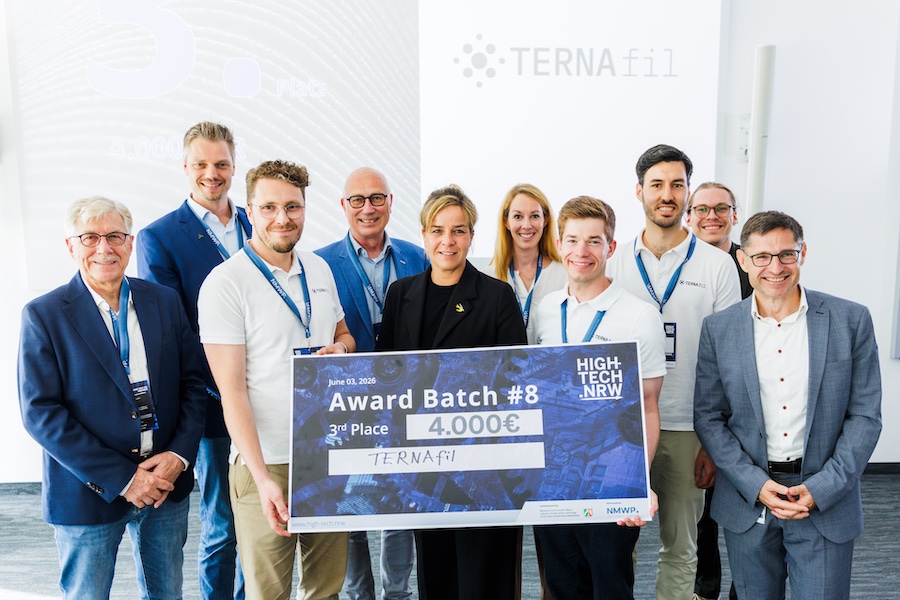
Carbon-ceramic hybrid fibre proves its worth – NRW Minister for Science Mona Neubaur congratulates ITA start-up TERNAfil

MAXCarbon technology, a novel carbon-ceramic hybrid fibre developed by ITA spin-off TERNAfil, secured third place at the HIGH-TECH.NRW Demo Day on the TÜV NORD campus in Essen. The technology combines the strength of carbon fibres with the temperature and corrosion resistance of ceramic materials. Mona Neubaur, Minister for Science in North Rhine-Westphalia, congratulated the team on their success and on winning prize money of 4,000 euros.

#Research & Development

“Production is a product”

From technical textiles and AI-driven robotics to the limitations of textile circularity: Professor Dr Thomas Gries looks back on more than two decades of development at ITA Aachen. In the interview, he explains why production technology remains a decisive success factor, discusses international collaborations and innovation ecosystems, and shares his views on the transformation of production landscapes and the challenges facing an increasingly regulated industry.

#Research & Development

TCLF: Resilient value chains in times of crises

The textiles, clothing, leather and footwear (TCLF) industry was at the centre of the webinar “Resilient value chains in times of crises”, which took place on 28 April 2026. Global supply chains continue to face increasing pressure, raw material dependencies are growing and economic uncertainties are affecting the entire sector.

Latest News

#Carpets

DOMOTEX Hannover 2028 off to a strong start with expanded portfolio

Preparations for DOMOTEX 2028 are already gaining strong momentum. Following its successful repositioning as the Home of Flooring & Interior Finishing, around 100 international manufacturers have already secured their place during the initial registration phase.

#Knitting & Hosiery

STOLL: Agreement signed for the divestiture of selected assets

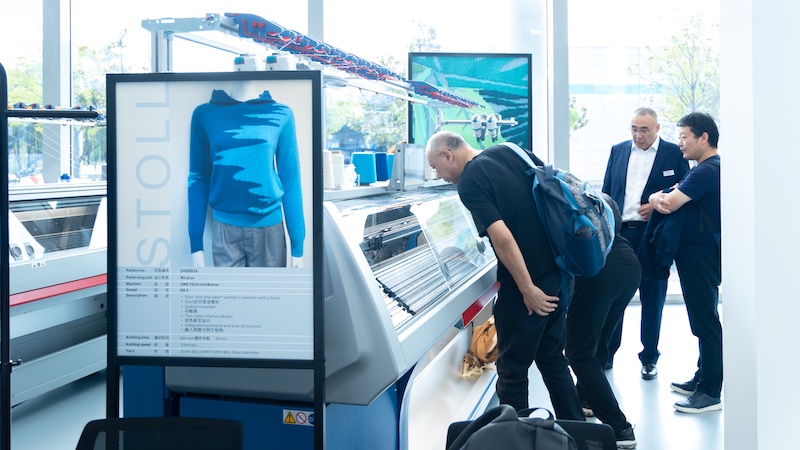
In early 2025, KARL MAYER announced its strategic decision to focus on its core business areas of WARP KNITTING, WARP PREPARATION, and TECHNICAL TEXTILES. As part of this move, the flat knitting machine business under the STOLL brand was discontinued and the production site in Reutlingen was closed in October 2025.

#Nonwovens

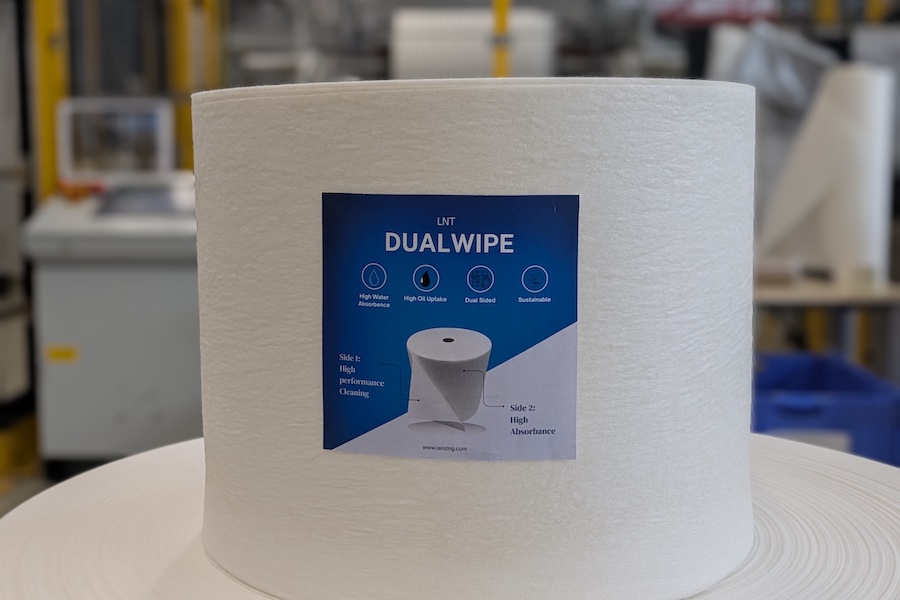
Lenzing Group highlights scalable, bio-based nonwovens solutions at leading global industry fairs

From CIDPEX in China to Techtextil in Frankfurt and INDEX in Geneva, the Lenzing Group showcases ready-for-market, bio-based nonwoven solutions and receives industry recognition for LENZING™ Nonwoven Technology.

#Digital Printing

DTF vs DTG Printing - The technologies shaping today’s custom merchandise market

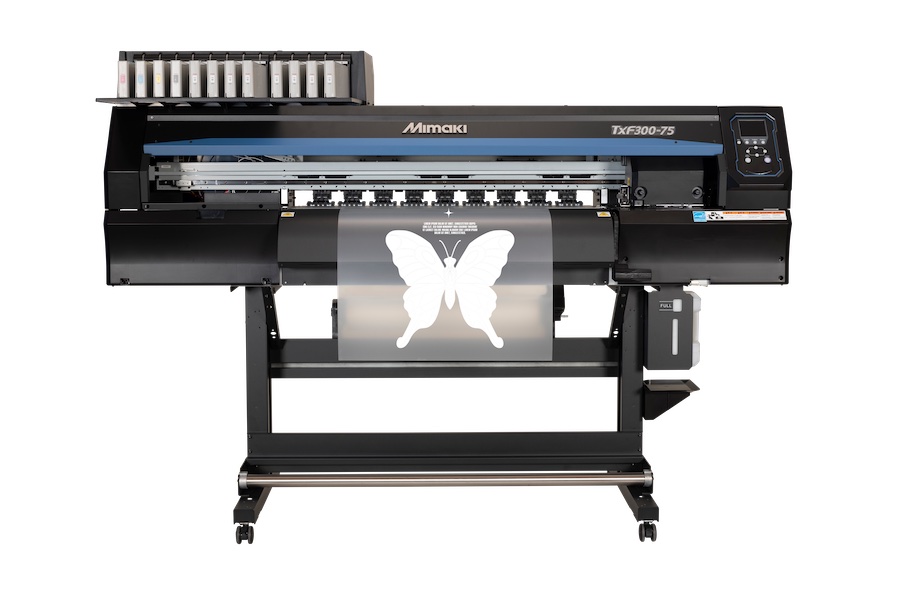
From sportswear to branded tote bags, custom merchandise continues to grow in popularity across sectors, driving print shops to cater to short runs, personalisation, and rapid turnaround. As print providers look to this market, two printing technologies often stand out: Direct‑to‑Film (DTF) and Direct‑to‑Garment (DTG). Each offers its own benefits, and understanding these differences helps determine the most suitable production method for print service providers.

TOP