[pageLogInLogOut]

#Textiles & Apparel / Garment

The new standard for textile innovations

Long before sustainability became a trend in the textile industry, Schoeller Textil AG, which has been innovating technical fabrics and smart textile finishing technologies for more than 150 years, made it its mission to develop textile innovations in harmony with nature. Now the company is undergoing an extensive rebranding, whilst unveiling its strong brand foundation in the process. The result embodies the newly defined guiding principle of “Textile Intelligence” - the development and successful implementation of innovative textiles and intelligent textile technologies.

Schoeller Textil AG sharpens its sustainability focus and unveils holistic rebranding efforts

Innovations in the textile industry must meet requirements on several levels – offering both new and optimized solutions to sociological, ecological, and economic challenges of our time. Creating this holistic added value is firmly rooted in the Schoeller brand origin and is still the top priority in textile product development today. The brand essence has thus remained the same, but it has been embodied anew.

“At the beginning of the rebranding process, it was clear to us we had to root ourselves in (Swiss) tradition in order to fully realize Schoeller’s entire brand potential and successfully explore new, digital paths,” said Antonio Gatti Balsarri, Schoeller chief commercial officer.

“The goal of the rebranding is to communicate our traditional brand values in a completely new brand presence. The result was a sharpened brand profile, a clear brand strategy and tonality, as well as a clean, modern corporate design. We will specifically address our sustainability commitment through the expansion of digital touchpoints, their cross-media use, and an increased online presence. Simplified, straightforward, sustainable - in accordance with our greatest source of inspiration: nature.”

TRANSPARENCY AND SUSTAINABILITY

Paramount to Schoeller’s corporate identity is the full disclosure of brand principles and transparency around all business divisions. A simplified logo design was established by reducing logo elements and colors for a modern look and feel that can be produced in a much more resource-efficient manner. Schoeller’s new brand mantra of “Textile Intelligence” speaks to its company mission of more than 150 years.

Schoeller has been a bluesign system partner from the very beginning and uses the Higg Facility Environmental Module (FEM) to assess sustainable performance. In addition to environmentally-friendly manufacturing processes and careful material selection, the highest quality and sustainability standards in production also mean guaranteeing fair working conditions. Schoeller follows a Code of Conduct that guarantees transparent production chains, environmental protection, and fair working conditions.


“Zero Textile Waste” becomes a targeted brand strategy.

While the production of textiles and textile technologies is continuously being optimized to preserve resources, the manufacturing processes are often costly and complex. To this end, Schoeller offers new approaches to efforts around Zero Waste in the industry. Its new online shop, “Schoeller re-Fabric” sells textile remnants from production directly to designers and smaller productions to increase its overall production volume efficiency and avoid textile waste.

COBRANDING – the Schoeller brand enhances its innovative image as a textile supplier for collaborating partners.?

The use of Schoeller textiles and innovative textile technologies offers international textile manufacturers and designers such as Alberto, Alpha Tauri, Descente, Fila, Jack Wolfskin, Ortovox, Pikeur and Tracksmith a unique opportunity to combine highly functional features with design. For Schoeller, the focus is on strengthening our brand partners’ consumer offerings around sustainability and quality while collaboratively making important strides together toward an improved path for our industry’s future.
More News from TEXDATA International

#ITM 2026

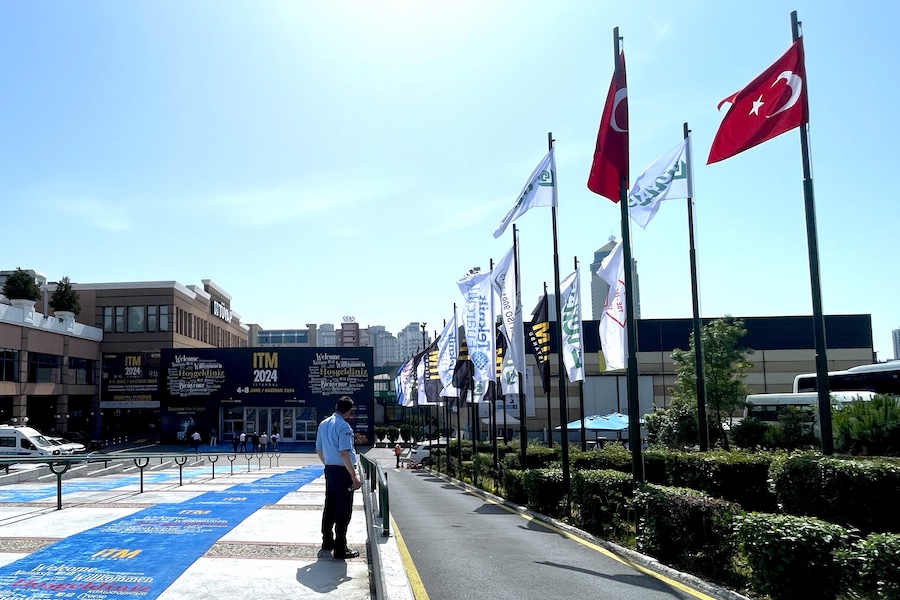
ITM 2026: The new geography of textile production

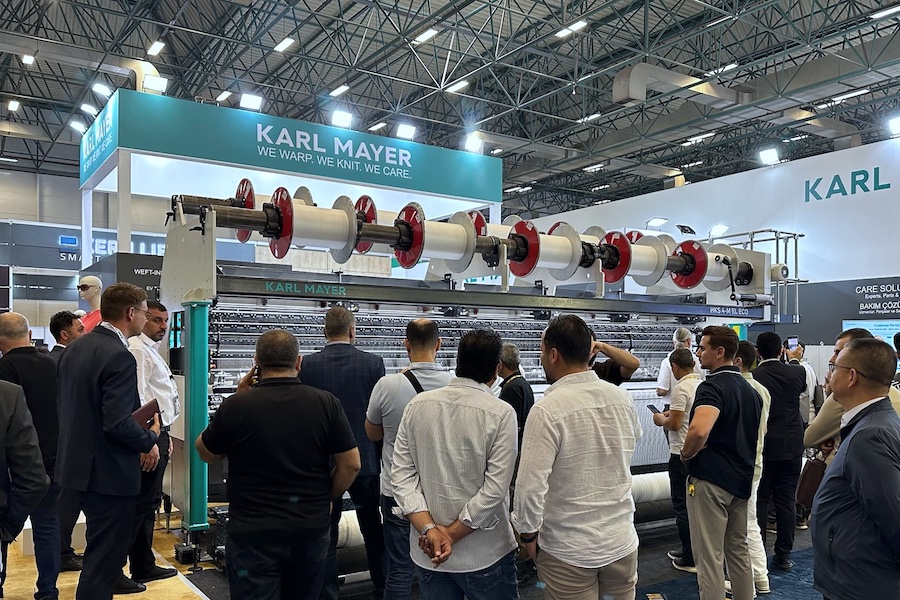
New production hubs are emerging across North Africa and Central Asia, while Türkiye is accelerating its transformation toward higher-value, technology-driven and more sustainable textile manufacturing.

#Research & Development

“Production is a product”

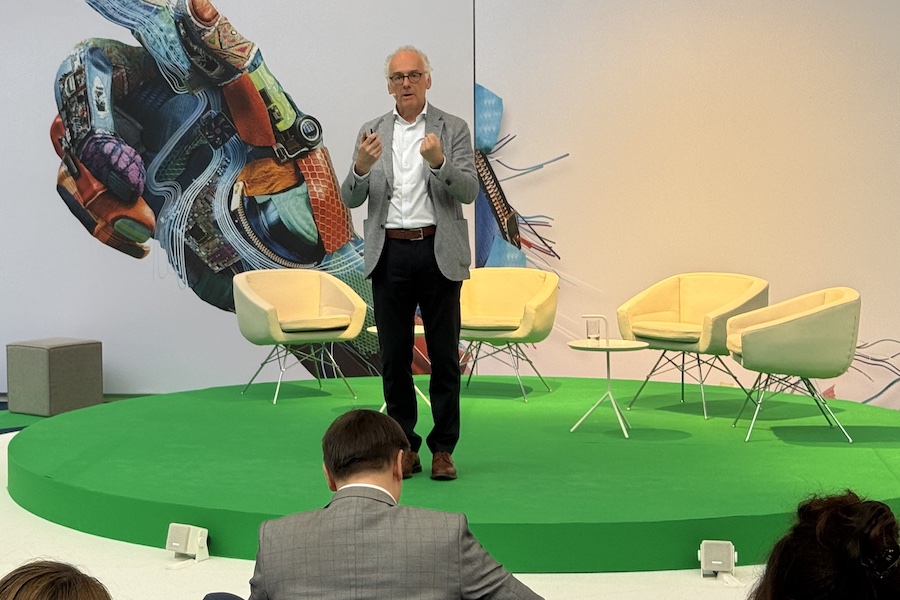
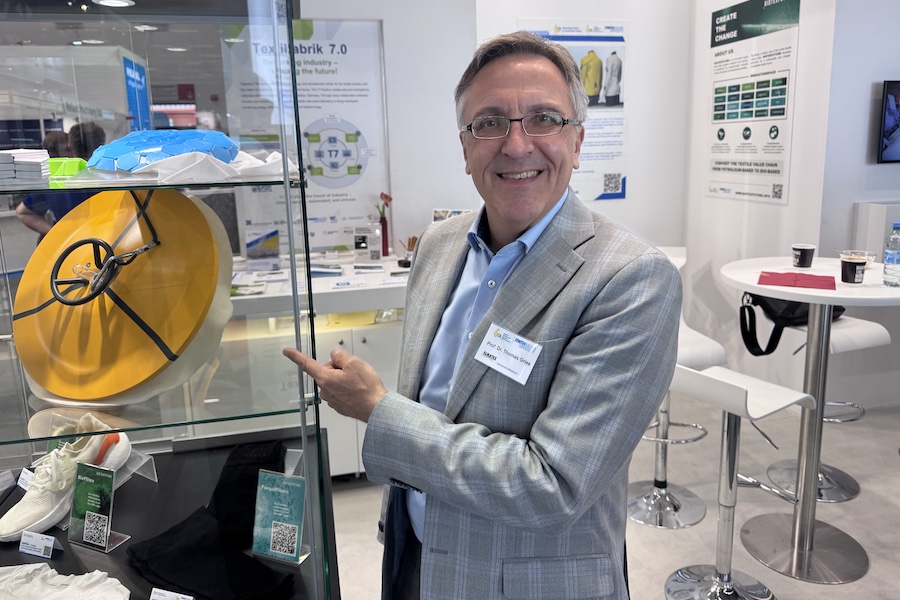
From technical textiles and AI-driven robotics to the limitations of textile circularity: Professor Dr Thomas Gries looks back on more than two decades of development at ITA Aachen. In the interview, he explains why production technology remains a decisive success factor, discusses international collaborations and innovation ecosystems, and shares his views on the transformation of production landscapes and the challenges facing an increasingly regulated industry.

#Knitting & Hosiery

“We need to move away from the price trap and return to a value-driven mindset.”

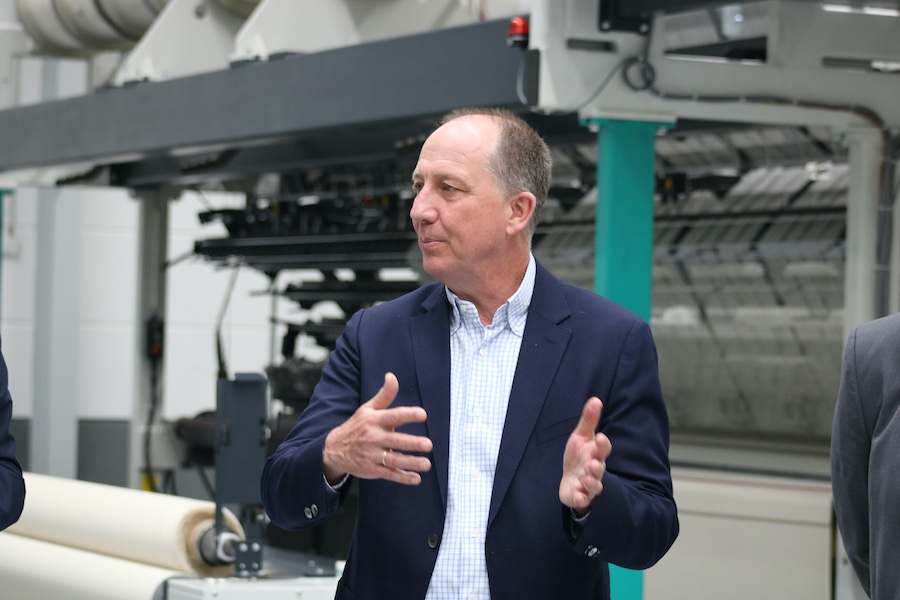
With its new Textile Innovation Center, KARL MAYER is sending a strong signal for innovation, collaboration, and the future of textile applications. In this interview, Karl Josef Mayer discusses new opportunities in warp knitting, the processing of staple fibres, recycling, the changing role of machinery manufacturers, and why the textile industry must once again focus more strongly on the value of textiles. by Oliver Schmidt

#Associations

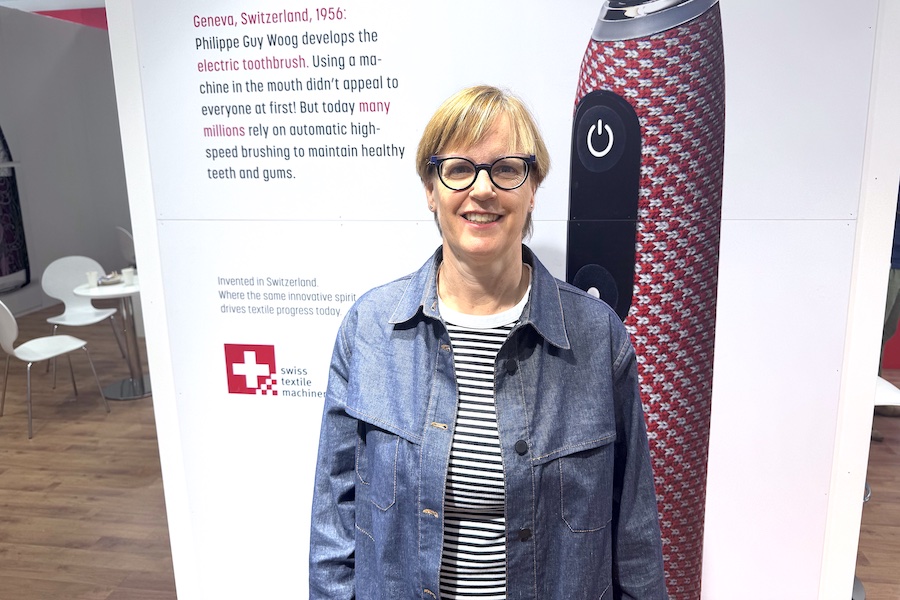
“Innovation, resilience and international experience remain the great strengths of the Swiss textile machinery industry”

Geopolitical uncertainty, growing competitive pressure from China, new free trade agreements and the shift towards a circular economy are currently reshaping the global textile industry. In this interview, Cornelia Buchwalder discusses the current mood within the Swiss textile machinery sector, the industry’s distinctive innovative strength, new market opportunities in India and Asia, and the technological trends that could shape the upcoming trade fair cycle leading up to ITMA 2027.

More News on Textiles & Apparel / Garment

#Recycling / Circular Economy

The Or Foundation, adidas, BESTSELLER, H&M Group, and Inditex launch Apparel Recovery Coalition, responding to impacts of post-consumer textile exports

adidas, BESTSELLER, H&M Group, Inditex and The Or Foundation, with support from Circle Economy, unveiled the Apparel Recovery Coalition (ARC). The coalition will explore how producer responsibility systems can support circular pathways such as reuse, upcycling, recycling, and responsible waste management in countries that receive large volumes of exported secondhand apparel.

#Textiles & Apparel / Garment

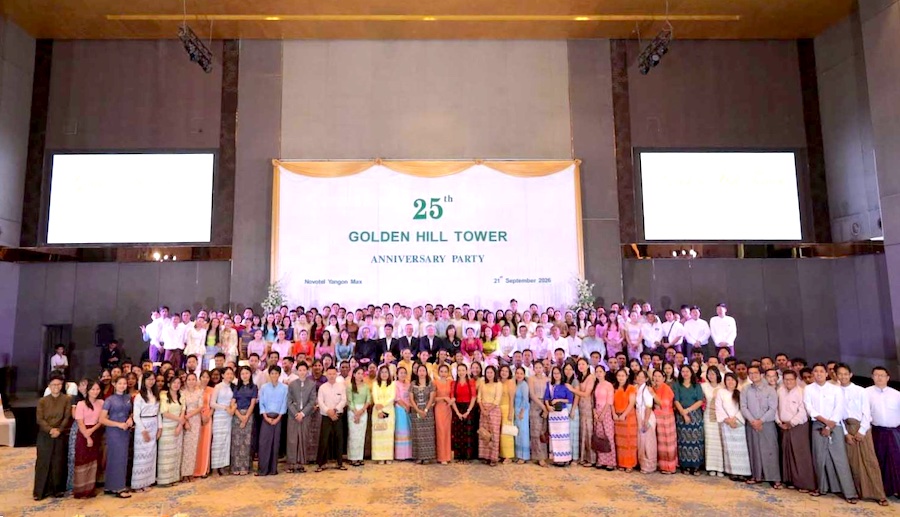
YKK subsidiary Golden Hill Tower Limited marks 25 years of operations in Myanmar

Golden Hill Tower Limited, a subsidiary of YKK Corporation, celebrated its 25th anniversary with a ceremony in Myanmar on September 21, 2026. The event brought together approximately 230 guests, including senior executives from the YKK Group, to commemorate the company's development since the launch of its serviced apartment business in November 2000.

#Recycling / Circular Economy

NEUMÜHLE launches mono-material hoodie designed for textile recycling

With the Circular Mono Hoodie, Zurich-based label NEUMÜHLE introduces a new essential designed around a single-material principle. The textile construction is cotton throughout, right down to the sewing thread. Entirely free from elastane, the hoodie launches as a Limited Drop for CHF 139. Take-back, collection and existing recycling partnerships complement its circular design.

#Technical Textiles

Penn Solutions files for insolvency and launches investor process

German textile manufacturer Penn Solutions GmbH is continuing operations under preliminary insolvency proceedings while a structured investor process is underway to find a long-term solution for the company.

Latest News

#Software

UNIFEQ Europe adopts Coats Digital’s GSDCost and AI-powered GSDQuest to support rapid growth

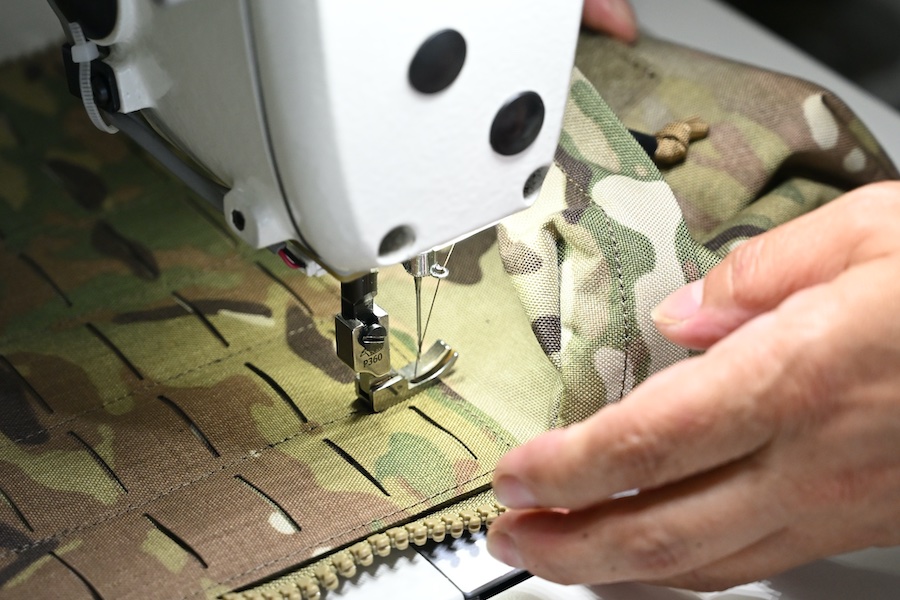
Coats Digital is pleased to announce that rapidly growing Polish defence and uniform manufacturer UNIFEQ Europe Sp. z o.o. has invested in its award-winning GSDCost solution together with its AI-powered GSDQuest platform to establish a consistent approach to garment costing, improve sewing-floor productivity and accelerate labour costing for tenders and new products.

#Associations

EURATEX urges Member States to prioritise competitiveness in the next EU budget

Ahead of crucial discussions among EU Member States on the next Multiannual Financial Framework (MFF) for 2028–2034, EURATEX, the European Apparel and Textile Confederation, calls on European leaders to safeguard ambitious funding for industrial competitiveness and ensure that these resources translate into concrete investment support in European companies.

#Associations

Brazil: The Italian textile and textile-machinery sector takes centre stage at two workshops

From 19 to 24 October 2026, Brazil will host a mission showcasing Italian excellence in the textile and textile machinery sectors, with two workshops scheduled for 20 October in the state of Santa Catarina and 22 October in São Paulo. The initiative will bring together Italian companies specialising in textile machinery, yarns, fabrics and clothing accessories, with the aim of strengthening commercial and industrial ties between the two countries and opening up new opportunities for collaboration.

#India ITME 2026

KARL MAYER highlights new technologies and growth opportunities at INDIA ITME 2026

India‘s textile industry is undergoing a profound transformation: What was previously a production hub driven primarily by cost and volume is increasingly evolving into a market focused on technology, exports, and value creation. KARL MAYER supports this change with high-performance machinery solutions and innovative textile concepts, and is therefore looking forward to INDIA ITME 2026 with great anticipation.

TOP