[pageLogInLogOut]

#Textiles & Apparel / Garment

Kontoor Brands releases 2020 Sustainability Report showing strong progress in achieving company goals

Building on its previous commitments and stated goals, Kontoor Brands, Inc. (NYSE:KTB), a global lifestyle apparel company with a portfolio led by two of the world’s most iconic consumer brands, Wrangler® and Lee®, today released its 2020 Sustainability Report, the second report in the company’s two years as a publicly traded organization.

 In accordance with the standards of the Global Reporting Initiative (GRI) and Sustainable Accounting Standard Board (SASB), the report details Kontoor’s progress in advancing its sustainability agenda focusing on People, Product and Planet – operating with the highest standards of ethics and transparency, seeking to source products and materials that are sustainable and from partners that share its values. 

• Report outlines Kontoor’s sustainability achievements in 2020 in accordance with GRI & SASB standards

• Company is utilizing its unique model of owned manufacturing operations to significantly improve water conservation efforts

“Sustainability is core part of our DNA at Kontoor – a foundational element of how we do business around the world,” said Scott Baxter, Board Chair, President and Chief Executive Officer, Kontoor Brands. “While we are pleased with our initial progress outlined in the report, we recognize there is more that we can do. As we move ahead, we are committed to using our scale and purpose-led approach to drive meaningful environmental and social advancements for all of our stakeholders.”

Throughout a volatile 2020 for the apparel industry, Kontoor continued its holistic approach to its sustainability strategy which encompasses the end-to-end product lifecycle and is deeply engrained in the company’s overall business strategy. Kontoor Brands closely manages its supply chain and distribution, and directly owns one-third of its manufacturing operations. The company also leverages its strong relationships with third-party manufacturers and seeks to embed sustainability in all stages of production to improve the overall impact of its products.

“Although our industry faced substantial uncertainty over the last two years, we have used this time to strengthen our resolve to meet our goals and set new ones – for our people, products and the planet,” said Jeff Frye, VP of Procurement, Product Development, Innovation, and Sustainability, Kontoor Brands. “We’re incredibly proud of the progress we have made during this period and have rallied as a team and continue to focus on building a more resilient future.”

Report highlights include:

• By deploying innovative water saving and recycling technologies such as IndigoodTM, Kontoor has reduced water consumption by 8-plus billion liters since 2008, putting the company on track to achieve its goal of saving 10 billion liters of water by 2025.

• For the company’s more than 120 million units of apparel and accessories it produced in 2020, Kontoor’s teams sourced 50% of its cotton sustainably, on track to achieve 100% sustainable cotton in all products by 2025.

• In alignment with the company’s goal to exclusively work with factories that support worker wellbeing, Kontoor’s teams initiated community development programs in select factories in Bangladesh to provide clean water, sanitation and hygiene facilities and education to benefit 1,200 local workers.

• Kontoor is on track to use 100% preferred chemistry by 2025 and expects to announce a science-based climate target for greenhouse emissions in 2022.


These goals are supported by a wide array of initiatives across Kontoor Brands’ production chain – from the focus on circularity and diverting materials from landfills to partnering with Business for Social Responsibility’s HERproject to improve access to healthcare knowledge and services for garment workers in Bangladesh. Kontoor is aiming to not only set and meet its own ambitious goals, but also to apply lessons learned and best practices transparently so that others can bring these innovations to life in their own manufacturing operations. 


Kontoor Brands’ 2020 Sustainability Report has been prepared in accordance with the Global Reporting Initiative (GRI) Sustainability Reporting Standards and the SASB Apparel, Accessories and Footwear Industry Standard. To read the full report or to find additional information about Kontoor Brands’ sustainability approach and goals, visit:

http://KontoorBrands.com/Sustainability.


More News from TEXDATA International

#ITM 2026

ITM 2026: The new geography of textile production

New production hubs are emerging across North Africa and Central Asia, while Türkiye is accelerating its transformation toward higher-value, technology-driven and more sustainable textile manufacturing.

#Research & Development

“Production is a product”

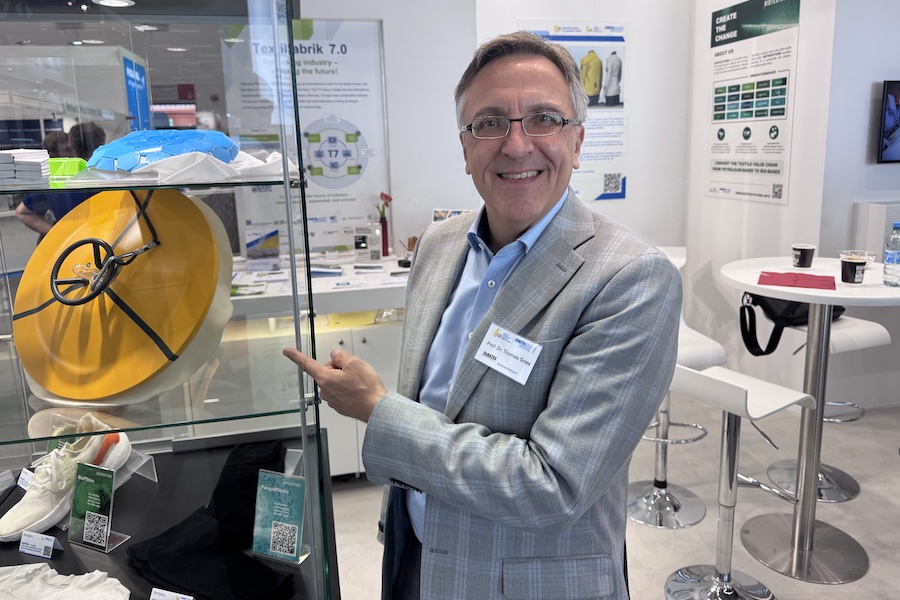
From technical textiles and AI-driven robotics to the limitations of textile circularity: Professor Dr Thomas Gries looks back on more than two decades of development at ITA Aachen. In the interview, he explains why production technology remains a decisive success factor, discusses international collaborations and innovation ecosystems, and shares his views on the transformation of production landscapes and the challenges facing an increasingly regulated industry.

#Knitting & Hosiery

“We need to move away from the price trap and return to a value-driven mindset.”

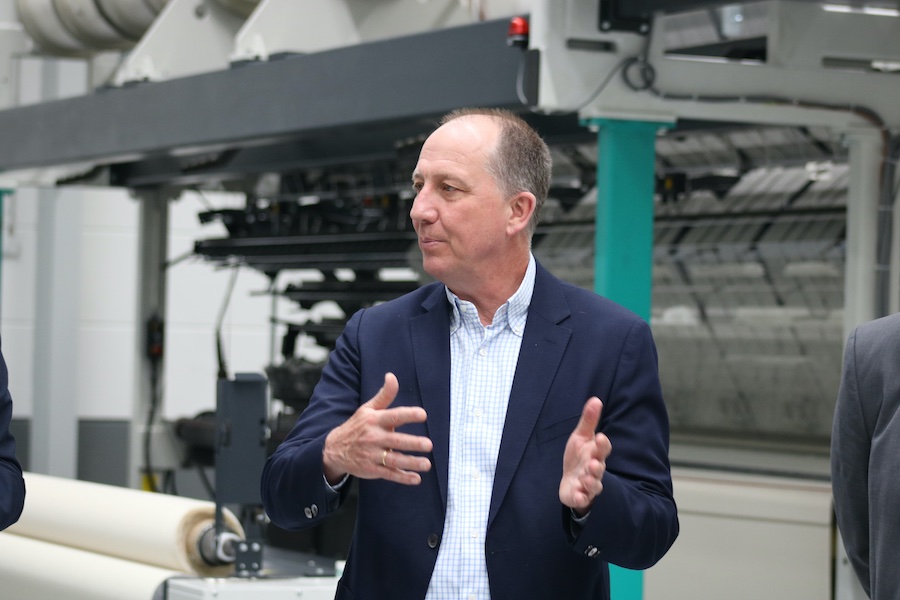
With its new Textile Innovation Center, KARL MAYER is sending a strong signal for innovation, collaboration, and the future of textile applications. In this interview, Karl Josef Mayer discusses new opportunities in warp knitting, the processing of staple fibres, recycling, the changing role of machinery manufacturers, and why the textile industry must once again focus more strongly on the value of textiles. by Oliver Schmidt

#Associations

“Innovation, resilience and international experience remain the great strengths of the Swiss textile machinery industry”

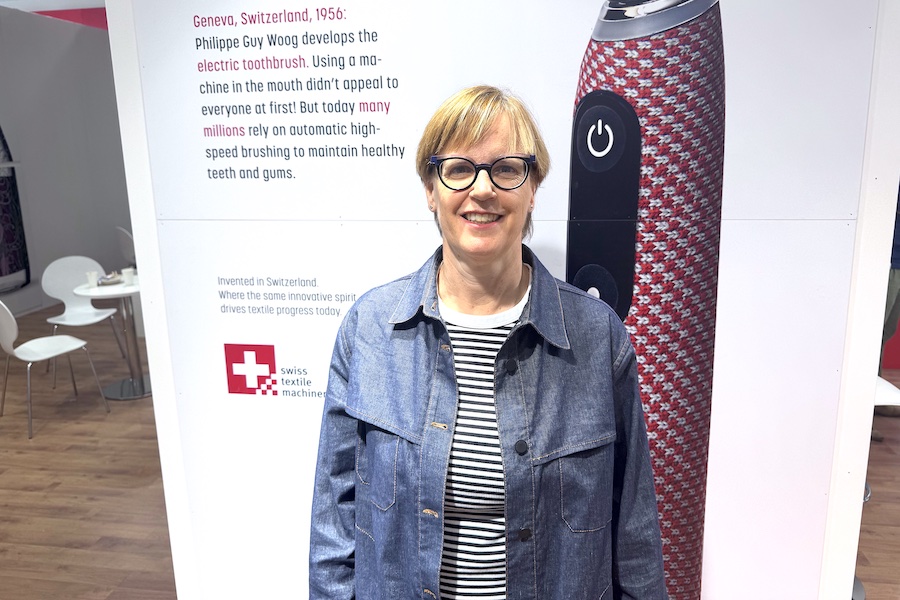
Geopolitical uncertainty, growing competitive pressure from China, new free trade agreements and the shift towards a circular economy are currently reshaping the global textile industry. In this interview, Cornelia Buchwalder discusses the current mood within the Swiss textile machinery sector, the industry’s distinctive innovative strength, new market opportunities in India and Asia, and the technological trends that could shape the upcoming trade fair cycle leading up to ITMA 2027.

More News on Textiles & Apparel / Garment

#Sustainability

Textile Exchange 2026: From sustainability commitments to industry-wide action

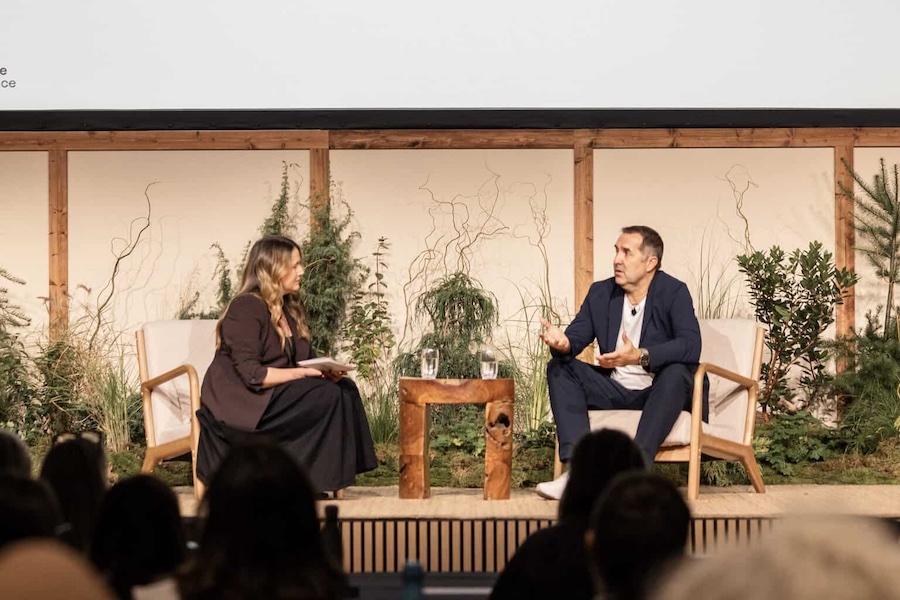
More than 1,300 participants and over 90 speakers gathered in Vancouver to discuss how the textile and apparel industry can move from planning to implementation, with a focus on resilient supply chains, circularity, regenerative agriculture and collaboration.

#Textiles & Apparel / Garment

Vietnam’s market evolution creates new sourcing opportunities at VIATT 2027

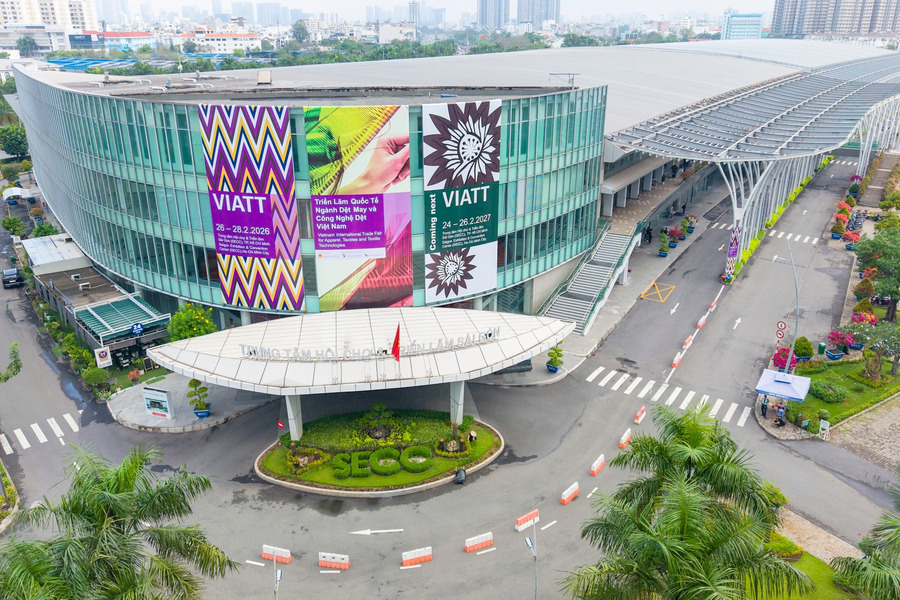
As Vietnam’s textile industry continues to upgrade and scale, new opportunities are emerging for suppliers of advanced raw materials, design-led fabrics, production technologies, and sustainability solutions. The Vietnam International Trade Fair for Apparel, Textiles and Textile Technologies (VIATT) will return 24 – 26 February 2027, presenting a cross-sector platform – spanning apparel, home and technical categories – for overseas companies to connect with manufacturers, brands, sourcing offices, retailers, and industry buyers from Vietnam, ASEAN, and beyond.

#Industry 4.0 / Digitalization

Jeanologia presents expanded EIM platform and COMMON GROUND collection at Kingpins Amsterdam

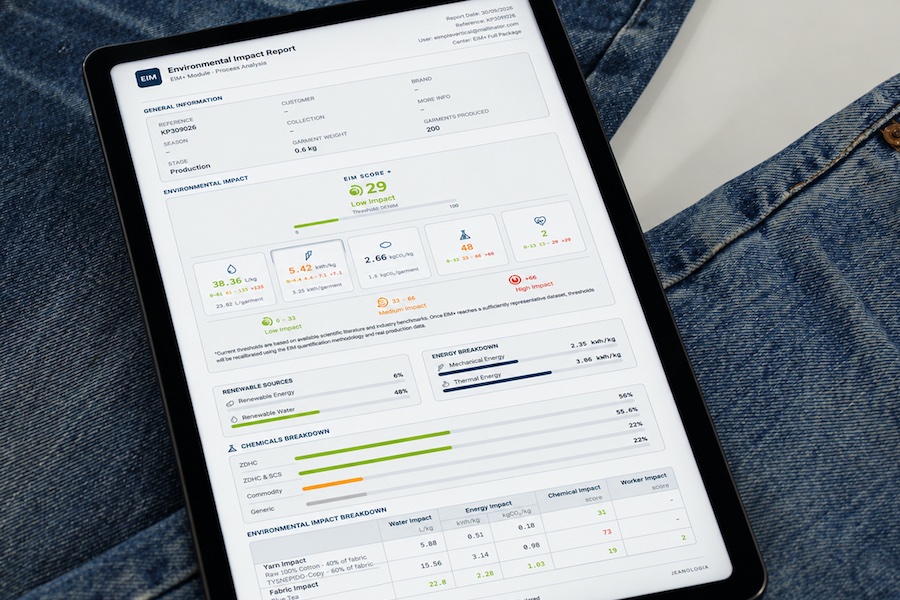
Jeanologia is presenting two approaches to textile product development at Kingpins Amsterdam on October 14–15: measuring the environmental impact of textile production and exploring new creative possibilities through garment finishing technologies.

#Recycling / Circular Economy

The Or Foundation, adidas, BESTSELLER, H&M Group, and Inditex launch Apparel Recovery Coalition, responding to impacts of post-consumer textile exports

adidas, BESTSELLER, H&M Group, Inditex and The Or Foundation, with support from Circle Economy, unveiled the Apparel Recovery Coalition (ARC). The coalition will explore how producer responsibility systems can support circular pathways such as reuse, upcycling, recycling, and responsible waste management in countries that receive large volumes of exported secondhand apparel.

Latest News

TOP