#Textiles & Apparel / Garment
SAITEX reports efficiency gains and greater transparency in 2025 Impact Report
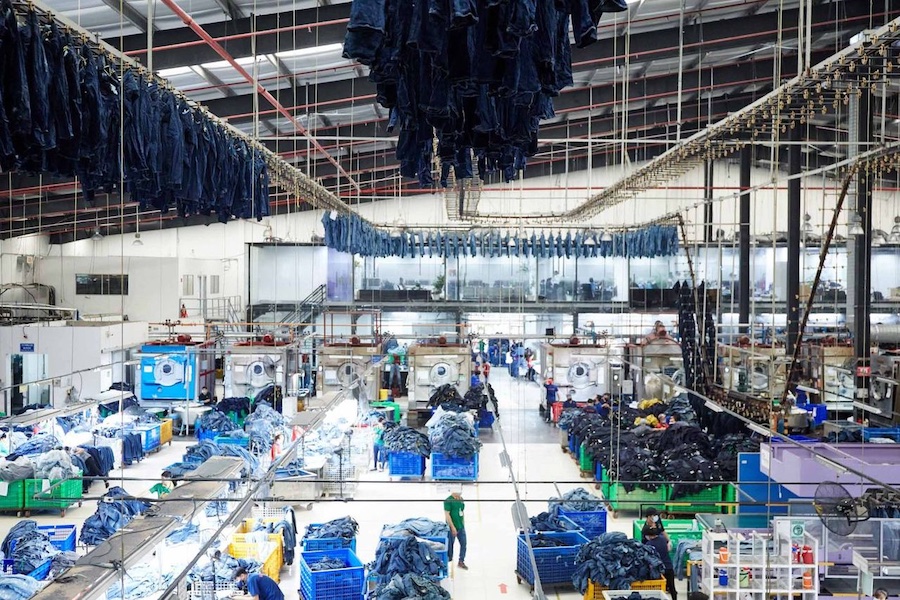
One of the report's key findings is the performance of the company's fabric mill, where production increased by 22% while electricity consumption per metre of fabric fell by 22%, greenhouse gas emissions by 20%, water consumption by 9% and waste generation by around 25%. According to SAITEX, approximately 85% of its denim fabric production now meets the chemistry requirements for Cradle to Cradle Certified® Material Health Gold and bluesign®.
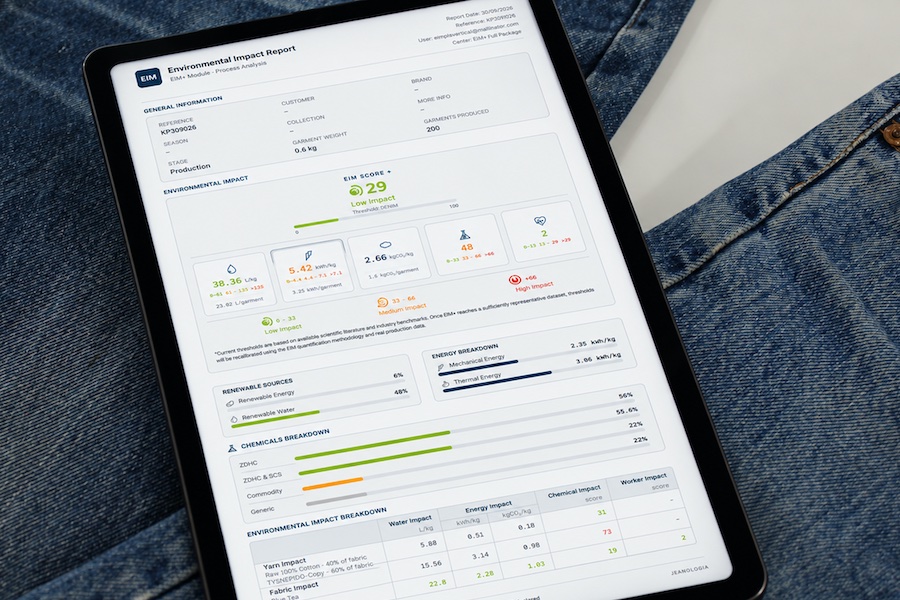
The company has also expanded its digital transparency initiatives. Through its Made2Flow platform, SAITEX provides product-level Life Cycle Assessment (LCA) data that supports the creation of Digital Product Passports (:s), giving brands greater insight into the environmental footprint of fabrics and garments.
The report also highlights challenges that slowed progress. Planned investments in solar energy and closed-loop water systems were delayed by permitting procedures, infrastructure constraints and the limited availability of economically viable renewable energy storage in Vietnam. In addition, changing customer demand influenced environmental performance. Increased orders for garment-dyed products, vintage washes and heavier fabrics raised water and steam consumption, while a higher share of Better Cotton in production reflected customer purchasing decisions rather than changes in manufacturing capabilities.
Beyond its own operations, SAITEX continued to promote knowledge sharing across the industry. During 2025, the company contributed to the GIZ-supported To the Finish Line initiative, providing environmental management training and technical guidance that reached more than 2,100 participants from 790 manufacturing facilities. SAITEX also participated in ZDHC's Supplier to Zero pilot programme and published its 90/10 Onshoring Model white paper, proposing a hybrid manufacturing framework that combines large-scale production in Vietnam with regional manufacturing in the United States.
Looking ahead, SAITEX plans further investments in renewable energy, circular manufacturing systems, advanced chemical management, Life Cycle Assessments and Digital Product Passports. The company aims to source 100% renewable electricity for its apparel manufacturing operations by the end of 2028.
"We don't believe better ways of working should be guarded. We believe they should be shared, tested and improved. Our Impact Report is about passing on what we've learned, because good ideas are meant to travel," said Sanjeev Bahl, CEO of SAITEX.