[pageLogInLogOut]

#Man-Made Fibers

Global fiber production reaches record levels in 2024

Textile Exchange has released its latest Materials Market Report, alongside the Materials Benchmark Insights and Trends and an updated Climate+ Dashboard. The findings highlight both record growth in global fiber production and the challenges of aligning the industry with Paris Agreement climate goals.

Global fiber production reached a new record in 2024, underscoring both the industry’s dynamism and the scale of the challenges ahead. According to the latest data, global fiber output climbed to 132 million tonnes, up from around 125 million tonnes in 2023. This is equivalent to producing roughly four tonnes of fiber every second. While the volumes reflect continued demand for textiles worldwide, the figures also highlight a widening gap between industry progress and the climate targets set by the Paris Agreement.

Polyester remains dominant

The surge in production was driven primarily by fossil-based synthetics. Polyester remained the single most widely used fiber, accounting for 59 percent of total global output. Of this, an estimated 88 percent is fossil-based, confirming the sector’s strong dependency on virgin petrochemical feedstocks. Recycled polyester volumes rose slightly, from 8.9 million tonnes in 2023 to 9.3 million tonnes in 2024. However, because virgin polyester grew faster, the overall share of recycled polyester declined from 12.5 percent to 12 percent of the polyester market.

Cotton and other natural fibers

Cotton remains the second most widely used fiber but saw a slight decrease in both volume and market share. Production fell from 24.8 to 24.5 million tonnes, equating to 19 percent of the global fiber mix. Within this, 34 percent of cotton was produced from certified sources in 2024, reflecting steady growth in sustainability programs, but also underscoring the limited speed of transition compared to the pace of overall fiber growth.

Manmade cellulosics: Gradual gains

Production of manmade cellulosic fibers (MMCFs) – including viscose, lyocell, modal, acetate and cupro – increased from 7.9 million tonnes in 2023 to 8.4 million tonnes in 2024, holding a 6 percent share of the global market. Certified or controlled feedstock accounted for an estimated 65–70 percent of total MMCF output. Recycling of MMCFs also showed early progress: the share of recycled feedstocks rose from 0.7 percent in 2023 to 1.1 percent in 2024, with further growth expected as R&D and pilot projects expand.

Polyamide: Limited progress in recycling

Polyamide (nylon) remained the second most used synthetic fiber, representing 5 percent of the global fiber market with around 7 million tonnes produced. Yet recycling rates are still low: only about 2 percent of total polyamide comes from recycled feedstocks, primarily pre-consumer waste, discarded fishing nets, or carpets. While this highlights potential for circular models, significant technical barriers remain. Biobased polyamide fibers also accounted for only 0.4 percent of total production, constrained by high costs, limited supply, and ongoing debates about sustainability credentials.

Recycling and certification

Across the industry, the overall share of recycled fibers remained stable at 7.6 percent, the majority of which was PET from recycled bottles (6.9 percent of total global fiber production). Less than one percent of all fibers came from pre- and post-consumer recycled textiles, showing that true textile-to-textile recycling remains in its infancy.

Certified fibers, however, continue to gain traction: in addition to cotton, around two-thirds of MMCFs and 50 percent of global mohair production were certified under recognized standards in 2024. This indicates progress in building traceable, responsible supply chains, even as absolute fiber volumes continue to rise.

A call for scaling up

For Textile Exchange CEO Claire Bergkamp, the latest findings reflect both achievement and urgency: “The data we’ve released today makes clear the scale of the challenges ahead, but it also gives us a strong foundation for action. I’m encouraged to see real progress as reporting companies increase their use of certified raw materials and reduce reliance on virgin fossil-based polyester. The challenge now is to take this progress to scale.”

The 2024 figures thus present a double-edged message: record volumes underline the global significance of textiles, while the dominance of fossil-based synthetics highlights the critical importance of accelerating systemic change. Certified materials and early recycling initiatives are encouraging, but without faster progress, the gap to climate goals will continue to widen.

© 2025 Textile Exchange


Download the report:

https://textileexchange.org/knowledge-center/reports/materials-market-report-2025/

More News from Textile Exchange

#Sustainability

Textile Exchange unveils agenda for 2026 conference in Vancouver

Textile Exchange has released the agenda for its 2026 Conference, which will take place from October 12–16 in Vancouver, Canada. Under the theme “The Implementation Era,” the event will focus on translating sustainability commitments into practical action and scaling solutions across businesses, supply systems, and landscapes.

#Man-Made Fibers

Textile Exchange publishes comprehensive polyester LCA study

Textile Exchange has released a new Life Cycle Assessment (LCA) study on polyester, providing detailed data on the environmental impacts of both virgin and recycled polyester production. The study aims to strengthen understanding across the fashion, textile and apparel industries and support more informed decision-making regarding polyester sourcing and production.

#Raw Materials

Textile Exchange publishes cotton Life Cycle Assessment study to strengthen impact data

Textile Exchange has published the first in a series of seven Life Cycle Assessment (LCA) studies designed to improve the quality and robustness of environmental impact data for raw material production across the fashion, textile, and apparel industry. The first LCA study focuses on cotton and addresses critical data gaps and methodology variability through new high-quality data across key producing countries. The study includes organic, regenerative, recycled, and country averages for conventional cotton production systems, providing a clearer picture of the associated environmental impact.

#Sustainability

Textile Exchange unveils commitment-based pathway for members to accelerate responsible raw material production

Textile Exchange has unveiled further details about its new membership structure, designed to guide the fashion, textile, and apparel industry in a collective course of action toward preferred production systems for raw materials and fibers.

More News on Man-Made Fibers

#Carpets

DOMOTEX Hannover 2028 off to a strong start with expanded portfolio

Preparations for DOMOTEX 2028 are already gaining strong momentum. Following its successful repositioning as the Home of Flooring & Interior Finishing, around 100 international manufacturers have already secured their place during the initial registration phase.

#Nonwovens

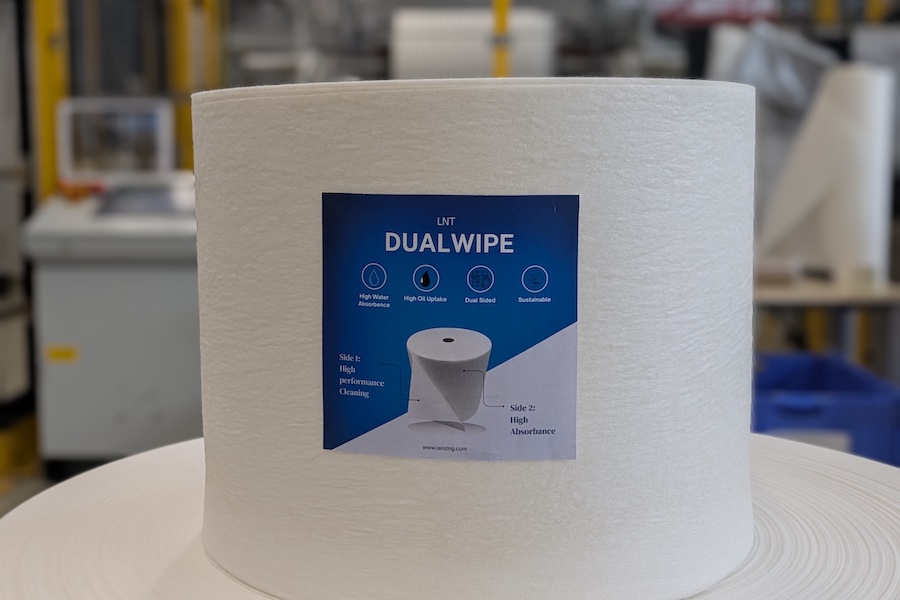
Lenzing Group highlights scalable, bio-based nonwovens solutions at leading global industry fairs

From CIDPEX in China to Techtextil in Frankfurt and INDEX in Geneva, the Lenzing Group showcases ready-for-market, bio-based nonwoven solutions and receives industry recognition for LENZING™ Nonwoven Technology.

#Research & Development

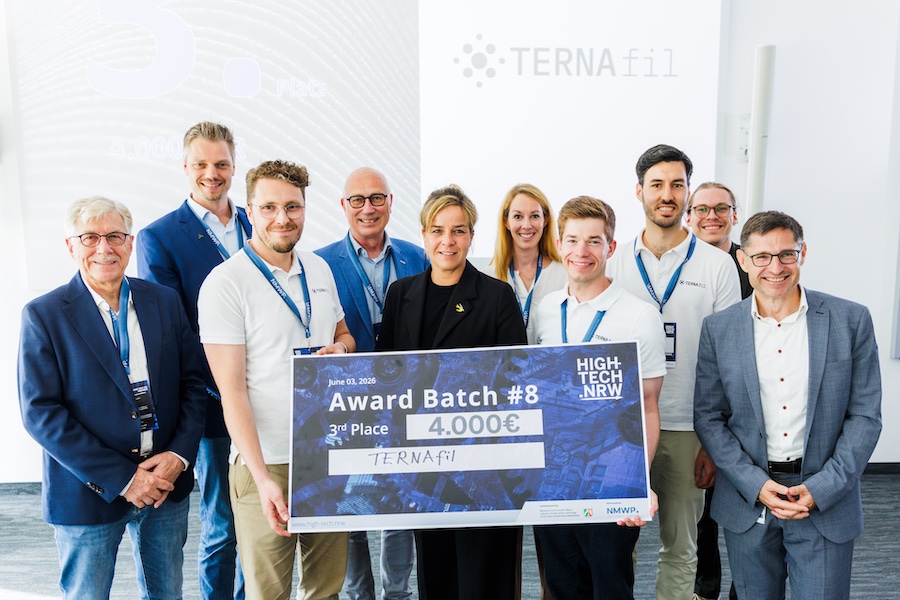
Carbon-ceramic hybrid fibre proves its worth – NRW Minister for Science Mona Neubaur congratulates ITA start-up TERNAfil

MAXCarbon technology, a novel carbon-ceramic hybrid fibre developed by ITA spin-off TERNAfil, secured third place at the HIGH-TECH.NRW Demo Day on the TÜV NORD campus in Essen. The technology combines the strength of carbon fibres with the temperature and corrosion resistance of ceramic materials. Mona Neubaur, Minister for Science in North Rhine-Westphalia, congratulated the team on their success and on winning prize money of 4,000 euros.

#Man-Made Fibers

Spinnova’s partner NZ TEX GROUP supports scaling of SPINNOVA® fibre

NZ TEX GROUP, Spinnova’s long-term woven fabric manufacturing partner based in Bangladesh, supports the scaling of SPINNOVA® fibre by joining the Spinnova ecosystem. NZ TEX GROUP and Spinnova have jointly developed fabrics, including denim, over several years, and the partners are now formalising and strengthening their cooperation through the ecosystem model.

Latest News

#Research & Development

GenuTrace client advisory: Is your cotton supply chain UFLPA ready?

U.S. Customs and Border Protection has released updated operational guidance (CBP Publication No. 5560-0526) expanding its forced labor enforcement framework. The guidance supersedes the original 2022 UFLPA Operational Guidance and now covers all forced labor enforcement authorities — UFLPA, CAATSA, and WROs/Findings — in a single unified document. For cotton importers, the enforcement posture has not softened. It has become more structured, more documented, and more demanding. Learn more about UFLPA.

#Knitting & Hosiery

STOLL: Agreement signed for the divestiture of selected assets

In early 2025, KARL MAYER announced its strategic decision to focus on its core business areas of WARP KNITTING, WARP PREPARATION, and TECHNICAL TEXTILES. As part of this move, the flat knitting machine business under the STOLL brand was discontinued and the production site in Reutlingen was closed in October 2025.

#Research & Development

TERNAfil wins first place at PitchMiUp Night 2026 in Minden

The RWTH spin-off TERNAfil has developed MAXCarbon, a new high-performance hybrid fibre that combines the mechanical performance of carbon with the temperature and corrosion resistance of ceramic materials. For this development, TERNAfil was awarded first prize at the PitchMiUp Night in Minden on 21 May 2026.

#Digital Printing

DTF vs DTG Printing - The technologies shaping today’s custom merchandise market

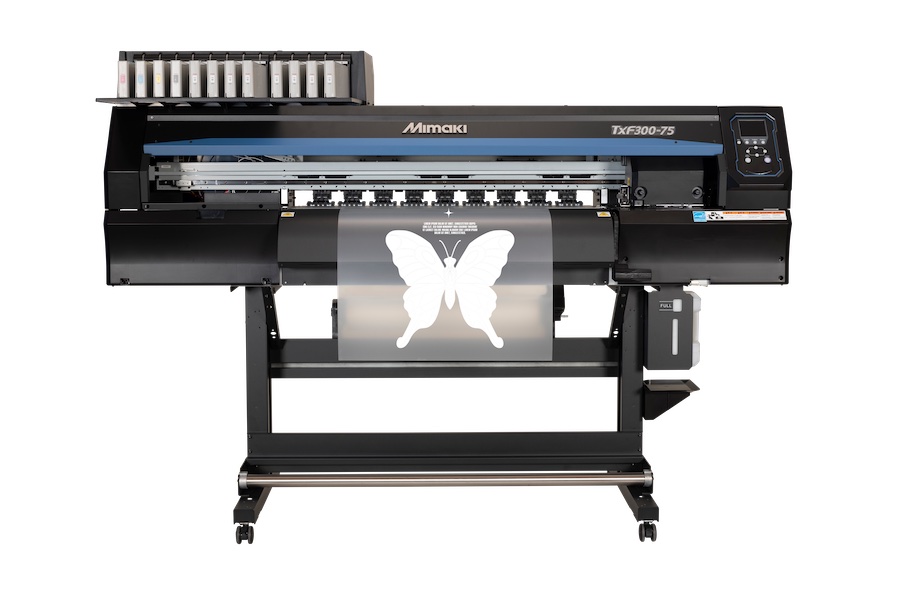
From sportswear to branded tote bags, custom merchandise continues to grow in popularity across sectors, driving print shops to cater to short runs, personalisation, and rapid turnaround. As print providers look to this market, two printing technologies often stand out: Direct‑to‑Film (DTF) and Direct‑to‑Garment (DTG). Each offers its own benefits, and understanding these differences helps determine the most suitable production method for print service providers.

TOP