[pageLogInLogOut]
USTER Think Quality

#Yarn & Fiber

Green Science Alliance developed textile, fiber, yarn, film made of cellulose based biodegradable resin

Environmental problems such as plastic pollution, global warming due to human population explosion, are getting severe in the world and especially the microplastic problem in the marine environment is becoming a devastating issue. It is predicted that the amount of plastic garbage will be more than that of fish in the world by 2050. There are also some scientific reports that these microplastics are already in our human body. Therefore, plastic recycling, reduction of plastic usage itself, and biodegradable plastic usage and development, have been intensively challenged and carried out.

In this regard, Dr. Ryohei Mori at Green Science Alliance Co., Ltd. has developed biodegradable Textile, fiber, yarn, film with cellulose based resin. They have also applied their nano cellulose composite technology into this cellulose based material, and made so to speak "cellulose + nano cellulose" material and products.  Green Science Alliance had confirmed previously that mixed nano cellulose in the biodegradable resin can increase biodegradability. This "cellulose + nano cellulose" resin is a very interesting new type of biodegradable resin material. In addition, cellulose can be said to be a very environmentally friendly biodegradable resin since most of biodegradable resins are composed of either petroleum or edible biomass. Using edible biomass such as corn, sugarcane, potato, etc. as raw material can be risky since they compete with human nutritious food.  

They will keep making an effort to improve resin properties such as mechanical properties, molding properties, etc., in order to create good biodegradable resin fiber, yarn, film, as well as non-woven. 

Fiber, Yarn made of Cellulose based Biodegradable Resin (c) 2020 Green Science


More News from TEXDATA International

#ITM 2026

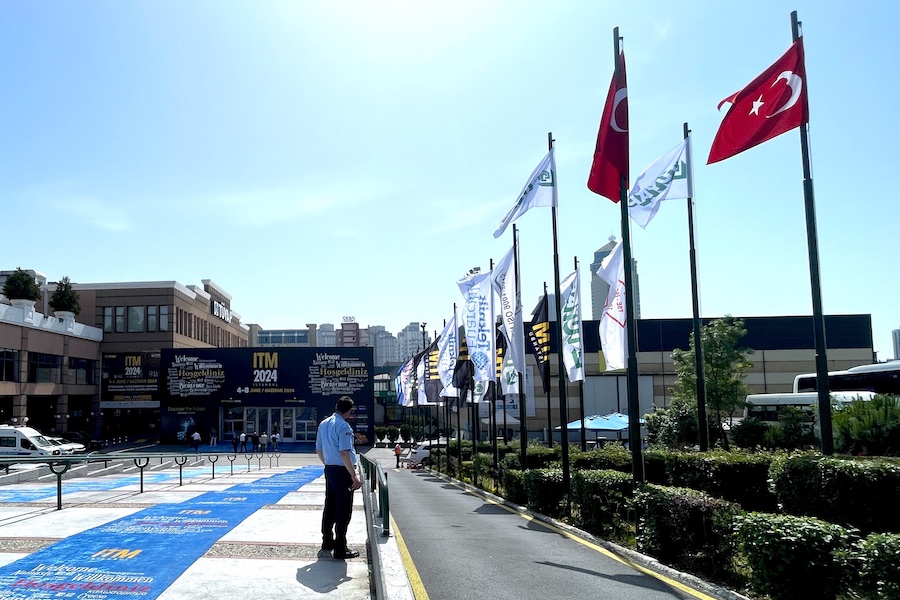
ITM 2026: The new geography of textile production

New production hubs are emerging across North Africa and Central Asia, while Türkiye is accelerating its transformation toward higher-value, technology-driven and more sustainable textile manufacturing.

#Research & Development

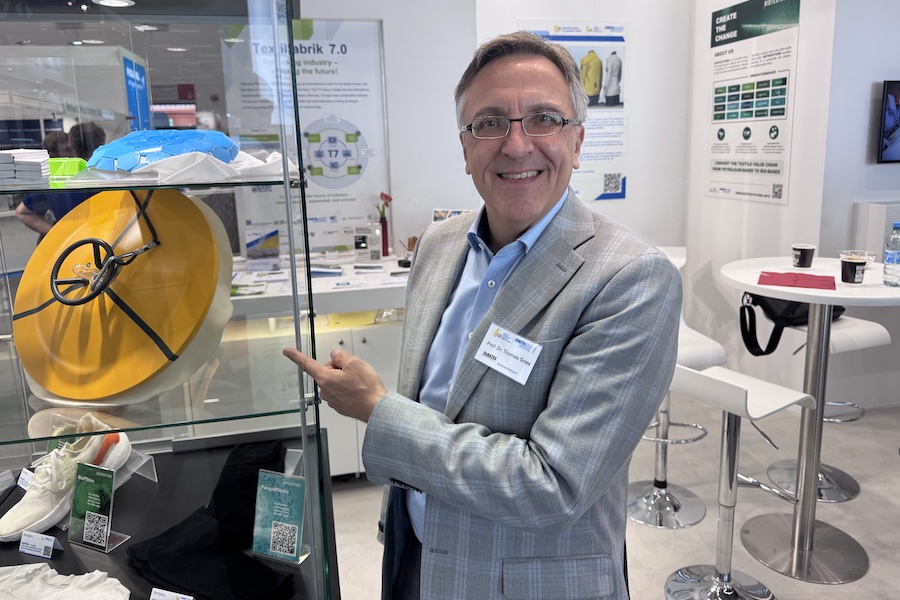
“Production is a product”

From technical textiles and AI-driven robotics to the limitations of textile circularity: Professor Dr Thomas Gries looks back on more than two decades of development at ITA Aachen. In the interview, he explains why production technology remains a decisive success factor, discusses international collaborations and innovation ecosystems, and shares his views on the transformation of production landscapes and the challenges facing an increasingly regulated industry.

#Knitting & Hosiery

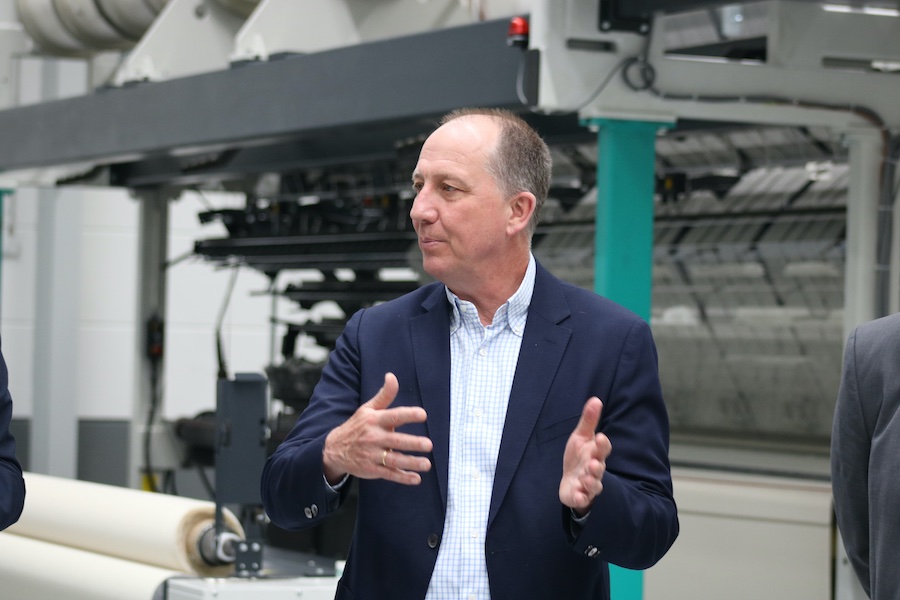
“We need to move away from the price trap and return to a value-driven mindset.”

With its new Textile Innovation Center, KARL MAYER is sending a strong signal for innovation, collaboration, and the future of textile applications. In this interview, Karl Josef Mayer discusses new opportunities in warp knitting, the processing of staple fibres, recycling, the changing role of machinery manufacturers, and why the textile industry must once again focus more strongly on the value of textiles. by Oliver Schmidt

#Associations

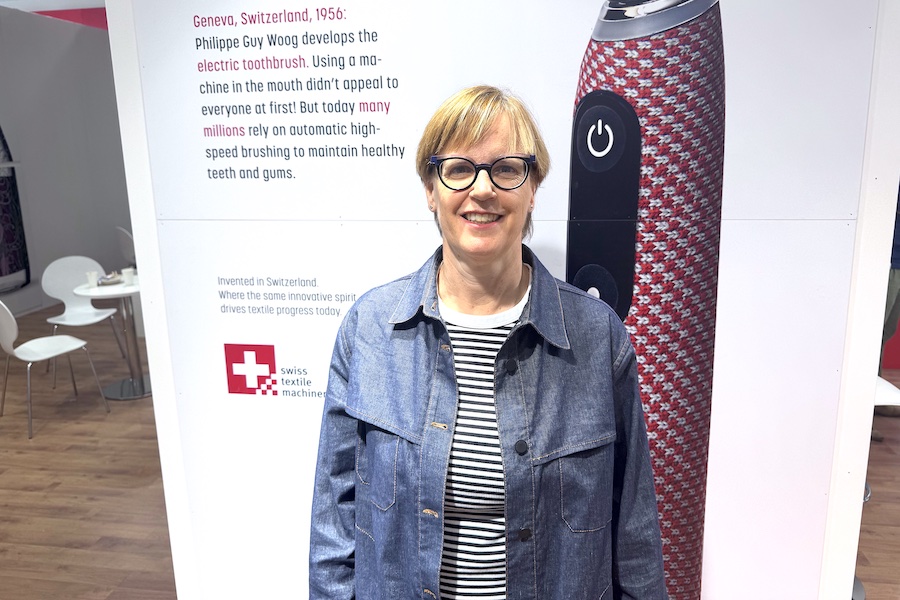
“Innovation, resilience and international experience remain the great strengths of the Swiss textile machinery industry”

Geopolitical uncertainty, growing competitive pressure from China, new free trade agreements and the shift towards a circular economy are currently reshaping the global textile industry. In this interview, Cornelia Buchwalder discusses the current mood within the Swiss textile machinery sector, the industry’s distinctive innovative strength, new market opportunities in India and Asia, and the technological trends that could shape the upcoming trade fair cycle leading up to ITMA 2027.

More News on Yarn & Fiber

#Man-Made Fibers

Lenzing improves profitability as strategic transformation gains momentum

The Lenzing Group reported improved operating profitability in the first nine months of 2026 despite declining revenue and a challenging market environment. Revenue decreased by 2.3 percent to EUR 1.93 billion, while adjusted EBITDA remained stable at EUR 353 million. The adjusted EBITDA margin increased from 17.9 percent to 18.3 percent, reflecting progress in the company's strategic transformation under its “Grow Nonwovens. Reset Textiles.” strategy.

#Recycled Fibers

C&A and Zalando join Altag® Fiber Club to accelerate adoption of agricultural waste-based fibres

Fashion for Good and AltMat announced today that C&A and Zalando have joined the Altag® Fiber Club as its first brand signatories, marking a critical commercial milestone in the journey to mainstream adoption of next-generation fibres derived from agricultural waste.

#Man-Made Fibers

Kraig Biocraft Laboratories launches performance yarn development program based on spider silk

Kraig Biocraft Laboratories has launched a development program for high-performance yarns based on its recombinant spider silk technology. The initiative follows the company's first commercial shipment of a custom spider silk yarn to a performance apparel customer and includes the delivery of spider silk samples to a textile technology company with experience in aerospace-related material development.

#Man-Made Fibers

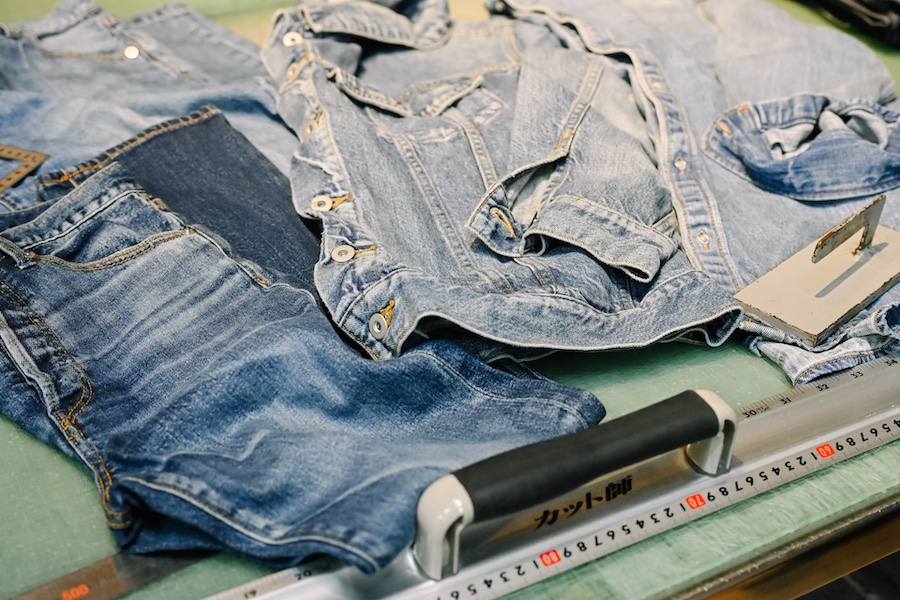
Lenzing and Kaihara to debut REMOD denim collection at Kingpins Amsterdam

The Lenzing Group, a global producer of wood-based fibers for the textile and nonwovens industries, has partnered with Japanese denim manufacturer Kaihara Corporation to launch the “REMOD Collection”. The collection combines three of Lenzing's fiber offerings for denim applications: TENCEL™ Lyocell Standard, TENCEL™ Lyocell – HV100 and TENCEL™ Lyocell dtex 2.2.

Latest News

#India ITME 2026

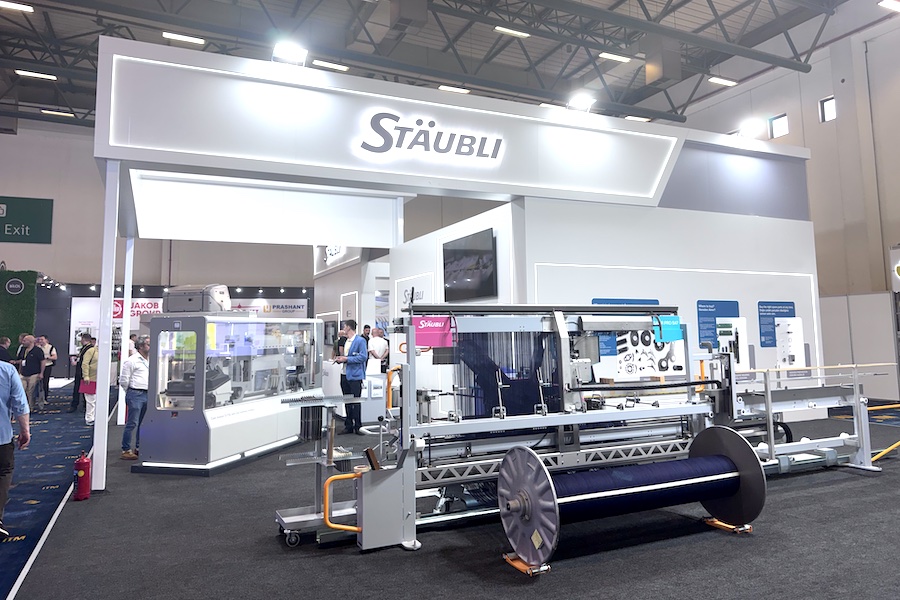
Stäubli to introduce new S3292 dobby for high-speed weaving at ITME India 2026

Stäubli will introduce its new S3292 dobby at ITME India 2026, taking place from December 4 to 9 at the India Expo Centre & Mart in Greater Noida, Uttar Pradesh. Designed for high-speed air-jet weaving, the new machine will be among the highlights of the company's presentation, which also includes warp preparation systems, cam motions, Jacquard technologies and digital services.

#Research & Development

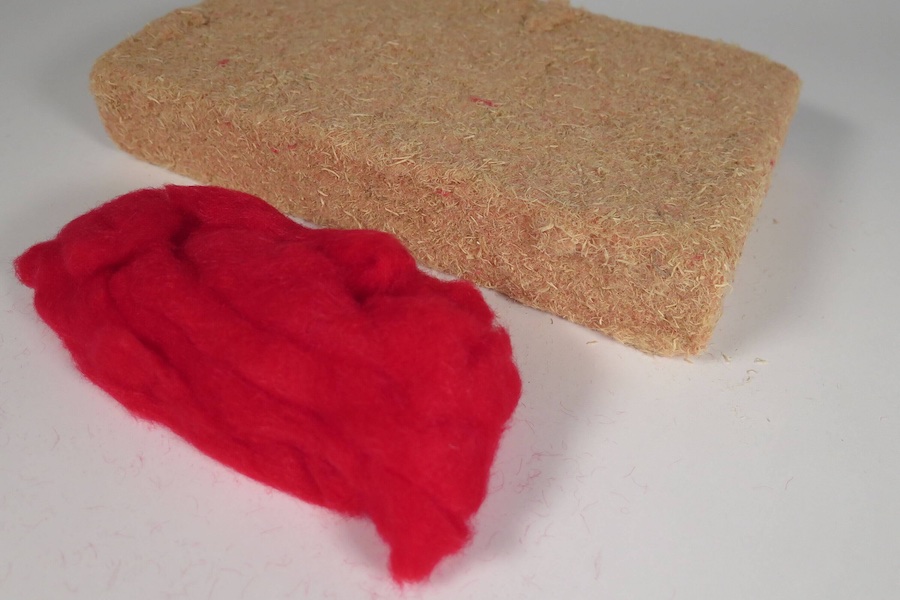
DITF develops bio-based binding fibers for wood-fiber insulation materials

As part of the CelluWoodFlex project, the German Institutes of Textile- and Fiber-Research in Denkendorf (DITF) are developing bio-based cellulose ester fibers as alternative binding fibers for flexible wood fiber insulation materials. In addition to the spinning process and the production of suitable staple fibers, the institute is also investigating how wood and cellulose fibers can be separated and recycled at the end of their useful life.

#Recycled Fibers

Reju expands textile-to-textile recycling network with six international fabric manufacturers

Reju, a textile-to-textile regeneration company, is expanding its industrial network through collaborations with six fabric manufacturers in Europe and the Americas. The initiative aims to accelerate the integration of regenerated polyester into textile manufacturing and support the development of finished fabrics for commercial applications.

#Nonwovens

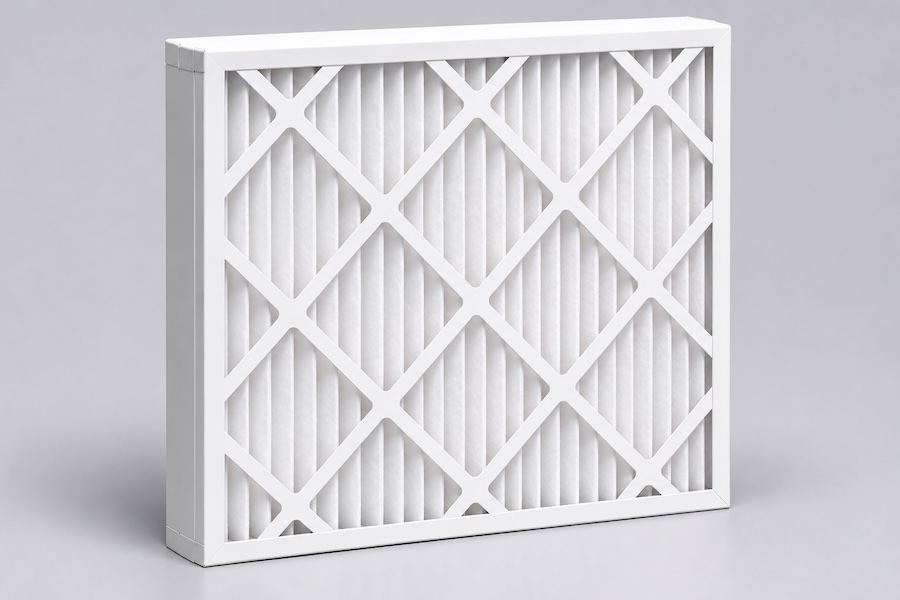
Magnera highlights HighPleat™ filtration media technology at FiltXPO 2026

At FiltXPO 2026, held on October 28–29 at the Minneapolis Convention Center in Minneapolis, Minnesota, Magnera highlighted advances in air filtration media architecture, with a particular focus on its HighPleat™ platform for MERV 8–10 applications. The technology combines a lofted fiber structure with optimized pore architecture to address the challenge of balancing filtration efficiency, airflow resistance and contaminant-holding capacity.

TOP