[pageLogInLogOut]

#Nonwovens / Technical Textiles

SARS-CoV-2, Influenza A inactivated by zinc-embedded nylon fabric

SARS-CoV-2, Influenza A inactivated by zinc-embedded nylon fabric. (Photo: Ascend Performance Materials, APMPR063)
An international team of scientists and engineers from the University of Cambridge, the Icahn School of Medicine at Mount Sinai, ResInnova Labs and Ascend Performance Materials has found that a nylon fabric embedded with zinc ions successfully inactivated 99% of the viruses that cause COVID-19 and the common flu.

A paper published in ACS Applied Materials Interfaces details effectiveness, describes protocol for future testing

Face masks, protective clothing and filters are used to slow the spread of viruses. But poor-quality masks can harbor active viruses from infected wearers, posing a transmission risk.

“A major challenge is absorption and inactivation,” said Vikram Gopal, Ph.D., co-senior author and chief technology officer at Ascend Performance Materials. “Respiratory viral illnesses, such as COVID-19, and the flu, are transmitted through droplets and aerosols. Polypropylene, the material in commonly used disposable masks, is a hydrophobic plastic and does not absorb moisture. Instead, the viruses can sit on the surface of the mask, posing a transmission risk when the mask is handled.”

Cotton also has problems, Dr. Gopal said. “Cotton effectively absorbs moisture, but it doesn’t inactivate the virus – again, posing a transmission risk,” he said.

In the paper published in ACS Applied Materials Interfaces, the researchers described how a fabric made of nylon 6,6 embedded with active zinc ions absorbed virus-containing moisture droplets and effectively inactivated the particles. The fabric produced a 2-log, or 99%, reduction of virus particles in one hour.


The research team also was able to demonstrate that nylon with active zinc ions remains stable over time, keeping its virus-inactivating properties after 50 washes.

“The study shows how nylon textile fabric with zinc outperforms the widely used cotton and polypropylene materials at virus absorption and inactivation,” Dr. Gopal said.

The findings have significant implications for future development of PPE, Dr. Gopal said.

“Pathogen-free PPE does more than just cut down the risk of transmitting the virus,” Gopal said. “By making PPE washable and reusable, you reduce the need for single-use products, keeping hundreds of millions of masks out of landfills.”



More News from TEXDATA International

#ITM 2026

ITM 2026: The new geography of textile production

New production hubs are emerging across North Africa and Central Asia, while Türkiye is accelerating its transformation toward higher-value, technology-driven and more sustainable textile manufacturing.

#Research & Development

“Production is a product”

From technical textiles and AI-driven robotics to the limitations of textile circularity: Professor Dr Thomas Gries looks back on more than two decades of development at ITA Aachen. In the interview, he explains why production technology remains a decisive success factor, discusses international collaborations and innovation ecosystems, and shares his views on the transformation of production landscapes and the challenges facing an increasingly regulated industry.

#Knitting & Hosiery

“We need to move away from the price trap and return to a value-driven mindset.”

With its new Textile Innovation Center, KARL MAYER is sending a strong signal for innovation, collaboration, and the future of textile applications. In this interview, Karl Josef Mayer discusses new opportunities in warp knitting, the processing of staple fibres, recycling, the changing role of machinery manufacturers, and why the textile industry must once again focus more strongly on the value of textiles. by Oliver Schmidt

#Associations

“Innovation, resilience and international experience remain the great strengths of the Swiss textile machinery industry”

Geopolitical uncertainty, growing competitive pressure from China, new free trade agreements and the shift towards a circular economy are currently reshaping the global textile industry. In this interview, Cornelia Buchwalder discusses the current mood within the Swiss textile machinery sector, the industry’s distinctive innovative strength, new market opportunities in India and Asia, and the technological trends that could shape the upcoming trade fair cycle leading up to ITMA 2027.

More News on Nonwovens / Technical Textiles

#ITMA Asia + CITME Singapore 2025

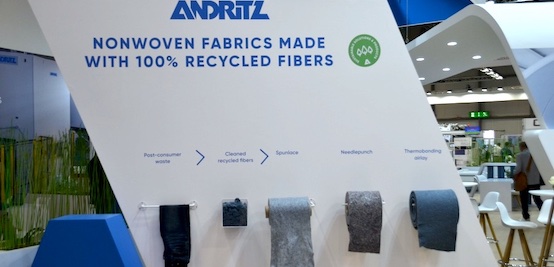
ANDRITZ sets focus on textile recycling and durable nonwoven production technologies at ITMA Asia 2025

International technology Group ANDRITZ will be presenting its innovative nonwovens production and textile solutions at ITMA ASIA + CITME 2025 in Singapore, from October 28 to 31, 2025 (Hall 2, D106). ANDRITZ will showcase its MMCF production plants, textile sorting and recycling, bast fiber processing, needlepunch, airlay, and life-cycle service technologies, with a focus on sustainable solutions. Discover how these innovations can grow your business opportunities and support a greener future.

#ITMA Asia + CITME Singapore 2025

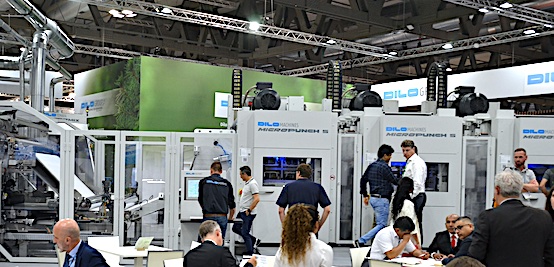
Dilo Group at ITMA ASIA Singapore 2025

At ITMA ASIA Singapore, the Dilo Group will exhibit at Booth No. H2 – D202. Together with Kansan Materials, Izmir, the company will present its latest developments and looks forward to welcoming visitors to exchange ideas and explore innovations in needling technology.

#Nonwovens

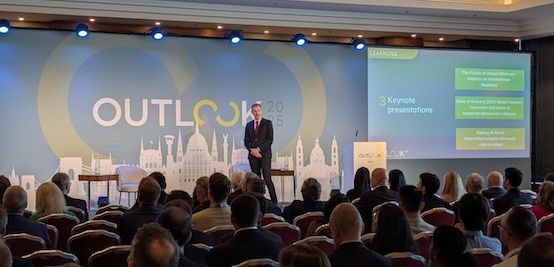
OUTLOOK™ 2025: Charting a sustainable and innovative future for the Nonwovens Industry

EDANA concluded its flagship event, OUTLOOK™ 2025, last week, marking it as a major success and addressing the biggest questions facing the industry. The three-day conference highlighted the urgent need for a unified approach to sustainability, regulation, and innovation in the absorbent hygiene and wipes sectors.

#Nonwovens

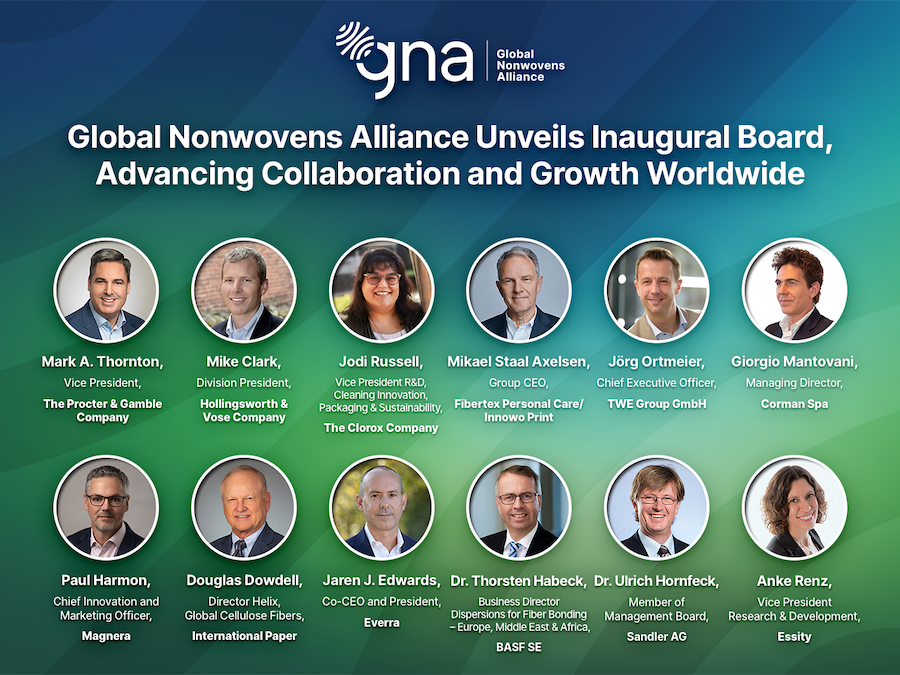
Global Nonwovens Alliance unveils Inaugural Board, advancing collaboration and growth worldwide

The Global Nonwovens Alliance (GNA), a tax-exempt federation jointly founded by INDA, the Association of the Nonwoven Fabrics Industry, and EDANA, the Voice of Nonwovens, announces the appointment of its founding Board of Directors. This group of leaders represents some of the most influential executives across the nonwovens value chain and reflects GNA’s mission to foster global collaboration, innovation, and growth in the industry.

Latest News

TOP