[pageLogInLogOut]

#Research & Development

MELANGE starts with a co-creative design workshop at Aalto University to shape the visual identity of this new project transforming colouration in textiles
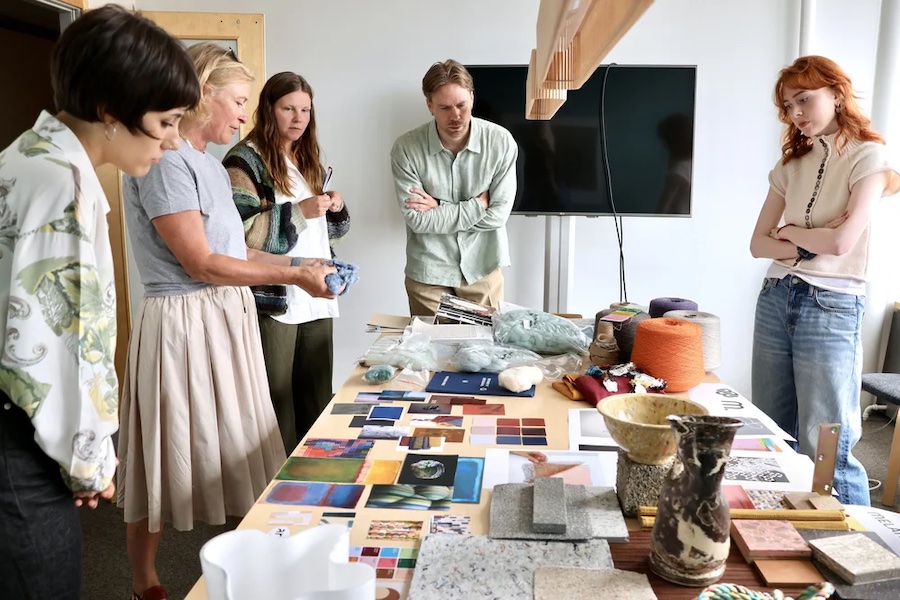
Design workshop at Aalto University © 2026 Textile ETP
Over the next three years, MELANGE will lower the environmental impact of interior textile production by moving colour design to the beginning of the manufacturing process. This Horizon Europe project officially started on 1 August 2026, and will be publicly launched on 27 August 2026.


The industry today treats colour as something applied at the end to achieve replicability and uniformity, at the massive cost of water, energy, and chemicals. MELANGE sees variation as a desirable signature of uniqueness, not a defect. That is why MELANGE combines expertise in design, technology and business, bringing together researchers, designers, industrial partners and textile networks to inspire and guide designers, industry, and policy-makers to adopt new aesthetics and a more sustainable way of working with colours

The consortium, led by Aalto University, includes industrial partners representing the textile supply chain, ranging from the Austrian fibre producer Lenzing to Turkish spinning mill Karacasu Tekstil and weaving mill Vanelli Tekstil, Slovenian interior design company Triiije Architect, VIA University College from Denmark, Brussels-based Ohana Public Affairs and Textile ETP, and Next Technology Tecnotessile from Italy.

A visual identity born from co-creation

From 4 to 6 August 2026, Textile ETP, which leads the project's communications, dissemination and stakeholder engagement activities, joined the Aalto University team for a design workshop dedicated to co-creating the visual identity of MELANGE. Over three days, the teams worked together to explore how the project's core values (colour design, circularity and sustainable competitiveness) could be translated into a distinctive and coherent visual language.

The visual identity will be presented on 27 August, and will support consistent, engaging communications throughout the project's lifetime, carrying its story to industry and design stakeholders, policymakers and the wider public.

More News from Textile ETP

#Europe

Textile ETP launches bioeconomy strategy for Europe’s textile industry

On 22 September 2026, Textile ETP's Circular & Biobased Textiles Innovation Hub published its strategy for the biobased and circular transformation of Europe's textile and apparel industry.

#Industry 4.0 / Digitalization

Textile ETP launches digital transformation strategy, calling for urgent collective action across the value chain

Textile ETP’s DigitX Innovation Hub published its strategic roadmap for the digital transformation of Europe's textile and apparel industry.

#Recycling / Circular Economy

From local actions to industrial innovations: SOLSTICE shares mid-project results

Since its launch in May 2024, the SOLSTICE project is accelerating the transition from linear models to circular regional ecosystems in the textile industry, focusing on four key territories: Grenoble-Alpes Métropole (France), Berlin (Germany), Prato (Italy), and Catalonia (Spain). By mid-project, SOLSTICE has already revealed both regional disparities and promising solutions to strengthen textile repair, reuse, and recycling infrastructure.

#Recycling / Circular Economy

Textile ETP wraps up T-REX's Policy Roundtable

The T-REX project’s policy roundtable in Brussels on November 12 was a pivotal gathering of experts and leaders committed to advancing Europe’s sustainability efforts. Concluding the event, Secretary General Lutz Walter reflected on the discussions and emphasized the core themes that resonated throughout the day.

More News on Research & Development

#Research & Development

DITF develops bio-based binding fibers for wood-fiber insulation materials

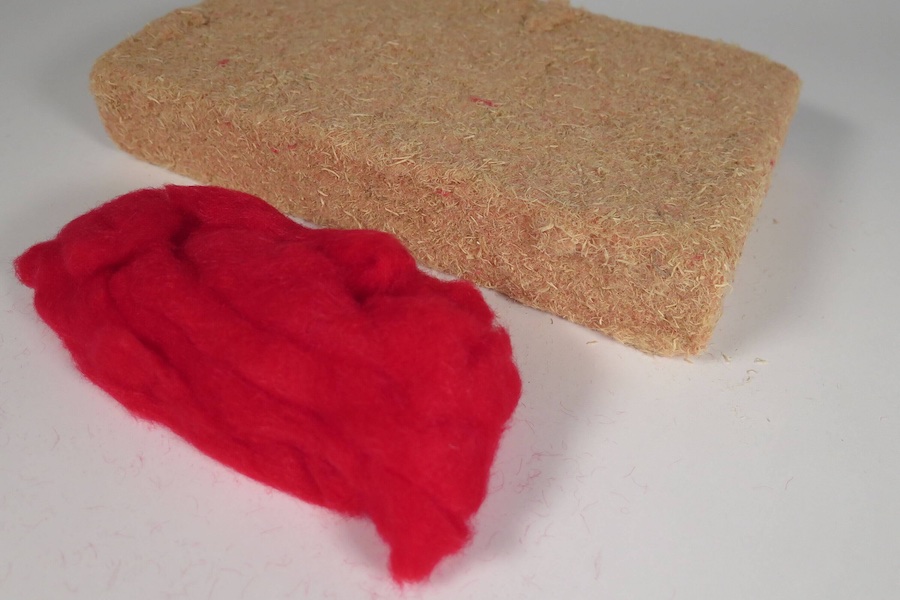
As part of the CelluWoodFlex project, the German Institutes of Textile- and Fiber-Research in Denkendorf (DITF) are developing bio-based cellulose ester fibers as alternative binding fibers for flexible wood fiber insulation materials. In addition to the spinning process and the production of suitable staple fibers, the institute is also investigating how wood and cellulose fibers can be separated and recycled at the end of their useful life.

#Research & Development

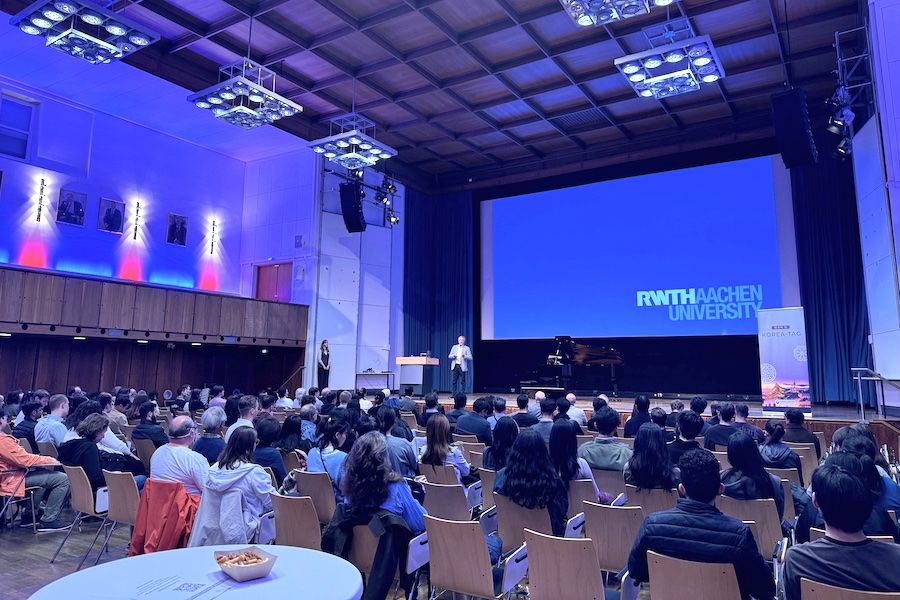
First "Korea Day" at RWTH Aachen attracts more than 300 participants

The inaugural Korea Day in Aachen brought together representatives from science, business and Korean institutions to strengthen German-Korean cooperation in research, technology and education. The Institut für Textiltechnik (ITA) of RWTH Aachen University was among the participating organisations.

#Research & Development

POLYMERS-5B develops high-performance bio-based polyesters from agricultural waste

The European research project POLYMERS-5B is developing an integrated enzymatic biorefinery to convert agricultural by-products from Mediterranean food production into valuable raw materials for the food, cosmetics and bio-based plastics industries. Using tomato and olive pomace as feedstock, the process aims to recover several product groups from the same biomass stream. The consortium will present its latest technical developments and market findings at Ecomondo 2026 in Rimini on 3 November.

#Research & Development

STFI showcases new Textile LAB Professional with focus on climate protection and sustainable technologies

The Sächsisches Textilforschungsinstitut e. V. (STFI) in Chemnitz is organising a themed day on 3 December 2026, focusing on climate protection and the environment. As well as showcasing current applications for green cities and natural fibres for lightweight construction, the event will feature machine demonstrations in the new Textile LAB Professional. Under the motto ‘Design meets Technology’, this networking event will also provide an insight into artistic student projects, thereby facilitating a professional exchange on creative perspectives and modern technologies for climate protection and the environment.

Latest News

#ITMA Asia + CITME 2026

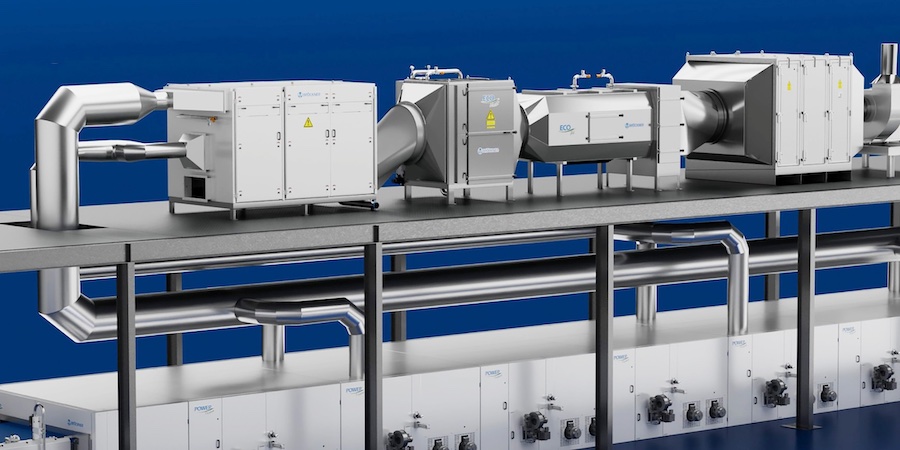
Brückner showcases sustainable technologies for the future of textile finishing at ITMA ASIA 2026

With rising energy costs, increasing environmental requirements, and growing competitive pressure, textile manufacturers worldwide are facing the challenge of making their production processes both more sustainable and more cost-effective. As one of the world's leading specialists in textile finishing machinery, Brückner will present innovative solutions and advanced production technologies at ITMA ASIA 2026 in Shanghai. These technologies can play a key role in significantly reducing both energy consumption and emissions.

#India ITME 2026

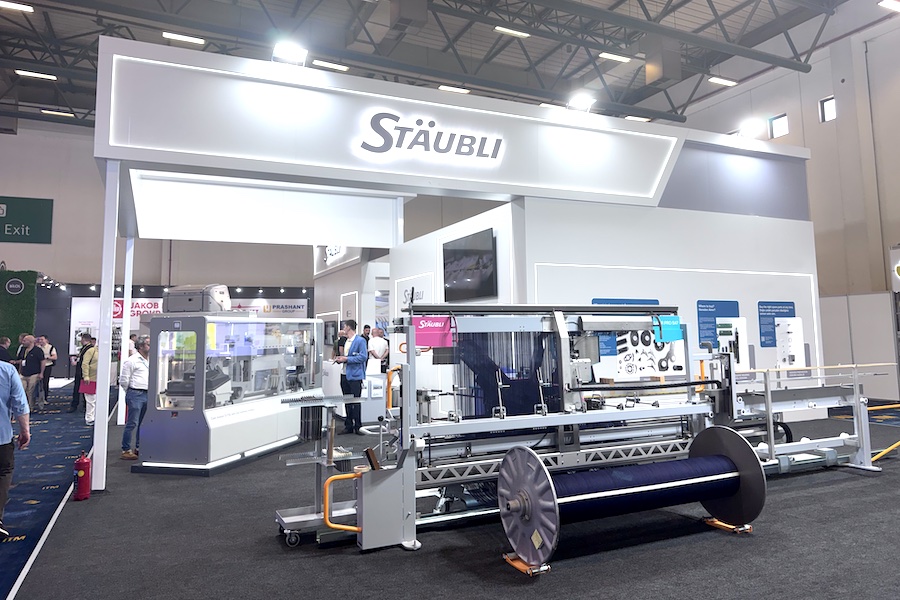
Stäubli to introduce new S3292 dobby for high-speed weaving at ITME India 2026

Stäubli will introduce its new S3292 dobby at ITME India 2026, taking place from December 4 to 9 at the India Expo Centre & Mart in Greater Noida, Uttar Pradesh. Designed for high-speed air-jet weaving, the new machine will be among the highlights of the company's presentation, which also includes warp preparation systems, cam motions, Jacquard technologies and digital services.

#Recycled Fibers

Reju expands textile-to-textile recycling network with six international fabric manufacturers

Reju, a textile-to-textile regeneration company, is expanding its industrial network through collaborations with six fabric manufacturers in Europe and the Americas. The initiative aims to accelerate the integration of regenerated polyester into textile manufacturing and support the development of finished fabrics for commercial applications.

#Nonwovens

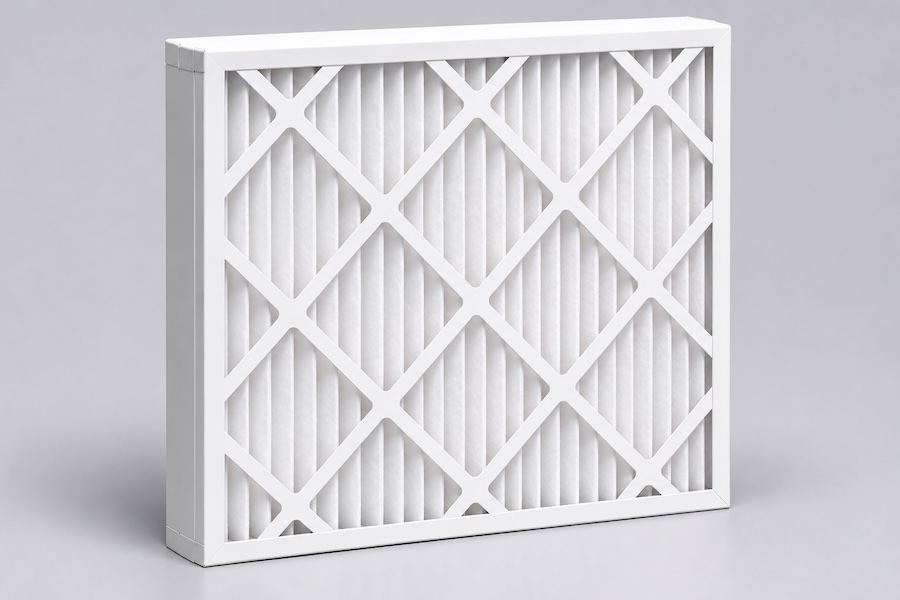
Magnera highlights HighPleat™ filtration media technology at FiltXPO 2026

At FiltXPO 2026, held on October 28–29 at the Minneapolis Convention Center in Minneapolis, Minnesota, Magnera highlighted advances in air filtration media architecture, with a particular focus on its HighPleat™ platform for MERV 8–10 applications. The technology combines a lofted fiber structure with optimized pore architecture to address the challenge of balancing filtration efficiency, airflow resistance and contaminant-holding capacity.

TOP