[pageLogInLogOut]

#Digital Printing

TPS 2024 conference launches call for papers on sustainable printing on textiles

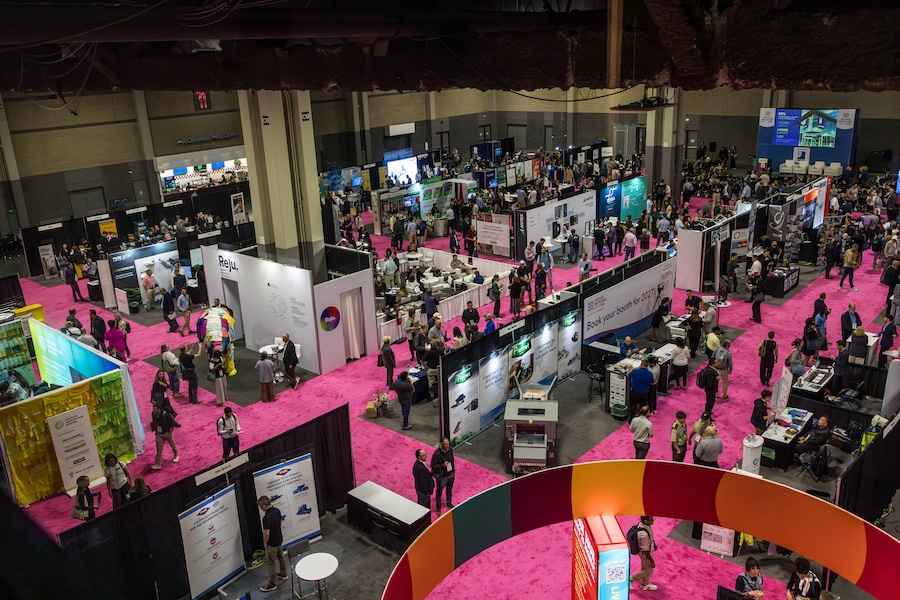
Organised for the second time, the Textile Printing & Sustainability Conference (TPS) returns to Düsseldorf on 15-16 October 2024. Organisers from the European Specialist Printing Manufacturers Association (ESMA) welcome presentations about all critical factors which shape textile production and decoration of today and in the nearest future. Suppliers, researchers and experts in print technology – particularly inkjet and screen – should submit their abstracts until 31 March 2024.

In 2022, key market players and leading academic institutes met for the first time at the new platform to discuss solutions for a responsible textile industry and the contribution of printing technologies. From material science, through print systems, to micro-factories and finishing – TPS brings together all those who drive change and lead to innovation.

This year’s edition will feature two days of presentations while leaving ample time for networking at the accompanying exhibition area. Each conference block will open with keynote speeches balancing between inspiration, policy guidelines, market trends and latest technology insights. Here, the topics will include i.a. EU Green Deal, ecodesign regulations, recycled substrates and biofibres, textile brand strategies, emerging business models, market scenarios and future innovation paths.


Solutions presented by suppliers to the printing industry will cover inks and chemistry (with focus on circularity and resource efficiency), as well as hardware (printheads, electronics, print systems) and workflow automatization (software, RIP, colour management, finishing techniques).

Textile Printing & Sustainability takes a maximally wide angle on the market and technology evolution. Applications in focus include fashion, garment, sportswear, workwear, home textiles and wearables or smart textiles. Wherever there is improvement potential for printing processes, TPS explores the opportunities, identifies the bottlenecks and points to disruptive developments.

Please read the complete call for papers here:

https://tps-conference.com/images/TPS_2024_Call_for_Papers.pdf

Submit your presentation abstract by the 31st of March 2024 to mb@esma.com

Textile Printing & Sustainability (TPS)

Date: 15-16 October 2024

Location: Radisson Blu Conference Hotel Düsseldorf

More info: tps-conference.com


More News from TEXDATA International

#ITM 2026

ITM 2026: The new geography of textile production

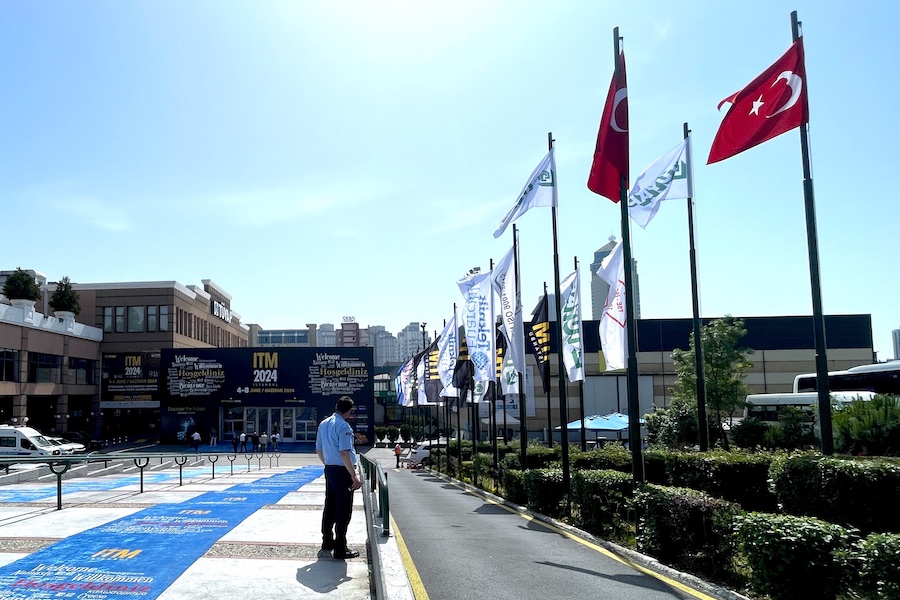
New production hubs are emerging across North Africa and Central Asia, while Türkiye is accelerating its transformation toward higher-value, technology-driven and more sustainable textile manufacturing.

#Research & Development

“Production is a product”

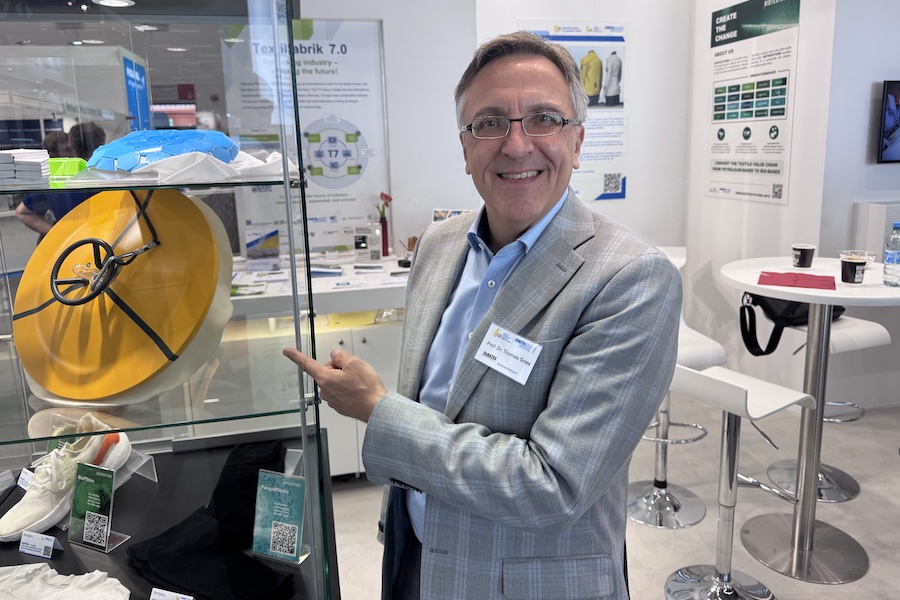
From technical textiles and AI-driven robotics to the limitations of textile circularity: Professor Dr Thomas Gries looks back on more than two decades of development at ITA Aachen. In the interview, he explains why production technology remains a decisive success factor, discusses international collaborations and innovation ecosystems, and shares his views on the transformation of production landscapes and the challenges facing an increasingly regulated industry.

#Knitting & Hosiery

“We need to move away from the price trap and return to a value-driven mindset.”

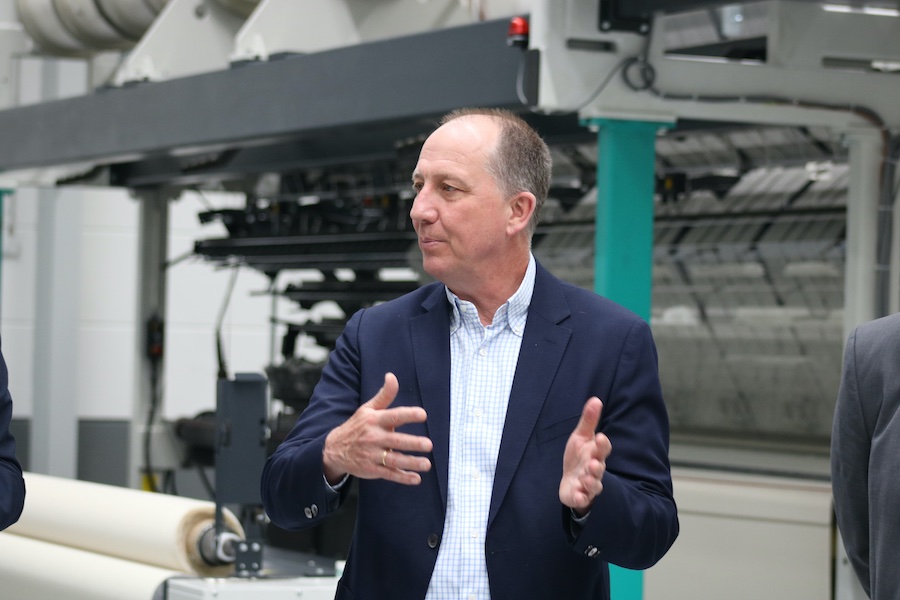
With its new Textile Innovation Center, KARL MAYER is sending a strong signal for innovation, collaboration, and the future of textile applications. In this interview, Karl Josef Mayer discusses new opportunities in warp knitting, the processing of staple fibres, recycling, the changing role of machinery manufacturers, and why the textile industry must once again focus more strongly on the value of textiles. by Oliver Schmidt

#Associations

“Innovation, resilience and international experience remain the great strengths of the Swiss textile machinery industry”

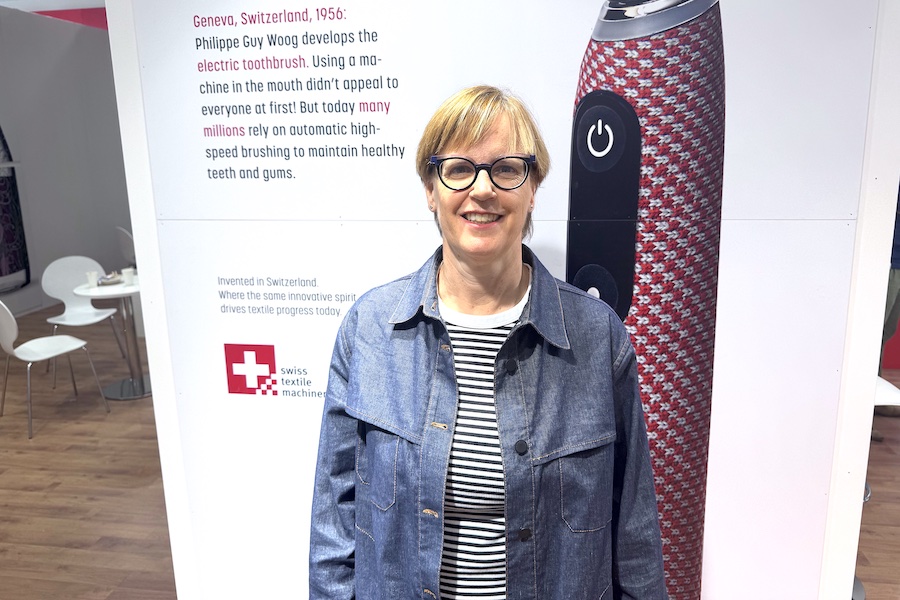
Geopolitical uncertainty, growing competitive pressure from China, new free trade agreements and the shift towards a circular economy are currently reshaping the global textile industry. In this interview, Cornelia Buchwalder discusses the current mood within the Swiss textile machinery sector, the industry’s distinctive innovative strength, new market opportunities in India and Asia, and the technological trends that could shape the upcoming trade fair cycle leading up to ITMA 2027.

More News on Digital Printing

#Digital Printing

VistaPrint increases apparel production capacity with Kornit Apollo

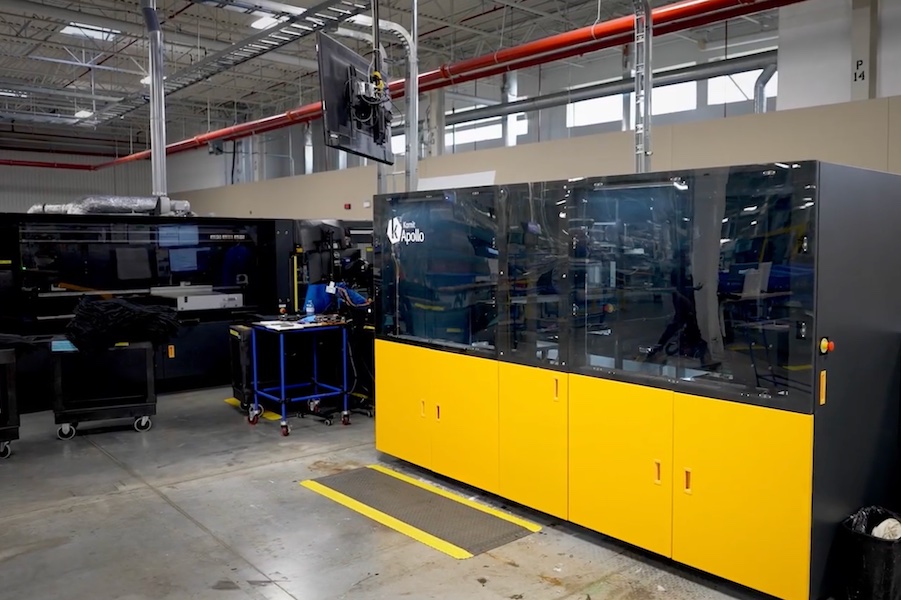
Kornit Digital (NASDAQ: KRNT), a provider of on-demand digital textile production technologies, reports that VistaPrint has significantly increased its apparel production capacity through the implementation of the Kornit Apollo system. The installation has enabled the international print and design company to add approximately 25,000 units of weekly production capacity while improving production speed, operational efficiency and order turnaround times.

#Digital Printing

Blue Tomato accelerates agile retail apparel production with Kornit Digital

Kornit Digital (NASDAQ: KRNT), a global pioneer in on-demand digital fashion and textile production technologies, is highlighting how Blue Tomato, Europe’s largest board sports retailer, is using two Kornit Atlas MAX PLUS systems to support a more agile approach to in-house apparel production. The systems are helping Blue Tomato respond faster to changing consumer trends, produce high-quality apparel for its network of 86 retail stores across Europe and reduce inventory by printing only what the market demands.

#Digital Printing

Growth at the speed of demand: Kornit Digital brings digital textile innovation to PERFORMANCE DAYS 2026

Kornit Digital Ltd. (NASDAQ: KRNT) (“Kornit”), a global pioneer in on-demand digital fashion and textile production, will showcase the possibilities of digital, on-demand production at PERFORMANCE DAYS 2026, October 13–14 at Messe München, Hall 6, Booth E08.

#Digital Printing

Italian textile finishing specialist injects digital agility into luxury textile manufacturing with Kornit Digital

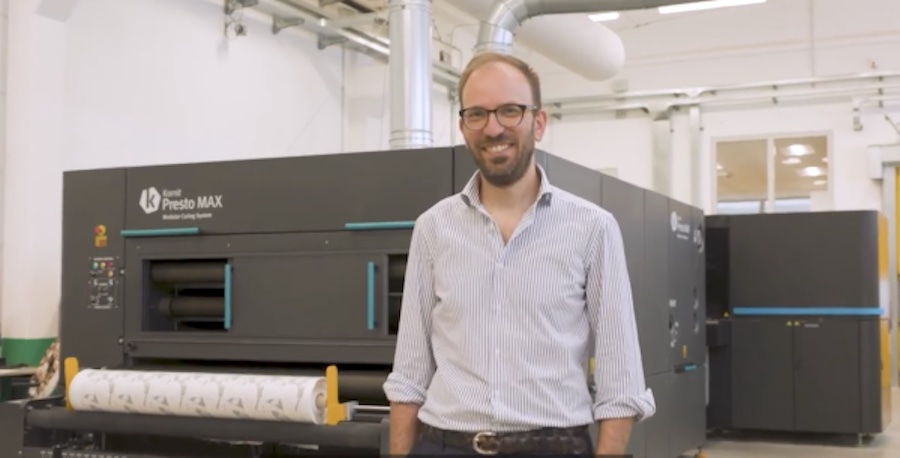
1st October 2026 – Kornit Digital, a global pioneer in sustainable, on-demand digital fashion and textile production technologies, shares the news that Tintoria Finissaggio 2000, one of Italy's leading textile dyeing and finishing specialists, has integrated the Kornit Presto MAX into its production environment to expand its premium textile offering to improve manufacturing efficiency and support growing demand for sustainable, agile fabric production.

Latest News

#ITMA Asia + CITME 2026

KARL MAYER expands TM WEFT capabilities for fashion fabrics at ITMA ASIA 2026

A new E 36 gauge, an EL pattern drive and improved yarn tension regulation extend the application possibilities of KARL MAYER's TM WEFT warp knitting machine. At ITMA ASIA 2026, the company will demonstrate the developments alongside a collection of woven-like warp knitted fabrics for fashion and apparel.

#Recycling / Circular Economy

Textiles Recycling Expo USA 2027 opens registration and expands with manufacturing exhibition

The second edition of Textiles Recycling Expo USA will take place on 7–8 April 2027 in Charlotte, North Carolina. Following a debut that attracted more than 1,800 visitors and 95 exhibitors, the event will expand its exhibition and conference programme and will be held alongside the new Textiles Manufacturing Expo.

#Research & Development

First "Korea Day" at RWTH Aachen attracts more than 300 participants

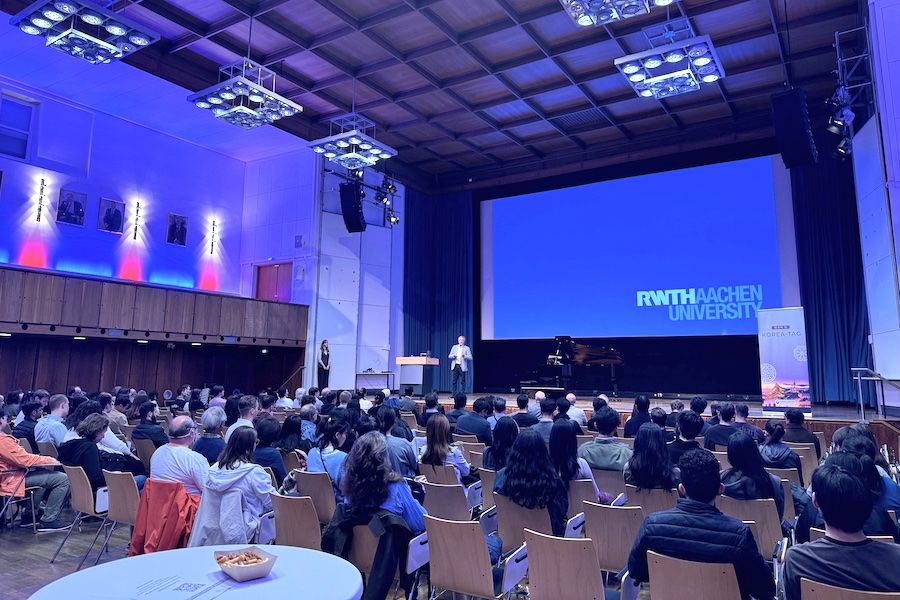
The inaugural Korea Day in Aachen brought together representatives from science, business and Korean institutions to strengthen German-Korean cooperation in research, technology and education. The Institut für Textiltechnik (ITA) of RWTH Aachen University was among the participating organisations.

#Textiles & Apparel / Garment

MarediModa highlights transparency and traceability with InsideOut by C.L.A.S.S.

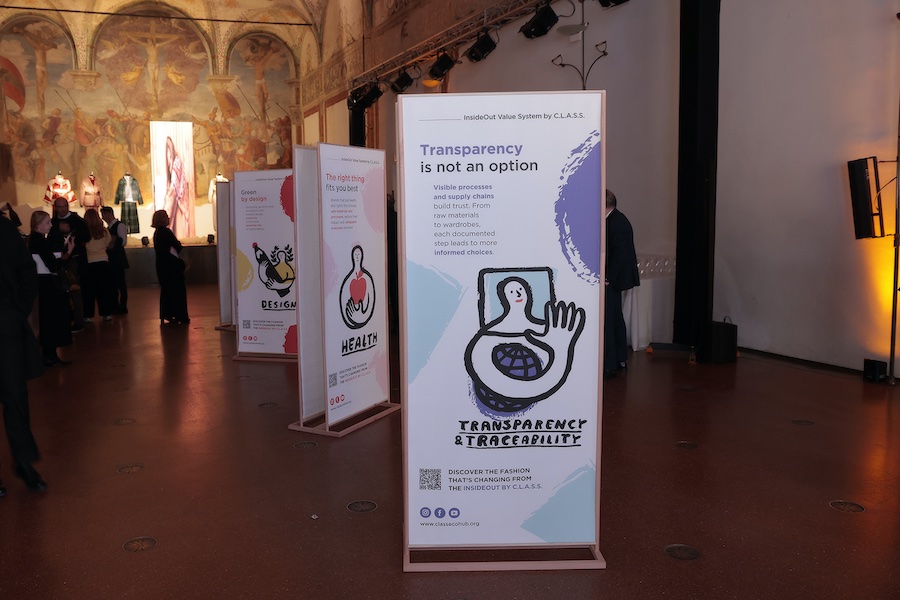
The InsideOut by C.L.A.S.S. exhibition at MarediModa 2026 in Cannes focused on transparency, traceability and the measurable values behind fashion products. Its Decalogue of Values aims to make environmental, social and production-related information more accessible throughout the textile supply chain.

TOP