[pageLogInLogOut]

#Associations

IAF launches CO2 improve initiative

IAF is launching its ‘CO2 improve’ initiative today, aiming to help the worldwide fashion & lifestyle community to do better when it comes to CO2 emissions through fashion logistics. Han Bekke, IAF chairman explains: ‘Fashion supply chains cover the globe so the logistical operations in the fashion industry almost by definition add up to a very high level of pollution.

With growing attention from consumers, governments and NGO’s, individual companies are willing, but also struggling, to do better. With future CO2 taxes looming on the horizon, it is ever more important for any company to know where it stands and to know how to do better.’

A standardization of the CO2 monitoring has become very  important, to create a level playing field for the worldwide fashion & lifestyle community, and to end the chaos that is being created by the ever growing amount of national and generic monitoring systems, with many different and often dubious outcomes. The ‘CO2 Improve initiative’ will initiate and support the creation of  the worldwide industry standard  for measuring CO2 emissions through fashion logistics. Additionally and importantly, the initiative will support the fashion industry in reducing the carbon footprint of its logistics operations by innovating and by cooperating. It’s about improving instead of compensating.


Currently, IAF is mobilizing its industry association members, and many countries are already signing up, with the first encouraging results showing. IAF is working close together with both fashion-logistics and data analyses experts under direction of longtime partner Greenway Logistics. As its CEO Willem-Jan Drost adds: ‘IAF has now created its CO2 improve initiative in a way that will help the largely SME fashion & lifestyle community to do better, by offering practical, hands-on support.’ IAF offers its member associations a suite of services to help their member companies measure and then reduce their CO2 level in logistics through individual actions and particularly through collective industry projects.
More News from TEXDATA International

#ITM 2026

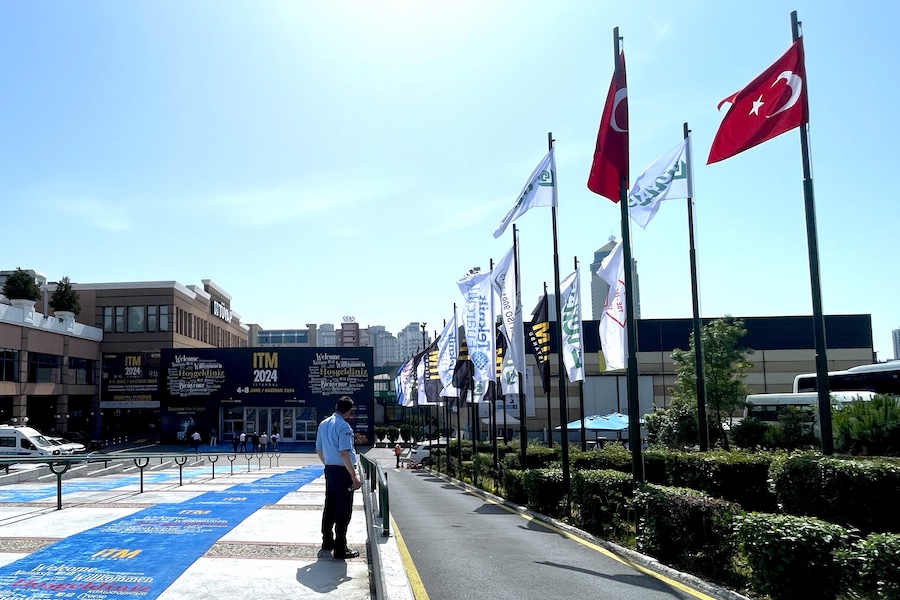
ITM 2026: The new geography of textile production

New production hubs are emerging across North Africa and Central Asia, while Türkiye is accelerating its transformation toward higher-value, technology-driven and more sustainable textile manufacturing.

#Research & Development

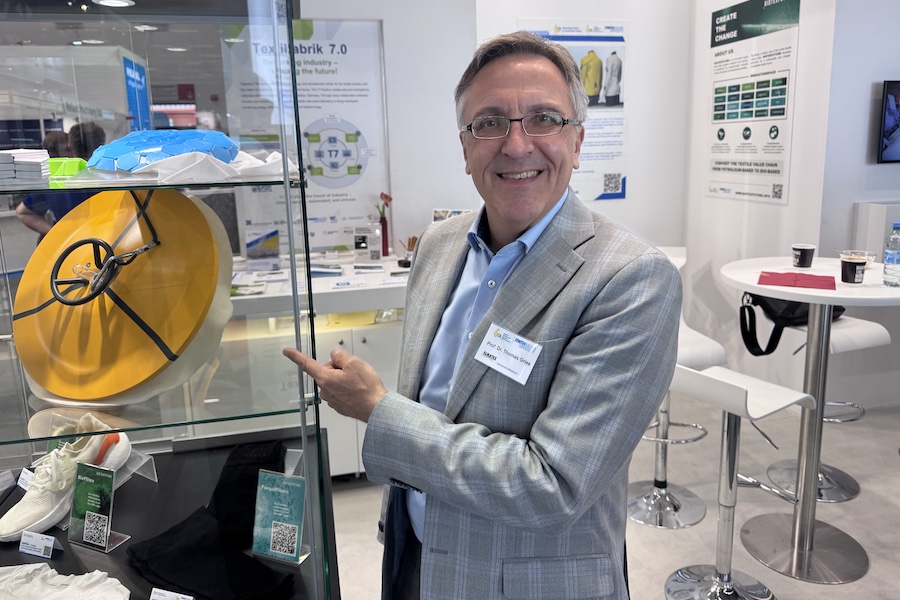
“Production is a product”

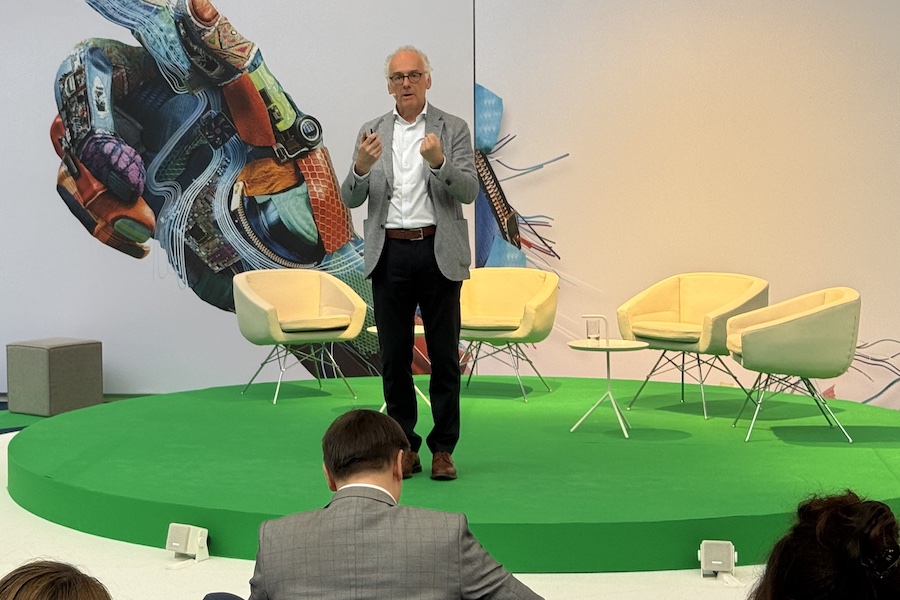
From technical textiles and AI-driven robotics to the limitations of textile circularity: Professor Dr Thomas Gries looks back on more than two decades of development at ITA Aachen. In the interview, he explains why production technology remains a decisive success factor, discusses international collaborations and innovation ecosystems, and shares his views on the transformation of production landscapes and the challenges facing an increasingly regulated industry.

#Knitting & Hosiery

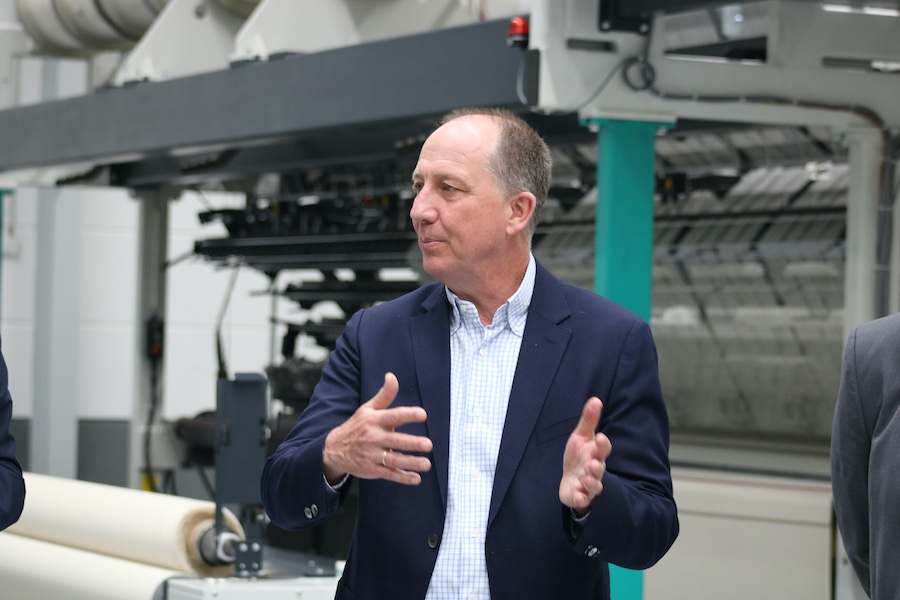
“We need to move away from the price trap and return to a value-driven mindset.”

With its new Textile Innovation Center, KARL MAYER is sending a strong signal for innovation, collaboration, and the future of textile applications. In this interview, Karl Josef Mayer discusses new opportunities in warp knitting, the processing of staple fibres, recycling, the changing role of machinery manufacturers, and why the textile industry must once again focus more strongly on the value of textiles. by Oliver Schmidt

#Associations

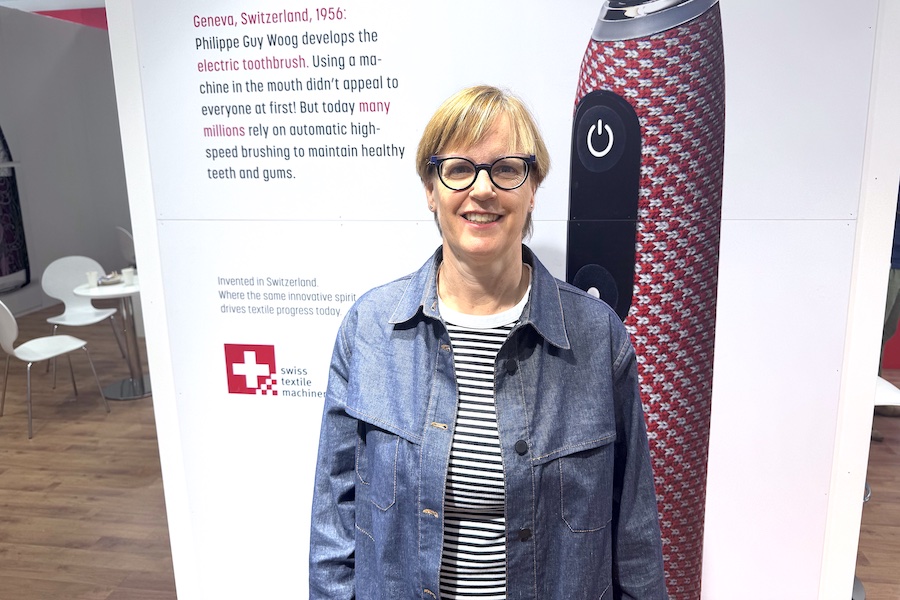
“Innovation, resilience and international experience remain the great strengths of the Swiss textile machinery industry”

Geopolitical uncertainty, growing competitive pressure from China, new free trade agreements and the shift towards a circular economy are currently reshaping the global textile industry. In this interview, Cornelia Buchwalder discusses the current mood within the Swiss textile machinery sector, the industry’s distinctive innovative strength, new market opportunities in India and Asia, and the technological trends that could shape the upcoming trade fair cycle leading up to ITMA 2027.

More News on Associations

#Recycling / Circular Economy

New skills for a circular textile economy

Based on the results of a comprehensive analysis, the Erasmus+ project Skills4Circularity is developing three practical training modules covering recycling technologies, eco-design for the circular economy and sustainable manufacturing. The content of the first module, Recycling Technologies, has now been developed and validated together with industry representatives. The module provides participants with knowledge of regulatory requirements, material sorting and the preparation of textile waste for recycling.

#Associations

Bangladesh: Italian textile machinery mission stops in Dhaka and Chittagong

Technological upgrading and the transition toward higher value-added production are driving the new Italian industrial mission to Bangladesh. This year, the mission will split between the country’s two main manufacturing hubs, where Italian manufacturers will meet the leaders of the local textile supply chain in two strategic stages: July 7th in Dhaka and July 9th in Chittagong.

#Associations

Mongolia: Workshop on Italian textile technologies kicks off in Ulaanbaatar

The workshop dedicated to Italian textile technologies will kick off in Ulaanbaatar from 21 to 23 June 2026. Focused on the most advanced innovative solutions for the textile industry, the initiative will bring together 13 Italian textile machinery manufacturers, confirming the growing interest in strengthening industrial cooperation between the two countries and highlighting Mongolia’s strategic importance for Italian textile machinery producers.

#Associations

Towards pragmatic and harmonised labelling in the EU

EDANA, alongside 14 European associations, urges the European Commission and Member States to adopt a pragmatic approach for the future harmonised packaging labels, in line with the EU’s agenda for the EU Single Market, simplification and competitiveness. The system should rely on text-free pictograms, available in achromatic or monochromatic versions matching the packaging palette, with the possibility of using digital labelling as a core element. Our associations represent manufacturers of consumer goods across Europe.

Latest News

#Recycling / Circular Economy

Textiles Recycling Expo 2026 builds on successful debut with record attendance, global participation and expanded industry collaboration

The second edition of Textiles Recycling Expo concluded on 24–25 June at Brussels Expo, reinforcing its position as Europe's leading exhibition and conference dedicated exclusively to textile recycling and circularity.

#Composites

JEC Forum Southeast Asia 2026 highlights Taiwan as a strategic hub for the global composites industry

The third edition of JEC Forum organized in Southeast Asia brought together 350+ participants from 22 countries for three active days of high-level Business Meetings, conferences, and networking, emphasizing Southeast Asia’s growing role in the global composites market. Held for the first time in Taipei from 23 to 24 June 2026, following the successful first editions in Bangkok, JEC Forum Southeast Asia 2026 confirmed its position as the region’s leading business platform dedicated to the composites industry.

#Nonwovens

EDANA announces five new board members following 2026 Annual General Meeting

The EDANA Board of Governors is elected or re-elected at the Annual General Meeting by the member companies. The Governors are senior executives (business leaders) from member companies, based in different countries and representing different sectors of the nonwovens industry. The Board has central responsibility for guiding EDANA's overall strategy and approving its policies and priorities. It meets three times a year.

#Nonwoven machines

DiloGroup - Complete nonwoven needling line for hygiene materials in the United States

DiloGroup has received an order for a complete needling line designed for the production of hygiene materials in the United States. This project further strengthens our position in the American hygiene sector and reflects the continued demand for reliable, high-performance nonwoven equipment.

TOP