[pageLogInLogOut]

#Textile chemistry

Borealis appoints Mirjam Mayer as Vice President Circular Economy Solutions

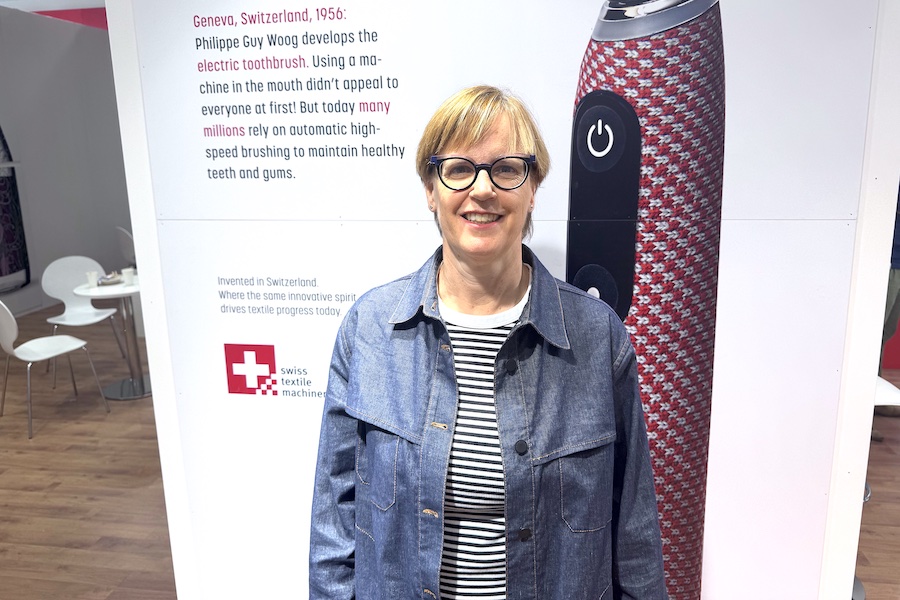
Borealis announces the appointment of Mirjam Mayer, previously Vice President Polyolefins Transformation, as Vice President Circular Economy Solutions as of 1 January 2024. In this position, she will be overlooking and managing Borealis’ entire Circular Economy Solutions (CES) value chain.

Mirjam Mayer joined Borealis in 2020 in the role of Director Strategy & Growth Portfolio in which she drove the development and implementation of the Borealis Group Strategy and supported the different businesses in strategy and business development as well as growth initiatives. Since 2022, she held the role of Vice President Polyolefins Transformation where she was responsible for developing and leading the business portfolio of Borealis Polyolefins, Circular Economy Solutions and Innovations & Technology initiatives. Prior to Borealis she gained extensive experience as a consultant with McKinsey for several years, based in Germany, India, the US and Austria.

Mirjam Mayer holds a postdoctoral degree from the Massachusetts Institute of Technology (MIT) in Boston, US, and a PhD in Biochemistry/Biophysics from the Max Planck Research School and University of Technology in Dresden, Germany. She is a German citizen.

“Mirjam's exceptional leadership in steering our Polyolefins business transformation, coupled with her deep understanding of Circular Economy Solutions, has positioned her as a pivotal force in our journey towards sustainable growth. Mirjam's strategic acumen, paired with her hands-on approach, embodies the perfect blend of vision and execution. We're confident that her expertise will continue to drive our Circular Economy Solutions business to new heights,” says Thomas Gangl, Borealis CEO.

Mirjam Mayer appointed Borealis Vice President Circular Economy Solutions © Borealis


More News from TEXDATA International

#ITM 2026

ITM 2026: The new geography of textile production

New production hubs are emerging across North Africa and Central Asia, while Türkiye is accelerating its transformation toward higher-value, technology-driven and more sustainable textile manufacturing.

#Research & Development

“Production is a product”

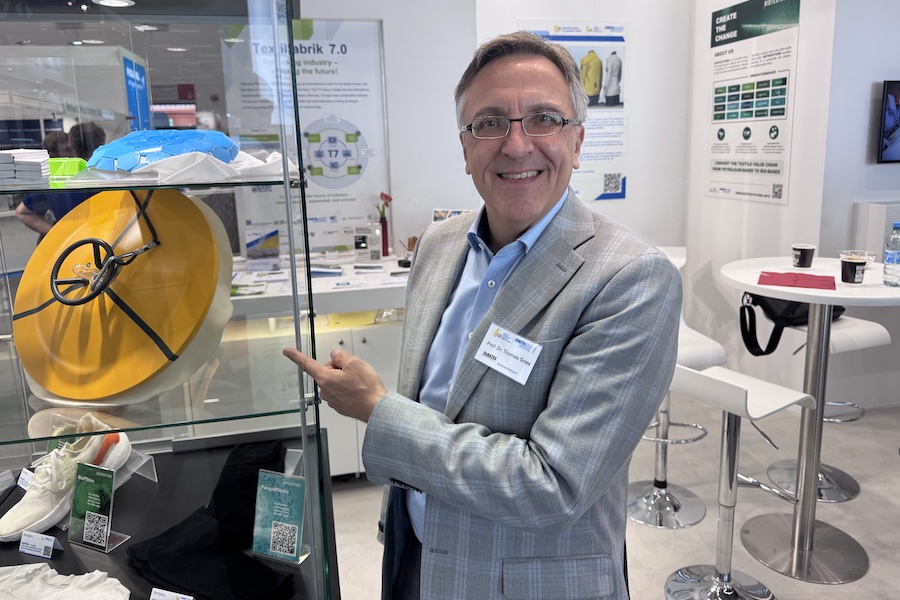
From technical textiles and AI-driven robotics to the limitations of textile circularity: Professor Dr Thomas Gries looks back on more than two decades of development at ITA Aachen. In the interview, he explains why production technology remains a decisive success factor, discusses international collaborations and innovation ecosystems, and shares his views on the transformation of production landscapes and the challenges facing an increasingly regulated industry.

#Knitting & Hosiery

“We need to move away from the price trap and return to a value-driven mindset.”

With its new Textile Innovation Center, KARL MAYER is sending a strong signal for innovation, collaboration, and the future of textile applications. In this interview, Karl Josef Mayer discusses new opportunities in warp knitting, the processing of staple fibres, recycling, the changing role of machinery manufacturers, and why the textile industry must once again focus more strongly on the value of textiles. by Oliver Schmidt

#Associations

“Innovation, resilience and international experience remain the great strengths of the Swiss textile machinery industry”

Geopolitical uncertainty, growing competitive pressure from China, new free trade agreements and the shift towards a circular economy are currently reshaping the global textile industry. In this interview, Cornelia Buchwalder discusses the current mood within the Swiss textile machinery sector, the industry’s distinctive innovative strength, new market opportunities in India and Asia, and the technological trends that could shape the upcoming trade fair cycle leading up to ITMA 2027.

More News on Textile chemistry

#Textile chemistry

PFAS restrictions drive innovation in waterproof breathable fabrics

Innovation in waterproof breathable fabrics and apparel is being driven by legislation restricting the use of per- and polyfluoroalkyl substances (PFASs) as manufacturers develop alternative membranes and finishes for use in outdoor apparel, according to “Waterproof breathable fabrics: changing legislation is driving innovation”, a 50-page report from the global business information company Textiles Intelligence.

#Techtextil & Texprocess 2028

Techtextil and Texprocess 2028 strengthen networking and business opportunities along the textile value chain

Techtextil and Texprocess are preparing for their next editions from 4 to 7 April 2028 in Frankfurt with an optimised hall layout designed to strengthen connections across the textile value chain. The new structure brings materials, production technologies and processing solutions closer together, while several leading international companies have already confirmed their participation. Exhibitors can benefit from early-booking rates until 30 November 2026.

#Textile chemistry

Archroma and Prosperity Textile to collaborate on denim innovation

Archroma, a global leader in specialty chemicals, and Prosperity Textile, an international fabric manufacturer with production bases in China and Vietnam, have announced a partnership to drive denim innovation. They will collaborate to develop, evaluate and implement new approaches to improve denim aesthetics, durability and performance, with a shared commitment to sustainability.

#Textile chemistry

SANITIZED and RUDOLF join forces to extend textile performance and wearability

Long-lasting performance textiles require solutions that address a wide range of consumer expectations, from lasting freshness and comfort to reliable protection against the elements. SANITIZED and RUDOLF are highlighting their latest innovations, demonstrating how specialized textile technologies can support the functional durability and wearability of modern apparel.

Latest News

#India ITME 2026

Trützschler brings intelligent fiber processing and automation to India ITME 2026

From December 4 to 9, 2026, the Trützschler Group will present its latest innovations in spinning, card clothing and nonwovens at India ITME in Greater Noida, India. At Hall 11, Booth B15, visitors can discover solutions designed to increase productivity, reduce operating costs and ensure consistently high product quality. Key highlights include the intelligent card TC 26i, the 12-head comber TCO 21XL, innovative card clothing solutions for improved fiber utilization and quality, as well as advanced nonwovens technologies for hygiene, wipes and technical applications.

#Recycling / Circular Economy

Circulose resumes recycling of discarded cotton textiles and appoints interim CEO

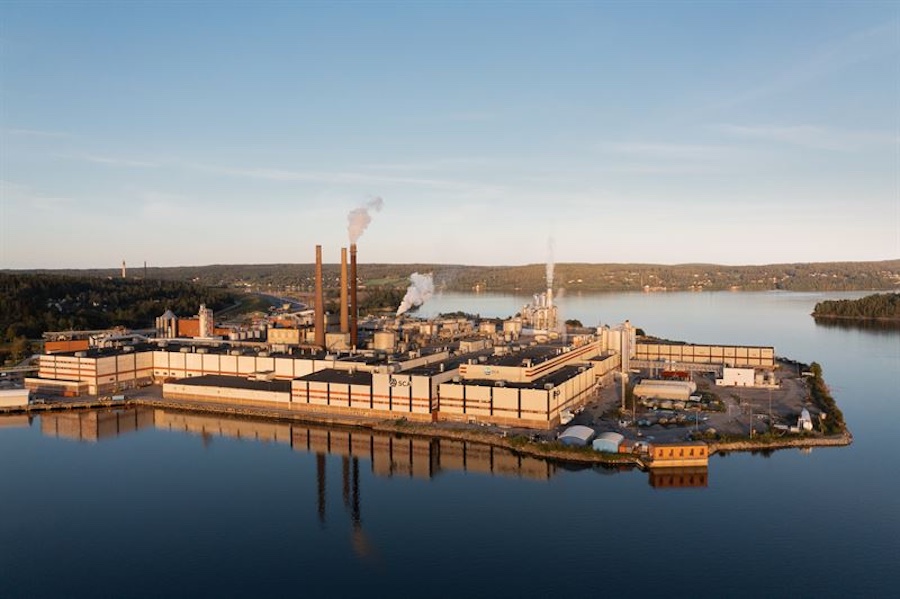
Circulose today announced its restart of commercial-scale production plant at Ortviken in Sundsvall, Sweden, marking a significant step in scaling next-generation materials for the global fashion industry. The Ortviken plant is the world’s first commercial-scale chemical textile recycling facility. Its restart demonstrates that the fashion industry is seeking ways to scale proven solutions that move beyond pilots and into commercial production.

#ITMA Asia + CITME 2026

Itema brings textile versatility to ITMA ASIA + CITME 2026

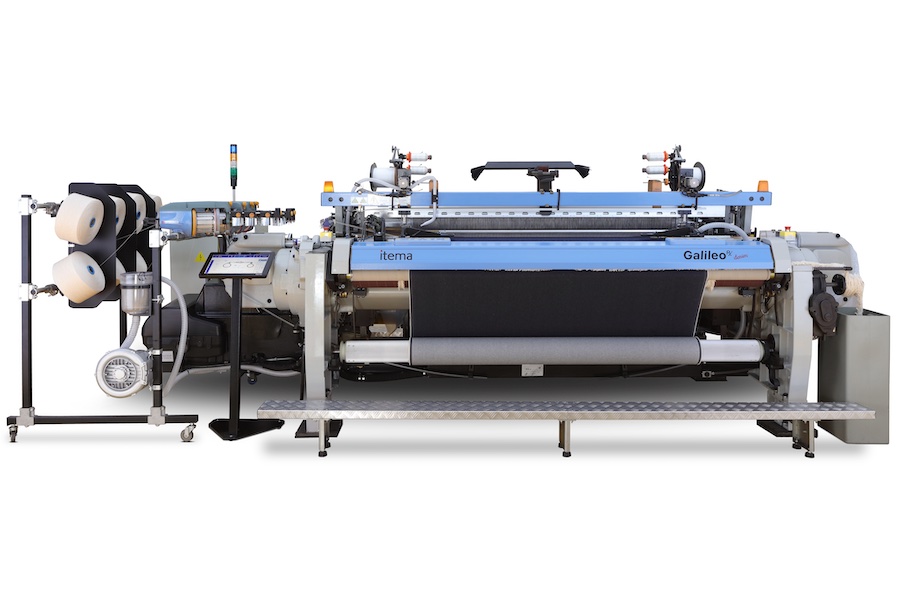
Itema announces its participation in ITMA ASIA + CITME 2026, taking place November 20–24 at the National Exhibition and Convention Center in Shanghai. In Hall 3 – Stand D06, the company will showcase two Galileo-RX rapier weaving machines weaving heavy denim and conveyor belt fabrics, demonstrating its ability to address different textile requirements with application-specific configurations. Five additional Itema machines at partner booths will extend the exhibition lineup to upper shoe fabric, label, Jacquard leno fabrics, and shirting, offering visitors a broader view of Itema rapier and air-jet weaving technologies.

#Dyeing, Drying, Finishing

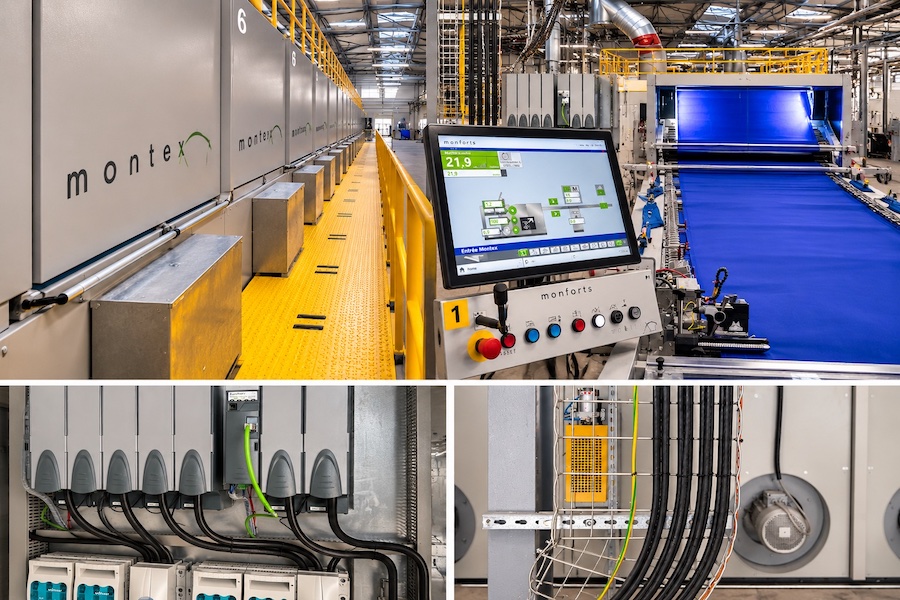
AEI reaps the benefits of all-electric new Monforts range

The impact of the rising cost of energy on the textile industry has been well documented, with some European countries paying up to seven times more to run their manufacturing operations than in other regions of the world.

TOP