#Textile chemistry
PFAS restrictions drive innovation in waterproof breathable fabrics
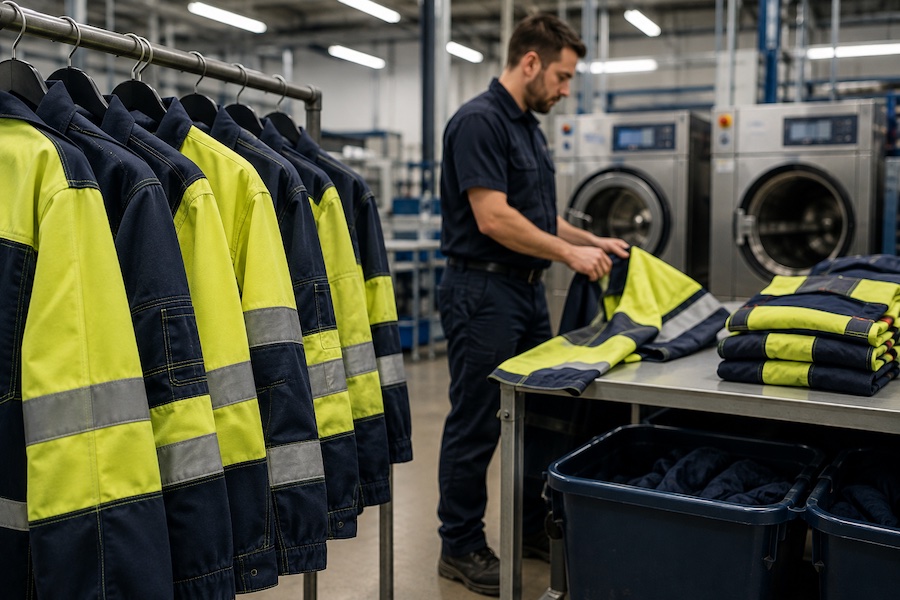
© 2026 TexData International / Illustration developed with AI support
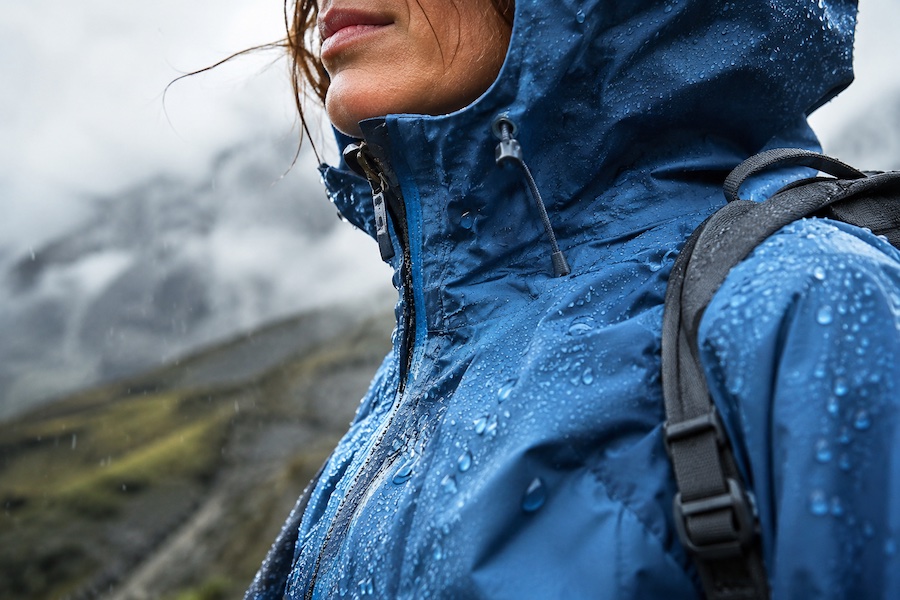
Waterproof fabrics and apparel have long played a crucial role in protecting wearers from rain and other adverse weather conditions. However, comfort has gradually become as important to consumers as functionality, and this has prompted the development of fabrics which are capable of repelling water while also allowing moisture vapour to escape.
Traditionally, PFASs have been used to manufacture waterproof breathable membranes and to produce durable water repellent (DWR) finishes. In membranes, they help to prevent water penetration, while in DWR finishes they impart water repellency to fabric surfaces.
However, PFASs are often referred to as “forever chemicals” because many of them do not break down easily and can persist in the environment. Furthermore, exposure to certain PFASs has been linked to adverse effects on human health.
As a result, consumer awareness of PFASs and legislation restricting their use have prompted a major shift within the market for waterproof breathable fabrics and apparel, and significant strides have been made in the development of membranes and finishes using alternative chemistries.
Alternatives to materials made using PFASs include those based on bio-based polyurethanes and membranes made from materials which are free from fluorine.
However, manufacturers face the challenge of developing alternative materials which meet the performance requirements of outdoor apparel. In particular, waterproof breathable fabrics and apparel must provide an appropriate balance between protection from rain and the ability to allow moisture vapour to escape.
Also, the level of performance required varies according to the intended application. For example, a garment designed for prolonged exposure to severe weather may require greater protection against water penetration than one intended for everyday use.
One of the most significant developments has been the introduction of a Gore-Tex membrane made from expanded polyethylene (ePE) by W L Gore & Associates. The ePE membrane provides an alternative to the company’s original membrane, which is made from expanded polytetrafluoroethylene (ePTFE)—a fluoropolymer belonging to the PFAS group.
Looking ahead, global demand for waterproof breathable fabrics is forecast to grow at a healthy rate in the coming years—reflecting, in particular, the importance of such fabrics in a broad range of outdoor apparel products. Furthermore, the market for waterproof breathable fabrics and apparel is set to benefit from the increasing popularity of outdoor pursuits.
As the market grows and restrictions on PFASs continue to develop, manufacturers will face pressure to improve the performance of alternative membranes and finishes while meeting the needs of brands and consumers.