[pageLogInLogOut]

#Sustainability

Organic in conversion story

GOTS supports organic in conversion! Using the GOTS label grade 'organic in conversion' means to encourage agricultural practices that are transitioning from conventional to organic farming.

Angelina Wolf from Gruene Erde talks about their experience with using organic in conversion fibres and the GOTS in conversion label.??

How did you become aware of organic in conversion??

We design everything ourselves and have the designs manufactured in Turkey, Portugal and Latin America. We work closely with our suppliers when it comes to choosing our high-quality materials. That´s how we became aware of the possibility to use ‘organic in conversion’ fibres as alternative to organic fibres, whereby we also support the transition from ‘conventional’ to organic agriculture. 


Why do you support organic in conversion??

Organic farming is very close to our heart and using organic fibres is a minimum requirement for our products. It is therefore also a vision of ours, to support more and more farmers in their transition to organic farming, to set out the path for a sustainable future. By using ‘organic in conversion’ fibres we can support farmers along their journey to organic. It also increases the range of our GOTS certified products. Our annual residue tests assure that our consumers no longer run the risk to get in contact with pesticides from times before we used organic materials.

More News from TEXDATA International

#ITM 2026

ITM 2026: The new geography of textile production

New production hubs are emerging across North Africa and Central Asia, while Türkiye is accelerating its transformation toward higher-value, technology-driven and more sustainable textile manufacturing.

#Research & Development

“Production is a product”

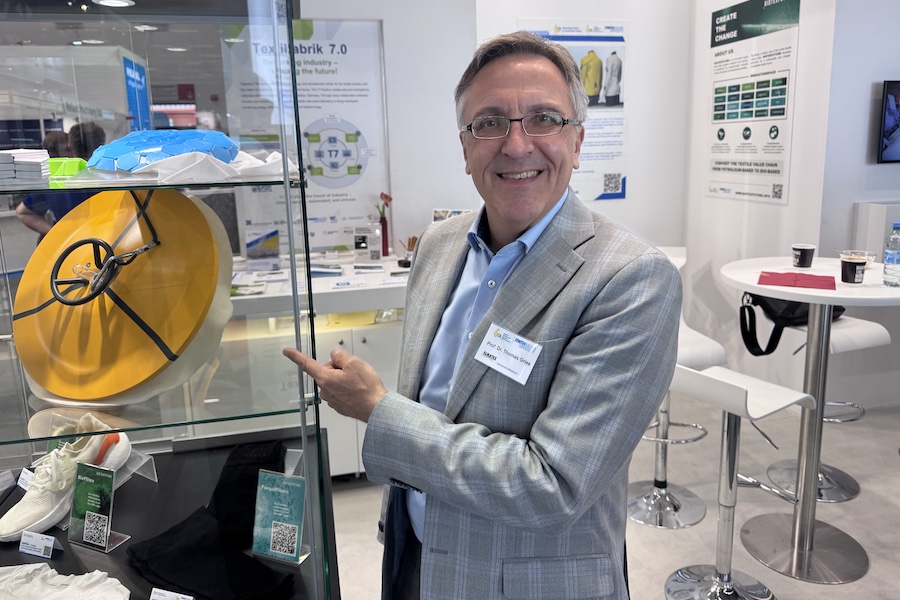
From technical textiles and AI-driven robotics to the limitations of textile circularity: Professor Dr Thomas Gries looks back on more than two decades of development at ITA Aachen. In the interview, he explains why production technology remains a decisive success factor, discusses international collaborations and innovation ecosystems, and shares his views on the transformation of production landscapes and the challenges facing an increasingly regulated industry.

#Knitting & Hosiery

“We need to move away from the price trap and return to a value-driven mindset.”

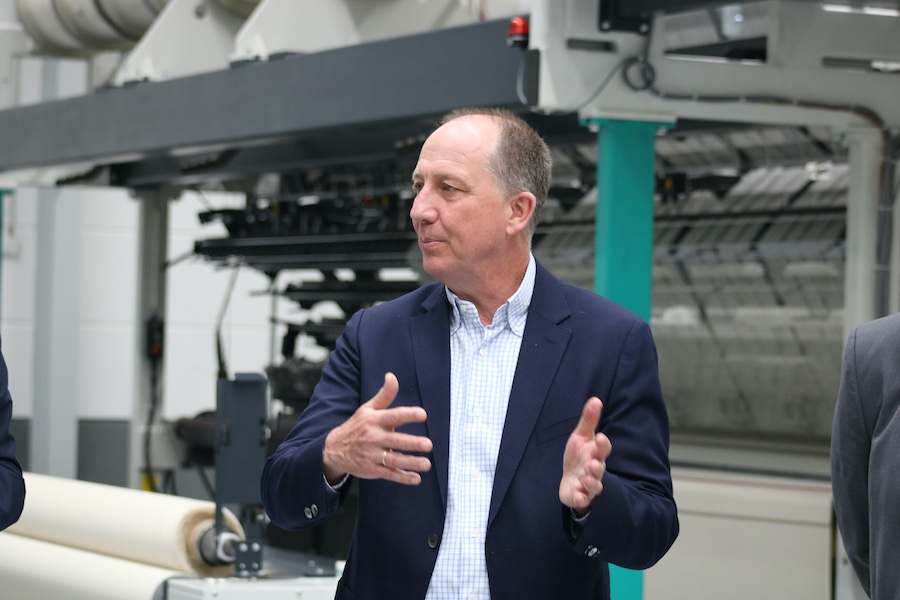
With its new Textile Innovation Center, KARL MAYER is sending a strong signal for innovation, collaboration, and the future of textile applications. In this interview, Karl Josef Mayer discusses new opportunities in warp knitting, the processing of staple fibres, recycling, the changing role of machinery manufacturers, and why the textile industry must once again focus more strongly on the value of textiles. by Oliver Schmidt

#Associations

“Innovation, resilience and international experience remain the great strengths of the Swiss textile machinery industry”

Geopolitical uncertainty, growing competitive pressure from China, new free trade agreements and the shift towards a circular economy are currently reshaping the global textile industry. In this interview, Cornelia Buchwalder discusses the current mood within the Swiss textile machinery sector, the industry’s distinctive innovative strength, new market opportunities in India and Asia, and the technological trends that could shape the upcoming trade fair cycle leading up to ITMA 2027.

More News on Sustainability

Latest News

#Digital Printing

Where every detail counts: Experiential applications of DTF and UV-DTF printing

Personalisation has moved far beyond the traditional logo on a t-shirt. Today, brands want to create complete experiences, where every detail – from clothing and accessories to décor and packaging – feels distinctive and reflective of their identity.

#Europe

The Digital Product Passport registry is now live

On 20 July, the European Commission launched the Digital Product Passport Registry together with a testing environment, marking an important milestone in making the Digital Product Passport (DPP) a practical reality for businesses placing products on the EU market.

#Europe

EU ban on destroying unsold clothing and footwear now in force

The European Union's ban on the destruction of unsold clothing, clothing accessories and footwear has entered into force. Since July 19, 2026, large companies across the EU have been prohibited from destroying unsold textile products, while medium-sized companies will be required to comply with the same rules from 2030.

#Recycled Fibers

Eastman Naia™ brings its inside-out denim vision to Kingpins New York

Following its debut at Kingpins Amsterdam, Eastman Naia™ brings the next chapter of its denim story to Kingpins New York, taking place July 22–23. At Booth Green 7, Naia™ presents its denim proposition built around three complementary design directions: Performance Denim, Fashion Denim and Authentic Denim.

TOP