[pageLogInLogOut]

#Retail & Brands

Macy’s, Inc. announces sustainable initiatives to drive a more circular future

Through its social purpose platform, Mission Every One, Macy’s, Inc. is committed to creating a brighter future for all and creating a more equitable and sustainable future. Today, Macy’s, Inc. is providing an update detailing its achievements towards its long-term Sustainability goals – including initiatives that promote circularity throughout its value chain.

“As a leading, omnichannel retailer, we understand the role we play in creating a more equitable and sustainable future for all. We are committed to promoting a more circular economy across our value chain,” said Keelin Evans, vice president of sustainability at Macy’s, Inc. “Our efforts are focused on providing sustainable and ethically produced brands, products, and services to our customers, while reducing our impact on the environment through operations. We’re going to achieve this through our guiding social purpose platform, Mission Every One, and an enterprise-wide collaboration with partners, designers, suppliers, logistics partners, entrepreneurs, colleagues and customers.” 

Macy’s aims to advance its sustainable product by offering to include circular solutions and services, prioritizing opportunities that extend the life of a product. To drive this goal and begin the transition to a more circular business, earlier this year, Macy’s became a part of the Ellen MacArthur Foundation community, focused on accelerating and enabling the transition to a global, circular economy and FABSCRAP, a non-profit in New York City that helps ensure that the fabric waste – an unavoidable part of the design and development process – is reused, upcycled, downcycled and recycled responsibly.

Over the past year and a half, the company has also introduced several initiatives to reduce, reuse and recycle across its private and market brand product offerings and operations.

To reduce waste, Macy’s Private Brand team has embraced technology that allows the scaling back of the number of physical samples required from suppliers without impacting fit, color and other design considerations. This process has significantly decreased textile waste. In 2019, 5% of samples were digital and by the end of the 2022 development season, 61% of all samples were made virtually. This shift actively keeps product that would otherwise not have use, out of landfills.

Macy’s has also adopted best practices to reduce packaging, including standardizing the size of packing cartons and minimizing packaging materials:

  • Auto-boxer and auto-bagger technology enables Macy’s to create unique packaging fitting odd or oversized items and reducing box volume and waste up to 50%.
  • In 2022, virgin plastic mailer bags were edited to include 35% recycled content, reducing the thickness of the bag by 20%. As a result, virgin plastic input was reduced by more than 50%.
  • All cardboard used by Macy’s fulfillment centers is FSC certified and is comprised of 35% recycled content.
  • In Spring of 2022, most packages digital Macy’s orders fulfilled by our fulfillment centers do not include printed invoices to reduce unnecessary waste as customers are able to reference order information in their online accounts and email receipts.


To reuse and extend the life of all products, the Macy’s reverse logistics team is dedicated to moving goods from customers back to the sellers, or manufacturers, or sold to resellers to continue the lifecycle of the product. Through its partnership with Give Back Box, Macy’s customers can contribute to the responsible lifecycle of their clothes, toys and other pre-loved items by downloading a pre-paid shipping label from Macy’s website and sending them to be donated for resale and recycling.

Additionally, both Macy’s and Bloomingdale’s offer accessible care instructions and programs to help customers extend the product life and reduce water and electricity use. For products like Jewelry, Watches and Furniture, repair services are available through WorryNoMore Protection Plans and a partnership with My Jewelry Repair.

As part of its 2025 goal to recycle as much material as possible, the Macy’s beauty products team launched a pilot program to minimize environmental impact by shipping outdated collateral to a third-party to be recycled rather than disposing of it in-store. Macy’s also launched a program to use RFID technology to track participation and weights of store cardboard recycling as part of the goal to increase store recycling rates to 80% by 2025.

These initiatives are some of the latest examples of Macy’s, Inc.’s sustainable initiatives and practices undertaken to create a meaningful impact for people, the planet and the communities they serve. For more information about Macy’s, Inc. sustainability initiatives and reporting, visit macysinc.com/purpose. 


More News from TEXDATA International

#Techtextil 2026

Textile Chemicals & Dyes: Innovation in Textile Chemistry moves into focus at Techtextil 2026

From PFAS-free finishes and water-saving dyeing technologies to advanced coatings and recycling-compatible formulations, innovation in textile chemistry is accelerating across the industry. Reflecting this development, Techtextil 2026 introduces Textile Chemicals & Dyes as a dedicated product segment, highlighting the growing role of chemical solutions in shaping the next generation of technical textiles.

#Recycling / Circular Economy

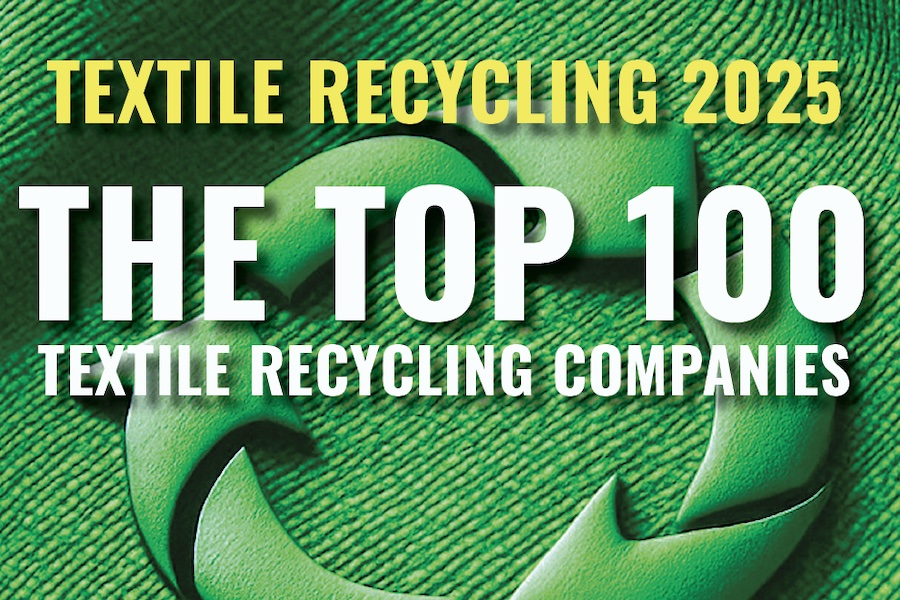
textile.4U publishes special edition “Top 100 Textile Recycling Companies 2025”

With a comprehensive 176-page special edition, textile.4U is dedicating its latest issue entirely to one of the most dynamic and influential topics in today’s textile industry: textile recycling. The new issue, published exclusively in high-quality print, presents the Top 100 textile recycling companies researched and selected by TexData – organizations that already play a key role in the transition to circular textiles or are expected to have a significant impact in the near future.

#Recycling / Circular Economy

Responsible Textile Recovery Act of 2024 signed by Governor

Senator Josh Newman (D-Fullerton) is proud to announce that Senate Bill 707 (SB 707), the Responsible Textile Recovery Act of 2024, has been signed into law by the Governor of California, Gavin Newsom. This groundbreaking legislation establishes the country’s first Extended Producer Responsibility (EPR) textile recycling program, marking a significant step forward in the state’s efforts to combat waste and promote sustainability.

#Textiles & Apparel / Garment

Modtissimo promotes sustainability with 28 coordinates in the Green Circle

Modtissimo is proving more and more to be a textile and clothing show that delivers the latest innovations in the area of sustainability, with the iTechStyle Green Circle being the main showcase for companies' creations. In this 60+4 edition, taking place on 12 and 13 September, 28 coordinates will be exhibited in a section organised by CITEVE and curated by Paulo Gomes.

More News on Retail & Brands

#Recycling / Circular Economy

Recover™ secures multi-year recycled cotton agreement with H&M

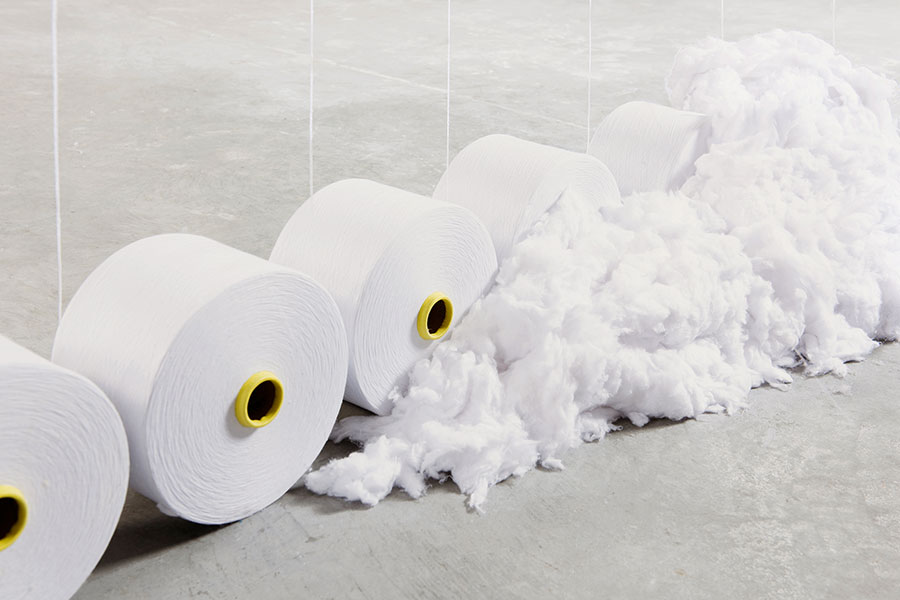
Recover™ has signed a multi-year agreement with H&M to support the integration of its recycled cotton fiber, RCotton, for use in H&M’s products. Since early 2024, H&M and Recover™ have collaborated on product development, which now enables scaled commercial introduction of Recover™ mechanically recycled cotton into H&M’s collections.

#Sustainability

GORE-TEX® KIDSWEAR launches innovative membership scheme for kids’ jackets

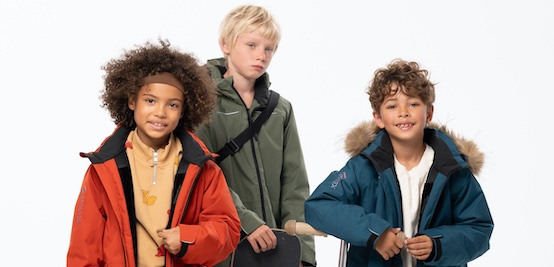
With its revolutionary new membership model, GORE-TEX® Kidswear now offers families a simple, flexible and sustainable way of kitting out their children in top-quality jackets. It is aimed at the parents of children aged between five and ten and kicks off with a choice of functional winter jackets.

#Sustainability

H&M Foundation funds pioneering initiative to build the factories of the future

The H&M Foundation is committing SEK 53 million (approx. EUR 5 million) towards Future Forward Factories, a five-year initiative led by Fashion for Good, to address fashion’s most polluting stage: tier 2 textile processing.

#Natural Fibers

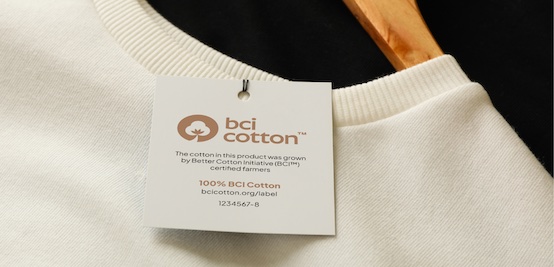
Better Cotton Initiative marks World Cotton Day with launch of innovative product label

The Better Cotton Initiative (BCI) has launched an innovative product label for the fashion and textile sectors which allows retailer and brand members to provide consumers with greater clarity about the origin and percentage of BCI Cotton in their products.

Latest News

#INDEX 2026

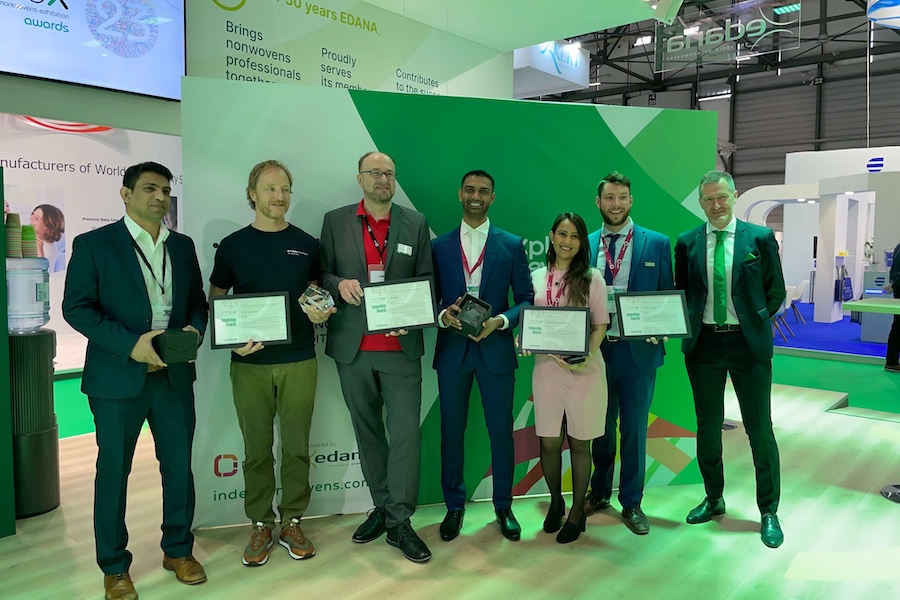
EDANA unveils nominees for INDEX™26 Awards: Highlighting the next generation of nonwoven excellence

EDANA is proud to unveil the highly anticipated nominees for the INDEX™26 Awards, the nonwoven industry’s highest accolade for technical and sustainable excellence. Out of a record-breaking field of entries, these finalists represent the cutting edge of material science—from bio-based hygiene fibers and PFAS-free protective textiles to revolutionary water-filtration machinery. Each nominee has been selected by a jury of industry experts for their ability to solve critical global challenges, including the transition to a circular economy and the pursuit of enhanced consumer performance.

#Raw Materials

Lenzing Group positions bio‑based materials as a strategic asset for Europe’s economic security

The Lenzing Group, a leading supplier of regenerated cellulose fibers for the textile and nonwovens industries, hosted a high‑level roundtable in Brussels to discuss how bio‑based materials can strengthen Europe’s economic security and support the shift toward a fossil‑free future. Organized in cooperation with Euractiv, the event brought together representatives of the European Commission, the UK Mission to the EU, academia, civil society, and industry.

#Natural Fibers

Beyond Cotton: Natural Fibres in the Spotlight at the Bremen Cotton Conference - Branded by DNFI

Climate targets, fragile supply chains, and rising regulatory requirements are fundamentally changing the perspective of the textile industry - the focus is increasingly shifting toward the base material. Not only cotton, but natural fibres are gaining significant importance: they stand out not only because of their outstanding functional properties, but also because they make a valuable contribution to the bioeconomy and responsible product development.

#Textiles & Apparel / Garment

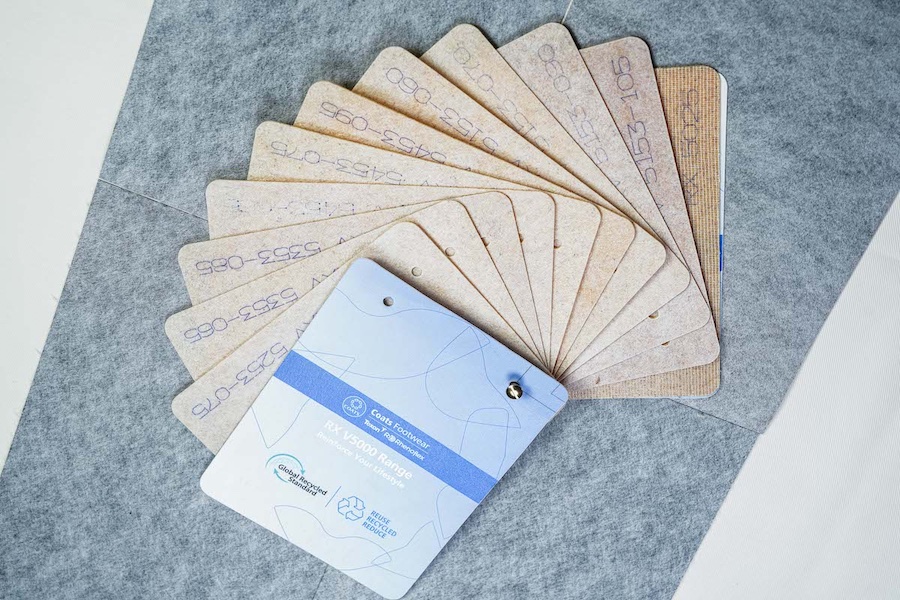
Coats to showcase innovative reinforcement and filler materials for leather goods and accessories at APLF 2026

Coats, a world-class Tier 2 manufacturer and trusted partner for the apparel and footwear industries, will be promoting four advanced materials from its ‘Lifestyle Solutions’ portfolio at APLF 2026 in Hong Kong in March. Each innovation has been specifically engineered to help luxury and premium brands elevate the craft, durability, sustainability and creative expression required in the manufacturing of handbags, purses, and other high-end designer accessories.

TOP