#Recycling / Circular Economy
Fashion for Good launches World of Waste
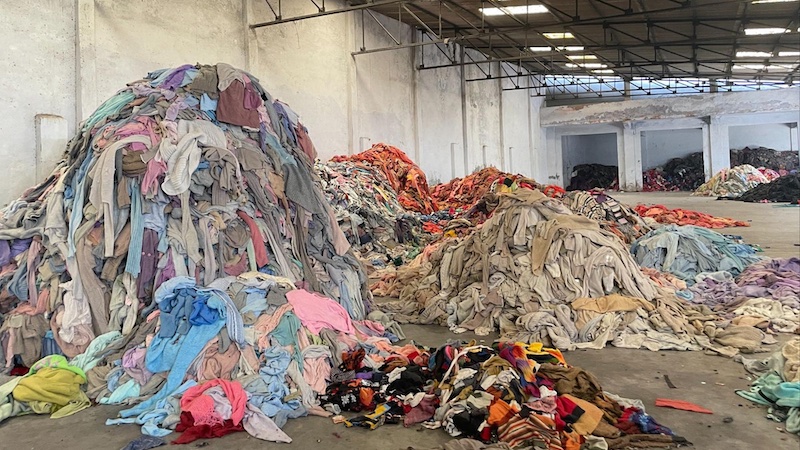
Addressing the gap: The lack of a centralised global tool for textile waste
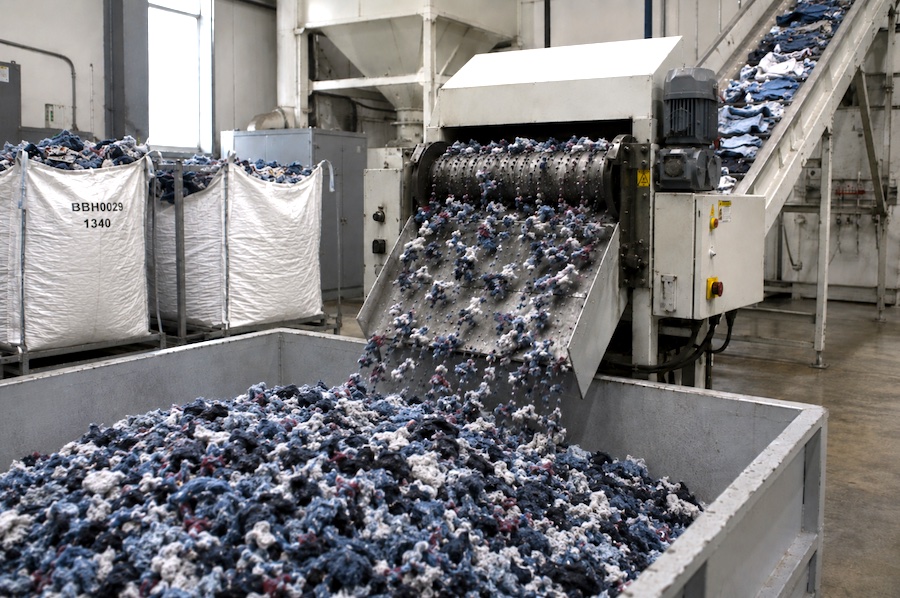
The textile industry faces increased scrutiny on its substantial amounts of waste generated each year. This presents a challenge for the industry, but also a massive opportunity for circularity and transparency; with efforts underway to track, reduce, and utilise waste towards better end-of-life practices.
Waste reflects a burden on resources, inefficient processes, and unmanaged emissions, highlighting the need for action. Rising regulations are also inciting action from the industry, such as recyclers using textile waste as feedstock to displace virgin fibre production. However, information on textile waste is currently fragmented, with data scattered across a multitude of organisations and platforms. This lack of centralised knowledge and standardised data hampers the industry’s ability to address and capitalise on textile waste.
To tackle this issue, Fashion for Good, with catalytic funding from Laudes Foundation and IDH, has partnered with Reverse Resources, Global Fashion Agenda, Circle Economy, and Accelerating Circularity – who actively address many facets of textile waste and leverage each other's diverse skill sets and wealth of information to create a tool consolidating the outcomes of individual research. This tool provides an overview of data points on waste quantities, types, compositions, and other insights, as well as links to the original studies. With information on waste attributes, data collection methodologies, organisations involved, and a lens on upcoming studies for a region, the tool empowers users of textile waste, as well as stakeholders looking to further the industry’s knowledge base.
"We're excited to launch worldofwaste.co, a tool providing crucial data on global textile waste hotspots. This collaborative effort brings together key industry partners to empower recyclers and innovators with insights into waste volumes and compositions, helping turn waste into valuable resources and accelerating the shift towards a more circular and sustainable fashion industry." – Katrin Ley, Managing Director of Fashion for Good
Visit World Of Waste
With a lens on global hotspots of textile waste, as well as links to established resources for each region, strategies aimed at valorising waste become more attainable. For instance, recyclers can strategise their feedstock sourcing by gaining insights into waste streams and their specific characteristics. Governments can utilise this data to develop informed policies and regulations that encourage sustainable waste management practices. Fostering connections between stakeholders, both local and international, can help address operational challenges towards the advancement of circularity.
“This initiative is the first of its kind, aiming to create a global database of textile waste availability. It will serve as a vital tool for industry stakeholders, offering both a comprehensive view and detailed insights to inform business decisions. By consolidating data, the platform will unlock opportunities to optimise sourcing and enhance the recycling ecosystem, empowering recyclers, brands, and retailers to innovate, streamline operations, and drive efficiency in textile waste management for a more sustainable industry”, says Pramit Chanda, Global Director-Textiles & Manufacturing, IDH.
Anita Chester, Head of Fashion, Laudes Foundation, stats: “Access to deep data to accurately determine where and how to intervene will be the real unlock in solving the mounting issue of waste generated across fashion’s supply chain. Ultimately, we know that better informed and more cohesive efforts between actors will lead to increased (financial and non-financial) support to scale innovations, industry proactively investing to transform their supply chains, and policy creating the enablers to support the transition to an inclusive and circular fashion industry.”
Over time, coverage will be expanded with the inclusion of additional countries and waste types. The growing database will surface economic and composition insights and integrate policy information for more utility. Stay tuned as we enhance the platform’s capabilities and advance our understanding of textile waste
This initiative marks a significant step towards building a more transparent, collaborative, and circular fashion industry. By uniting key players from across the ecosystem, we are not only addressing the pressing issue of textile waste but also unlocking its potential as a resource. As the platform continues to grow, incorporating more data and insights from other organisations working on assessing waste in newer regions and different waste categories, we aim to provide deeper clarity and drive meaningful change. Together, we can pave the way for a fashion industry that values sustainability, reduces waste, and contributes to a healthier planet for future generations.
More info:
https://www.worldofwaste.co