[pageLogInLogOut]

#Recycling / Circular Economy

RecyOuest successfully starts up ANDRITZ recycling line for agricultural plastic waste nets
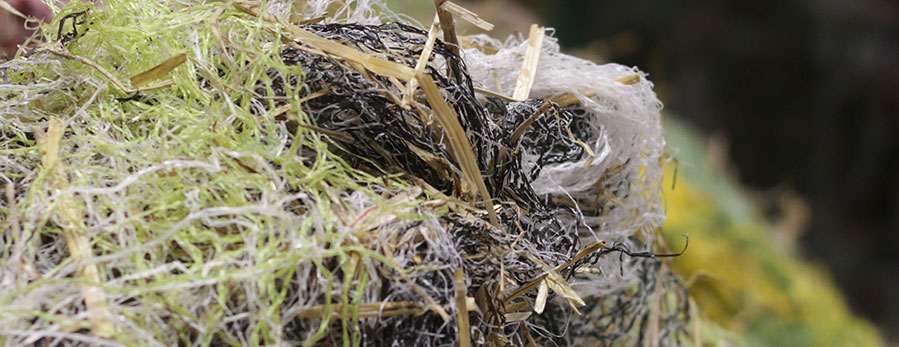
Net waste before mechanical cleaning process © ANDRITZ
The innovative recycling line featuring a unique dry-cleaning system was delivered, installed and commissioned by the international technology group ANDRITZ in August 2022.

RecyOuest, France, has successfully started up the world's first recycling line for agricultural plastic waste nets at its mill in Argentan.

The ANDRITZ recycling line can process up to 8,000 tons of waste and produce recycling fibers for nonwoven applications and also for pellets made of waste from agricultural single-use plastic nets and twines. These pellets are then returned to the plastics industry by mixing both recycled and virgin raw materials, thus reducing the amount of virgin plastic used.

This line, inspired by the techniques from textile wastes recycling, is equipped with a unique mechanical dry-cleaning system that allows resource savings by avoiding the use of water and chemicals. This state-of-the-art ANDRITZ equipment allows RecyOuest to produce recycling fibers for nonwoven applications and also pellets for ever new eco-designed nets and twines for the agricultural sector, with the lowest possible environmental impact.

Marcela Moisson, Founder and President, RecyOuest, comments: “We are very grateful for the excellent cooperation with the R&D team from ANDRITZ, who fully supported us in their technical center. Thanks to ANDRITZ Laroche’s expertise in textile industry, we succeeded in finding the exact process required for recycling agricultural waste, which was a huge challenge.

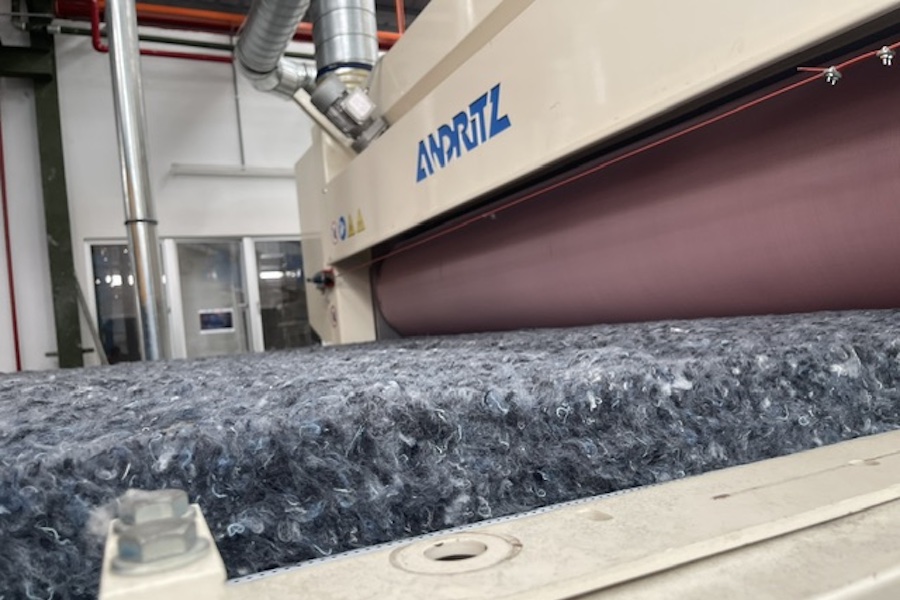
Net waste after mechanical cleaning process from ANDRITZ © ANDRITZ


This unique dry-cleaning process allows us to minimize our environmental impact drastically in the long run, while giving a second life to agricultural waste for which, until now, there was no recycling solution, neither in France, the leading country in the agricultural sector, nor worldwide.”

RecyOuest, based in Argentan, France, is a green economy company that handles the recycling contaminated filamentary thermoplastics such as round bale nets and twines. With its recycling process, RecyOuest is part of a circular economy approach.
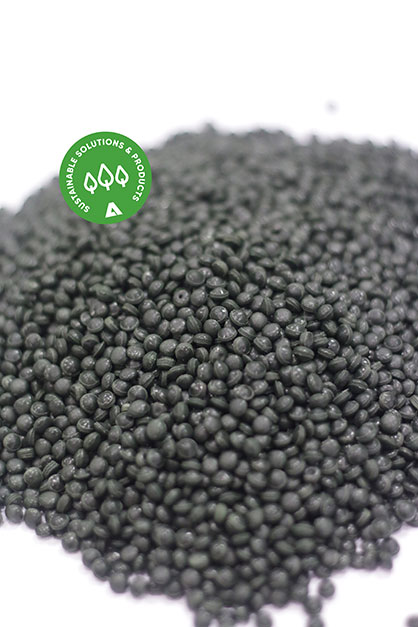
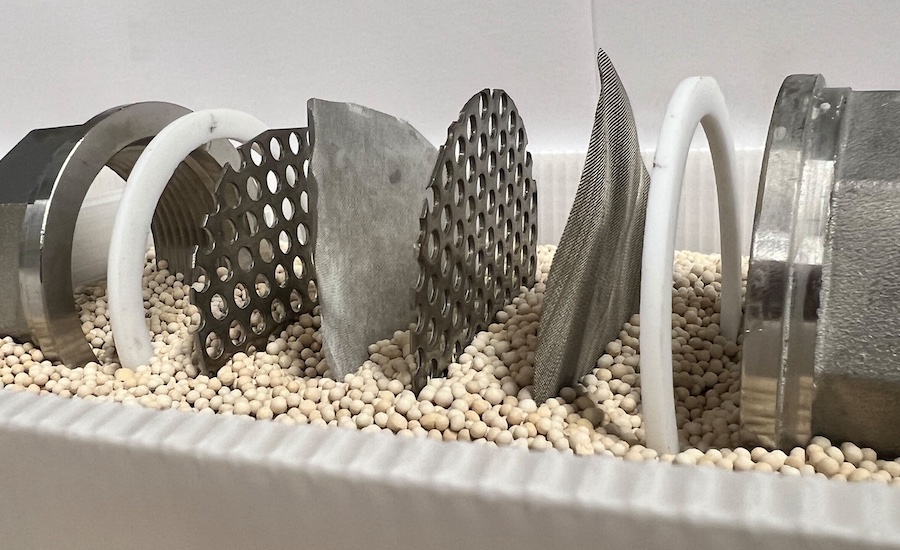
End product – plastic pellets produced at the end of the process © ANDRITZ


More News from ANDRITZ Nonwoven

#Nonwoven machines

MENANG rapidly resumes production with new ANDRITZ airlay line after major fire

MENANG, a Malaysian manufacturer of nonwoven automotive components, has resumed production after a major fire severely damaged its airlay line in mid-March 2026. A new airlay line supplied by ANDRITZ enabled production to restart within only four months.

#Nonwoven machines

A Penteadora starts up ANDRITZ textile recycling and needlepunch nonwoven lines in Portugal

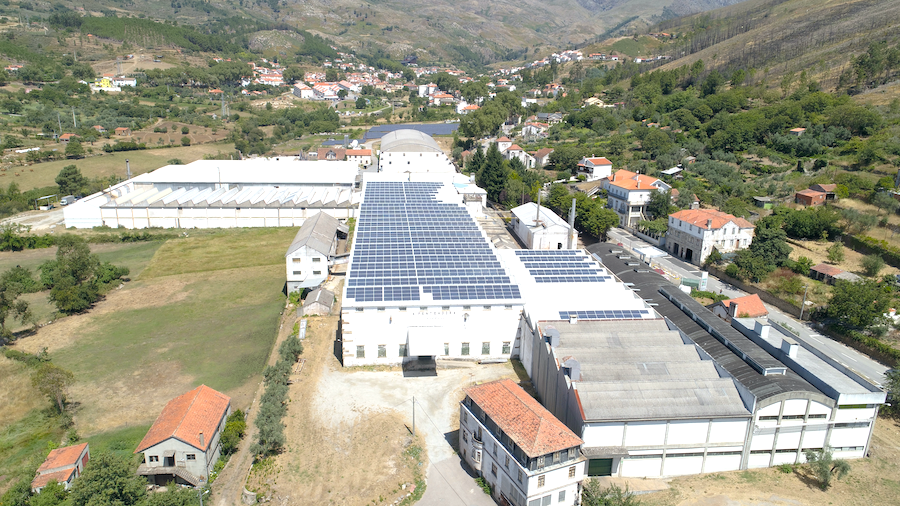
A Penteadora SA has successfully started up a complete mechanical textile recycling line and a needlepunch nonwoven line supplied by ANDRITZ at its production site in Unhais da Serra, Portugal. This investment enables A Penteadora to expand its industrial capabilities and develop a new generation of solutions based on pre- and post-consumer recycled textiles. The input materials originate from its own production waste and other textile waste streams. Both lines are fully operational, and the first products are expected to reach the market in July.

#Nonwoven machines

ATCO Hygienics, Uzbekistan, orders baby diaper production line from ANDRITZ

International technology group ANDRITZ has received an order from ATCO Hygienics to supply a new baby diaper production line for its plant in Tashkent, Uzbekistan. The order is included in ANDRITZ’s order intake for the first quarter of 2026. Commissioning of the production line is scheduled for the end of 2026.

#Nonwoven machines

Kruger, Canada, orders first nonwovens line for sustainable wipes from ANDRITZ

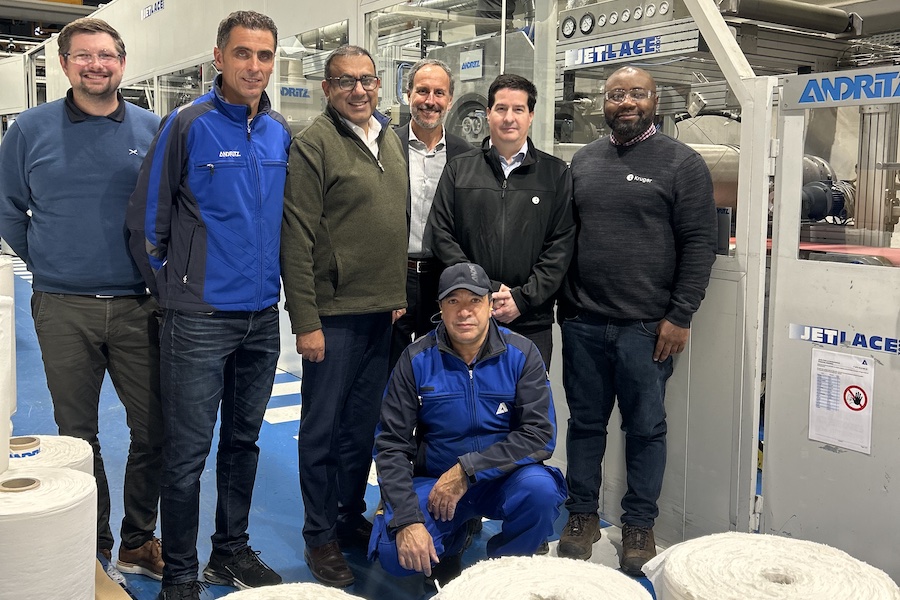
International technology group ANDRITZ has received an order from newly established Kruger Nonwovens to deliver a complete WetlaceTM hybrid line for the Wayagamack mill in Trois-Rivières, Quebec, Canada. With this investment, pulp and paper producer Kruger is preparing to enter the nonwovens market with a new generation of plastic-free, chemical-free materials for sustainable wipes. The line is the first of its kind in Canada and is scheduled to start production in 2028.

More News on Recycling / Circular Economy

#Recycling / Circular Economy

DITF establishes CYCLOTEXUM recycling center to advance mechanical and solvent-based textile recycling

As part of the CYCLOTEXUM research project, the German Institutes of Textile and Fiber Research Denkendorf (DITF) established the CYCLOTEXUM recycling center. There, in collaboration with industry partners, the center develops application-oriented solutions for mechanical and solvent-based recycling processes. The technologies developed make a significant contribution along the textile value chain toward the efficient use of textile resources in the future and the transition of production in the German textile sector to a circular economy. The project was funded by the Ministry for the Environment, Climate and Energy Sector of the State of Baden-Württemberg.

#Recycled Fibers

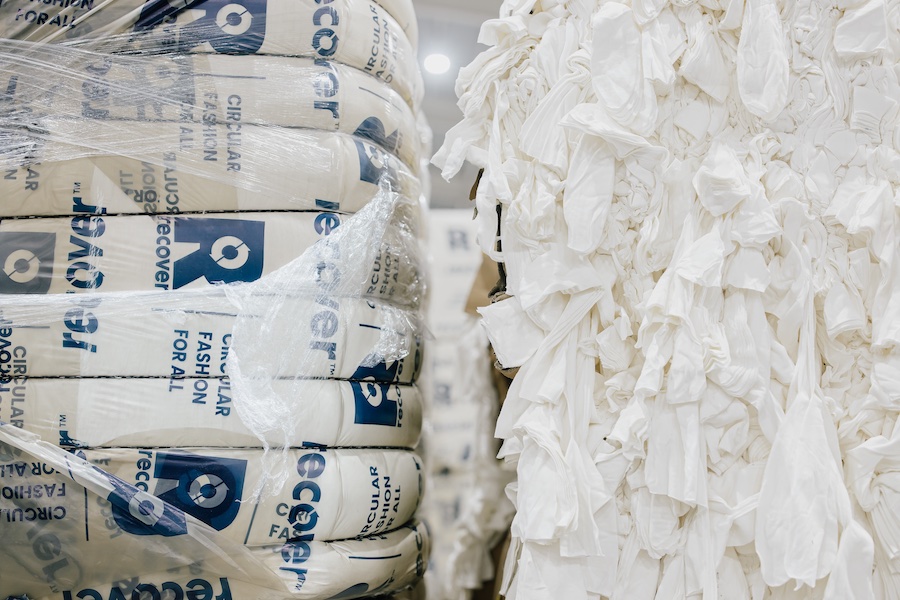
Recover and SUPIMA partner to develop recycled Pima cotton fibers and yarns

Recover and SUPIMA have partnered to turn waste from SUPIMA cotton production into a new line of recycled fibers and yarns. The collaboration will explore how recycled American-grown Pima cotton can be used in a wider range of yarns and garments for the premium market.

#Recycling / Circular Economy

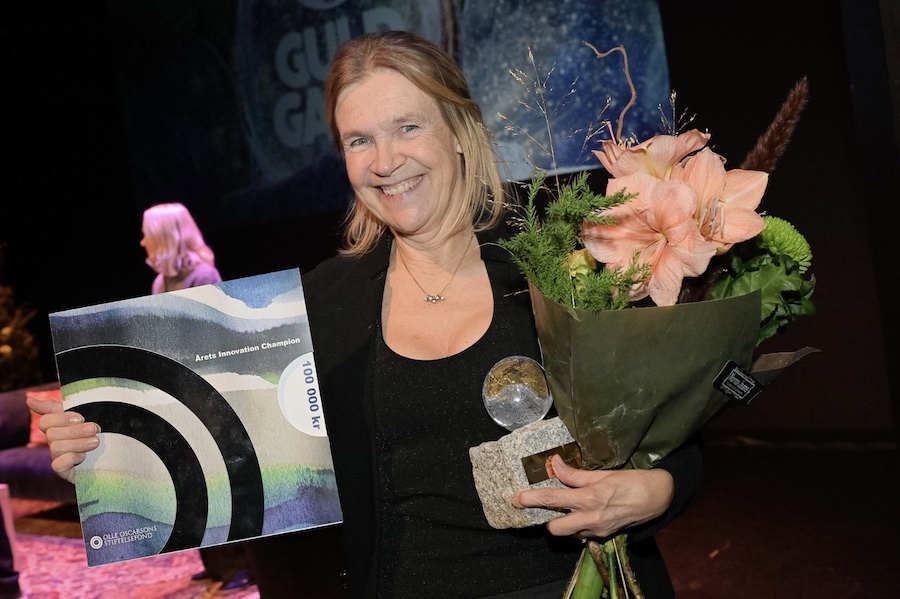
ReSpin founder Åsa Strandberg receives Innovation Champion of the Year 2026 award

Åsa Strandberg, founder and CEO of Swedish textile recycling company ReSpin AB, has been named Innovation Champion of the Year 2026. The award recognises her development of RespinJenny, a patented technology designed to recycle textile waste into new, high-quality fibres without using water, chemicals or additional virgin raw materials. The distinction was presented by the Olle Oscarsson Foundation and Axera Inkubator at Guldgalan in Sweden.

#Recycling / Circular Economy

Circulose resumes recycling of discarded cotton textiles and appoints interim CEO

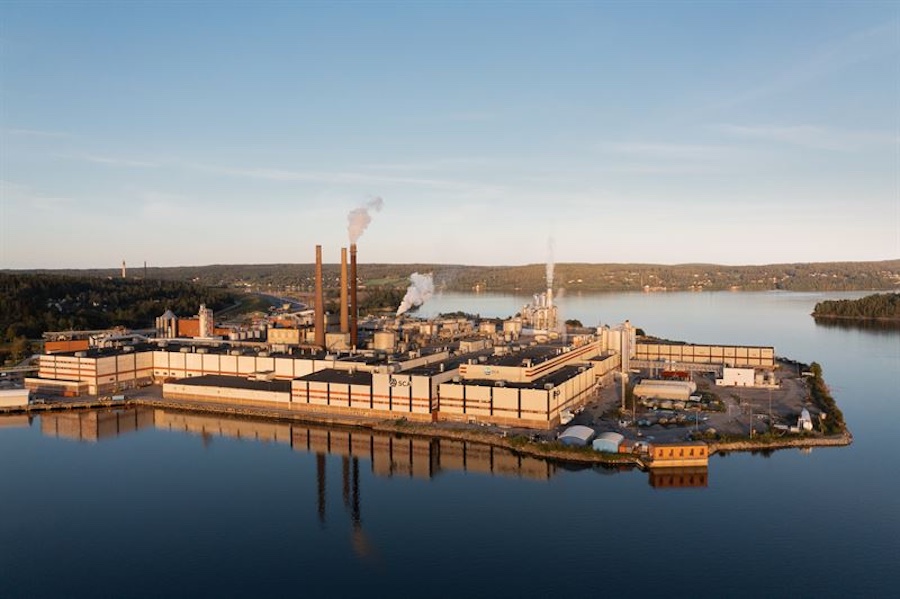
Circulose today announced its restart of commercial-scale production plant at Ortviken in Sundsvall, Sweden, marking a significant step in scaling next-generation materials for the global fashion industry. The Ortviken plant is the world’s first commercial-scale chemical textile recycling facility. Its restart demonstrates that the fashion industry is seeking ways to scale proven solutions that move beyond pilots and into commercial production.

Latest News

#Textile processing

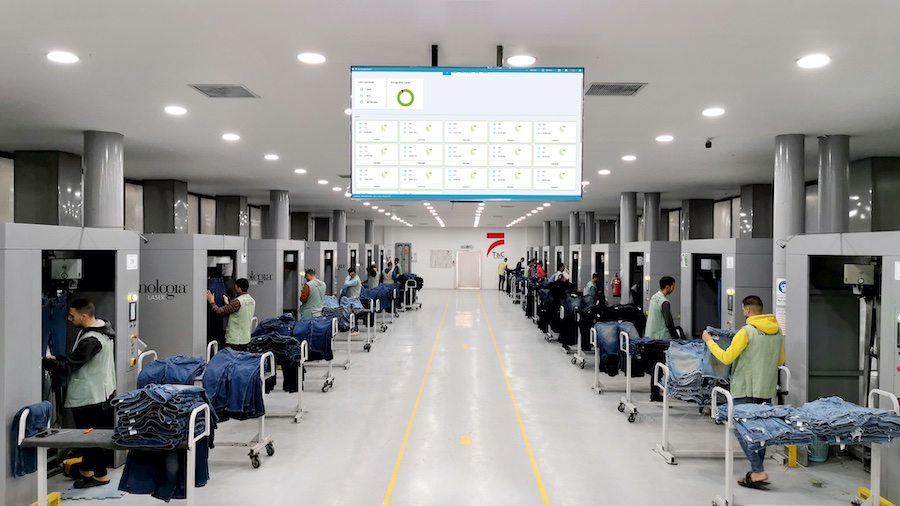
Jeanologia combines digitalisation, laser and ozone technology to strengthen China’s textile competitiveness

At ITMA Asia + CITME 2026 in Shanghai, Jeanologia showcased how the combination of digitalisation, laser technology and G2 Ozone can help China’s textile industry improve productivity, speed, quality and efficiency. With its Compact Super Flash laser system and integrated production concepts, the Spanish technology specialist demonstrated how connecting product development and industrial production can enable faster, more automated and sustainable manufacturing processes.

#Textile chemistry

Flame protection and OEKO-TEX® certification: Gulec Chemicals clears an important hurdle

Three halogen-free flame retardants from German specialist Gulec Chemicals have been included in the OEKO-TEX® list of accepted Active Chemical Products (ACP). The listing opens up additional opportunities for textile finishers, coaters and manufacturers of technical textiles seeking to combine demanding fire protection requirements with certification according to OEKO-TEX® STANDARD 100.

#Dyeing, Drying, Finishing

PLEVA improves dyeing consistency with inline microwave measurement of liquor pick-up

Consistent shades are essential in continuous textile dyeing. Yet variations in fabric absorbency or uneven padder pressure can go unnoticed until the end of the line. By then, hundreds of metres of fabric may already be affected and may become second-choice or rejected.

#ITMA 2027

CEMATEX outlines future exhibition strategy for ITMA 2027 and ITMA ASIA Singapore 2029 at ITMA NEXT

At the ITMA NEXT | Industry Networking event on 22 November in Shanghai, CEMATEX unveiled its plan for ITMA ASIA Singapore 2029, marking a new chapter under its sole organisation and management. CEMATEX also highlighted exciting initiatives for ITMA 2027, inviting the global textile and garment technology community to convene in Hanover to discover breakthrough innovations, exchange insights and forge partnerships that will shape the future of textiles.

TOP