[pageLogInLogOut]

#Recycling / Circular Economy

Canopy shifts focus towards recycling and traceability in updated Hot Button criteria

Revised assessment framework for man-made cellulosic fibre producers places greater emphasis on Next Gen fibres, supply chain transparency and forest conservation. The new criteria will take effect with the 2027 Hot Button Report.

Environmental non-profit organisation Canopy has introduced revised criteria for its annual Hot Button Report, which evaluates producers of man-made cellulosic fibres (MMCFs), including viscose, lyocell and acetate. The updated framework places greater emphasis on scaling alternative fibre sources, improving supply chain traceability and supporting forest conservation, while maintaining responsible sourcing as a central requirement.

The revised criteria mark a new phase for the Hot Button initiative, which has assessed forest-related risks in MMCF supply chains for the past decade. According to Canopy, the changes reflect progress in responsible sourcing practices as well as growing expectations regarding circular materials and supply chain transparency.

New criteria and simplified rating system

The updated framework reduces the number of assessment categories from seven to five and introduces more clearly defined expectations for producers. These include targets expressed in both absolute volumes and percentages, taking into account the different capabilities of small, medium-sized and large manufacturers.

The existing shirt colour rating system has also been simplified to three categories: green, yellow and red. Producers with known high-risk sourcing will receive a red shirt rating.

A green shirt indicates low or no known risk of sourcing from Ancient and Endangered Forests or using controversial fibre in a producer's supply chain.

Greater importance will be attached to the adoption of Next Gen Solutions, including fibres produced from recycled textile materials. The revised assessment also strengthens the focus on traceability and landscape-level forest conservation projects.

Supporting the transition towards circular fibres

The Hot Button Report is used by more than 550 brands participating in Canopy's CanopyStyle initiative to inform their purchasing decisions. In addition to assessing forest sourcing practices, the report evaluates producers' efforts to develop and scale alternative fibre solutions.

Maryann Ramirez, Senior Lead at Canopy, sees the revised framework as an opportunity to build on the progress achieved over the past decade: “The Hot Button helped change the conversation about where fashion’s fibres come from. Ten years ago, the industry was asking whether viscose could be sourced without destroying the world’s most vital forests. Today, we have the opportunity to build a fibre system that is circular, resilient, and keeps forests standing.”

Ramirez also emphasises the importance of maintaining a consistent and transparent assessment system while recognising different approaches to improvement: “Hot Button is a system that must feel fair, equitable, and consistent year-to-year so producers can plan with confidence. At the same time, it must remain flexible enough to credit diverse pathways to impact​”

Implementation scheduled for 2027

Canopy will apply the revised criteria for the first time in its 2027 Hot Button Report.

According to the organisation, all 28 MMCF producers currently included in the assessment were consulted during the development process, together with selected brand partners. Canopy also conducted a legal review to examine the framework's alignment with international legislation.

Further information on the revised assessment framework is available through the Canopy Hot Button criteria.

More News from Canopy

More News on Recycling / Circular Economy

#Recycling / Circular Economy

The Or Foundation, adidas, BESTSELLER, H&M Group, and Inditex launch Apparel Recovery Coalition, responding to impacts of post-consumer textile exports

adidas, BESTSELLER, H&M Group, Inditex and The Or Foundation, with support from Circle Economy, unveiled the Apparel Recovery Coalition (ARC). The coalition will explore how producer responsibility systems can support circular pathways such as reuse, upcycling, recycling, and responsible waste management in countries that receive large volumes of exported secondhand apparel.

#Recycling / Circular Economy

Syre appoints Tim King as CEO

Syre has appointed Tim King as its new Chief Executive Officer, succeeding Dennis Nobelius, who has decided to leave the company after more than three years as CEO to pursue new opportunities in another industry. King, who has been with Syre since its early days, has been responsible for the company's industrial development and the execution of its strategy.

#Recycled Fibers

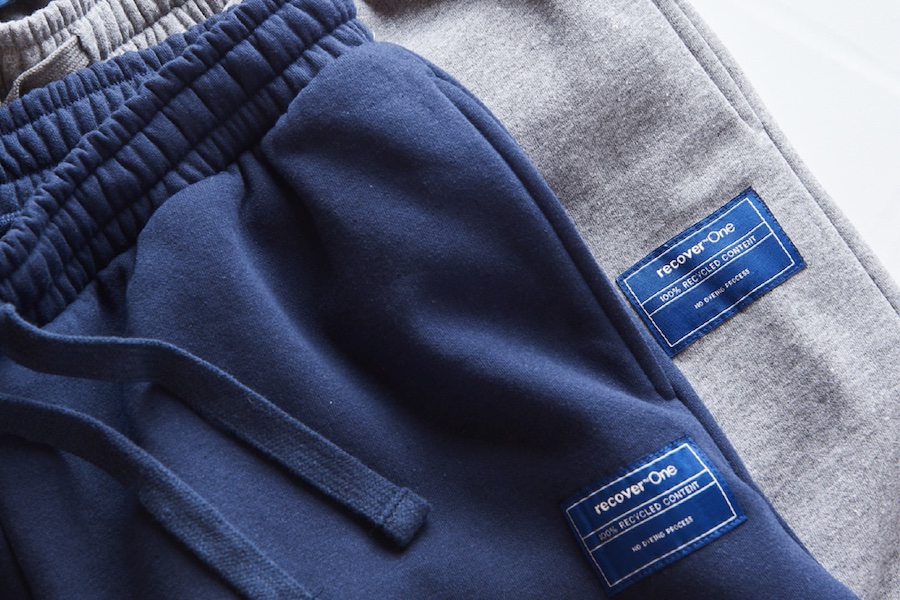
Recover™ launches Recover™One, a 100% recycled fiber blend range that eliminates downstream overdyeing

Recover™, a leading materials science company and global producer of recycled cotton at scale, today announces the launch of Recover™One, a new range of fiber blends made entirely from recycled materials. Developed to support the textile industry’s transition toward greater circularity, Recover™One combines recycled polyester and Recover recycled cotton to create soft, smooth, high-performance fabrics for a wide range of applications.

#Recycling / Circular Economy

Samsara Eco survey highlights link between garment durability and brand loyalty

Samsara Eco has published its 2026 Circular-Conscious Consumer Report, examining how garment quality, durability and material transparency influence purchasing decisions and brand loyalty. The survey, conducted among 5,208 predominantly young, circularity-conscious consumers across 120 countries, suggests that poor garment performance can have consequences for brands beyond direct product complaints and returns.

Latest News

#Heimtextil 2027

Textile performance for the global market: Heimtextil 2027 connects interior design, quality and global sourcing

With the new premium segment Carpets & Rugs Excellence, the Comfort & Connect area and the Heimtextil Trends 27/28, Heimtextil 2027 is sharpening its offering for a market under pressure. Today, textile products need to prove their quality, functionality and long-term value. From 12 to 15 January 2027, the leading trade fair for home and contract textiles and textile design showcases relevant innovations across the entire value chain: from fibres and yarns to designs by international studios and emerging talent, through to finished collections, functional contract textiles and complete interior solutions.

#Digital Printing

Blue Tomato accelerates agile retail apparel production with Kornit Digital

Kornit Digital (NASDAQ: KRNT), a global pioneer in on-demand digital fashion and textile production technologies, is highlighting how Blue Tomato, Europe’s largest board sports retailer, is using two Kornit Atlas MAX PLUS systems to support a more agile approach to in-house apparel production. The systems are helping Blue Tomato respond faster to changing consumer trends, produce high-quality apparel for its network of 86 retail stores across Europe and reduce inventory by printing only what the market demands.

#Textile chemistry

SANITIZED and RUDOLF join forces to extend textile performance and wearability

Long-lasting performance textiles require solutions that address a wide range of consumer expectations, from lasting freshness and comfort to reliable protection against the elements. SANITIZED and RUDOLF are highlighting their latest innovations, demonstrating how specialized textile technologies can support the functional durability and wearability of modern apparel.

#Denim

The beauty of imperfection: Officina39 explores denim's next chapters

Officina39 returns to Kingpins Amsterdam on October 14–15, booth White 01, with a creative and technological program that brings together its new Spring/Summer 2028 collection, advances in denim finishing and collaborations spanning design, fabric development, fashion and publishing. At the center of the presentation of the Italian company is a shared idea: that distinctive aesthetics, responsible chemistry and efficient industrial processes can evolve together, opening new creative possibilities for contemporary denim.

TOP