#Recycling / Circular Economy
Reju opens its first R&D Center in the U.S. in Conshohocken, Pennsylvania
The lab strengthens Reju's scientific capabilities, connecting innovation with commercial-scale solutions

The new R&D Center also marks the relocation of Reju's core research team from IBM's Almaden Research Center in San Jose, California, where Reju's VolCat depolymerization technology was first developed: a catalytic chemical recycling method that breaks down polyester into reusable raw materials.
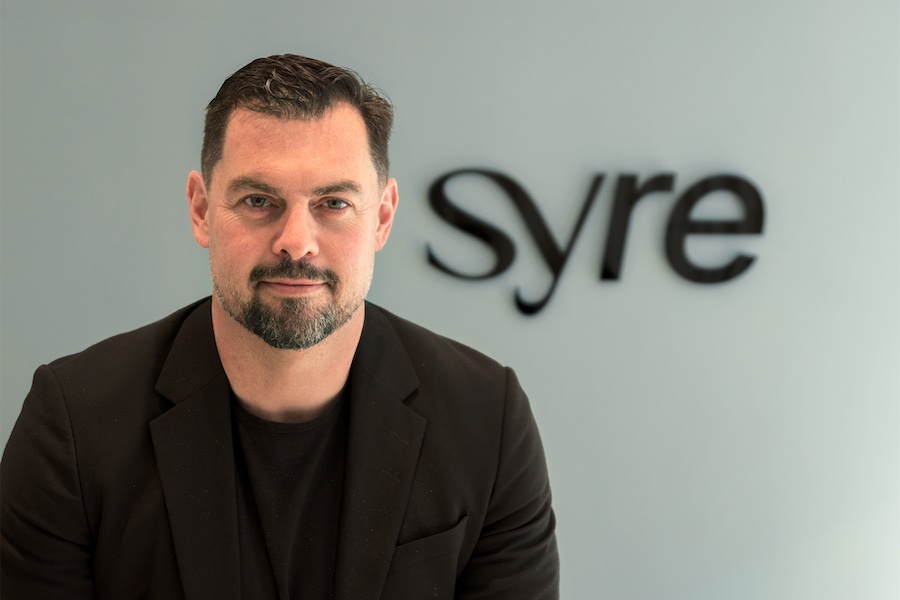
"I'm excited to join such an innovative company and be part of the team driving this technology toward industrialization, while building the infrastructure needed to make true post-consumer textile-to-textile recycling possible at scale," said Gregory Breyta, Reju's Director of Research and Development.
Activities at the new center will span the entire development process, from initial feasibility studies through kilogram-scale production. Its work will focus on polyester recycling, solutions for blended fabrics, and the development of new circular chemistry pathways, helping speed up experimentation and reduce the time needed to bring Reju's innovations from concept to industrial application. The center will also support the development and validation of technologies intended for deployment at the company's future Regeneration Hubs.
By housing these facilities within Technip Energies' existing research infrastructure, Reju gains direct access to the company's decades of experience in catalysis, process development, technology integration, and industrial scale-up.
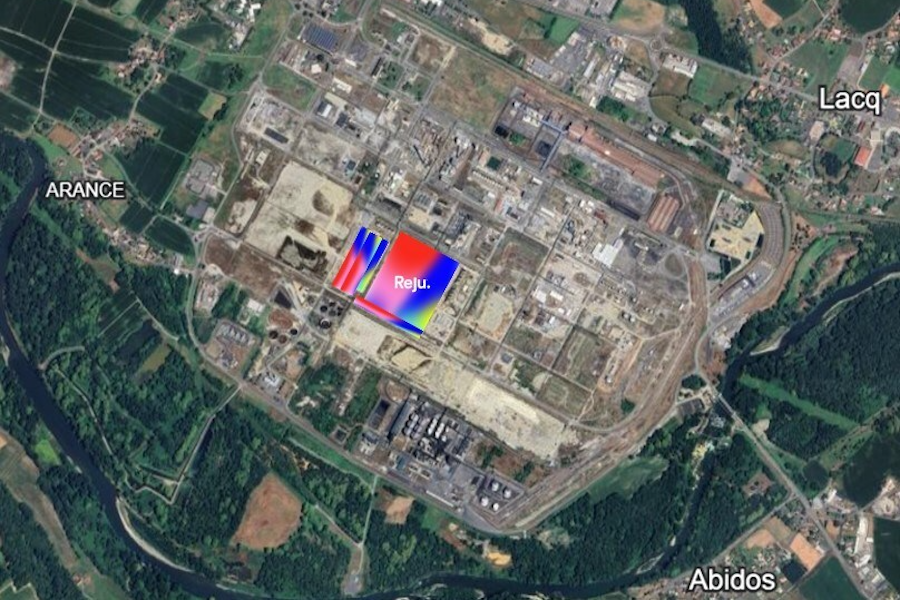
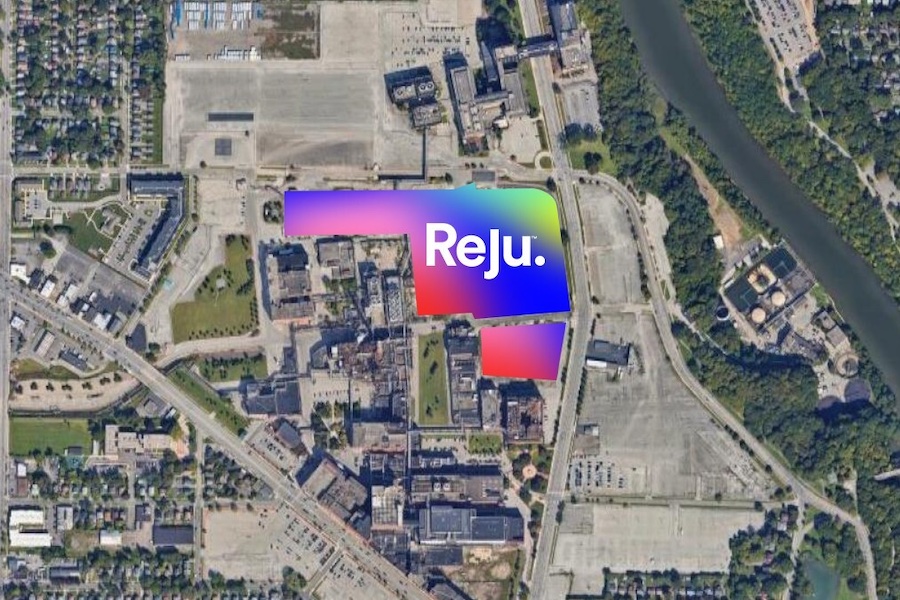
The creation of the R&D Center is part of Reju's global strategy to build a closed-loop recycling ecosystem that transforms discarded garments and textile waste into new, high-quality raw materials. The center joins the company's growing international infrastructure, which includes its first textile-to-textile recycling plant, Regeneration Hub Zero, in Frankfurt (Germany), as well as future Regeneration Hubs announced in Sittard (Netherlands), Lacq (France), and Rochester, New York (United States).
"Together, these facilities form a global, scalable, and replicable circular infrastructure designed to turn today's textile waste into tomorrow's raw materials," Breyta concluded.