[pageLogInLogOut]

#Raw Materials

Better Cotton Conference: Four key themes for 2024

The countdown is on. On June 26-27, the Better Cotton community will gather in Istanbul and online for the Better Cotton Conference 2024. This is a unique opportunity to shape a more sustainable future for the cotton sector by connecting with a diverse group of changemakers along the cotton value chain — from industry leaders to field-level experts.

This year’s conference is all about?‘Accelerating Impact’. 

The four themes are:? 

  • Putting People First? 
  • Driving Change at Field level 
  • Understanding Policy and Industry Trends 
  • Reporting on Data and Traceability 

Building on the lively discussions and talks from last year’s conference, these themes represent key areas that are both a challenge and an opportunity for the cotton sector. 

Through a mix of plenary sessions, interactive workshops and breakouts, attendees will have a chance to thoroughly explore these themes and collaborate to spark new ideas for change. And of course, there will be plenty of opportunities to network with Better Cotton Members and partners. 

Let’s take a closer look at this year’s topics and the keynote speakers who will lead these discussions. 

1. Putting people first??

BCI will open the conference by exploring how centring farmers and farm workers is a win-win-win for people, the environment, and the cotton sector at large. 

In this theme, they’ll be challenging cotton stakeholders on what it means to ensure a living income and decent work. The experts are action-oriented and will share ideas for social change that empower people and strengthen livelihoods. There will also be a spotlight on decent work progress in the host country, Türkiye.

Kicking this off will be our keynote speaker Aarti Kapoor, Founder and Executive Director of Embode, an independent human rights agency working across multiple sectors and all levels of supply chains. 

2. Driving change at field level?? 

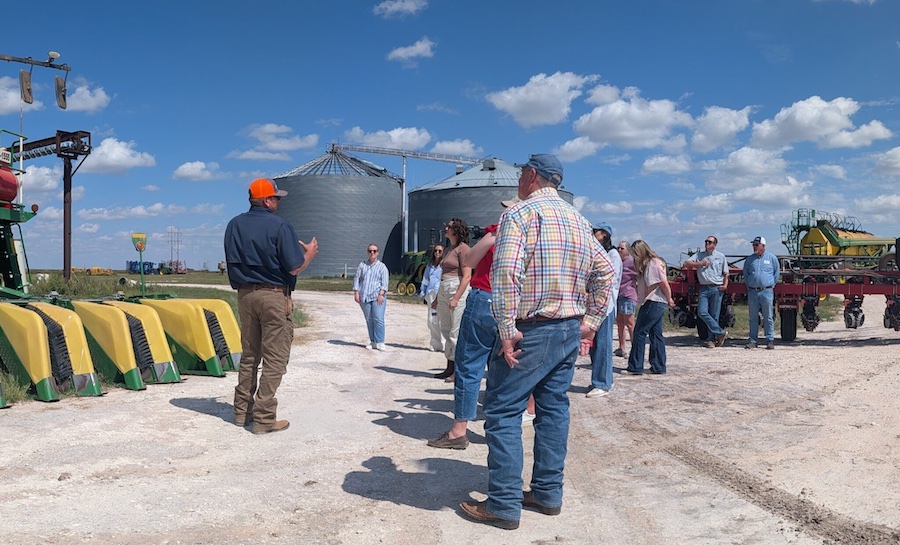
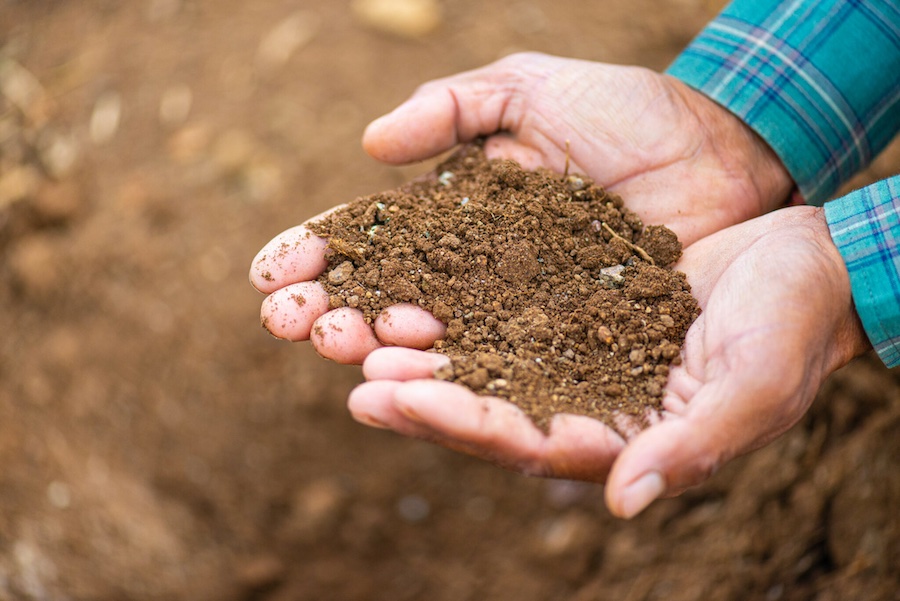
In the second theme, BCI will discuss how to deliver impact quickly and at scale to support cotton farming communities in the fight against climate change. They will also explore topics at the heart of this mission — from soil health and regenerative agriculture to women’s empowerment and carbon markets.?? 

As the president of the Apparel Impact Institute — a nonprofit dedicated to identifying, funding, scaling and measuring the apparel and footwear industry’s environmental impact solutions — Lewis Perkins, the keynote speaker for this theme, knows a thing or two about translating ideas into action, and will share his insights with the audience. 

3. Understanding policy and industry trends 

As regulations and legislation rapidly evolve, staying up to date on policies and industry trends is crucial. The third theme will not only give attendees an overview of the major sector trends on the horizon, but also how they will impact the cotton supply chain, and how Better Cotton Members can take a more active role in policymaking.??? 

Guiding us through this will be keynote speaker Dr. Vidhura Ralapanawe, Executive Vice President of Innovation and Sustainability at the Epic Group, a state-of-the-art manufacturing company with facilities in Bangladesh, Jordan and Ethiopia. 

4. Reporting on data and traceability 

Data and traceability are central to sustainability progress, but as demand for data increases, how can we be sure we are measuring the right things? Through the final theme, BCI will dive into this question. With sessions on Life Cycle Assessments, data collection, and traceability strategies, they will offer important perspectives to ensure these approaches support the cotton sector’s collective goals.?? 

Here to steer this discussion in the right direction is Tülin Ak?n, Co-Founder of Tabit, a social enterprise that develops solutions to agricultural problems with technologies like farmer decision support software, artificial intelligence, sensors and more. 

Join the confference to accelerate impact 

BCI is excited to bring the global community together to dive deeper into these topics. Delegates can join over 250 people in person and online, all working to find innovative solutions to the cotton sector’s most urgent issues. 

Visit the conference website at?bettercottonconference.org?to learn more and get tickets.


More News from Better Cotton

More News on Raw Materials

#Raw Materials

New Cotton Review examines competitiveness, market risk, and opportunities

From moving record volumes of Brazilian cotton to market, to managing price volatility, unlocking Ethiopia’s production potential, and strengthening African textile trade, the latest edition of Cotton: Review of the World Situation examines some of the most consequential opportunities and challenges facing the global cotton industry.

#Raw Materials

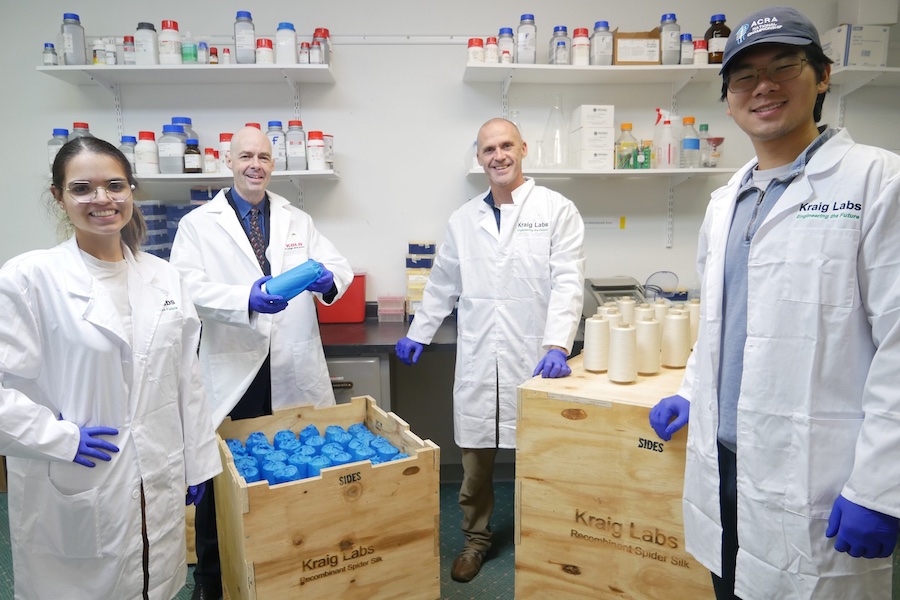
Kraig Labs ships first commercial spider silk yarn

Kraig Biocraft Laboratories, Inc. (OTCQB: KBLB) (“the Company”, “Kraig Labs”, or “Kraig’s”), a world leader in spider silk technology*, today announced the shipment of its first commercial order of recombinant spider silk yarn. The custom-engineered yarn was produced to fulfill a purchase commitment from a globally recognized performance sports brand and is slated for development into a first-of-its-kind performance textile.

#Raw Materials

ALLIED expands down traceability with lot-level carbon footprint data

ALLIED Feather + Down has expanded its TrackMyDown traceability platform to include validated cradle-to-gate carbon footprint data linked to individual down lots. The initiative is designed to provide brands and consumers with more detailed environmental information on the materials used in finished products and could also support future data requirements associated with Digital Product Passports.

#Raw Materials

Cotton made in Africa puts farmer dialogue at the heart of agricultural training

A new manual created by the Aid by Trade Foundation and African People & Wildlife shows how Cotton made in Africa aims to transform cotton cultivation through dialogue rather than directives.

Latest News

#Functional Fabrics

ROICA™ presents stretch textile innovations from nine partners at PERFORMANCE DAYS 2026

ROICA™ by Asahi Kasei will return to PERFORMANCE DAYS Munich on October 13–14, 2026, presenting textile developments from seven European partners and two Japanese specialists under its global brand message, “STRETCH YOUR FUTURE.” Visitors can discover the developments at Booth P10 in Hall A4.

#IGATEX 2026

SHIMA SEIKI to showcase flat knitting and digital design solutions at IGATEX Pakistan 2026

Leading computerized flat knitting technology provider SHIMA SEIKI MFG., LTD. of Wakayama, Japan, together with its Pakistani representative ALMURTAZA MACHINERY CO., (PVT) Ltd., will exhibit at the upcoming International Exhibition for Garment, Textile Machinery and Accessories (IGATEX Pakistan 2026) in Lahore, Pakistan, from October 15–18. SHIMA SEIKI will introduce computerized flat knitting machines, 3D design software and various web platforms as proposals for sustainable production through innovative shaping technology and the latest digital solutions.

#Dyeing, Drying, Finishing

Brazilian market leader Cedro Têxtil focuses on greater efficiency, sustainability, and product quality with Brückner

After more than 150 years of company history, Cedro Têxtil is once again embracing the challenges of a changing industry. Widely recognized as the largest manufacturer of workwear fabrics in Latin America, the Brazilian textile company continues to invest in the modernization of its production facilities. A key milestone in this process was the decision to install a state-of-the-art Brückner stenter frame just over a year ago.

#Recycling / Circular Economy

The Or Foundation, adidas, BESTSELLER, H&M Group, and Inditex launch Apparel Recovery Coalition, responding to impacts of post-consumer textile exports

adidas, BESTSELLER, H&M Group, Inditex and The Or Foundation, with support from Circle Economy, unveiled the Apparel Recovery Coalition (ARC). The coalition will explore how producer responsibility systems can support circular pathways such as reuse, upcycling, recycling, and responsible waste management in countries that receive large volumes of exported secondhand apparel.

TOP