[pageLogInLogOut]

#Raw Materials

Global retailers and brands sourced 13% more Better Cotton in 2020

The Better Cotton Initiative (BCI) engages and brings together the entire cotton sector, from farmers, ginners and spinners to civil society organisations and major global retailers and brands, to establish more sustainable cotton as the norm.

Among BCI’s 2,000 members, its Retailer and Brand Members are influencing the market and driving demand by sourcing more sustainable cotton as their raw material of choice. Better Cotton – the cotton grown by licensed BCI Farmers – often forms a significant part of a retailer’s portfolio of more sustainable cotton, which may also include organic, Fairtrade and recycled cotton.

In 2020, and notwithstanding the significant impacts felt by retail markets due to Covid-19, 192 BCI Retailer and Brand Members sourced 1.7 million tonnes of Better Cotton – a record for BCI and the industry. This represents a 13% increase on 2019 sourcing volumes.

“H&M Group wants to lead the change towards circular and climate positive fashion, and one of the key tools to do this is to shift from conventional cotton to cotton sourced in a more sustainable way. We have come a long way on this journey and it’s positive that an increasing number of companies, including H&M Group, are sourcing more sustainable cotton, including cotton sourced through the Better Cotton Initiative. Contributing to real impact at farm level to help cotton growers to embrace environmentally friendlier, and socially and economically sustainable farming methods is crucial to us and BCI allows us to achieve that.” – Cecilia Brannsten, Environmental Sustainability Manager, H&M Group.


BCI’s demand-driven funding model means that when BCI Retailer and Brand Members source cotton as Better Cotton, it directly translates into increased investment in training for cotton farmers on more sustainable practices, as set out in the Better Cotton Principles and Criteria.

Supplier and Manufacturer Members also form a critical link between demand and supply of Better Cotton and are committed to sourcing increased volumes year on year. In 2020, spinners sourced an incredible 2.7 million tonnes of Better Cotton, ensuring there was ample supply available on the global market.

“BCI Members remained focussed on their commitments to sustainability through this challenging year. From civil society members supporting farmers on protective measures for Covid-19, to commercial members continuing to source Better Cotton, and thereby invest in cotton farming communities, BCI Members were more active and engaged than ever. Now we look ahead to 2021 and supporting even more ambitious sourcing plans from our growing membership.” – Paula Lum Young-Bautil, Deputy Director, Membership & Supply Chain, BCI.

Find a list of all BCI Members here:

https://bettercotton.org/find-members/


More News from TEXDATA International

#ITM 2026

ITM 2026: The new geography of textile production

New production hubs are emerging across North Africa and Central Asia, while Türkiye is accelerating its transformation toward higher-value, technology-driven and more sustainable textile manufacturing.

#Research & Development

“Production is a product”

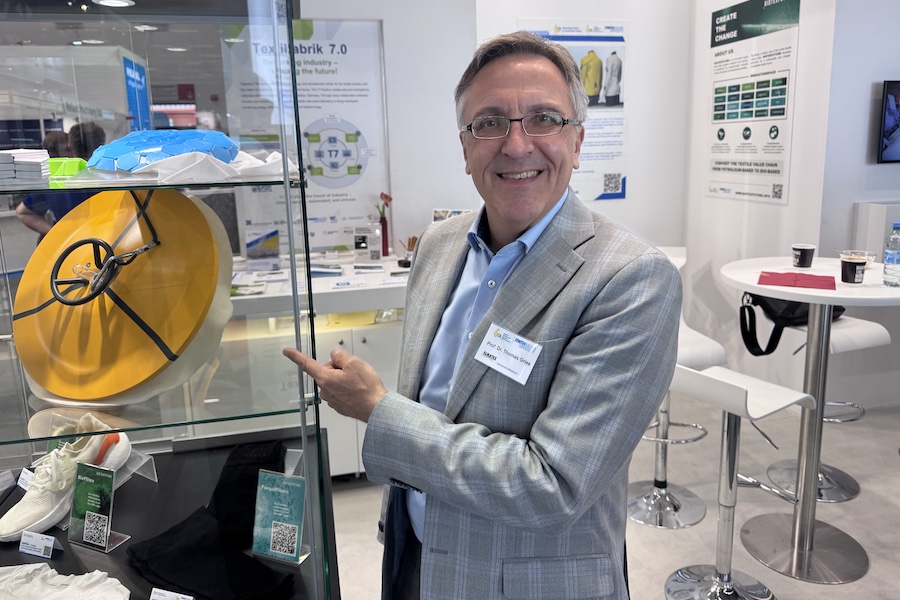
From technical textiles and AI-driven robotics to the limitations of textile circularity: Professor Dr Thomas Gries looks back on more than two decades of development at ITA Aachen. In the interview, he explains why production technology remains a decisive success factor, discusses international collaborations and innovation ecosystems, and shares his views on the transformation of production landscapes and the challenges facing an increasingly regulated industry.

#Knitting & Hosiery

“We need to move away from the price trap and return to a value-driven mindset.”

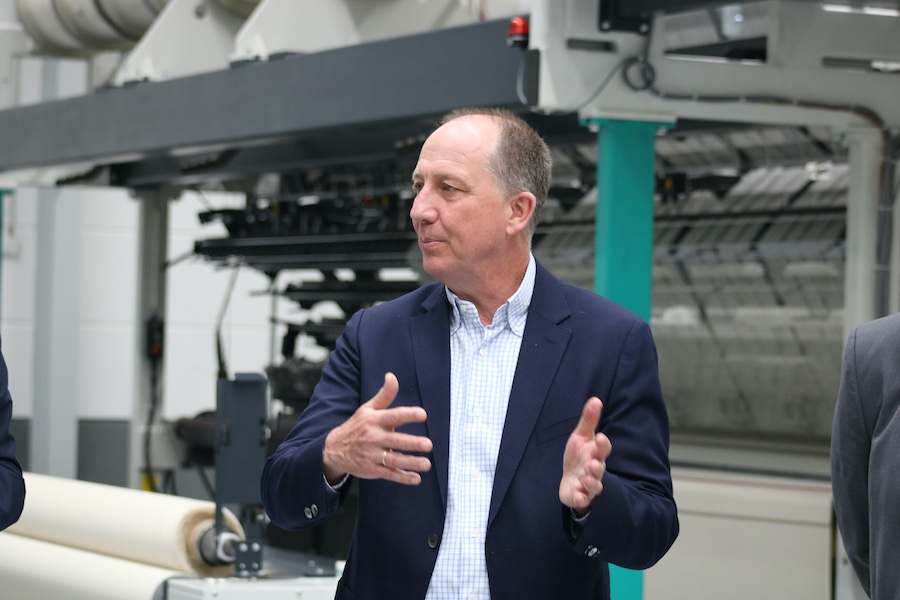
With its new Textile Innovation Center, KARL MAYER is sending a strong signal for innovation, collaboration, and the future of textile applications. In this interview, Karl Josef Mayer discusses new opportunities in warp knitting, the processing of staple fibres, recycling, the changing role of machinery manufacturers, and why the textile industry must once again focus more strongly on the value of textiles. by Oliver Schmidt

#Associations

“Innovation, resilience and international experience remain the great strengths of the Swiss textile machinery industry”

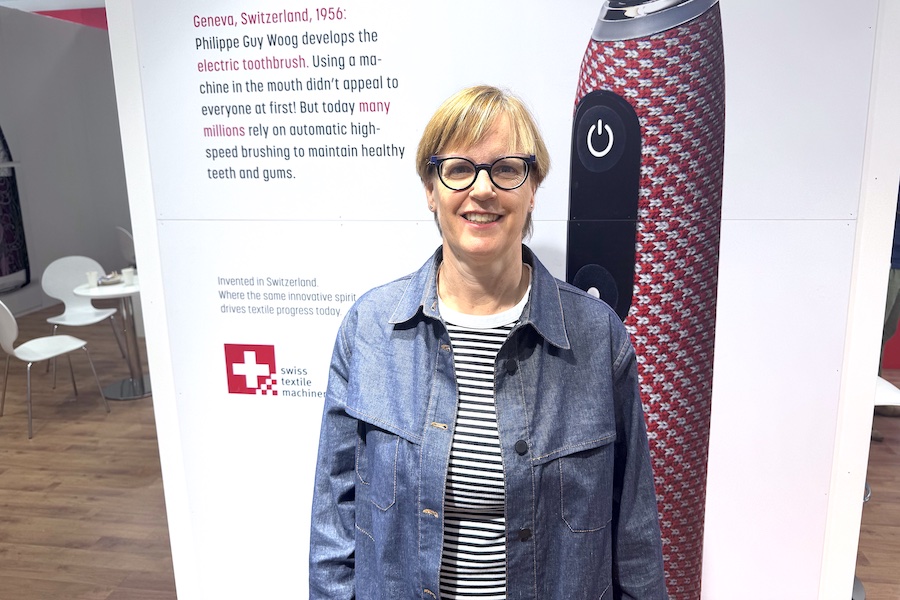
Geopolitical uncertainty, growing competitive pressure from China, new free trade agreements and the shift towards a circular economy are currently reshaping the global textile industry. In this interview, Cornelia Buchwalder discusses the current mood within the Swiss textile machinery sector, the industry’s distinctive innovative strength, new market opportunities in India and Asia, and the technological trends that could shape the upcoming trade fair cycle leading up to ITMA 2027.

More News on Raw Materials

#Raw Materials

New Cotton Review examines competitiveness, market risk, and opportunities

From moving record volumes of Brazilian cotton to market, to managing price volatility, unlocking Ethiopia’s production potential, and strengthening African textile trade, the latest edition of Cotton: Review of the World Situation examines some of the most consequential opportunities and challenges facing the global cotton industry.

#Raw Materials

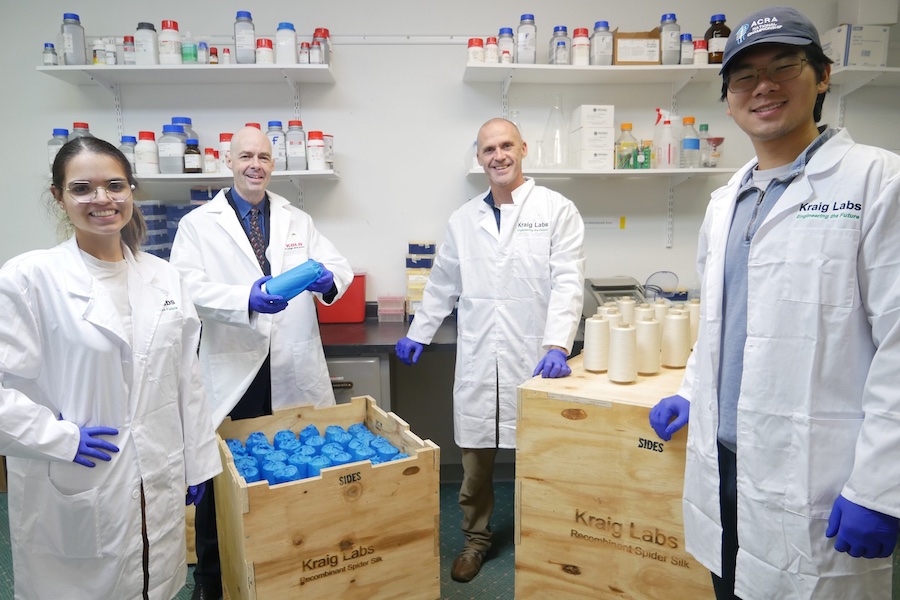
Kraig Labs ships first commercial spider silk yarn

Kraig Biocraft Laboratories, Inc. (OTCQB: KBLB) (“the Company”, “Kraig Labs”, or “Kraig’s”), a world leader in spider silk technology*, today announced the shipment of its first commercial order of recombinant spider silk yarn. The custom-engineered yarn was produced to fulfill a purchase commitment from a globally recognized performance sports brand and is slated for development into a first-of-its-kind performance textile.

#Raw Materials

ALLIED expands down traceability with lot-level carbon footprint data

ALLIED Feather + Down has expanded its TrackMyDown traceability platform to include validated cradle-to-gate carbon footprint data linked to individual down lots. The initiative is designed to provide brands and consumers with more detailed environmental information on the materials used in finished products and could also support future data requirements associated with Digital Product Passports.

#Raw Materials

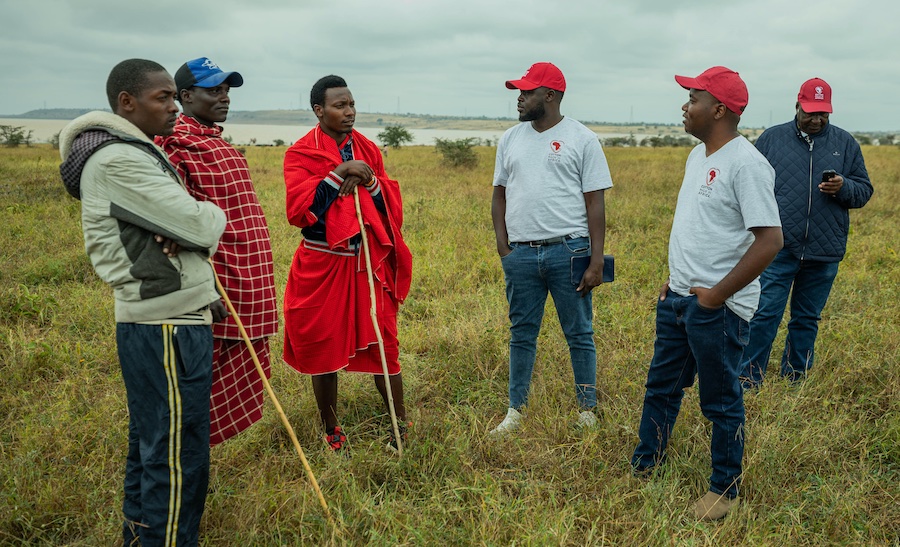
Cotton made in Africa puts farmer dialogue at the heart of agricultural training

A new manual created by the Aid by Trade Foundation and African People & Wildlife shows how Cotton made in Africa aims to transform cotton cultivation through dialogue rather than directives.

Latest News

#Textile chemistry

Nicca names Archroma exclusive ZELAN™ distributor, extending a decade-long legacy

Archroma and Nicca Chemical are collaborating to support the continued growth of ZELAN™ non-fluorinated durable water repellents (DWRs) across the global textile industry. The announcement follows Nicca’s acquisition of the ZELAN™ business from The Chemours Company in March 2026 and extends Archroma’s decade-long legacy with the ZELAN™ brand.

#Functional Fabrics

ROICA™ presents stretch textile innovations from nine partners at PERFORMANCE DAYS 2026

ROICA™ by Asahi Kasei will return to PERFORMANCE DAYS Munich on October 13–14, 2026, presenting textile developments from seven European partners and two Japanese specialists under its global brand message, “STRETCH YOUR FUTURE.” Visitors can discover the developments at Booth P10 in Hall A4.

#IGATEX 2026

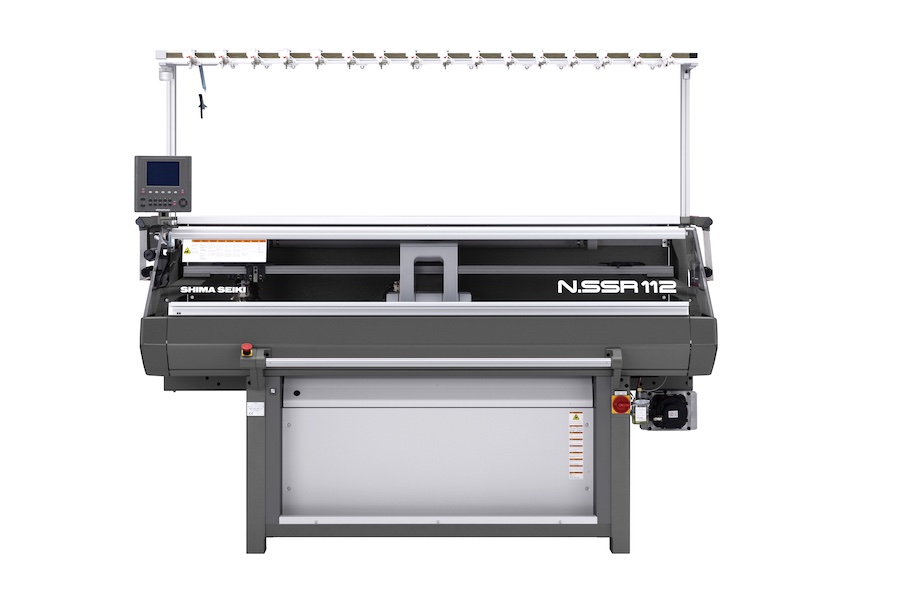
SHIMA SEIKI to showcase flat knitting and digital design solutions at IGATEX Pakistan 2026

Leading computerized flat knitting technology provider SHIMA SEIKI MFG., LTD. of Wakayama, Japan, together with its Pakistani representative ALMURTAZA MACHINERY CO., (PVT) Ltd., will exhibit at the upcoming International Exhibition for Garment, Textile Machinery and Accessories (IGATEX Pakistan 2026) in Lahore, Pakistan, from October 15–18. SHIMA SEIKI will introduce computerized flat knitting machines, 3D design software and various web platforms as proposals for sustainable production through innovative shaping technology and the latest digital solutions.

#Dyeing, Drying, Finishing

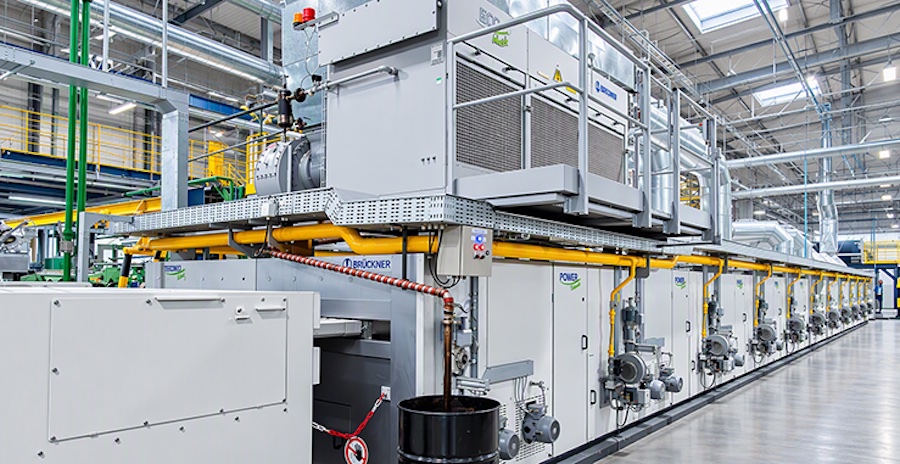
Brazilian market leader Cedro Têxtil focuses on greater efficiency, sustainability, and product quality with Brückner

After more than 150 years of company history, Cedro Têxtil is once again embracing the challenges of a changing industry. Widely recognized as the largest manufacturer of workwear fabrics in Latin America, the Brazilian textile company continues to invest in the modernization of its production facilities. A key milestone in this process was the decision to install a state-of-the-art Brückner stenter frame just over a year ago.

TOP