[pageLogInLogOut]

#Other suppliers

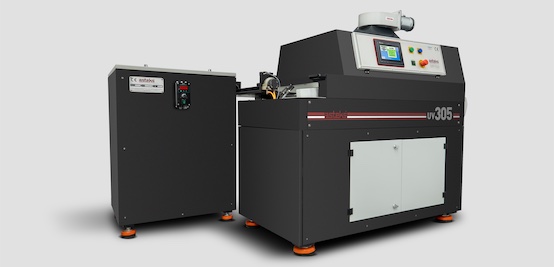
New generation of MESDAN-LAB tensile STRENGTH testers - a complete range -

AUTOFIL © 2022 Mesdan
The revision of the popular TENSOLAB semi-automatic single-column strength tester was announced during the last ITMA with the introduction of the 4thgeneration, the TENSOLAB 4.

TENSOLAB 4 replaced the former model which several hundreds were sold worldwide in the past 20 years.

The new TENSOLAB 4 embodies a combination of the best ingredients:

latest technology, best electronics, new software & new accessories, stunning performances (in terms of capacity, versatility, accuracy and testing efficiency), Italian design.

AUTOFIL © 2022 Mesdan


The new TENSOLAB 4 represents the forefront of testing flexibility, being configurable for testing any kind of textile & leather material, from single and bundle fibers up to garment accessories and technical fabrics.

Based on the new structure of TENSOLAB 4, a new single-position automatic version was developed, the AUTODYN 3, endowed with the automatic yarn-loading device.

Ideal for the automatic multiple testing of a single bobbin/yarn package.

It can be used in the semi-automatic mode as well for testing all other materials, such as  fibers, threads, skeins, fabrics, etc..


And finally the latest innovation, the AUTOFIL, a fully automatic 24 positions yarn strength tester.

The integrated automatic cop feeding system, the built-in PC, its versatile applications, compact design and high testing speed are only few features that characterize the new AUTOFIL.

To complete the range, Mesdan offers two models of double column heavy-duty strength testers, TENSOLAB 1000 (10KN capacity) and TENSOLAB 5000 (50KN capacity), designed for high tenacity technical yarns and fabrics, ropes, straps and similar heavy materials.

Last but not least, the third generation of the well-known portable SPLICE SCANNER. The first model was launched 25 years ago, its success and popularity are unrivaled, from spinning to dye-houses.

The functional diversification, the product diffusion and its price fairness brought forward to rank MesdanLab range of strength testers among the most complete and popular worldwide.

Such a long presence of MesdanLab products across the global textile supply chain testifies, not only its leadership, but also its commitment to serve the textile industry with constant up-to-date technologies and improvements.

Mesdan is affiliated to major textile organizations (ITMF, ASTM, AATCC, SDC).

More News from TEXDATA International

#ITM 2026

ITM 2026: The new geography of textile production

New production hubs are emerging across North Africa and Central Asia, while Türkiye is accelerating its transformation toward higher-value, technology-driven and more sustainable textile manufacturing.

#Research & Development

“Production is a product”

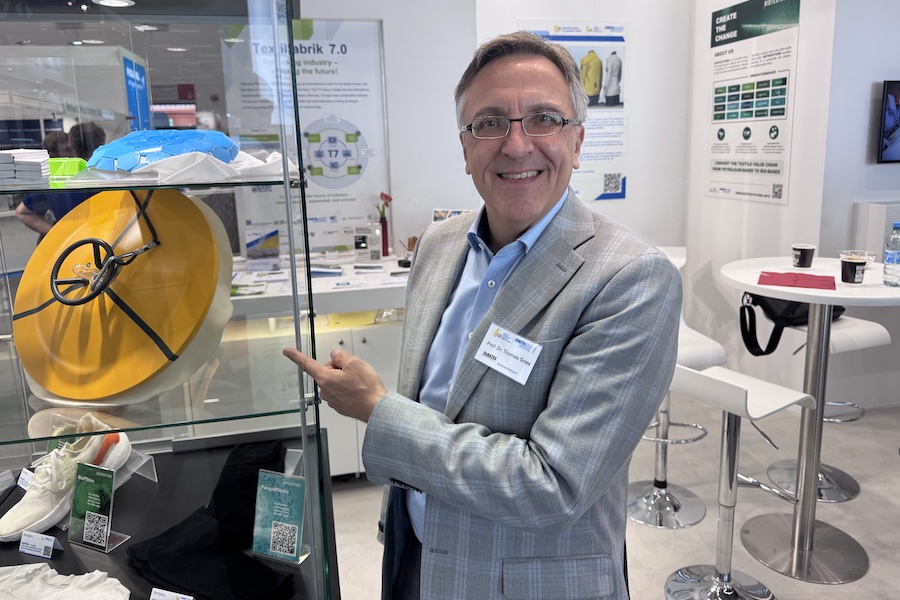
From technical textiles and AI-driven robotics to the limitations of textile circularity: Professor Dr Thomas Gries looks back on more than two decades of development at ITA Aachen. In the interview, he explains why production technology remains a decisive success factor, discusses international collaborations and innovation ecosystems, and shares his views on the transformation of production landscapes and the challenges facing an increasingly regulated industry.

#Knitting & Hosiery

“We need to move away from the price trap and return to a value-driven mindset.”

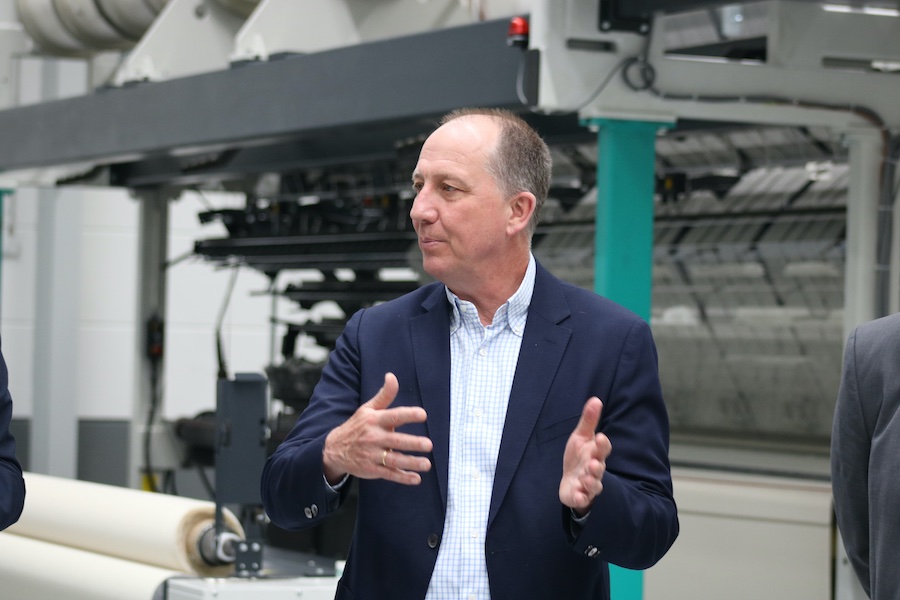
With its new Textile Innovation Center, KARL MAYER is sending a strong signal for innovation, collaboration, and the future of textile applications. In this interview, Karl Josef Mayer discusses new opportunities in warp knitting, the processing of staple fibres, recycling, the changing role of machinery manufacturers, and why the textile industry must once again focus more strongly on the value of textiles. by Oliver Schmidt

#Associations

“Innovation, resilience and international experience remain the great strengths of the Swiss textile machinery industry”

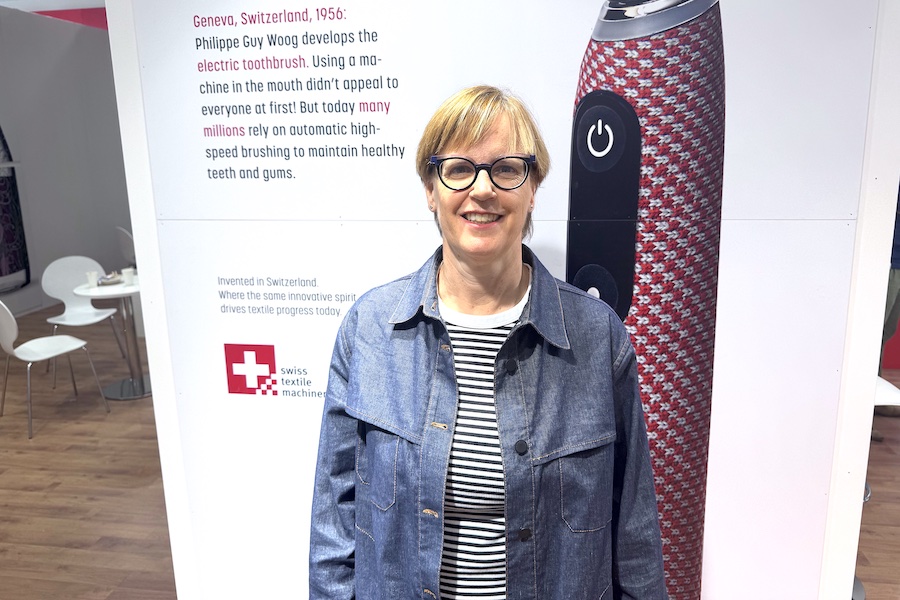
Geopolitical uncertainty, growing competitive pressure from China, new free trade agreements and the shift towards a circular economy are currently reshaping the global textile industry. In this interview, Cornelia Buchwalder discusses the current mood within the Swiss textile machinery sector, the industry’s distinctive innovative strength, new market opportunities in India and Asia, and the technological trends that could shape the upcoming trade fair cycle leading up to ITMA 2027.

More News on Other suppliers

Latest News

#ITMA Asia + CITME 2026

KARL MAYER expands TM WEFT capabilities for fashion fabrics at ITMA ASIA 2026

A new E 36 gauge, an EL pattern drive and improved yarn tension regulation extend the application possibilities of KARL MAYER's TM WEFT warp knitting machine. At ITMA ASIA 2026, the company will demonstrate the developments alongside a collection of woven-like warp knitted fabrics for fashion and apparel.

#Recycling / Circular Economy

Textiles Recycling Expo USA 2027 opens registration and expands with manufacturing exhibition

The second edition of Textiles Recycling Expo USA will take place on 7–8 April 2027 in Charlotte, North Carolina. Following a debut that attracted more than 1,800 visitors and 95 exhibitors, the event will expand its exhibition and conference programme and will be held alongside the new Textiles Manufacturing Expo.

#Research & Development

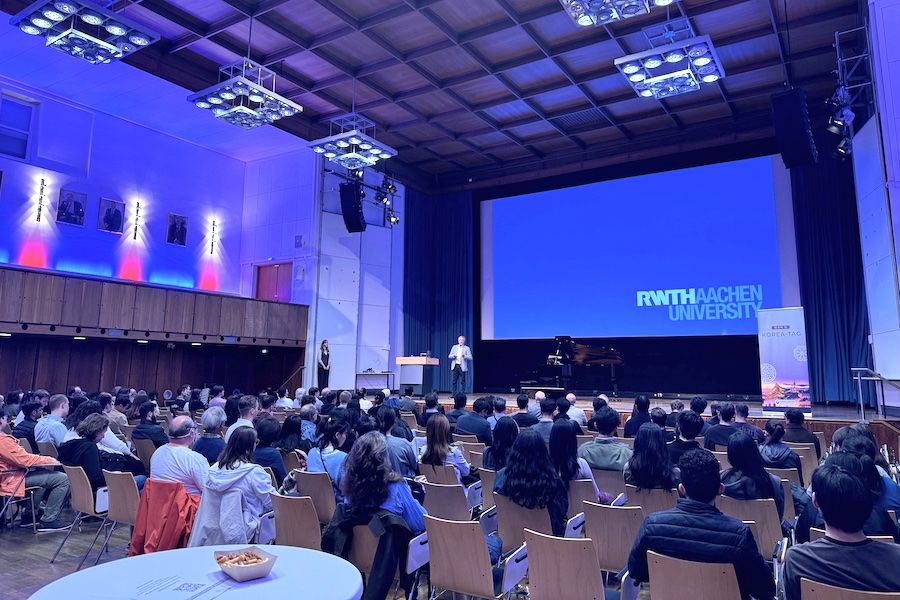
First "Korea Day" at RWTH Aachen attracts more than 300 participants

The inaugural Korea Day in Aachen brought together representatives from science, business and Korean institutions to strengthen German-Korean cooperation in research, technology and education. The Institut für Textiltechnik (ITA) of RWTH Aachen University was among the participating organisations.

#Textiles & Apparel / Garment

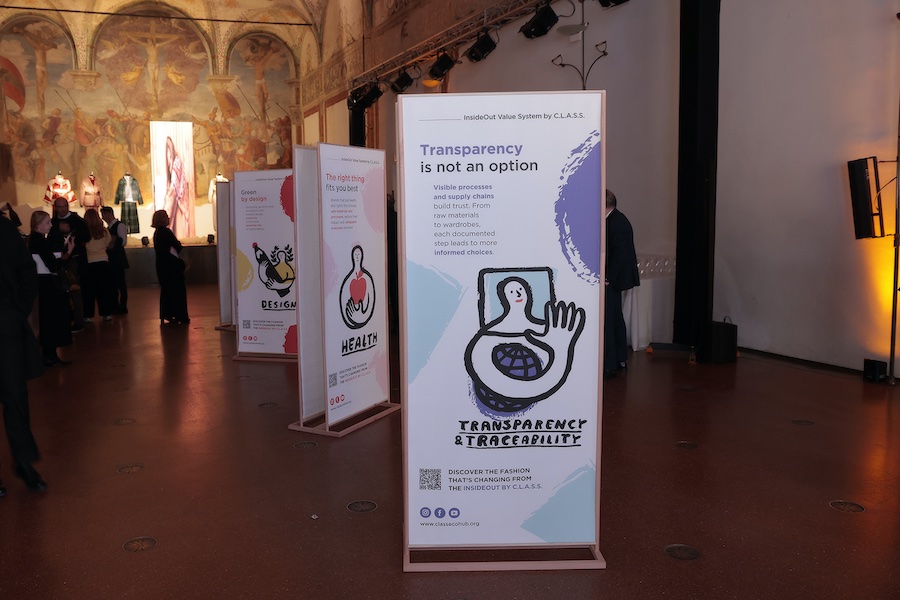
MarediModa highlights transparency and traceability with InsideOut by C.L.A.S.S.

The InsideOut by C.L.A.S.S. exhibition at MarediModa 2026 in Cannes focused on transparency, traceability and the measurable values behind fashion products. Its Decalogue of Values aims to make environmental, social and production-related information more accessible throughout the textile supply chain.

TOP