[pageLogInLogOut]

#Sustainability

YKK adopts low-carbon aluminum for use in zippers

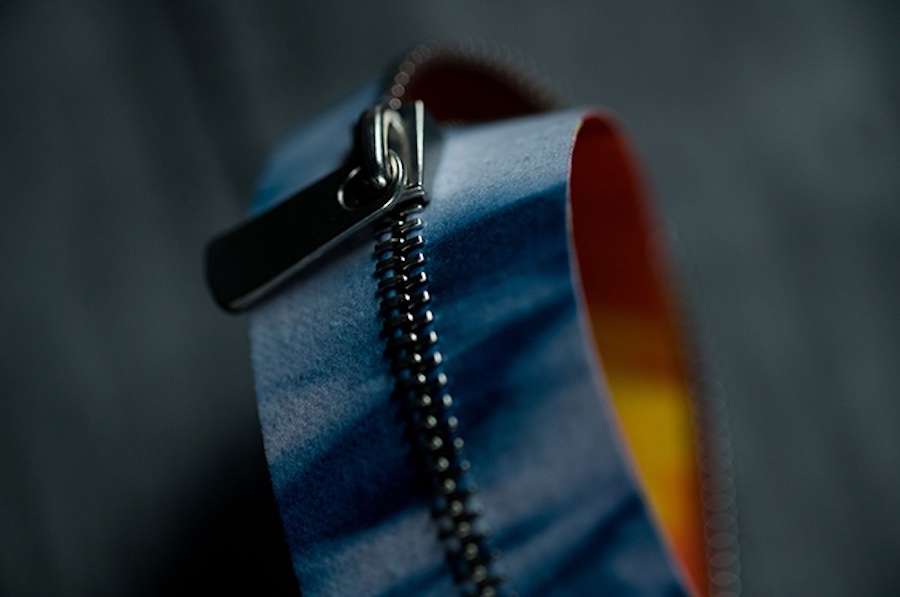
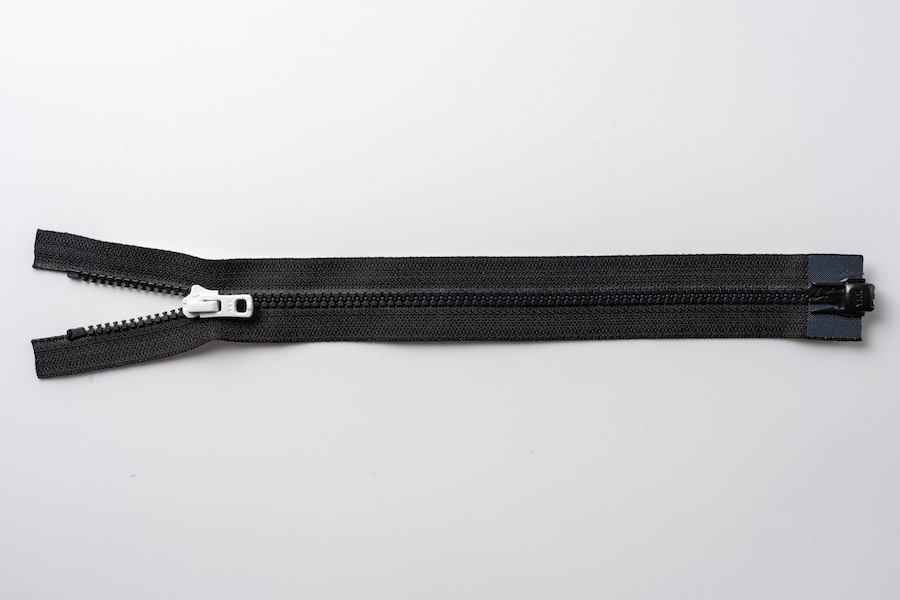
YKK Corporation is pleased to report that it will begin purchasing alloy wires that utilize low-carbon aluminum, with the aim of making a staged transition from conventional aluminum alloy zippers to eco-friendly zippers which use low-carbon aluminum.

YKK, together with Sumitomo Electric Industries, Ltd., and Sumitomo Electric Toyama Co., Ltd., agreed to a contract pertaining to the use of low-carbon aluminum. Beginning in FY2024, YKK will begin purchasing alloy wires that utilize low-carbon aluminum for use as materials in aluminum alloy zippers, and gradually expand their application.

YKK has adopted the YKK Sustainability Vision 2050, its sustainability goals for achieving climate neutrality by 2050, and set targets under the five themes of climate change, material resources, water resources, chemical management, and respect people. YKK has been working to achieve 10 of the SDGs which are related to each of these themes. For the theme of climate change, under the 1.5°C target recognized by the Science Based Targets initiative (SBTi), YKK is striving to cut greenhouse gas (GHG) emissions within the company and across the YKK supply chain, with the goal of reducing Scope 1 and Scope 2 emissions by 50% (compared to 2018) and Scope 3 emissions by 30% (compared to 2018) by 2030. The adoption of low-carbon aluminum as a material for zippers is one of YKK’s initiatives to achieve the reduction target for Scope 3 emissions.

YKK will continue to work together with customers and suppliers to reduce GHG emissions through the development and expansion of eco-friendly products and technologies and accelerate its efforts to bring about a sustainable society.

Comment from Terry Tsukumo, Vice President of the Product Strategy Division, Global Sales Headquarters, YKK Corporation

“Up to this point, YKK has been working to reduce GHG emissions by increasing the use of recycled materials and plant-based materials in textile materials for zippers and switching to eco-friendly products. In addition to this, low-carbon aluminum is a new YKK initiative to reduce the environmental impact of metal materials used for zippers. We will continue to work with our business partners to reduce our environmental impact throughout the supply chain.”

YKK Digital Showroom

Information about YKK’s sustainability initiatives and its eco-friendly products can be viewed at the YKK Digital Showroom.

https://ykkdigitalshowroom.com/

State of Progress Toward the YKK Sustainability Vision 2050

YKK Corporation's sustainability goal is to achieve climate neutrality by 2050. YKK is working on five themes – Climate Change, Material Resources, Water Resources, Chemical Management, Respect People – and ten SDG goals related to each of these, and each year reports on its state of progress in the YKK Integrated Report, “This is YKK.”

https://www.ykk.com/english/corporate/csr/eco/report/index.html

Sustainability and the YKK Philosophy of the Cycle of Goodness®

YKK is constantly pursuing the creation and realization of a sustainable society through our business. At the core of all our corporate activities is the philosophy of YKK founder Tadao Yoshida, the “Cycle of Goodness®.” The idea that “no one prospers without rendering benefit to others” clearly expresses the YKK Group’s corporate philosophy of continuing to prosper together with society, customers, related industries, and employees, and is highly compatible with sustainability.

Tadao Yoshida repeatedly shared the essence of this corporate philosophy with employees in a variety of ways. His words “business is like building a bridge,” which are connected to the “Cycle of Goodness®,” can be understood in terms of the SDGs, as he believed that unless we benefit society as a whole, we will not be able to prosper ourselves. The words “manufacturing like clear spring water” and “trash can be a great resource if it is utilized with ingenuity” are linked to environmental consideration, and the words “the strength of a forest is better than a big tree” are linked to respect for human rights and individuality. The circumstances and background today differ significantly from the time when our founding president spoke these words, but a philosophy that is highly compatible with sustainability has nevertheless been at the core of YKK's management since those early days. It continues to be inherited at the company even today, 90 years later.

https://www.ykk.com/english/shared/pdf/corporate/csr/eco/report/This_is_YKK_part02.pdf

Note: Low-carbon aluminum: The aluminum smelting process requires a large amount of electricity and emits different amounts of carbon dioxide depending on the power source used. The low-carbon aluminum to be used by YKK produces less than four tons of carbon dioxide for each ton of aluminum ingots produced, because renewable energy is used as the power source. The use of renewable energy significantly reduces carbon dioxide emissions when compared to the use of fossil fuel-based electricity sources, such as thermal power generation.
More News from YKK

#Textile processing

YKK develops concept EXCELLA® zipper tape using nonwoven fabric partially derived from used clothing

YKK Corporation has developed a concept version of its premium EXCELLA® zipper series made from nonwoven fabric sheets created by fiberizing used clothing and other textile materials. Based on a proposal by fashion designer Yuima Nakazato, this item was created as a result of collaboration between Nakazato, Seiko Epson Corporation and YKK. The concept zipper was incorporated as a material component for pieces in the newest YUIMA NAKAZATO Couture Collection, “INFERNO,” which was unveiled in Paris, France on July 8, 2026.

#Textile processing

YKK invests USD 150 million in new manufacturing facility in India

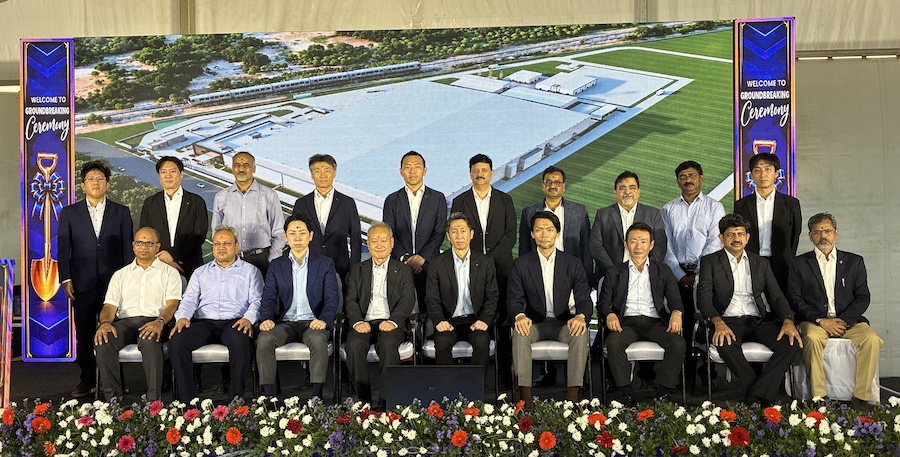
YKK Corporation has announced plans to construct a new manufacturing facility in India, reinforcing its long-term commitment to one of the world's fastest-growing textile and apparel production hubs. The new factory will be built at Origins by Mahindra in Chennai, Tamil Nadu, and will become the third manufacturing site of YKK India Private Limited. The facility is expected to be completed by February 2028 and represents an investment of approximately USD 150 million, covering land, buildings, machinery and equipment.

#Textile processing

YKK joins ZDHC as a Signatory Supplier, strengthening commitment to eliminating hazardous chemicals

YKK Corporation (Headquarters: Chiyoda-ku, Tokyo; President: Koichi Matsushima; hereafter, YKK) has joined ZDHC (Zero Discharge of Hazardous Chemicals) as a Signatory Supplier as of May 2026.

#Textile processing

NATULON® zipper series surpasses 50% of YKK’s global zipper sales

YKK Corporation (Headquarters: Chiyoda-ku, Tokyo; President: Koichi Matsushima; hereafter, YKK) announces that the global sales share of its NATULON® zipper series—zippers that incorporate recycled materials—has exceeded 50%.

More News on Sustainability

#Sustainability

Textile Exchange reports growth in certifications and industry engagement

Textile Exchange has published its 2025 Annual Report, highlighting continued growth in certified sites, industry participation and the development of its standards and membership structure. According to the report, more than 100,000 sites worldwide are now certified to Textile Exchange standards, more than three times the number recorded in 2020. Preliminary figures also indicate 12% year-on-year growth across the organization's current standards, including the Global Recycled Standard (GRS), Recycled Claim Standard (RCS) and the Responsible Animal Fiber standards.

#Textile chemistry

bluesign updates chemical reference lists with stronger PFAS restrictions

bluesign has published the 2026 editions of its three core chemical reference lists, introducing updated substance limits and testing requirements in line with the latest scientific findings and regulatory developments.

#Sustainability

GOTS releases Version 8.1 with clarifications and editorial updates

Global Standard has released Version 8.1 of the Global Organic Textile Standard (GOTS), following the publication of Version 8.0 in March 2026.

#Sustainability

bluesign appoints Hanane Taidi as CEO to lead next phase of global impact

bluesign, which partners with the textile industry to reduce adverse impact across the value chain, appoints Hanane Taidi as Chief Executive Officer, marking a pivotal moment as the company builds on its leadership amid rapid industry change.

Latest News

#Functional Fabrics

PERFORMANCE DAYS announces new focus topic & forums for October 2026

With its upcoming October 13–14, 2026 edition, PERFORMANCE DAYS is placing the spotlight on one of the textile industry’s most important transformations: “Bio-Based Materials – From Fiber to Fabric”, a two-part Focus Topic exploring the future of bio-based innovation across the textile value chain. Part 1, presented in October 2026, will focus on fibers and next-generation material developments, while Part 2 at the March 2027 edition will shift the perspective toward dyeing, finishing, additives, and processing technologies.

#Nonwoven machines

MENANG rapidly resumes production with new ANDRITZ airlay line after major fire

MENANG, a Malaysian manufacturer of nonwoven automotive components, has resumed production after a major fire severely damaged its airlay line in mid-March 2026. A new airlay line supplied by ANDRITZ enabled production to restart within only four months.

#Exhibitions & Events

Febratex 2026 to be the largest edition of the leading textile trade fair in the Americas with 10 exhibition halls

Febratex 2026 will be the largest edition in the history of the leading textile trade fair in the Americas. Dedicated to the textile and apparel manufacturing industries, the event will take place from August 18–21, 2026, in Blumenau, Santa Catarina, Brazil, with a strong focus on technology, sustainability, and business generation.

#Raw Materials

Cotton Brazil Dialogues field trip brings international stakeholders closer to Brazil’s cotton production chain

How do you build trust across the global textile value chain? By opening the farm gates. This is the principle behind the Cotton Brazil Dialogues. At the end of July, the programme welcomed its first group of international participants for a five-day immersion into Brazilian cotton production, combining field visits with technical workshops to showcase the quality, sustainability, innovation and traceability behind one of the world’s leading cotton origins.

TOP