#Natural Fibers
38th International Cotton Conference Bremen: Let´s Talk about Cotton!
Recycling: Fibre quality – how to measure it accurately
Today’s focus: recycled fibres and their quality assessment. Here, light will also be shed on the topic of the fibre quality of recycled fibres and their impact on yarn quality.
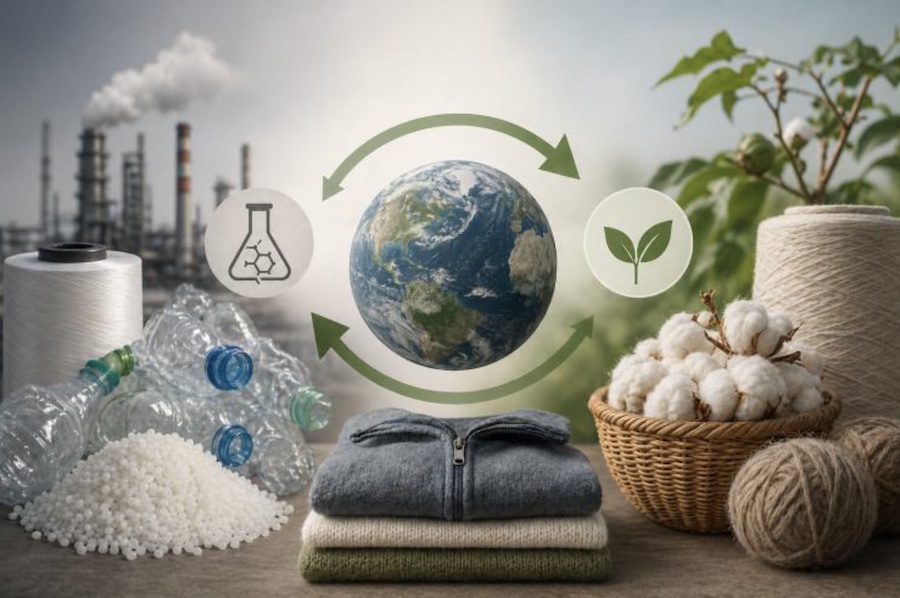
Recycled fibres are key to achieving a truly circular textile industry. However, the way in which they are processed raises crucial questions about quality: how do they compare to new materials – and how can this be reliably measured? How does fibre quality affect yarn quality? One thing is clear: specific testing methods tailored to recycled materials are essential for realistically assessing the performance of recycled fibres. Four experts take a closer look at these challenges and provide fresh answers from research and practice.
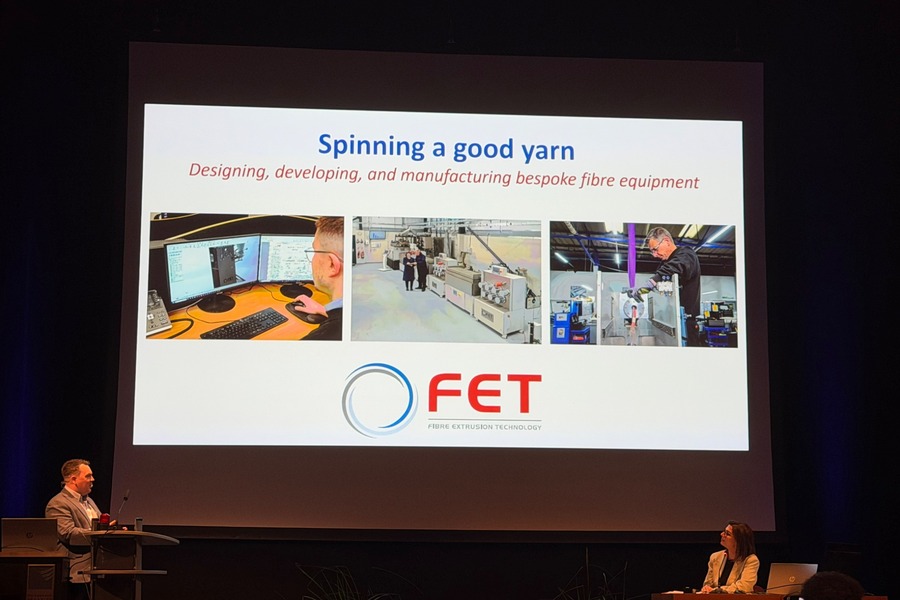
Stefan Fliescher, Textechno in Mönchengladbach, talks about “Advances in testing technology for mechanically recycled fibres”. While the suitability of new cotton for spinning can be determined primarily by fibre length distribution and nep content, these characteristics can only be measured to a limited extent in recycled fibres. Their damaged, heterogeneous structural profile requires adapted testing methods. In addition, parameters such as the proportion of unopened yarn remnants are becoming increasingly important. Optimised measurement techniques are therefore essential for improving quality assurance in mechanical recycling and enabling consistent yarn qualities.
Adele Abdoos, Mesdan, Italy, investigates the use of laboratory equipment such as shredders, carding machines and yarn separators to simulate and optimise fibre recovery from various waste textiles in a realistic manner. In her presentation, she shows that woven fabrics are more resistant to shredding and retain longer fibres, while knitted materials suffer greater damage and produce more short fibres. Adjusting the machine parameters, for example by increasing the speed of the main drum and reducing the speed of the working roller, proved particularly advantageous. The study presented in Bremen emphasises the importance of laboratory testing, as small-scale tests reliably predict industrial results while reducing material losses.
In her presentation, Christine Wörner from Uster Technologies examines the quality parameters of mechanically recycled and new cotton yarn. She shows that the quality of recycled cotton depends on the origin and fibre properties of the textile waste. Analysis with new material revealed significant differences. Using a matrix, the fibre properties of different types of waste were recorded and examined to determine how production parameters need to be adjusted to achieve the desired yarn quality and what impact this has on efficiency and yarn properties. The results offer insights into how to optimise recycled yarn production and emphasise the need for differentiated quality assessment in mechanical cotton recycling.
Pierre Lanfer, RWTH Aachen University, examines two mechanical recycling cycles in his presentation. The starting point is a fabric made from 100% new spun respectively knitted cotton, which is torn into fibres in the first cycle. These fibres are reprocessed in the second cycle. Initial results show a significant reduction in fibre length in the first cycle, while the loss is lower in the second cycle. The data suggests that losses in yarn and fabric properties could decrease in later cycles. The findings are presented on the basis of a characterisation of the original fabric and the fibres, yarns and fabrics of both recycling stages.
For the preliminary conference programme, other meetings and registration form, visit our website at www.cotton-conference-bremen.de