#Raw Materials
38th Bremen Cotton Conference
Beyond the wardrobe – innovative cotton takes the spotlight
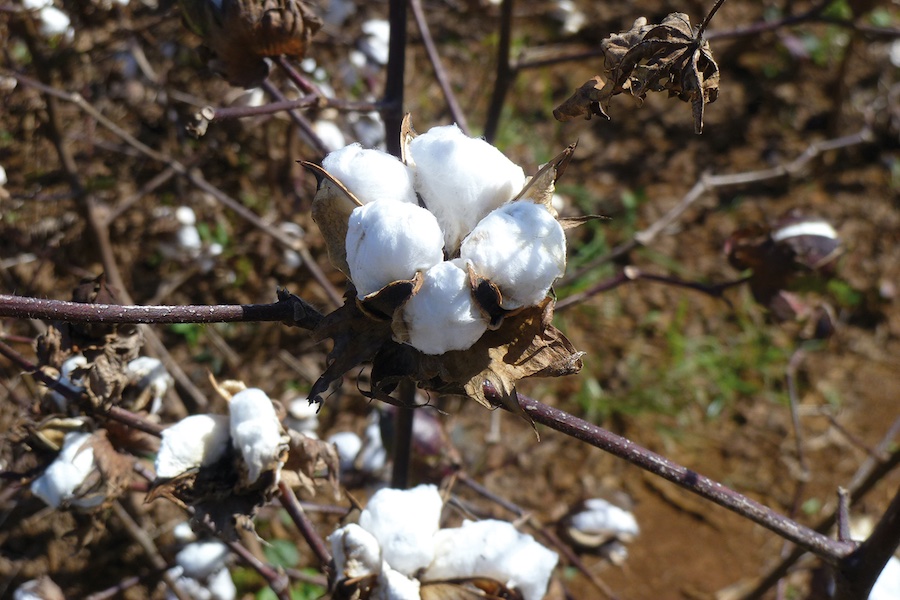
Cotton is so much more than just a T-shirt. As a renewable resource, it’s biodegradable, free from microplastics, naturally breathable, and delivers comfort you can actually feel. But this fibre has long since broken free from the fashion rack. Cotton is evolving into a versatile high-tech material.Thanks to advanced finishing technologies, functional coatings, innovative hybrid yarns, and bio-based material blends, its range of applications is expanding fast – far beyond traditional textiles. For companies, that means real opportunity: replacing fossil-based resources with sustainable alternatives, staying ahead of regulatory demands, and unlocking new high-performance markets. Cotton is transforming from a natural product into a true engine of innovation.
Cotton textile waste as a resource
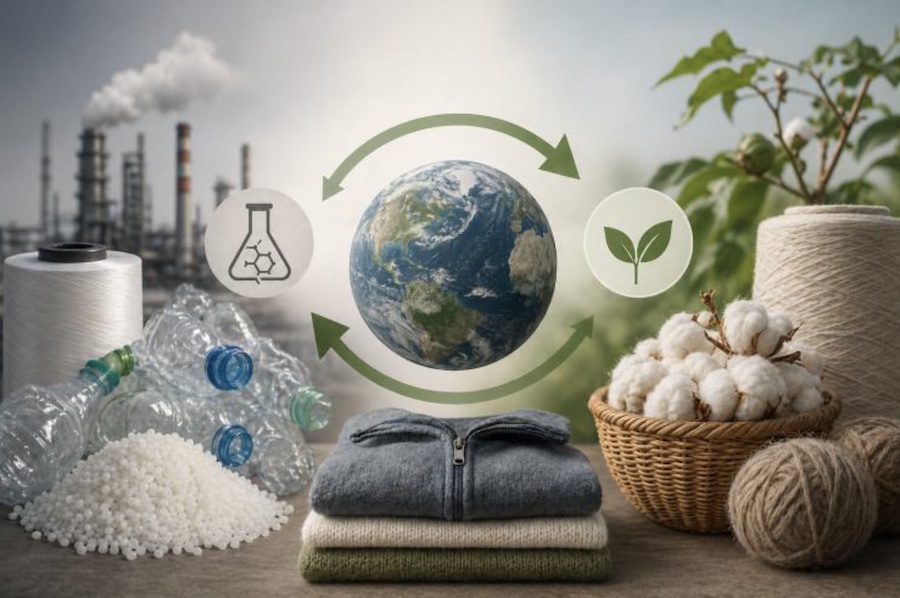
Future-ready innovation means thinking across the entire product lifecycle. Production scraps, offcuts, and post-consumer textiles are not just a growing waste problem — they are also a valuable and largely untapped resource. In his presentation, Dr. Matthew Farrell of Cotton Incorporated (USA) demonstrates how cotton textile waste can be converted into glucose. Since these materials consist primarily of cellulose — aside from dyes and finishes — they can be broken down into their sugar building blocks through hydrolysis.* The resulting glucose serves as a bio-based platform feedstock for a wide range of value-added products. Drawing on two processes developed in recent years, Farrell illustrates how used cotton textiles can be integrated into viable circular economy concepts.
* Note: During hydrolysis, cellulose chains are broken down into glucose using water — often supported by acids or enzymes.
Natural fibre systems and flame retardancy
At the same time, the market for natural fibre-reinforced composites is expanding rapidly, as industry and research increasingly turn to renewable, lightweight, and resource-efficient materials. Natural fibres generally offer a lower carbon footprint than glass or carbon fibre reinforcements and are especially attractive for applications driven by clear sustainability targets. However, fire performance presents specific challenges. As plant-based fibres are inherently combustible, natural fibre composites often exhibit less favourable fire behaviour than their glass- or carbon-fibre-reinforced counterparts. Meanwhile, regulatory and safety requirements are becoming more stringent: beyond flammability itself, parameters such as heat release rate, smoke development, and smoke toxicity are moving into sharper focus.
At the Bremen conference, Dr. Thomas Mayer-Gall from the German Institutes of Textile and Fibre Research North-West (DTNW), Krefeld, will present newly developed, halogen-free flame-retardant systems from DTNW research designed for these demanding applications.
More performance from 100% cotton
Complementing the circularity perspective, Seth Winner of Cotton Incorporated turns the spotlight on enhancing the performance of textiles made from pure cotton. The goal: to elevate 100% cotton fabrics with targeted functional upgrades — improving breathability, thermal insulation, and stretch, among other properties.
He will present innovative approaches that enable the precise functionalization of cotton textiles, using both new and established technologies to unlock the full performance potential of pure cotton.
Innovation meets circularity
Against the backdrop of rising demands for resource efficiency, circular economy solutions, and product safety, the closing session of the Bremen Cotton Conference sends a strong message. It delivers fresh, hands-on impulses for manufacturers, finishers, and developers — and showcases the remarkable innovative power of cotton.
Cotton is no longer just a traditional apparel fibre. It is evolving into a high-performance raw material platform for technical and sustainable applications — with strategic relevance for the textile and materials industries of tomorrow.