[pageLogInLogOut]

#Market Analysis & Forecasts

China Textile Market Report 2020-2026: Materials (Cotton, Jute, Silk, Synthetic, Wool), & Application (Fashion and Clothing, Industrial/Technical, and Household)

The "China Textile Market 2020-2026" report has been added to ResearchAndMarkets.com's offering.

The China textile market is anticipated to grow at a CAGR of more than 5% during the forecast period.

China Textile Market Size, Share & Trends Analysis Report by Material (Cotton, Jute, Silk, Synthetic, Wool, and Others), by Application (Fashion and Clothing, Industrial/Technical, and Household) Forecast Period (2020-2026).

The textile and apparel industry represents an important force that supports the steady development of the Chinese economy. China has maintained a steady performance in the global textile and apparel industry and has taken an important position in the total of textiles and apparel among the imports of the US, the European Union, and Japan.

China's textile and apparel industry has grown into an industrial sector with independent innovation capacity that has injected intelligence, and digital technology in-depth into key links of the entire industrial chain, ranging from raw material supply, design, and R&D research to textile dyeing and processing, textile manufacturing, and operation retail.

Technological innovation has reshaped a new textile and apparel industry in China. First, the industry has improved production efficiency. Industry players have improved the production environment with the information technology and have raced to introduce smart plant, smart logistics, and smart outlet in a move to improve the production efficiency and service experience. Second, the industry has upgraded the product portfolio, with further diversified product varieties, and better quality, which has enabled the industry to remain competitive in the international arena.

The China textile market is segmented based on material and application. Based on material, the textile market is segmented into cotton, jute, silk, synthetic, wool, and others. The application segment includes fashion and clothing, industrial/technical, and household. Spurred by the enormous consumption upgrade demand, personalized customization and smart wearable products emerged as new drives in the industry. The usage for textiles kept broadening, and functional textiles emerged as a new major segment.

The China textile market is diverse with a huge presence of small-scaled, medium-scaled, and large-scaled enterprises residing in the country. Anta Sports Products Limited, Jihua Group, Lu Thai Textile Co., Ltd., Shandong Ruyi Technology Group Co., Ltd., Shandong Weiqiao Pioneering Group Co., Ltd., and Weiqiao Textile Co., Ltd. are among some of the key market players in China textile industry.


Key Topics Covered:

1. Report Summary

1.1. Research Methods and Tools

1.2. Market Breakdown

2. Market Overview and Insights

2.1. Scope of the Report

2.2. Analyst Insight & Current Market Trends

2.3. Rules & Regulations

3. Competitive Landscape

3.1. Company Share Analysis

3.2. Key Strategy Analysis

3.3. Key Company Analysis

4. Market Determinants

4.1 Motivators

4.2 Restraints

4.1. Opportunities

5. Market Segmentation

5.1. China Textile Market by Material

5.1.1. Cotton

5.1.2. Jute

5.1.3. Silk

5.1.4. Synthetic

5.1.5. Wool

5.1.6. Others

5.2. China Textile Market by Application

5.2.1. Fashion and Clothing

5.2.2. Industrial/Technical

5.2.3. Household

6. Company Profiles

6.1. Anta Sports Products, Ltd.

6.2. Esquel Group

6.3. Heilan Group Co., Ltd.

6.4. Huafang Wuhe Textile Co., Ltd.

6.5. Jihua Group

6.6. Lu Thai Textile Co., Ltd.

6.7. Shandong Ruyi Technology Group Co., Ltd.

6.8. Shandong Weiqiao Pioneering Group Co., Ltd.

6.9. Shenzhou International Group Holdings, Ltd.

6.10. Shijiazhuang Changshan Textile Co., Ltd.

6.11. Texhong Textile Group, Ltd.

6.12. Weiqiao Textile Co., Ltd.

For more information about this report visit:

https://www.researchandmarkets.com/r/ndv2yj


More News from TEXDATA International

#ITM 2026

ITM 2026: The new geography of textile production

New production hubs are emerging across North Africa and Central Asia, while Türkiye is accelerating its transformation toward higher-value, technology-driven and more sustainable textile manufacturing.

#Research & Development

“Production is a product”

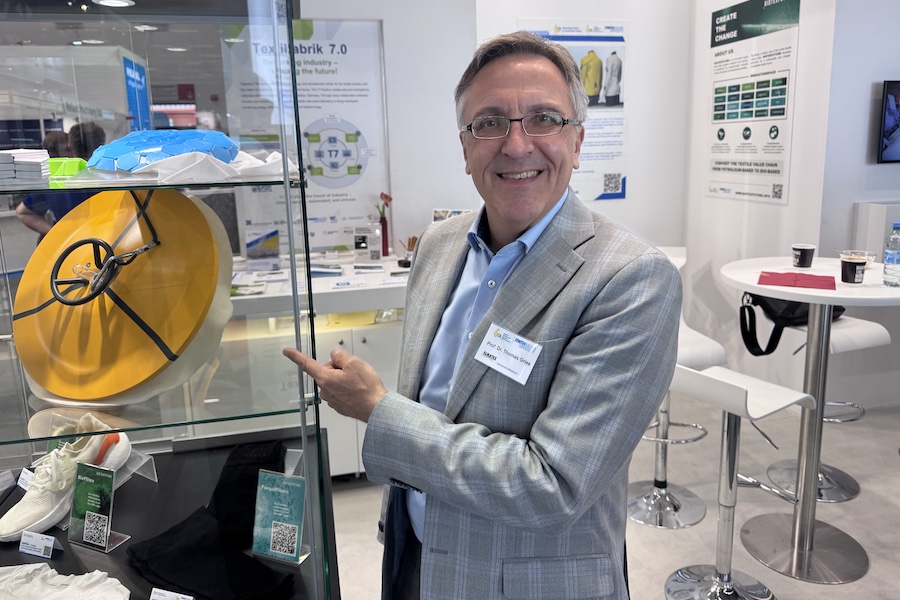
From technical textiles and AI-driven robotics to the limitations of textile circularity: Professor Dr Thomas Gries looks back on more than two decades of development at ITA Aachen. In the interview, he explains why production technology remains a decisive success factor, discusses international collaborations and innovation ecosystems, and shares his views on the transformation of production landscapes and the challenges facing an increasingly regulated industry.

#Knitting & Hosiery

“We need to move away from the price trap and return to a value-driven mindset.”

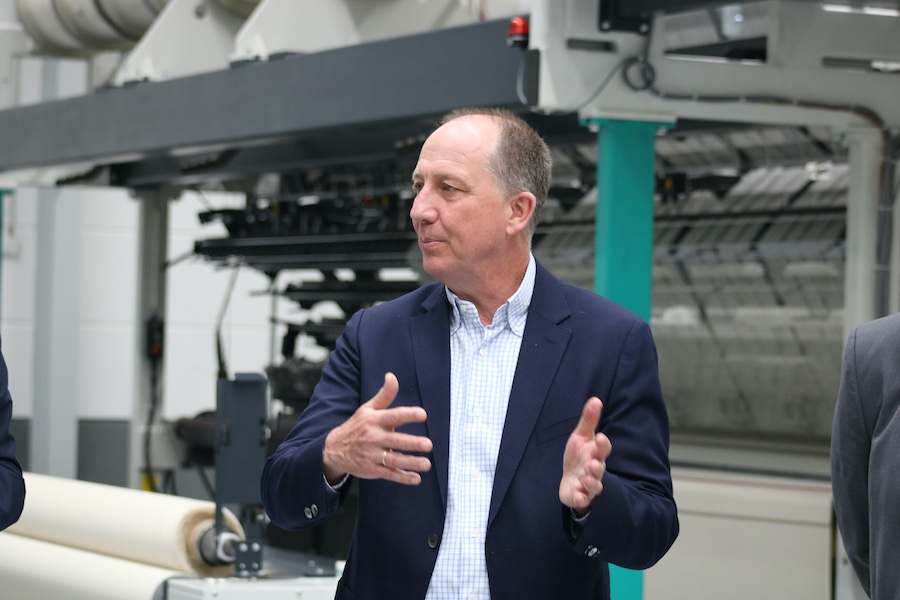
With its new Textile Innovation Center, KARL MAYER is sending a strong signal for innovation, collaboration, and the future of textile applications. In this interview, Karl Josef Mayer discusses new opportunities in warp knitting, the processing of staple fibres, recycling, the changing role of machinery manufacturers, and why the textile industry must once again focus more strongly on the value of textiles. by Oliver Schmidt

#Associations

“Innovation, resilience and international experience remain the great strengths of the Swiss textile machinery industry”

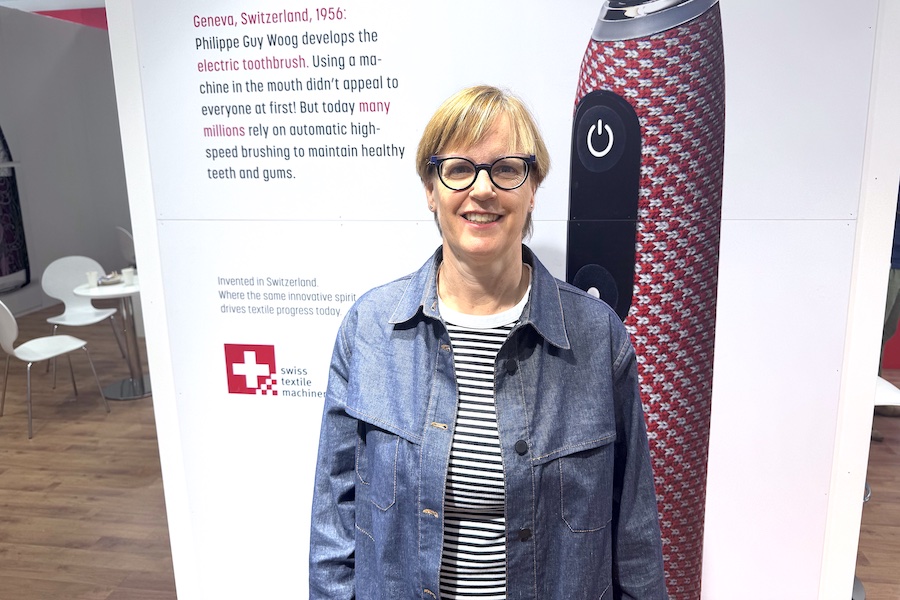
Geopolitical uncertainty, growing competitive pressure from China, new free trade agreements and the shift towards a circular economy are currently reshaping the global textile industry. In this interview, Cornelia Buchwalder discusses the current mood within the Swiss textile machinery sector, the industry’s distinctive innovative strength, new market opportunities in India and Asia, and the technological trends that could shape the upcoming trade fair cycle leading up to ITMA 2027.

More News on Market Analysis & Forecasts

Latest News

#ITMA 2027

ITMA 2027 receives strong industry response

ITMA 2027 has unveiled its sector plan, marking progress towards the 2027 edition as planning continues ahead of the show. The ITMA 2027 sector plan covers 12 halls at the Messegelände Hannover venue, spanning over 180,000 square metres, and features 20 sectors of the textile and garment making processes, from spinning to finishing, software and automation, recycling, and fibres, yarns and fabrics.

#Heimtextil 2027

Heimtextil expands Bed, Bath & Living with new ‘Comfort & Connect’ area

Heimtextil is expanding its product range for Bed, Bath & Living in a targeted manner: ‘Comfort & Connect‘ is creating a new meeting place in the foyer of Hall 5.1 for high-quality bed, bath and lifestyle collections. Following on from ‘Sleep & Meet‘, this is now the second area where Heimtextil is further refining its offering for exhibitors and buyers. The new area brings together established brands, high-profile returning exhibitors and international buyers in a central location with easy access.

#Associations

Business situation weakens slightly, but the industry stays cautiously optimistic

The International Textile Manufacturers Federation (ITMF) has published the results of its 39th Global Textile Industry Survey (GTIS), conducted from 14 to 22 July 2026 among companies along the entire global textile value chain. Worldwide, 10% of participants rated their business situation as good, 53% as satisfactory and 37% as bad — a balance of -26pp, down from -17pp in May but still well above the 2023 lows. All regions are now in negative territory, from South Asia at -3pp to North & Central America at -58pp.

#Man-Made Fibers

Ministry of Industry Delegation visits NatureWorks’ second global manufacturing site at Nakhon Sawan Biocomplex

NatureWorks Asia Pacific Limited welcomed a high-level delegation led by Mr. Varawut Silpa-archa, Minister of Industry, to its manufacturing site at the Nakhon Sawan Biocomplex (NBC). The visit follows the successful inauguration of the site on April 29, 2026, and highlights the role of public-private collaboration in advancing Thailand’s sustainable industrial development and bioeconomy ambitions.

TOP