[pageLogInLogOut]
TRÜTZSCHLER SPINNING - THE NEW CARD

#Industry 4.0 / Digitalization

World Leader in smart embedded RFID, Primo1D raises 15M Euros for industrial-scale deployment

Primo1D, world leader in embedded RAIN RFID (Ultra High Frequency Radio Frequency Identification) tags for smart objects, today announced a new funding round of 15 million euros from major French capital funds. Primo1D now has the necessary means to move to industrial scale and accelerate its development in high-volume markets including fast fashion and professional clothing as well as industrial markets such as tires and electrical cables.

Primo1D's E-Thread™ tag provides a unique, high-durability and plastic-free RFID solution for product identification, authentication, and traceability. E-Thread is integrated by customers into their products during their manufacturing processes: it thus inseparable and functional throughout a product’s lifecycle. E-Thread ensures a genuine electronic identification and a durable link between the tagged item and the cloud, where RFID-based data can be stored, managed and shared via the Internet of Things (IoT). It responds to the digitization challenges of complex supply chains, Industry 4.0 and new sustainable business models such as the circular economy.

"With this latest funding round, we are entering a phase of strong industrial growth to meet booming customer demand,” said Emmanuel Arène, CEO and Founder of Primo1D. “By providing a non-intrusive digital ID in a miniaturized, unique form factor, our disruptive E-Thread technology transforms products into smart objects. As such it enables new use cases in multiple industry sectors and supports corporate social responsibility initiatives.”


As industries shift towards ‘smarter’ operations, the global UHF segment of the RFID chip market, according to RAIN Alliance Market Research, is undergoing very strong growth (CAGR 30%) with more than 20 billion components consumed each year. While large-scale textile distribution is the biggest contributor to this growth, many other industries such as automotive, transport and healthcare are joining in.

Primo1D: Founded in 2013 and based in Grenoble, Primo1D is a pioneer in electronics integrated into objects and materials. Its unique E-Thread™ RFID technology, developed at the CEA-Leti research center, is a plastic-free microelectronic “packaging” technology that provides an unparalleled solution for traceability and authentication of products throughout their life cycle, thus responding to the challenge of digitization, the growing needs related to Industry 4.0, as well as the challenges of the circular economy. With this technology, Primo1D aims to be the leader in embedded electronics for the textile industry and in connected objects for industrial use.

www.primo1d.com


More News from TEXDATA International

#Techtextil 2026

Performance Apparels: Functional textiles drive innovation at Techtextil 2026

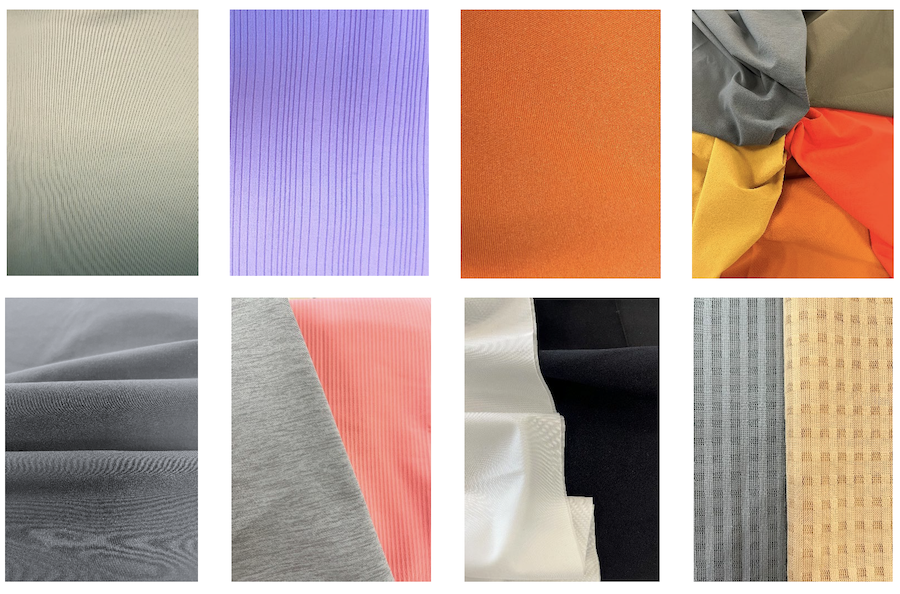
From high-performance fibres and advanced membranes to smart textiles and sustainable material concepts – functional apparel is becoming one of the most dynamic innovation fields in technical textiles. At Techtextil 2026, exhibitors demonstrate how new materials, finishing technologies and digital functions are shaping the next generation of protective, workwear and outdoor systems.

#Texprocess 2026

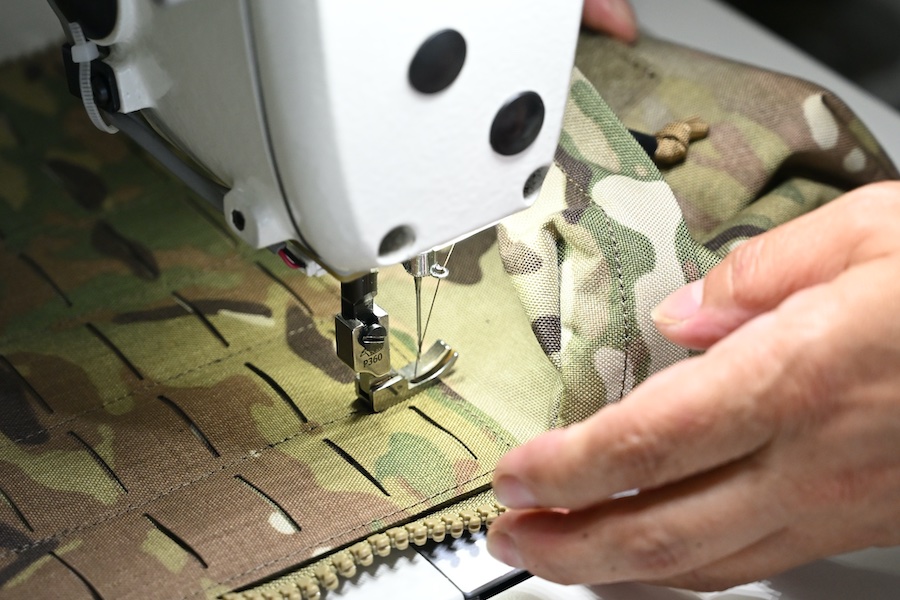
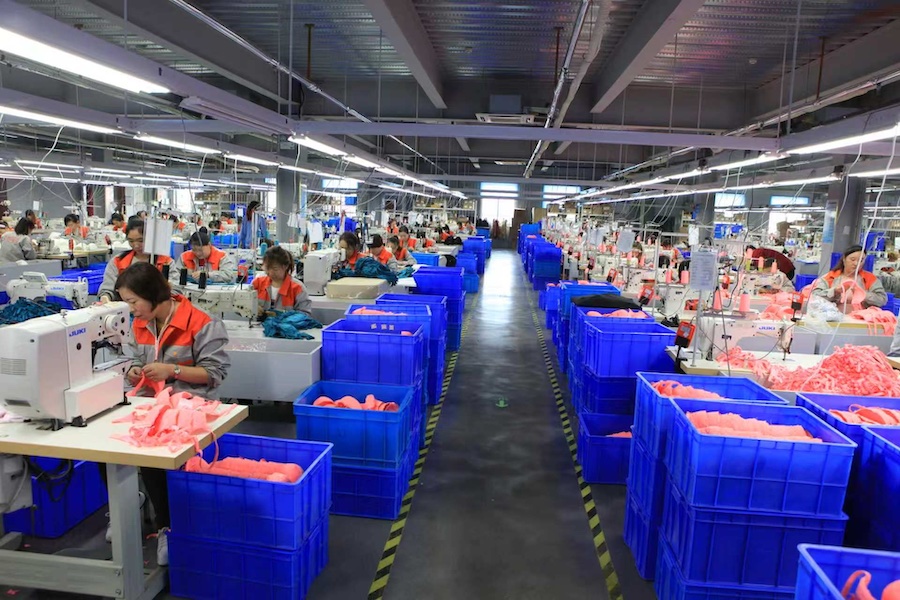
Texprocess 2026: Automation, digitalisation and AI reshape textile processing

Investment decisions in textile processing have become increasingly complex. Rising energy prices, labour shortages and geopolitical uncertainties are forcing companies to prioritise technologies that deliver measurable improvements in efficiency and process stability. This applies not only to apparel production, but also to the processing of technical textiles and high-performance materials. Modernisation projects are therefore being evaluated more selectively – but the pressure to upgrade production systems continues to grow. Texprocess 2026 reflects this tension between cautious investment behaviour and increasing technological demand.

#Techtextil 2026

Textile Chemicals & Dyes: Innovation in Textile Chemistry moves into focus at Techtextil 2026

From PFAS-free finishes and water-saving dyeing technologies to advanced coatings and recycling-compatible formulations, innovation in textile chemistry is accelerating across the industry. Reflecting this development, Techtextil 2026 introduces Textile Chemicals & Dyes as a dedicated product segment, highlighting the growing role of chemical solutions in shaping the next generation of technical textiles.

#Recycling / Circular Economy

textile.4U publishes special edition “Top 100 Textile Recycling Companies 2025”

With a comprehensive 176-page special edition, textile.4U is dedicating its latest issue entirely to one of the most dynamic and influential topics in today’s textile industry: textile recycling. The new issue, published exclusively in high-quality print, presents the Top 100 textile recycling companies researched and selected by TexData – organizations that already play a key role in the transition to circular textiles or are expected to have a significant impact in the near future.

More News on Industry 4.0 / Digitalization

#Research & Development

Textilfabrik 7.0 launched: Mönchengladbach becomes a real-world lab for sustainable textile production

With the official kick-off event of the Textilfabrik 7.0 (T7), a major transformation project for the German textile and apparel industry has been launched in the Monforts Quarter in Mönchengladbach. At the “Textile Roundtable,” an event format organized by the Zukunftsagentur Rheinisches Revier, representatives from industry, research, politics, and the regional economy came together to jointly lay the foundation for CO₂-neutral, circular, and economically viable textile production in Germany.

#Man-Made Fibers

OnceMore® from Södra brings end-to-end traceability for circular Man-made Cellulosic Fibers (MMCF) using TextileGenesis

OnceMore® from Södra, the world’s first large-scale process for recycling blended fabrics into high‐quality dissolving pulp, will begin using TextileGenesis, a Lectra company, to strengthen traceability from raw material to retail across the value chain. OnceMore® produces dissolving pulp made from blended textile waste and wood sourced from responsibly managed Swedish forests. By integrating TextileGenesis, OnceMore® supports the growing need for verified data and secure, transparent tracking throughout increasingly complex supply chain.

#Denim

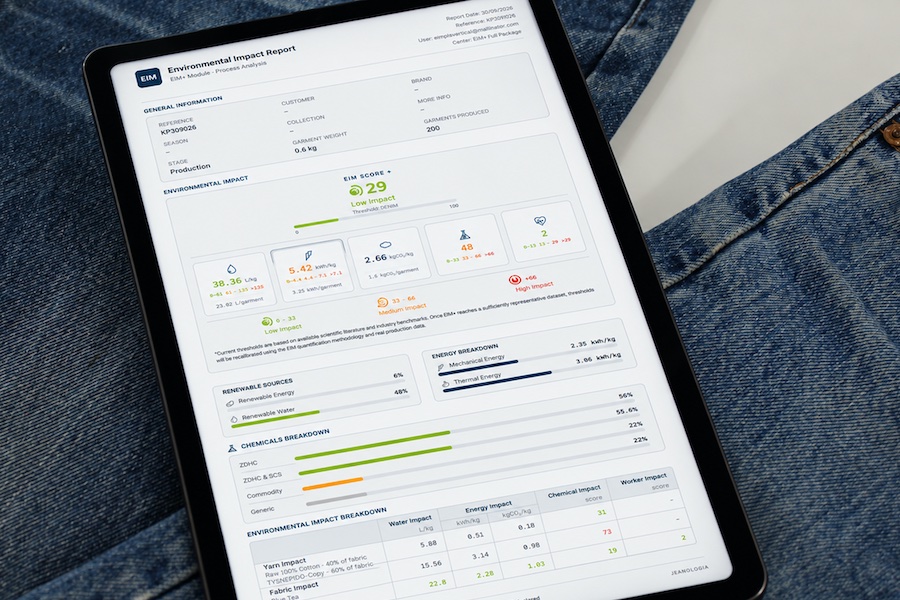
Jeanologia launches Billy

The new AI extracts precise laser designs from a garment image in minutes, transforming how vintage denim is recreated for production. If Jeanologia’s laser changed the way jeans were made at the end of the last century, its AI now takes the next step: moving from reproducing wear to designing it. / archive photo © 2026 Jeanologia

#Dyeing, Drying, Finishing

Monforts unveils interactive digital platform for textile finishers

Monforts has launched a new digital platform designed to give textile manufacturers faster, more intuitive access to the company’s finishing technologies, technical expertise and aftersales support worldwide.

Latest News

#Textile chemistry

A flagship for chemical production: BASF inaugurates world-scale Verbund site in China

BASF today (March 26, 2026) celebrated the official inauguration of its newly built, world-scale Verbund site in Zhanjiang, Guangdong Province in southern China. Covering an area of around four square kilometers, it is more than a major BASF project in the chemical growth market of China. “Zhanjiang shows what the future of chemistry looks like: efficient, digital and sustainable by design. The site showcases a smart integrated Verbund structure on an industrial scale,” said Dr. Markus Kamieth, CEO of BASF, at the ceremony attended by representatives from government, customers, business partners and employees.

#Nonwovens

VEOCEL™ Lyocell production expands to Asia – Launching a new chapter for nonwovens in the region

VEOCEL™, Lenzing's flagship specialty nonwovens brand, expands production at its Thai plant in Prachinburi. This is the first-ever production of its nonwoven-grade lyocell fibers in Asia. Built in 2022 with a 100,000-ton annual production capacity, the facility - previously focused on fibers for textile applications - now can directly meet the demand for VEOCEL™’s biodegradable¹, wood-based lyocell fibers for nonwovens products. These fibers are an essential ingredient for high-quality nonwovens products, ranging from baby wipes to facial sheet masks and everyday personal hygiene items.

#Research & Development

Hof University develops sustainable textile coating for the fashion of tomorrow from mushrooms

Clothing is often treated as disposable: T-shirts for events, general merchandise, or short-term campaigns frequently end up in the trash after only a few uses. This is particularly problematic given that their production still largely relies on fossil-based materials. This is precisely where a new research project at Hof University of Applied Sciences comes in.

#Raw Materials

Fashion for Good mobilises industry to adopt mass balance attribution and accelerate decarbonisation

Fashion for Good launches today the Mass Balance Demonstrator project, a collaborative industry initiative to implement and scale the mass balance attribution (MBA) chain-of-custody model for biomass-attributed PET in textile applications. The project represents a concrete step toward accelerating brand-driven decarbonisation across the apparel value chain.

TOP