[pageLogInLogOut]

#Digital Printing

Save up to 35% ink with Durst Workflow ink save tool

© 2023 Durst
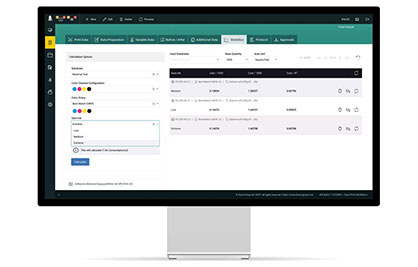
Ink Save is a module of Durst Workflow software developed to help inkjet printers reduce ink consumption while maintaining excellent color accuracy. Easy to use, Ink Save adjusts the ink consumption of all colors in your printer and compensates with black to achieve optimal reduction of your total ink consumption.

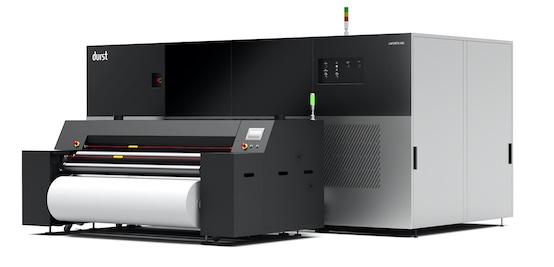
Designed for Durst printers, Ink Save has optimized presets to ensure the optimal ink saving configuration. Durst Workflow Ink Save is now also available for third party printers to maximize savings and ensure color accuracy across your entire printing devices.

Discover Durst Workflow Ink Save tool


How does the Ink Save tool work?

You don’t need to be a color expert to save on ink with Durst Workflow: its integrated powerful engine automatically calculates the color combination that reduces the amount of ink printed on the substrate. The Ink Save tool adjusts the ink consumption of all colors in your printer and compensates with black to achieve optimal reduction of your total ink consumption. Check ink consumption before printing: calculate and compare the ink consumption of your job in advance and compare the amount of ink usage with/without the feature or with different ink save modes to find the solution that best suits your needs. No re-profiling is needed.
© 2023 Durst
© 2023 Durst


In addition, Grey Component Replacement (GCR), being one part of the used algorithms, enables the right balance between ink savings and smoothness. In Durst Workflow the CMY values that add up to gray in the tone scale are replaced with black ink. The use of light black ink further supports this GCR approach, as the reduced contrast of light black allows for the best possible uniformity by replacing CMY. It results in less ink consumption, consequently thinner ink layers and optimized drying, which is especially valuable for high-speed printing and is also reflected in simplified post-printing processes. This function is as well applied automatically, so you don´t have to change it manually.


Why should you use this feature?

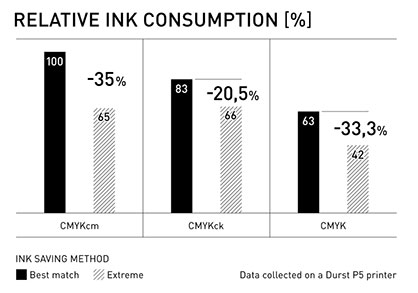
In this day and age, attention to issues around environmental sustainability and resource saving is imperative, as economic development and sustainability increasingly emerge as strongly related issues. Through the Ink Save tools, we help our customers reduce ink consumption and production costs by offering a choice of 3 different ink saving levels: low, medium and extreme. By using the extreme level, it is possible to save up to 35% on ink consumption.

Besides the significant environmental advantage of this, it is also a considerable figure for our customers' return on investment (ROI), which also helps reduce the total cost of ownership (TCO).
© 2023 Durst
© 2023 Durst


More News from Durst Phototechnik AG

More News on Digital Printing

#Digital Printing

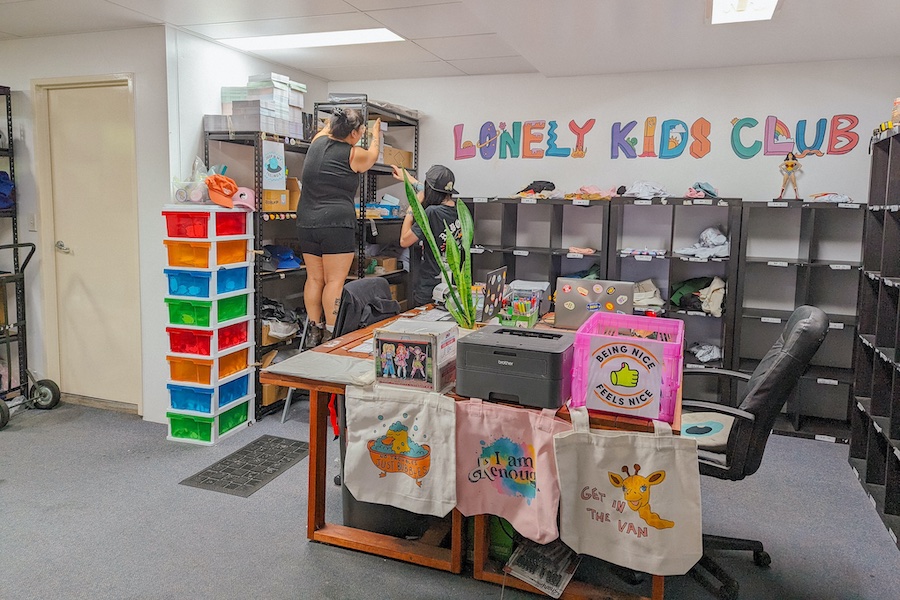
From a bedroom startup to 3,000 designs: How Lonely Kids Club built its business with DTG printing

Founded in Sydney in 2011, independent clothing label Lonely Kids Club has grown from a bedroom startup into a business offering around 3,000 graphic T-shirt designs. With its own production studio, direct-to-garment printing and a demand-driven manufacturing model, the company demonstrates how smaller apparel brands can combine creative independence with flexible production – while navigating the everyday challenges of quality control, workflow efficiency and sustainability.

#Digital Printing

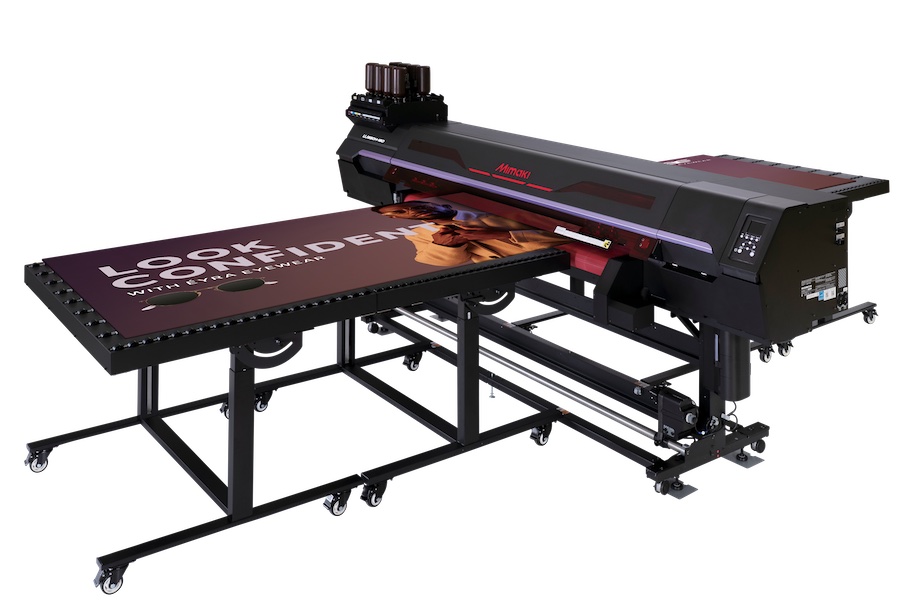
Mimaki highlights growing demand for hybrid UV printing across European markets

Insights from Mimaki's European partner network reveal how hybrid UV printing is responding to different regional market needs, driven by growing demand for flexible, application-oriented printing technologies.

#Digital Printing

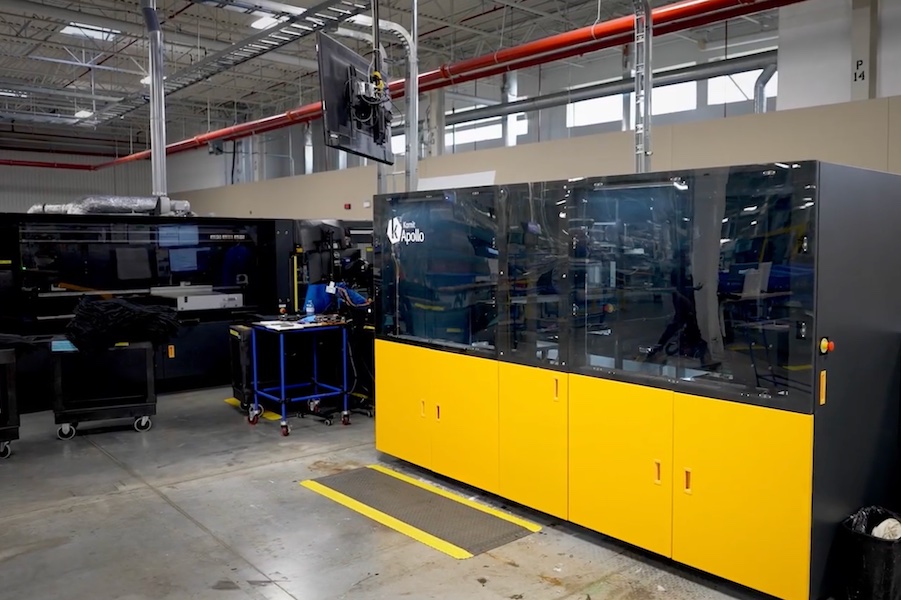
VistaPrint increases apparel production capacity with Kornit Apollo

Kornit Digital (NASDAQ: KRNT), a provider of on-demand digital textile production technologies, reports that VistaPrint has significantly increased its apparel production capacity through the implementation of the Kornit Apollo system. The installation has enabled the international print and design company to add approximately 25,000 units of weekly production capacity while improving production speed, operational efficiency and order turnaround times.

#Digital Printing

Blue Tomato accelerates agile retail apparel production with Kornit Digital

Kornit Digital (NASDAQ: KRNT), a global pioneer in on-demand digital fashion and textile production technologies, is highlighting how Blue Tomato, Europe’s largest board sports retailer, is using two Kornit Atlas MAX PLUS systems to support a more agile approach to in-house apparel production. The systems are helping Blue Tomato respond faster to changing consumer trends, produce high-quality apparel for its network of 86 retail stores across Europe and reduce inventory by printing only what the market demands.

Latest News

#Recycled Fibers

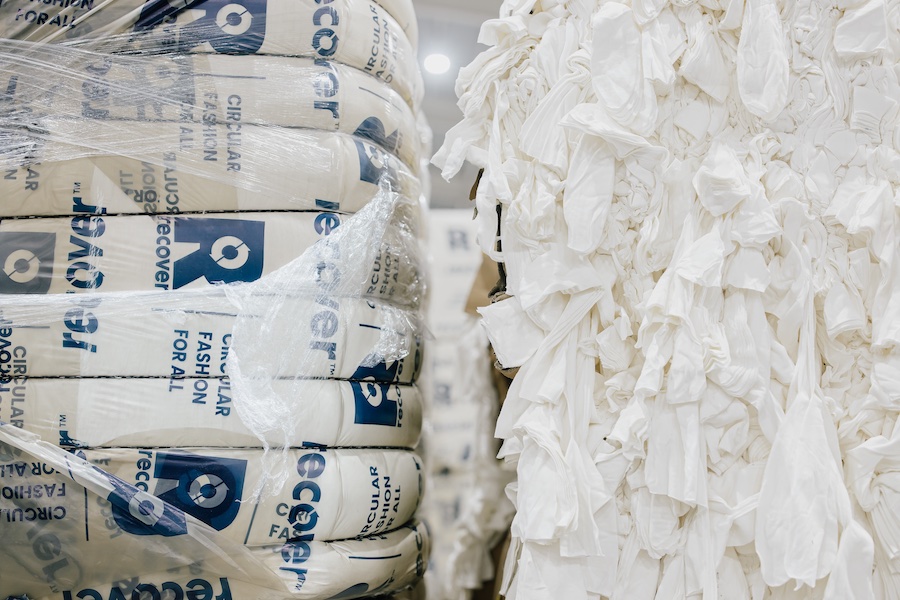
Recover and SUPIMA partner to develop recycled Pima cotton fibers and yarns

Recover and SUPIMA have partnered to turn waste from SUPIMA cotton production into a new line of recycled fibers and yarns. The collaboration will explore how recycled American-grown Pima cotton can be used in a wider range of yarns and garments for the premium market.

#India ITME 2026

India’s textile industry: Current position, growth targets and industrial development

With ambitious export targets, major investments in manufacturing infrastructure and new international trade agreements, India is pursuing a comprehensive development strategy for its textile and apparel industry. An overview of the industry’s current position, government initiatives, progress achieved and challenges ahead.

#Weaving

“A complex design is only useful if the machine can reproduce it consistently”

Andreas Schnabel, Head of R&D for Technical Weaving Systems at Stäubli, discusses how 3D weaving can create textile reinforcements tailored to the loads within a composite component, where near-net-shape weaving can reduce processing steps and material waste, and what it takes to produce complex structures reliably and economically. He also explains how manufacturers can adapt Stäubli’s modular TF weaving platforms to new applications and how the company’s centre of excellence in Bayreuth supports the transition from research to industrial production.

#India ITME 2026

India ITME 2026: Textile technology meets India's investment ambitions

With ambitious growth targets, government incentive programmes and industrial development initiatives already underway, India is preparing for the next stage of its textile transformation. Against this backdrop, the 12th India ITME, taking place in Greater Noida from 4 to 9 December 2026, arrives at a particularly important moment for machinery manufacturers and textile producers alike.

TOP