[pageLogInLogOut]

#Denim

ISKO shared R-TWOTM at Drapers Sustainable Fashion Forum

The leading denim ingredient brand hosted a special panel to discuss some of the pioneering advancements in technology that are making the fashion industry more responsible: from R-TWOTM to automated laser technology.

With the fashion industry being considered one of the world’s most polluting businesses-sectors, collaborating and knowledge sharing are key in finding solutions for a better future. Fully aware of this scenario, for the second year running, ISKO was the headline sponsor at Drapers Sustainable Fashion Forum, the authoritative event bringing together the most responsible players to discuss what can be done to tackle the industry’s environmental and social issues through innovation and creativity. 

Sharing knowledge, collaborating for change.

As evidence of its pioneering Responsible InnovationTM approach, ISKO shared its founding values of creativity, competence and citizenship by showcasing the R-TWOTM program, its latest responsible achievement, in a dedicated stand.

Stemming from the mill’s holistic vision, R-TWOTM represents a great example of how reducing, reusing, and recycling strategies can be implemented in a textile business to improve its environmental performance. With the goal to create fabrics that can provide both quality and responsibility, ISKO has developed this platform, which deals with the most critical issue that apparel supply chains are currently faced with: using more than what actually needed.

To this end, R-TWOTM reduces the amount of raw material sourced by using a blend of reused cotton and recycled polyester – both certified –, improving sourcing efficiency throughout the entire field-to-fabric production. This cutting-edge program effectively tackles over-sourcing – the leading issue when it comes to waste hierarchy.

Reused cotton is certified with the Content Claim Standard – or CCS – from the Textile Exchange. As for recycled polyester, it can be either Recycled Claim Standard (RCS) or Global Recycled Standard (GRS) certified, depending on the content percentages.

Together with this cutting-edge and fully responsible program, ISKO also uses automated laser technology developed in partnership with Jeanologia. At the event, ISKO incorporated this forefront solution into its stand, where guests could receive a personalized denim apron, showcasing this entirely responsible innovation.

“How technology can help make the fashion industry more sustainable”: a special panel featuring ISKO.


On March 11th, ISKO hosted a power talk on the event’s main stage. The discussion started at 9.30, to explore some of the pioneering advancements in technology that are making the fashion industry more responsible. From automated laser technology to integrated waste management processes and field-to-garment tracking systems, a selection of speakers illustrated how these achievements are reshaping the fashion industry.

The panel was moderated by David Shah, internationally renowned consultant on design and marketing development, Publisher and CEO at Metropolitan Publishing BV and Associate Professor at ARTez (Arnhem, the Netherlands) and Associate Professor at Renmin University, (Beijing, China).

The talk involved Keith O’Brien, ISKO Marketing & Business Development Manager, Victoria Soto, Jeanologia Custom Technology Consultant and Filippo Ricci, Fashion Open Studio Program & Partnership Manager.

“Stepping up together is essential, when it comes to the development of better practices,” claimed Keith O’Brien, ISKO Marketing & Business Development Manager. “This is not something we can deal with alone, we need to rise up as one and be consistent in our quest for new, responsible solutions. We should never stand still, as there is always room for improvement and events like this one are proof that we are all on the same page.”

More News from TEXDATA International

#ITM 2026

ITM 2026: The new geography of textile production

New production hubs are emerging across North Africa and Central Asia, while Türkiye is accelerating its transformation toward higher-value, technology-driven and more sustainable textile manufacturing.

#Research & Development

“Production is a product”

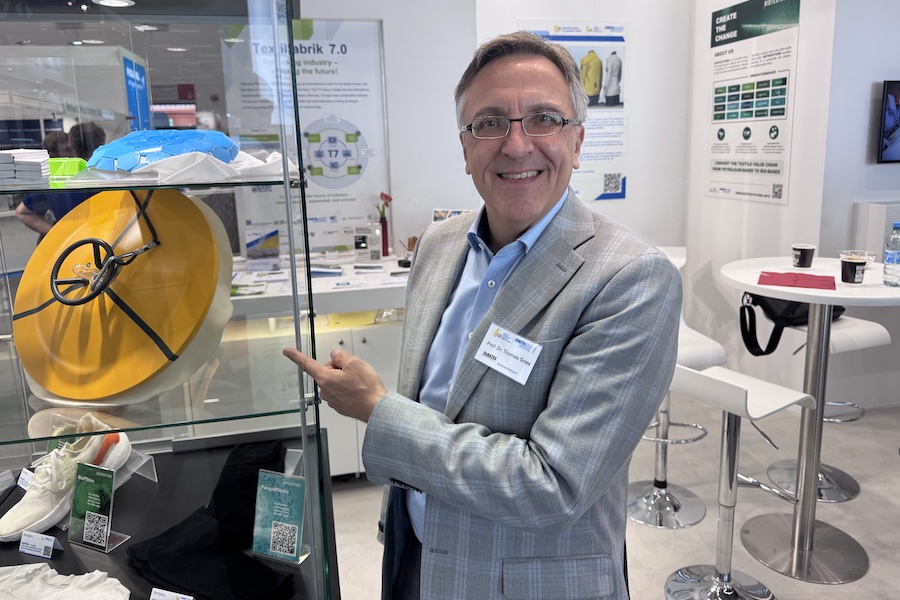
From technical textiles and AI-driven robotics to the limitations of textile circularity: Professor Dr Thomas Gries looks back on more than two decades of development at ITA Aachen. In the interview, he explains why production technology remains a decisive success factor, discusses international collaborations and innovation ecosystems, and shares his views on the transformation of production landscapes and the challenges facing an increasingly regulated industry.

#Knitting & Hosiery

“We need to move away from the price trap and return to a value-driven mindset.”

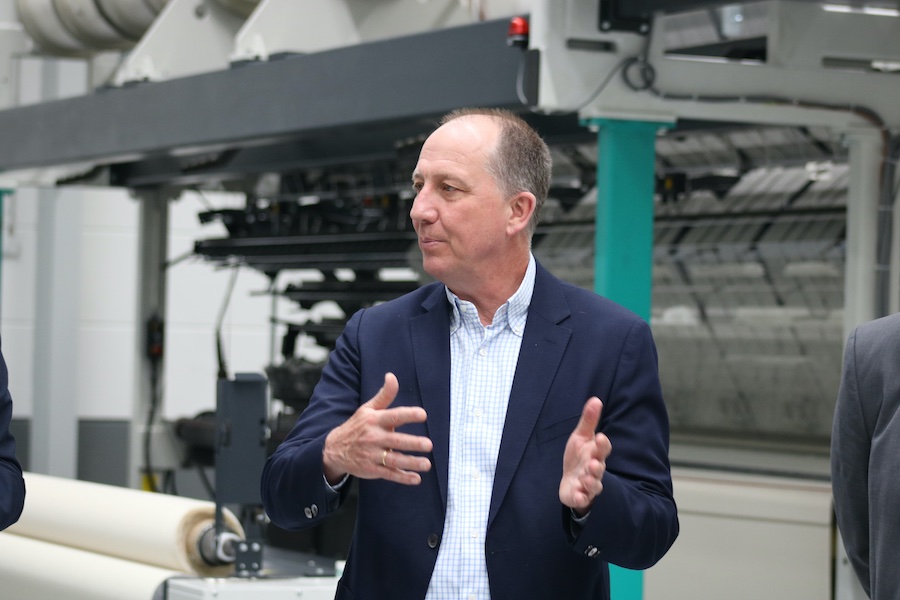
With its new Textile Innovation Center, KARL MAYER is sending a strong signal for innovation, collaboration, and the future of textile applications. In this interview, Karl Josef Mayer discusses new opportunities in warp knitting, the processing of staple fibres, recycling, the changing role of machinery manufacturers, and why the textile industry must once again focus more strongly on the value of textiles. by Oliver Schmidt

#Associations

“Innovation, resilience and international experience remain the great strengths of the Swiss textile machinery industry”

Geopolitical uncertainty, growing competitive pressure from China, new free trade agreements and the shift towards a circular economy are currently reshaping the global textile industry. In this interview, Cornelia Buchwalder discusses the current mood within the Swiss textile machinery sector, the industry’s distinctive innovative strength, new market opportunities in India and Asia, and the technological trends that could shape the upcoming trade fair cycle leading up to ITMA 2027.

More News on Denim

#Recycling / Circular Economy

Blue Jeans Go Green celebrates 20 years of denim recycling with more than six million items collected

Cotton Incorporated is celebrating the 20th anniversary of its Blue Jeans Go Green™ denim recycling program. Since its launch in 2006, the initiative has collected more than six million denim items, diverted over 3,000 tons of textile waste from landfills and enabled the production of more than 12 million square feet of denim-based insulation. What began as a college campus collection drive has developed into a nationwide recycling initiative involving consumers, retailers, schools and community organisations across the United States.

#Industry 4.0 / Digitalization

Jeanologia and BCome connect factory data with Life Cycle Assessment and Digital Product Passports

A new white paper by EIM by Jeanologia and BCome demonstrates how primary environmental data from denim finishing processes can be integrated into a garment's Life Cycle Assessment (LCA) and prepared for use in a Digital Product Passport (DPP). A comparative case study highlights significant improvements at the production stage while also showing how these translate into the environmental performance of the finished garment.

#Denim

Inside the Making connects denim and sportswear supply chains at Ecomondo 2026

Six European companies are joining forces at Ecomondo 2026 in Rimini to demonstrate how different stages of denim and sportswear production are interconnected. The new initiative, Inside the Making, highlights the importance of cooperation across the textile supply chain in addressing sustainability challenges, from reducing resource consumption to improving transparency and the reliability of environmental claims.

#Denim

Catalyst Club connects fashion industry leaders and emerging talent at Kingpins Amsterdam

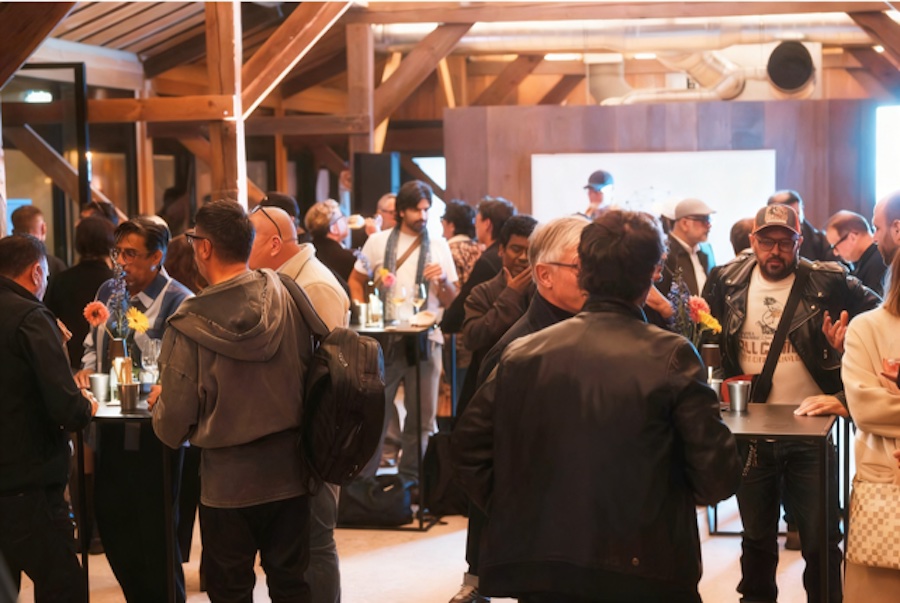
Following its debut in Florence, Catalyst Club hosted its second networking event during the Kingpins Show in Amsterdam, bringing together international fashion and denim industry representatives to exchange ideas, share experiences and explore new opportunities for collaboration.

Latest News

#India ITME 2026

Trützschler brings intelligent fiber processing and automation to India ITME 2026

From December 4 to 9, 2026, the Trützschler Group will present its latest innovations in spinning, card clothing and nonwovens at India ITME in Greater Noida, India. At Hall 11, Booth B15, visitors can discover solutions designed to increase productivity, reduce operating costs and ensure consistently high product quality. Key highlights include the intelligent card TC 26i, the 12-head comber TCO 21XL, innovative card clothing solutions for improved fiber utilization and quality, as well as advanced nonwovens technologies for hygiene, wipes and technical applications.

#Recycling / Circular Economy

Circulose resumes recycling of discarded cotton textiles and appoints interim CEO

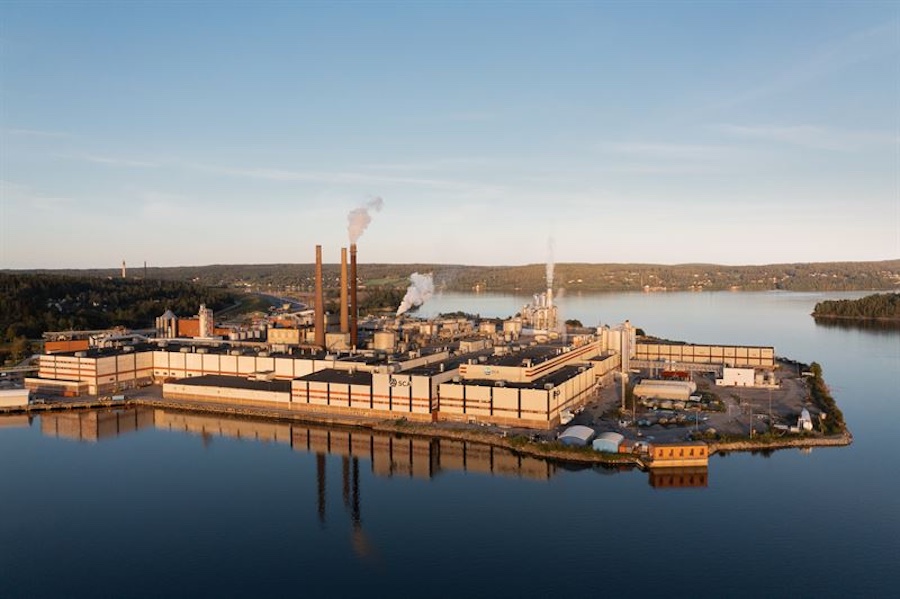
Circulose today announced its restart of commercial-scale production plant at Ortviken in Sundsvall, Sweden, marking a significant step in scaling next-generation materials for the global fashion industry. The Ortviken plant is the world’s first commercial-scale chemical textile recycling facility. Its restart demonstrates that the fashion industry is seeking ways to scale proven solutions that move beyond pilots and into commercial production.

#ITMA Asia + CITME 2026

Itema brings textile versatility to ITMA ASIA + CITME 2026

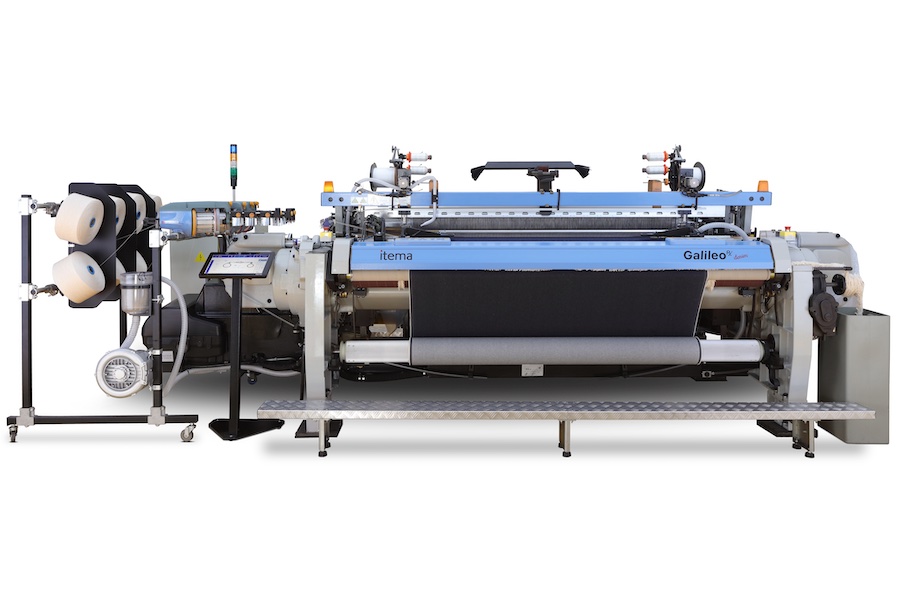
Itema announces its participation in ITMA ASIA + CITME 2026, taking place November 20–24 at the National Exhibition and Convention Center in Shanghai. In Hall 3 – Stand D06, the company will showcase two Galileo-RX rapier weaving machines weaving heavy denim and conveyor belt fabrics, demonstrating its ability to address different textile requirements with application-specific configurations. Five additional Itema machines at partner booths will extend the exhibition lineup to upper shoe fabric, label, Jacquard leno fabrics, and shirting, offering visitors a broader view of Itema rapier and air-jet weaving technologies.

#Dyeing, Drying, Finishing

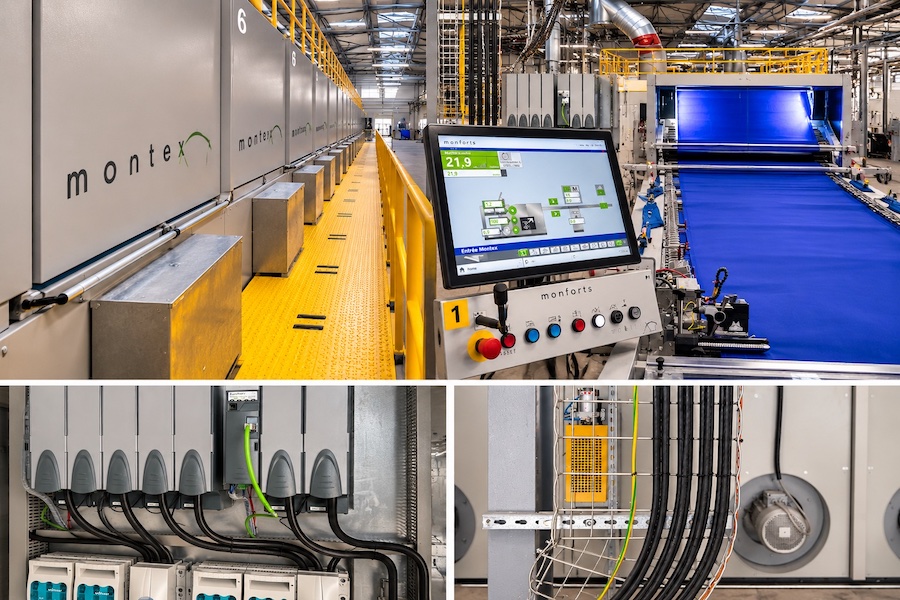
AEI reaps the benefits of all-electric new Monforts range

The impact of the rising cost of energy on the textile industry has been well documented, with some European countries paying up to seven times more to run their manufacturing operations than in other regions of the world.

TOP