[pageLogInLogOut]

#Yarn & Fiber

Global fiber production reached an all-time high of 124 million tonnes in 2023

Global fiber production reached an all-time high of 124 million tonnes in 2023, according to the latest Materials Market Report from Textile Exchange – which looks at total volumes used for apparel, home textiles, footwear, or any other application.

The data shows that the market share of virgin fossil-based synthetics continued to increase in 2023, with a decline in that of cotton and recycled fibers. Other key takeaways from the report’s data include:

+ Record fiber production: Despite industry efforts, global fiber production has more than doubled since 2000. The last year’s 124 million tonnes represents a 7% increase from 116 million tonnes in 2022, and is expected to rise to 160 million tonnes in 2030 if current trends continue.

+ Synthetics continue to dominate: The production of virgin fossil-based synthetic fibers increased from 67 million tonnes in 2022 to 75 million tonnes in 2023. Polyester remained the most produced fiber globally, accounting for 57% of total fiber production.

+ Recycled synthetics face challenges: Although recycled polyester fiber production slightly increased in 2023, the overall market share of recycled polyester decreased from 13.6% to 12.5%. For polyamide (nylon), the second most used synthetic fiber, recycled fibers constituted only 2% of the total market share. These trends are attributed to the lower prices and continued production of virgin synthetics, as well as current limitations in recycling technologies. Less than 1% of the global fiber market came from pre- and post-consumer recycled textiles.

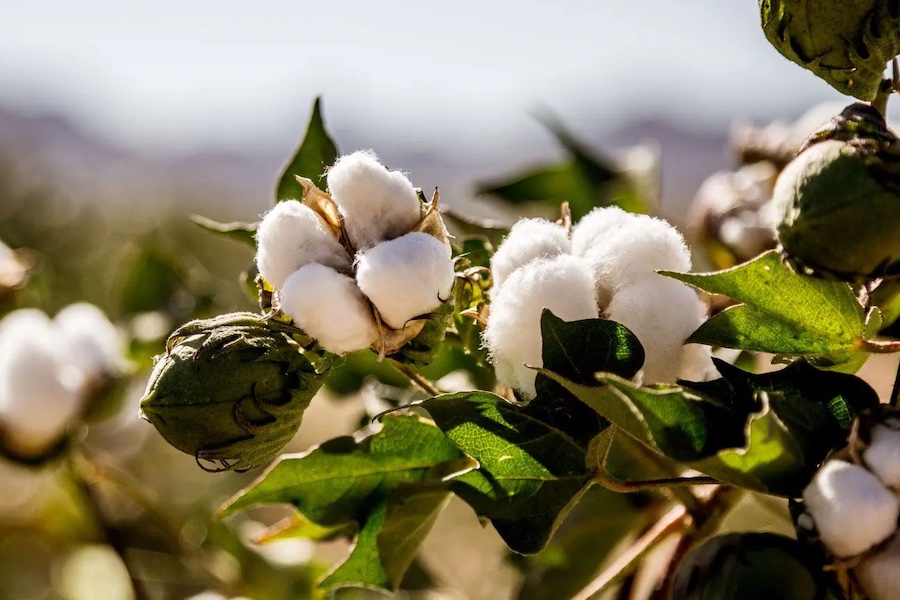
+ Cotton production saw a slight decline: Total global cotton volumes fell slightly from 25.1 million tonnes in 2022 to 24.4 million tonnes in 2023. However, the share of cotton produced under sustainability programs remained stable, accounting for 29% of all cotton produced.

+ Certified wool climbs: Data showed positive trends for wool produced under standards such as the Responsible Wool Standard (RWS), ZQ, SustainaWOOL (GREEN and GOLD), Sustainable Cape Wool Standard (SCWS) and Climate Beneficial programs. This increased from 4.2% in 2022 to 4.8% in 2023. Recycled wool continued to account for around 6% of the global wool market.

+ Certified mohair and cashmere reached almost half of market share: Certified fibers such as mohair and cashmere saw notable growth, both with market shares of 47%.

+ Manmade cellulosic fibers production increased: Overall MMCF production increased from 7.4 million tonnes in 2022 to 7.9 million tonnes in 2023, representing 6% of the global fiber market.

The report highlights a continued reliance on new virgin fossil-based synthetic materials, threatening to undermine the industry’s commitments to its climate goals. It also shows the current limitations of textile-to-textile recycling and an urgent need for innovative solutions, with most recycled polyester still coming from PET bottles.

Amid these concerns, one positive trend that stands out is the increased industry demand for responsible animal fibers through programs like the Responsible Mohair Standard (RMS) and Responsible Alpaca Standard (RAS), both contributing to better animal welfare and environmental management. This indicates the potential of farm-level standards of this kind to increase market recognition of more sustainable practices on the ground.

“We hope this data serves as a clear call to action for the industry, highlighting both the successes and the critical areas where we must intensify our focus to meet climate targets,” said Claire Bergkamp, CEO of Textile Exchange.

“Unlocking textile-to-textile recycling pathways will be essential to reducing reliance on virgin synthetics. Equally important is continuing to support those on the ground who are driving the transition from conventional systems to preferred materials. It is more urgent than ever to support those who have already invested in preferred systems, while also enabling the transition away from conventional at scale.”


More News from Textile Exchange

#Man-Made Fibers

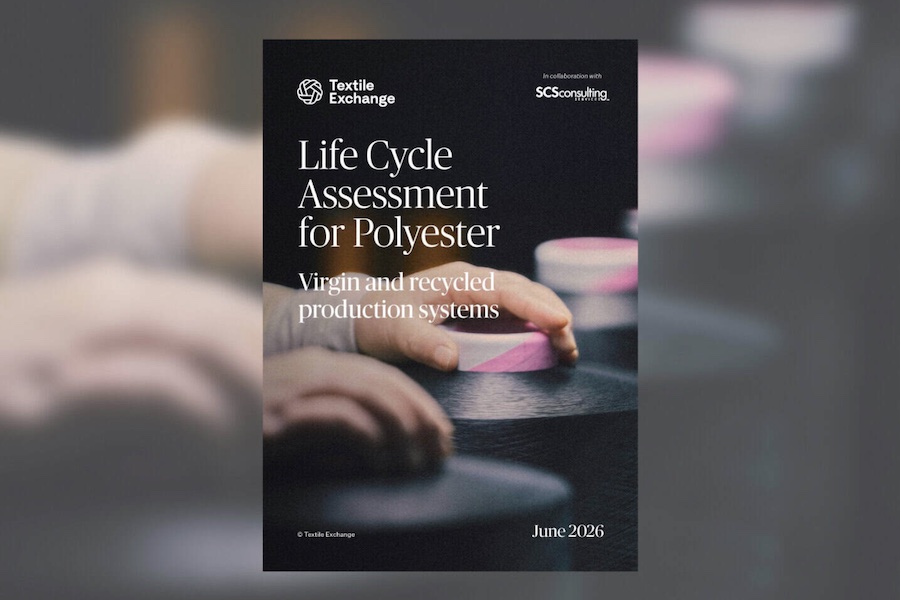
Textile Exchange publishes comprehensive polyester LCA study

Textile Exchange has released a new Life Cycle Assessment (LCA) study on polyester, providing detailed data on the environmental impacts of both virgin and recycled polyester production. The study aims to strengthen understanding across the fashion, textile and apparel industries and support more informed decision-making regarding polyester sourcing and production.

#Raw Materials

Textile Exchange publishes cotton Life Cycle Assessment study to strengthen impact data

Textile Exchange has published the first in a series of seven Life Cycle Assessment (LCA) studies designed to improve the quality and robustness of environmental impact data for raw material production across the fashion, textile, and apparel industry. The first LCA study focuses on cotton and addresses critical data gaps and methodology variability through new high-quality data across key producing countries. The study includes organic, regenerative, recycled, and country averages for conventional cotton production systems, providing a clearer picture of the associated environmental impact.

#Sustainability

Textile Exchange unveils commitment-based pathway for members to accelerate responsible raw material production

Textile Exchange has unveiled further details about its new membership structure, designed to guide the fashion, textile, and apparel industry in a collective course of action toward preferred production systems for raw materials and fibers.

#Yarns

Textile Exchange publishes the final criteria for its new Materials Matter Standard, marking a pivotal shift in connecting certification to impact

Textile Exchange has published the final criteria for its Materials Matter Standard—a major milestone in the organization’s multi-year transition toward a unified, impact-driven standards system for raw material production and primary processing. 

More News on Yarn & Fiber

#Man-Made Fibers

DYNEEMA® and NP Aerospace advance personal protection for military servicewomen

Dyneema®, owned by Avient Corporation, an innovator of materials solutions, is supplying its high-performance unidirectional (UD) materials to world-leading armor manufacturer NP Aerospace, enabling the production of armor systems designed specifically to fit the female body. With 2,000 new armor systems, including 4,000 plates, made in the United Kingdom (UK) and delivered in June 2026, this collaboration addresses a long-standing lack of high-quality personal protection specially built for female defense and security personnel.

#Man-Made Fibers

Grasim Industries announces fresh investment of ₹3094 Crore to expand Lyocell capacity

Grasim Industries Limited, the flagship company of the Aditya Birla Group and a global leader in cellulosic fibres, today announced an investment of ₹3,094 crore, for Phase II Lyocell capacity of 110K TPA at Harihar, Karnataka. This expansion will consist of 2 lines of 55K TPA (150 Tons per day) each. The first line is expected to be commissioned by 2028, and the second line is expected to be commissioned by 2030.

#Yarn & Fiber

Lenzing AG appoints Georg Kasperkovitz as Chief Executive Officer

The Supervisory Board of Lenzing AG has appointed Georg Kasperkovitz, Member of the Management Board and Chief Operations Officer, as Chief Executive Officer (CEO) of Lenzing AG with effect from June 1, 2026.

#Yarn & Fiber

Next week’s focus: Intertextile Shenzhen & Yarn Expo Shenzhen fuse textile tradition with sustainable, digital trends

Fashion will not be left behind in one of the world’s undisputed tech and manufacturing capitals. Which is why next week, at Intertextile Shenzhen Apparel Fabrics and Yarn Expo Shenzhen 2026, the organisers have made special efforts to integrate textile topics such as materials innovation, holistic sustainability, digitalisation and AI. Yet, from 9 – 11 June at the Shenzhen Convention and Exhibition Center, the platform also includes timeless tradition and heritage-inspired evolution in equal measure. Across both shows, over 600 exhibitors from 11 countries and regions are set to showcase everything from Peruvian alpaca wool fabrics to tea-derived fibres, while their fringe programmes will explore diverse solutions along the entire value chain.

Latest News

#Associations

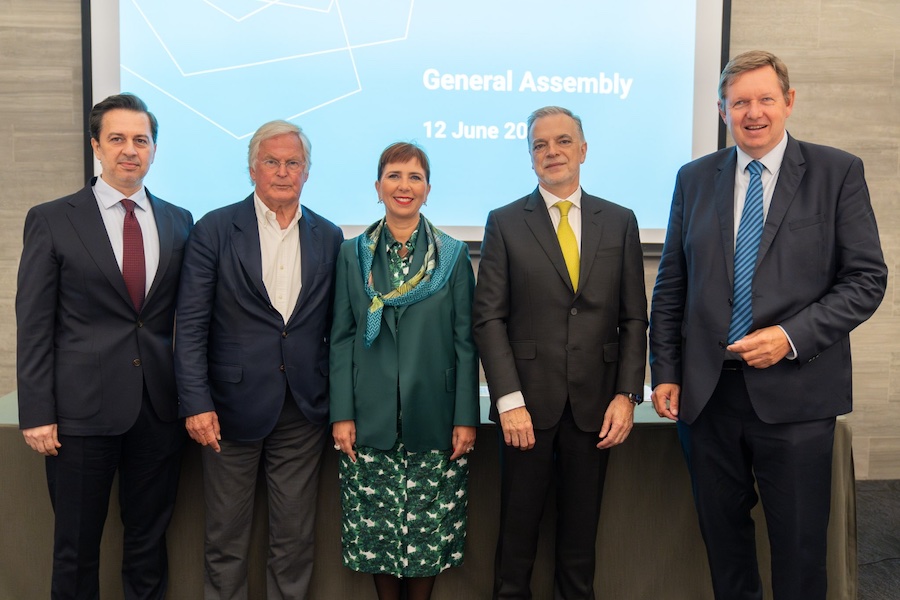
Mario Jorge Machado re-elected President of EURATEX

The EURATEX General Assembly has re-elected Mario Jorge Machado as President of EURATEX, renewing its confidence in his leadership at a crucial moment for the European textile and clothing industry. The sector is facing rising costs, global competitive pressure and an increasingly challenging transition towards sustainability and digitalisation.

#ITM 2026

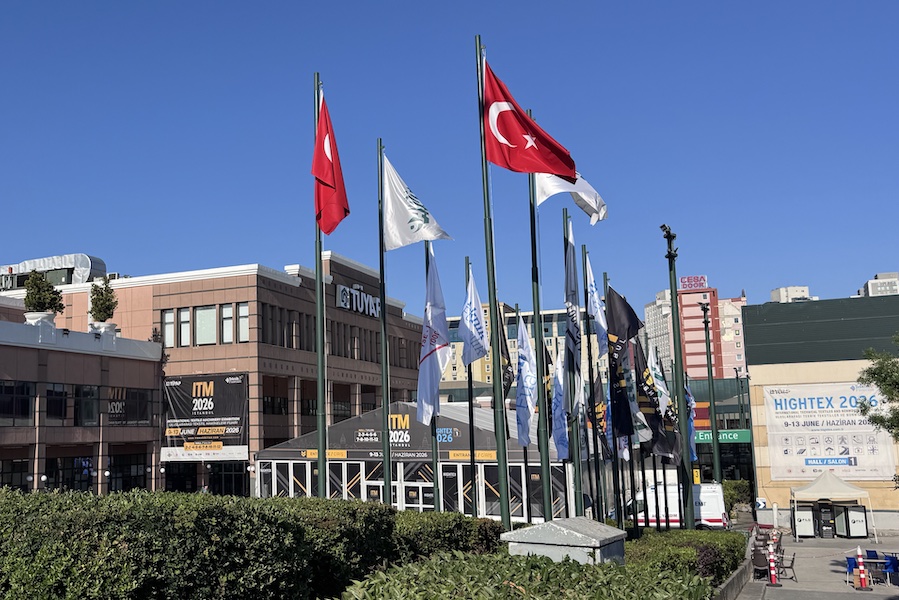
ITM 2026 makes happy participants with its international and qualified visitor profile

ITM 2026 International Textile Machinery Exhibition, one of the most prestigious meeting points of the textile machinery sector, attracted attention in its first three days, particularly with its diverse international visitor numbers. Industry professionals from all over the world had the opportunity to closely examine the latest technology machines and solutions displayed in operation. Thousands of visitors from approximately 100 countries, primarily Egypt, Pakistan, India, Uzbekistan, Syria, Turkmenistan, Tajikistan, Morocco, Algeria, and Tunisia, met at the Tüyap Fair and Congress Center for new investment and cooperation opportunities.

#ITM 2026

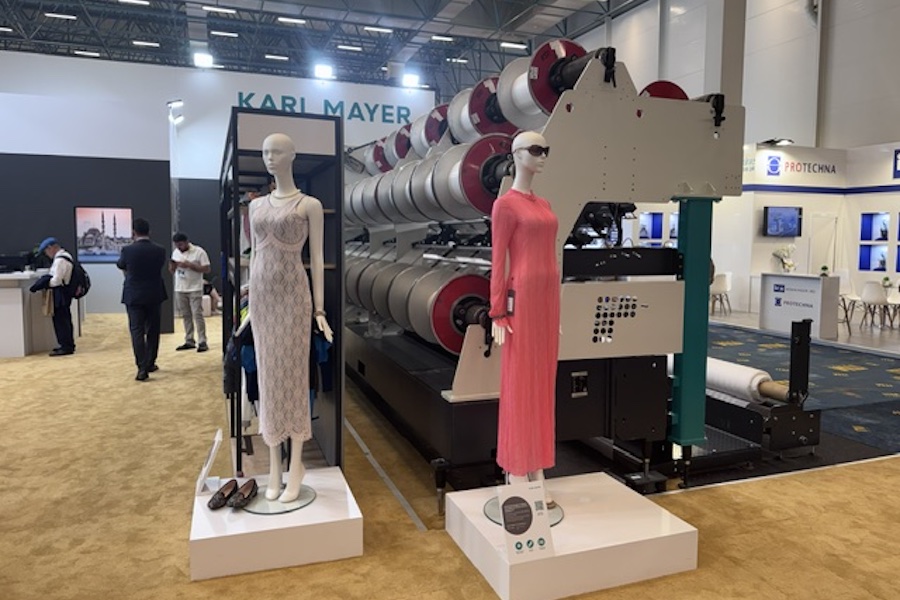
KARL MAYER presents a textile TEXTRONIC® innovation at ITM 2026

With highly efficient machines and continuous textile innovations, KARL MAYER underscores its role as a reliable partner for discerning top-tier customers. Just in time for ITM 2026 in Istanbul, the industry leader is introducing a true innovation: an eyelash lace with its characteristic fringed look – combined with a previously unattainable 4-way stretch. While the established fabric could until now only be produced as rigid version or with one-dimensional stretch, the new elasticity in both dimensions expands the possibilities for cross-band panel fabrics.

#Raw Materials

Better Cotton Initiative welcomes new and returning Council members

The Better Cotton Initiative (BCI) has confirmed a series of appointments and reappointments to its Council, the multistakeholder board responsible for BCI’s strategic direction.

TOP