#ITMA 2023
Artificial intelligence in fabric inspection
New Uster Fabriq Assistant automates data preparation to guide key decision-making
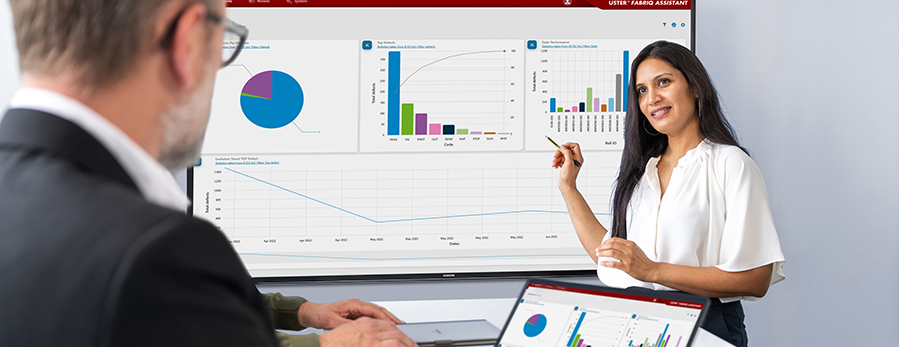
What are the real advantages created by Uster Fabric Inspection systems? Experts at Uster want users to experience the full power of the data being gathered. That’s why they developed Fabriq Assistant – one data platform, as a central quality hub for all stakeholders in the mill.
The new Uster Fabriq Assistant eliminates manual data processing and speeds up decision processes significantly. Fabric manufacturers can release their product for delivery automatically based on their specific business rules without any human in the loop, which eliminates bottlenecks and increases productivity.
Automated collection, analysis and visualization
The application is a web-based tool with individual user accounts and specific dashboards. Fabriq Assistant shows a summary of quality performance from all the fabric rolls ever inspected in the mill. Information is presented – and easy to be shared with other users – as a variety of statistical analysis tools, with results in different charts, histograms or evolution trends.
This depth of analysis goes way beyond what previously could only be done manually in MS Excel! Automated data collection, visualization and analysis, as well as data processing and reporting functions, are viewed on the central data platform. It works like an expert assistant, offering the relevant quality data during and after inspection. If the user is searching for information on a specific roll, for example, just a few clicks will bring up the review dashboard. Here, all the details for that single roll are available – including defect images, defect map and list and roll statistics.
Decisions with impact
Using the Uster central platform enables managers to focus on their main task of making key decisions. Fabriq Assistant removes the unwanted workload of manual data preparation and analysis. It also provides the basis for maximum decision-making accuracy, using advanced technologies such as Artificial Intelligence (AI).
Automated features let users experience this highly flexible and customizable application as their virtual everyday assistant, enabling them to be more efficient and productive. An additional effect is increased process accuracy and security, through consistent quality decisions for grading of quality levels, post-processing, delivery release, and, most of all, avoiding claims.
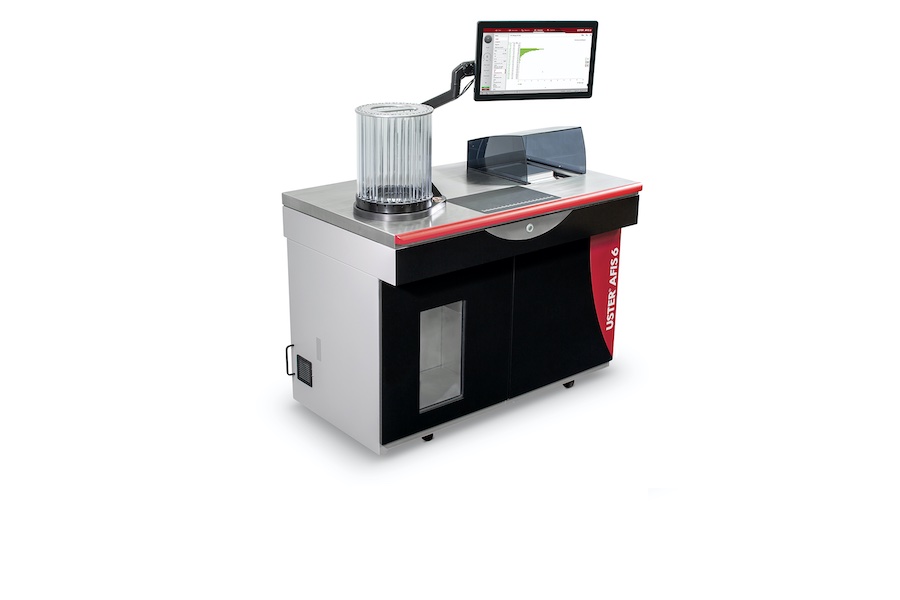
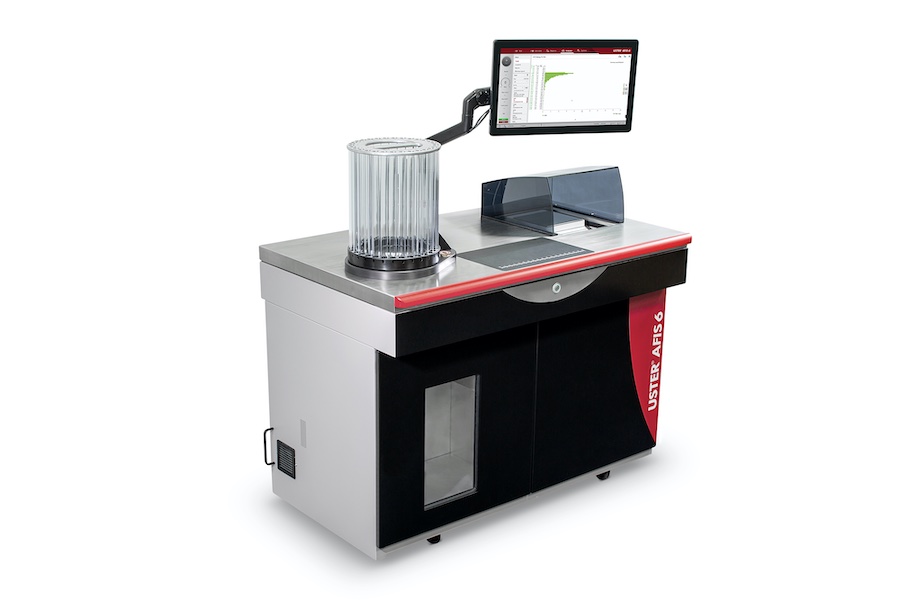
Cutting-edge hardware generates the data to build a reliable foundation for decisions. Uster Fabric Inspection systems offer automatic real-time quality inspection. They can be seamlessly integrated into production – at line running speeds up to 1,000 meters per minute – providing consistent and efficient defect detection.
AI Classification
The core value module introduced with Uster Fabriq Assistant is AI Classification, which extends the application scope of data generated by Uster automated fabric inspection systems. Specific codes can be automatically assigned to every image generated by Uster Fabriq Vision and Uster Fabriq Vision N. Without AI Classification staff members have to laboriously add defect image codes at the PC to perform a data review. By introducing machine learning capabilities, data classification is fully automated and fabric producers can save more than 80% of their manual review time.
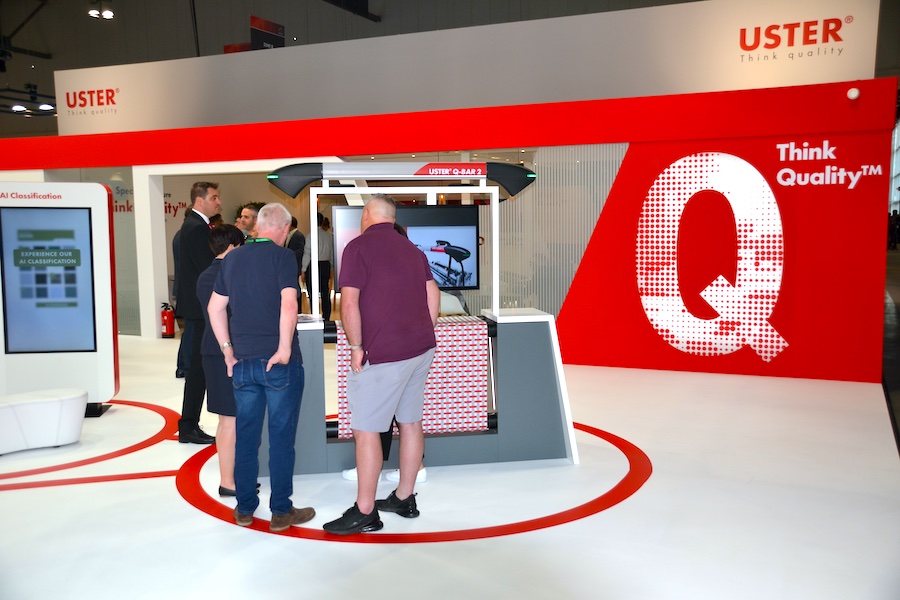
The real difference AI Classification makes will be demonstrated at the Uster booth (B103) in Hall 10 at the upcoming ITMA 2023 in Milan. Visitors can take a challenge against Uster AI by trying to classify as many fabric defects as possible in a certain time. It’s a game, but it clearly shows the advantages of the Uster solution in accuracy and performance, compared to the best human efforts.
Operational excellence
The first step for improvements in fabric production – thanks to Fabriq Assistant – is that managers can concentrate on making decisions. The information they need is newly available, anytime and anywhere within a few minutes after inspection. Uster aims for ongoing development of advanced quality data analysis and reporting, with the goal to empower customers’ progress to operational excellence.
In machine learning technology, the application mimics the human brain. Knowing the capabilities of artificial neural networks, Uster has also introduced safety mechanisms to track the performance of AI, and data can easily be prepared for AI improvements. Uster experts will be glad to provide more information about what AI can do for fabric producers at upcoming ITMA 2023.