[pageLogInLogOut]
ITM 2026  9-13 JUNE 2026 ISTANBUL

#ITM 2026

Recycled fibers: the vital data for quality and profitability

Uster’s new Recycling Opening Index guides spinners to the perfect blend
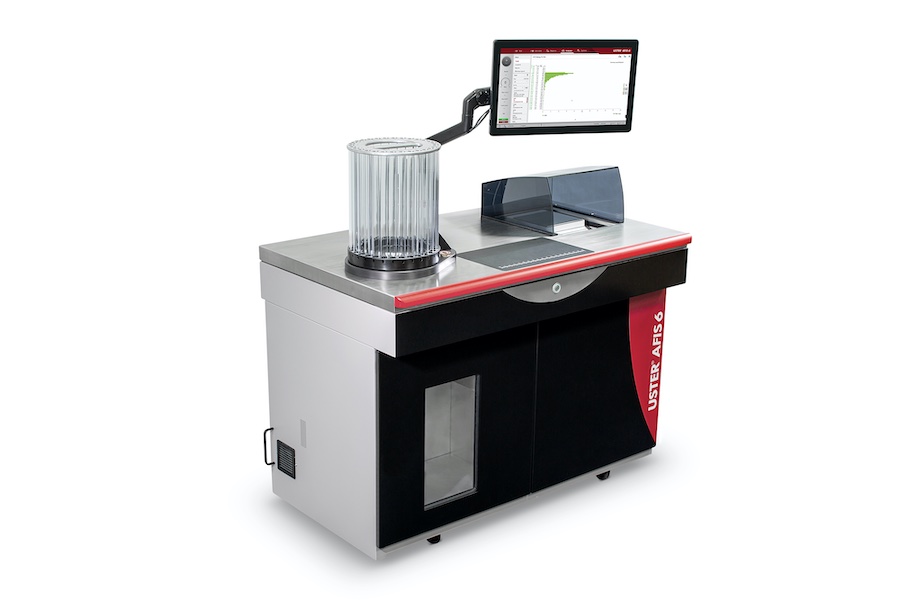
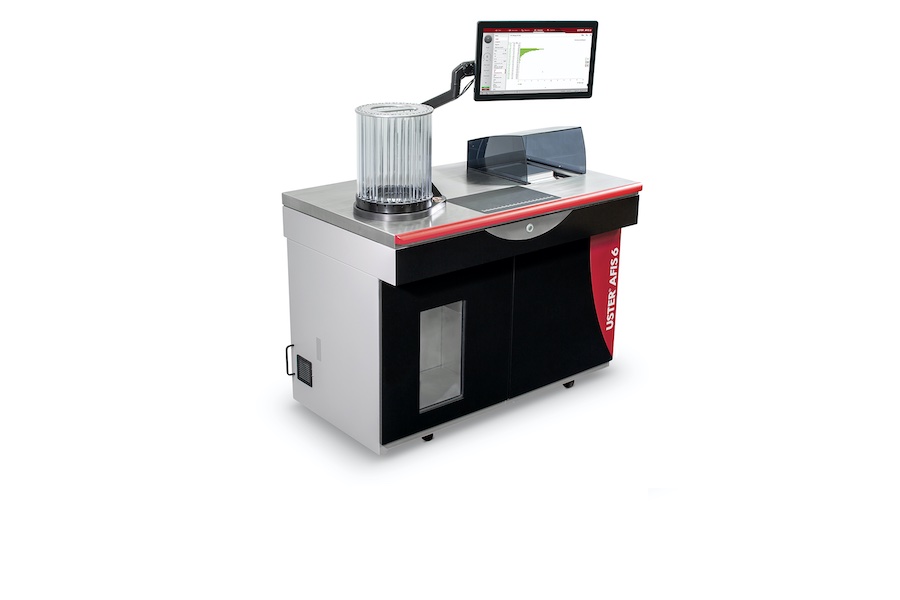
Uster AFIS 6 – The fiber process control system © 2026 USTER
Uster AFIS 6 now offers the key data for better decisions when blending recycled fibers. Process control is decisive in determining the quality and economic outcome. The new R Recycling Module of AFIS 6 introduces the Recycling Opening Index (ROI), so spinners can optimize their circularity credentials. It was officially launched at ITM 2026 in Istanbul, Türkiye.

Cotton recycling has become a strategic priority for brands, regulators, and technology providers because it directly addresses the textile sector’s biggest challenges: growing volumes of waste, resource scarcity, climate impact, and regulatory pressure.

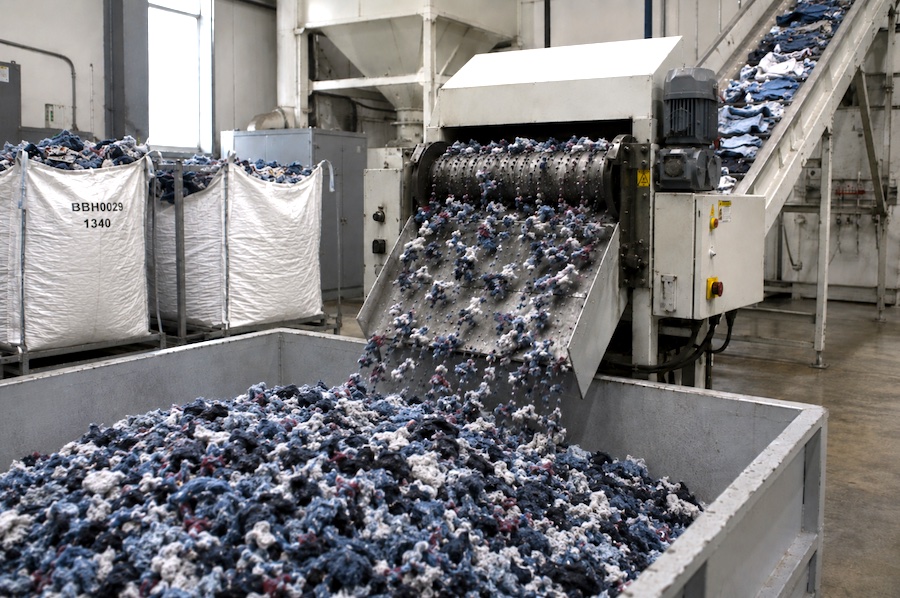
Recycled waste and the use of it

Recent industry data shows that most textile waste is post-consumer waste (75% by volume) while post-industrial (pre-consumer) waste makes up around 25%. However, when it comes to recycling – turning this waste into quality new yarn – the situation is different.

Even though it’s a smaller share of total waste, about 95-99% of post-industrial waste is already being reused. Almost every scrap of factory waste is already being collected and spun back into yarn. That’s because it’s clean, consistent, and relatively easy to process.

Spinners generally see it as the safer option to start their recycling activities with post-industrial waste. These raw materials are more predictable in their behaviour, so it’s simpler to refine spinning techniques to suit them. An optimized process can then be developed for blending in pre- and/or post-consumer waste.

Controlling processes with recycled raw materials

Now, objective measurement data from Uster is available to give clear indicators of processability and profitability when using recycled raw materials. This comes with the Recycling Opening Index (ROI), together with the total yarn pieces value. The ROI is a metric in the Uster AFIS 6 R Recycling Module, which describes the effectiveness of the opening process in the recycling of cotton fibers. It is defined as the ratio of opened fibers to remaining yarn pieces (hard ends). ‘Total yarn pieces’ means the sum of yarn fragments present in the raw material that have not yet been fully opened into individual fibers.

If a low ROI value is indicated, this suggests a poor degree of opening, which can disrupt the spinning process and cause issues such as yarn irregularity (IPI), weak spots and uneven surface structures.

So, the ROI is a vital metric for evaluating the quality of recycled cotton materials. For the first time, spinners can have a quantitative assessment of the opening process.
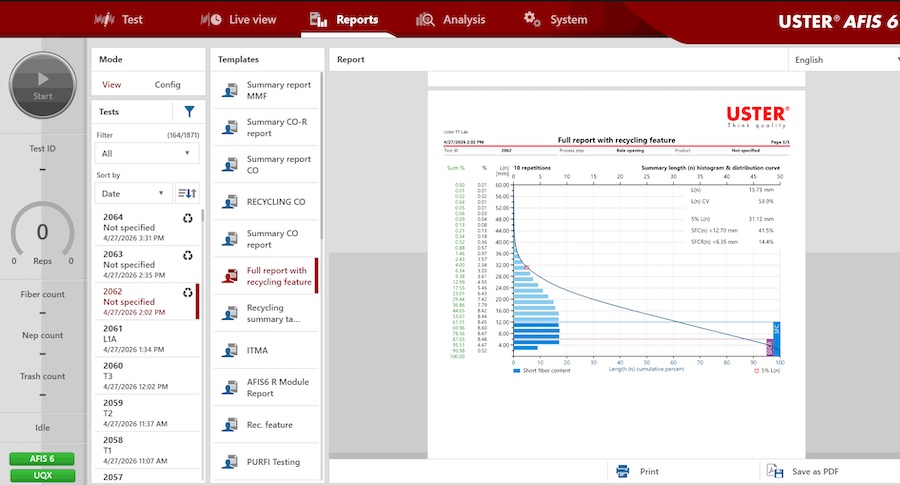
Screenshot of Uster AFIS 6 R Recycling Module measurement showing summary of length (n) histogram and distribution curve.<br />
 © 2026 USTER
Screenshot of Uster AFIS 6 R Recycling Module measurement showing summary of length (n) histogram and distribution curve. © 2026 USTER


R Recycling Module of Uster AFIS 6

Uster AFIS 6 with the R Recycling Module supports better decisions through real measurements. The concept of the Recycling Opening Index (ROI) combined with the number of yarn pieces per gram, provides spinners with a more precise evaluation of recycled material processing. The R Recycling Module also offers advanced recycling parameter measurements, as well as a refined short fiber content analysis with < 6.35 mm indicating the non-spinnable fiber content. In addition, the module enhances fiber quality assessment by incorporating detailed nep and fiber length parameters. The R Recycling Module on AFIS 6 is an optional, on-demand feature designed exclusively for this latest model.

The new module fits perfectly within Uster AFIS 6, with its expanded measurement range for 100% synthetic fibers giving details of cut length and denier/fineness, to help spinners make proper raw material selections. The updated reporting package simplifies complex data analysis, and the integrated Uster Statistics remains the essential tool for spinners to optimize intermediate process steps – finally empowering full control of their processes.

More News from Uster Technologies AG

#Spinning

Measure and control the fiber – optimize yarn quality

Producing consistent yarn quality is an everyday challenge – and a very difficult one. Detailed knowledge and understanding of the fiber raw material is absolutely critical to achieving the best possible quality in the yarn. To help spinners, Uster experts have put together guidelines for avoiding yarn irregularity claims, in a special edition of the Uster News Bulletin.

#ITMA Asia + CITME Singapore 2025

Uster presents novelties at ITMA Asia + CITME 2025

There’s news from Uster Technologies to be announced for the industry’s upcoming event in Singapore. The Uster 360Q universe is growing with new products, solutions and services. Innovation developments can also be recorded in the fields of man-made fiber testing and fabric inspection. Uster innovations address the industry’s trending topics as mill management and process control, optimization of delivered fabric quality and yield.

#Spinning

Uster Technologies marks 150 years of empowering quality excellence

Uster Technologies marks 150 years of excellence – a milestone that reflects continuous adaptation to customer needs and industry change. Over the decades, Uster has evolved from manufacturing quality testing instruments into a trusted partner shaping the future of textile production.

#Recycling / Circular Economy

Challenges of making yarn from recycled fibers

What does it take to spin quality yarn from recycled fibers? Uster Technologies brought textile industry leaders together to discuss the role of technology, data and automation – as well as the current challenges in using recycled raw material. Experts from Rieter, Säntis Textiles, Otto Yarns, and TVU commented on the current situation and looked into the future of spinning in a panel discussion organized at Uster headquarters.

More News on ITM 2026

#ITM 2026

ITM 2028 opens exhibitor registration following successful 2026 edition

Following the successful conclusion of ITM 2026, preparations for the next edition of the International Textile Machinery Exhibition are already underway. The organisers have officially opened exhibitor registration for ITM 2028, which will take place from June 13–17, 2028, at the Tüyap Fair and Congress Center in Istanbul.

#ITM 2026

ITM 2026: Mayer & Cie. Global presents itself successfully at international industry trade fair

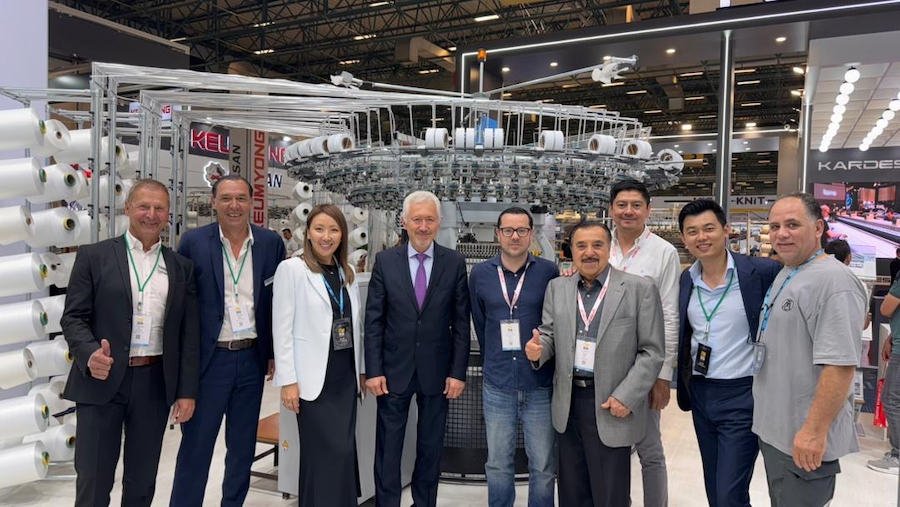
Mayer & Cie. Global has used ITM 2026 in Istanbul for its first major international appearance since the restart. Together with the Turkish representative Mayer Mümessillik, the company presented its premium circular knitting machines "Made in Germany", explained its future positioning within the group of companies and held talks with customers and representatives from numerous markets. The response to the restart was positive. The clear orientation of the company, the reliable worldwide network of representatives and the resumption of service and spare parts supply were welcomed by customers.

#Spinning

New spinning package with two-step filtration for recycled yarns and more

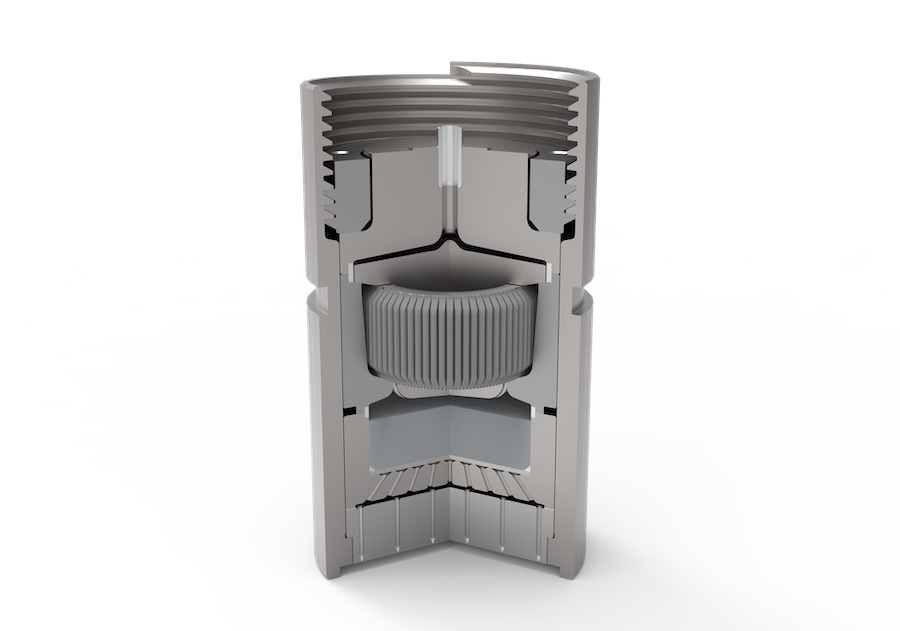
At the ITM in Istanbul, BB Engineering unveiled its new, patented ValuePack spinning package for the first time, which features a two-stage filtration system. This is particularly beneficial for re-cycling processes. Until now, spinning packs have used either metal powder (“sand”) or filter candles as filter media. Both options are suitable for differ-ent applications, and each has its own specific advantages and dis-advantages.

Latest News

#Yarns

Yarn Expo Shenzhen 2026 closes doors, advancing sustainable and innovative sourcing in South China

Yarn Expo Shenzhen 2026 served as a strategically positioned mid-year sourcing platform for the Greater Bay Area, highlighting Shenzhen’s role in connecting regional demand, supply and innovation exchange across the textile value chain. During the three-day fair, over 20,000 visits were drawn from 74 countries and regions[1], as exhibitors and buyers engaged with new developments in greener, performance-led, and value-added yarn and fibre solutions. Held in conjunction with Intertextile Shenzhen Apparel Fabrics and PH Value, the fair underscored the benefits of closer synergy and new materials across yarn, fabric and apparel platforms for the South China market.

#Research & Development

2026 general meeting of the Friends and Supporters of RWTH Aachen at ITA

The Friends and Supporters of RWTH Aachen e. V. (proRWTH) looked back on a successful year of support at their 2026 general meeting. The meeting took place at Institut für Textiltechnik (ITA) of RWTH Aachen and was combined with a joint session of the Executive Board and the Administrative Board. Before the general meeting began, participants were given a guided tour of ITA, providing them with fascinating insights into current research and development topics in textile engineering.

#Natural Fibers

Cotton ConneXions Insight to Impact brings supply chain leaders together around cotton innovation

Cotton Incorporated’s Cotton ConneXions Insight to Impact brought together more than 300 industry leaders from 140 companies across 10 countries, including more than 45 top global brands and sourcing organizations, underscoring strong global interest in cotton-rich product development, sourcing and supply chain collaboration.

#Knitting & Hosiery

Footwear innovation enabled by warp knitting technology– insights from New Balance

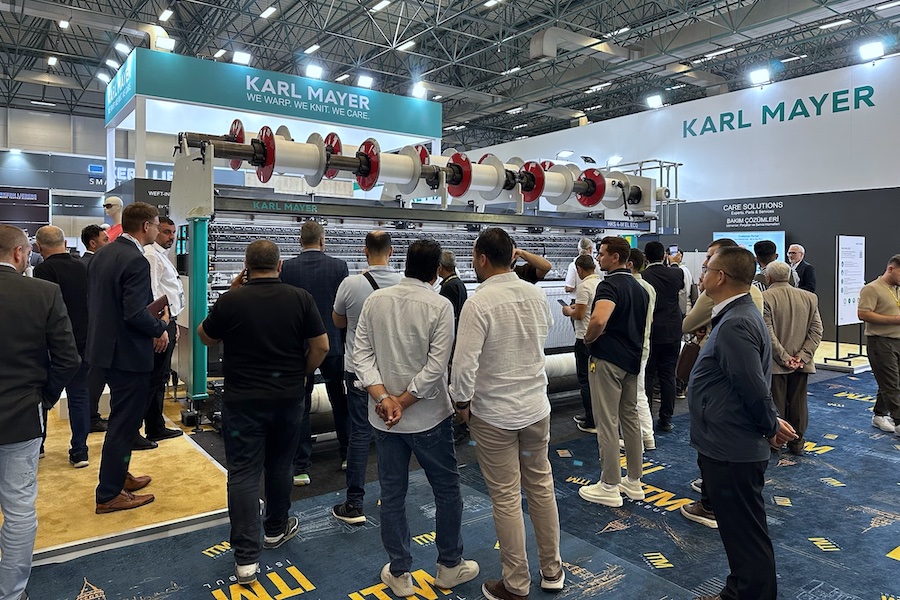
The future of the athletic shoe is increasingly being shaped on warp knitting machines. For KARL MAYER, the footwear industry is one of the most important growth markets – and one of the sectors where innovative textiles can realize their full potential. In his keynote address at the opening of KARL MAYER’s TEXTILE INNOVATION CENTER in Obertshausen in April, Vishnu Prakash Muthusamy, Senior Textile and Materials Engineer at New Balance, explained the opportunities that warp knitting technology opens up for performance, sustainability, and faster development processes, and why textile manufacturers are transitioning from suppliers to development partners.

TOP