[pageLogInLogOut]

#Nonwovens / Technical Textiles

USTER® in-process inspection for tightly-spaced production lines

Seamless integration into any production line with USTER(R) EVS FABRIQ VISION N (c) 2019 Uster
Fabric manufacturers serving critical applications need quality that is both precise and secured. But in the typical nonwovens process line, space is always at a premium, making it tough to fit suitable automated inspection systems which deliver these requirements effectively. The USTER® EVS FABRIQ VISION N inspection technology solves the problem, with customized solutions designed to slot neatly into tightly-spaced production units – at the same time ensuring light conditions allow the best detection results and reliable data for optimal first quality yield.

Integrated quality assurance for nonwovens

USTER offers quality solutions suited to nonwovens premium segments. In textile applications from fiber to fabric, USTER expertise is already appreciated worldwide. Now the nonwovens community is recognizing what has been acknowledged in the spinning industry for more than 70 years. Expert knowledge in yarn quality – including controlling all kinds of contamination – is now extended to fabric and nonwovens quality assurance. This is based on the know-how of EVS, a world-leading high-technology supplier of automated vision inspection, acquired by USTER in 2018.

USTER® EVS FABRIQ VISION N fabric inspection now represents a second solution for nonwovens – along with USTER® JOSSI fiber cleaning systems – supporting the unique ‘Think Quality’ approach of USTER.

USTER® EVS FABRIQ VISION N fabric inspection now represents a second solution for nonwovens – along with USTER® JOSSI fiber cleaning systems – supporting the unique ‘Think Quality’ approach of USTER.

Automated in-process control

Consistently high rates of defect detection, to guarantee reliable quality, are required by fleece manufacturers. USTER® EVS FABRIQ VISION N ensures this, by using automated control during intermediate inspection. USTER® EVS FABRIQ VISION N locates any visible faults objectively and consistently. Defects in every roll are located and recorded, at normal line running speeds.

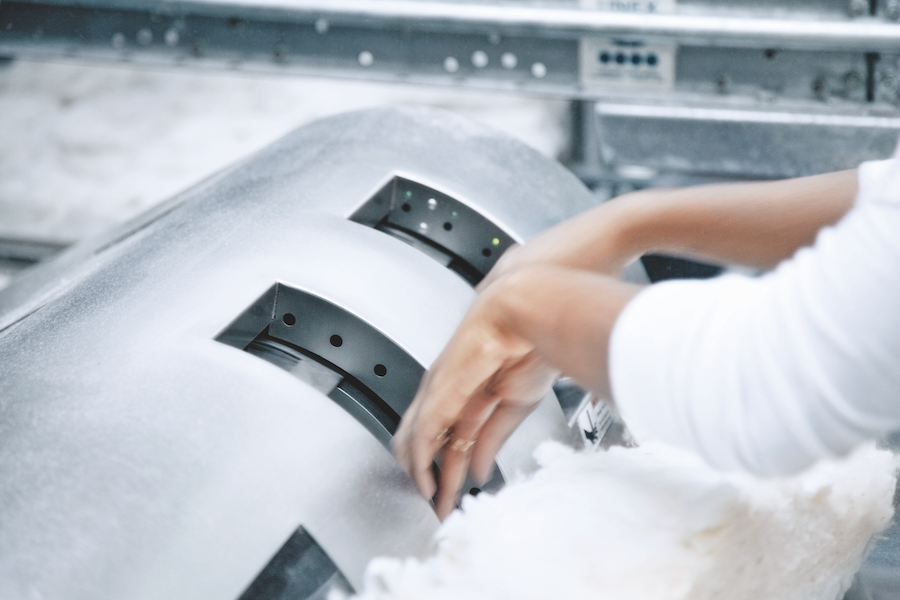
USTER® EVS FABRIQ VISION N stands for seamless integration of an inspection system into any production process – and ideally into nonwovens manufacturing lines – detecting holes, irregularities, contamination and any other defect. The installation is easy and flexible: a fixture bar bridges the full width of the process line holding as many spectroscopes as required for the application. The sophisticated spectroscopes offering best monitoring conditions for the inspection. To guarantee optimal defect detection in combination with the spectroscopes, various light sources are integrated in the installation – all customized and perfectly suited to mill light conditions.


The system may be slim and compact, but it delivers big-value benefits for the operator. USTER® EVS FABRIQ VISION N provides real-time alerts, showing all defects and automatically creating roll inspection charts. All detected faults are collected in an album review. Here, the operator can quickly mark faults and select which can be deleted. Users can set their own quality standards for different types of nonwovens, increasing the efficiency of the grading process – and finally delight the customers with consistent quality. 

Optimized yield for manufacturers

“USTER® EVS FABRIQ VISION N offers manufacturers significantly improved first-quality yield, for all applications,” says John Belew, USTER Vice-President for fabric inspection. The combination of a full map of fabric defects and the cut optimization module means more first-quality rolls can be produced and bad quality taken out.

USTER® EVS FABRIQ VISION N leads to total fabric quality assurance, and major advantages for production security and profitability. “Our customers aim for confidence in delivering the right quality to strengthen customer relationships. With USTER® fabric inspection systems, they can guarantee quality compliance and protect their business,” says Belew.
More News from Uster Technologies AG

#Spinning

Measure and control the fiber – optimize yarn quality

Producing consistent yarn quality is an everyday challenge – and a very difficult one. Detailed knowledge and understanding of the fiber raw material is absolutely critical to achieving the best possible quality in the yarn. To help spinners, Uster experts have put together guidelines for avoiding yarn irregularity claims, in a special edition of the Uster News Bulletin.

#ITMA Asia + CITME Singapore 2025

Uster presents novelties at ITMA Asia + CITME 2025

There’s news from Uster Technologies to be announced for the industry’s upcoming event in Singapore. The Uster 360Q universe is growing with new products, solutions and services. Innovation developments can also be recorded in the fields of man-made fiber testing and fabric inspection. Uster innovations address the industry’s trending topics as mill management and process control, optimization of delivered fabric quality and yield.

#Spinning

Uster Technologies marks 150 years of empowering quality excellence

Uster Technologies marks 150 years of excellence – a milestone that reflects continuous adaptation to customer needs and industry change. Over the decades, Uster has evolved from manufacturing quality testing instruments into a trusted partner shaping the future of textile production.

#Recycling / Circular Economy

Challenges of making yarn from recycled fibers

What does it take to spin quality yarn from recycled fibers? Uster Technologies brought textile industry leaders together to discuss the role of technology, data and automation – as well as the current challenges in using recycled raw material. Experts from Rieter, Säntis Textiles, Otto Yarns, and TVU commented on the current situation and looked into the future of spinning in a panel discussion organized at Uster headquarters.

More News on Nonwovens / Technical Textiles

#ITMA Asia + CITME Singapore 2025

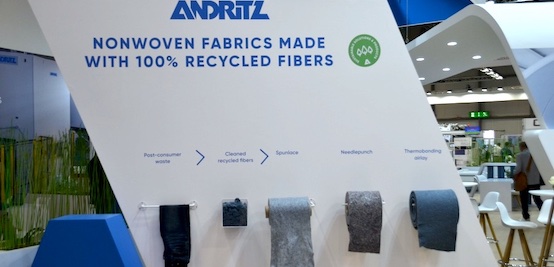
ANDRITZ sets focus on textile recycling and durable nonwoven production technologies at ITMA Asia 2025

International technology Group ANDRITZ will be presenting its innovative nonwovens production and textile solutions at ITMA ASIA + CITME 2025 in Singapore, from October 28 to 31, 2025 (Hall 2, D106). ANDRITZ will showcase its MMCF production plants, textile sorting and recycling, bast fiber processing, needlepunch, airlay, and life-cycle service technologies, with a focus on sustainable solutions. Discover how these innovations can grow your business opportunities and support a greener future.

#ITMA Asia + CITME Singapore 2025

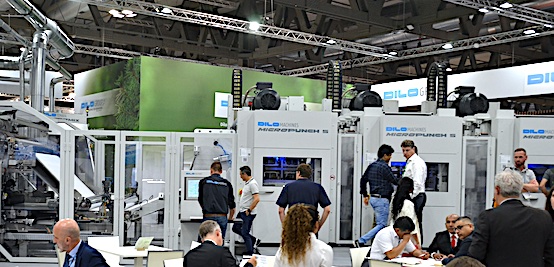
Dilo Group at ITMA ASIA Singapore 2025

At ITMA ASIA Singapore, the Dilo Group will exhibit at Booth No. H2 – D202. Together with Kansan Materials, Izmir, the company will present its latest developments and looks forward to welcoming visitors to exchange ideas and explore innovations in needling technology.

#Nonwovens

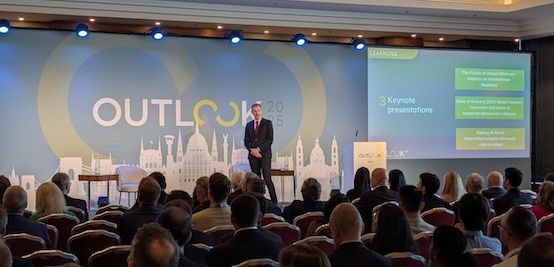
OUTLOOK™ 2025: Charting a sustainable and innovative future for the Nonwovens Industry

EDANA concluded its flagship event, OUTLOOK™ 2025, last week, marking it as a major success and addressing the biggest questions facing the industry. The three-day conference highlighted the urgent need for a unified approach to sustainability, regulation, and innovation in the absorbent hygiene and wipes sectors.

#Nonwovens

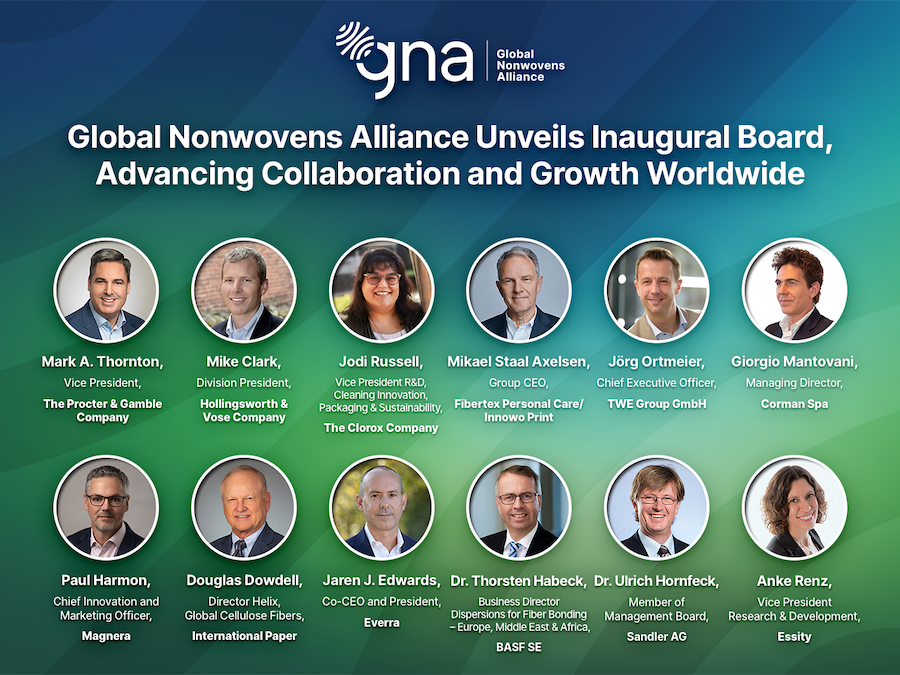
Global Nonwovens Alliance unveils Inaugural Board, advancing collaboration and growth worldwide

The Global Nonwovens Alliance (GNA), a tax-exempt federation jointly founded by INDA, the Association of the Nonwoven Fabrics Industry, and EDANA, the Voice of Nonwovens, announces the appointment of its founding Board of Directors. This group of leaders represents some of the most influential executives across the nonwovens value chain and reflects GNA’s mission to foster global collaboration, innovation, and growth in the industry.

Latest News

#Techtextil 2026

DIENES at Techtextil 2026: Flexible pilot lines for bio-based fiber development

The growing relevance of bio-based materials in technical textiles is accompanied by increasing demands for reproducibility, high-quality data, and scalable process routes. Especially when working with cellulose and its derivatives, chitosan, lignin-based approaches, or bio-based PAN as a carbon-fiber precursor, R&D teams face variable feedstock quality, tighter process windows, and the need for reliable comparability across trials. This calls for flexible, data-driven experimental setups that can be reconfigured efficiently when recipes, solvents, and raw-material batches change.

#Texprocess 2026

Gunold showcases embroidery product range and services at Texprocess

At Texprocess 2026, GUNOLD will present numerous hands-on examples related to embroidery in Hall 8, Booth E20. The focus is on creative embroidery designs as well as the extensive product range of threads, nonwovens, and accessories for embroidery and embellishment. “Trade visitors can once again look forward to many new and creative embroidery designs. Of course, we will also showcase the matching products required to bring these ideas to life,” announces Marketing Manager Stephan Gunold.

#Nonwovens

EDANA and more than 70 industry organisations call for consistent exemptions in EU packaging regulation

EDANA, together with more than 70 industry associations and organisations, has issued a joint statement commenting on the European Commission’s Delegated Act under Article 29 of the Packaging and Packaging Waste Regulation (PPWR).

#Raw Materials

A Powerful Opening: Global thought leaders launch the International Cotton Conference Bremen

The International Cotton Conference Bremen will open on 25 March 2026 in the Parliament building of the Free Hanseatic City of Bremen with a keynote session of exceptional calibre. Distinguished international experts will set the stage for the conference by offering incisive perspectives on the most pressing challenges and the defining trends shaping the future of the global cotton trade. Their insights will span a broad spectrum — from geopolitically driven disruptions affecting global supply chains to the opportunities emerging from innovation-led agriculture capable of supporting a growing world population. Together, these opening keynotes will frame the dialogue of the conference, highlighting both the complexity of today’s market environment and the pathways toward a resilient and forward-looking cotton sector.

TOP