[pageLogInLogOut]

#Techtextil 2022

First biodegradable fabrics for workwear coming to Techtextil 2022

© 2022 Carrington
Being the first textile manufacturer to use biodegradable technology to produce workwear fabrics, Carrington Textiles has announced their focus on the promotion of Orca and Hawksbill, as well as on their latest flame retardant addition, Flamestat 250, at Techtextil 2022.

Global workwear fabric manufacturer, Carrington Textiles, has announced a busy agenda for the event which includes the promotion of a new sustainable technology for textiles, a commercial video, as well as giving away free passes to visit their stand in Frankfurt.

Recently launched during their ‘Weaving Sustainability into our Fabrics’ campaign, where the company released their newest fabrics Constance 210, Balaton 255,Kielder 185, Delamere (210 & 245), and Rivington (205 & 220), Carrington Textiles’ Orca and Hawksbill stand out for their addition of the new CiCLO fibre.

The CiCLO technology is a sustainable textiles ingredient in the form of an additive that is combined with polyester at the very beginning of the fibre making process. When CiCLO polyester ends up in the environment either through washing or end of life of the garment, it behaves like natural fibres, in turn reducing microplastic pollution and textile accumulation.

Hawksbill’s composition includes 65% CiCLO polyester and 35% organic cotton. While Orca incorporates 26% recycled CiCLO polyester, 29% virgin CiCLO polyester and 35% Better Cotton. Hawksbill and Orca are the sustainable alternative to the company’s bestselling fabric, Tomboy.

These two fabrics are made following Carrington Textiles’ usual rigorous quality standards, so they not only offer the best performance and durability to the end user, but also greatly reduce their impact on the environment when the life of the garment comes to an end.

Carrington Textiles’ Managing Director, Neil Davey, says: “It’s great to be able to attend exhibitions once again. We have invested a great deal of resources into R&D to bring these sustainable fabrics to market and have already had excellent feedback from customers and partners. We are delighted to be showing them face to face to customers and all those interested at Techtextil”.


Antistatic flame retardant durability

Contrary to the business model of fast fashion retailers, increasing the life of garments is a key focus of Carrington Textiles with the utilisation of fabrics that can withstand industrial washes and multiple uses.

Flamestat 250 gsm, a new member of the Flamestat family, is guaranteed to last the lifetime of the garment due to its robust construction. With 75% cotton, 24% polyester and 1% antistatic, this fabric’s flame retardancy is to the standards EN ISO 11612, EN ISO 14116 index 3 and EN ISO 11611; while its antistatic properties are to the EN ISO 1149-3-5 standard.

New commercial video

Carrington Textiles has also announced that they have been working behind the scenes in the last few months to create their new commercial video. This film is the company’s newest visual asset that aims to reflect the manufacturer’s culture, global reach and sustainable message.

For the production of the video Carrington Textiles worked with their colleagues in Europe and Asia to create a short visual representation of the values that drive the company. This new commercial video is to be screened at their stand during Techtextil 2022 and available on the Carrington Textiles’ social media channels from the beginning of June.

Free passes for visitors

To make it easier for customers and partners to visit their stand, Carrington Textiles has created a short online form where people can request free passes to Techtextil 2022 – subject to availability. To access the form visit carrington.co.uk/techtextil2022. The manufacturer’s stand is located in hall 11.1, stand C56.



More News from TEXDATA International

#India ITME 2026

India’s textile industry: Current position, growth targets and industrial development

With ambitious export targets, major investments in manufacturing infrastructure and new international trade agreements, India is pursuing a comprehensive development strategy for its textile and apparel industry. An overview of the industry’s current position, government initiatives, progress achieved and challenges ahead.

#India ITME 2026

India ITME 2026: Textile technology meets India's investment ambitions

With ambitious growth targets, government incentive programmes and industrial development initiatives already underway, India is preparing for the next stage of its textile transformation. Against this backdrop, the 12th India ITME, taking place in Greater Noida from 4 to 9 December 2026, arrives at a particularly important moment for machinery manufacturers and textile producers alike.

#Digital Printing

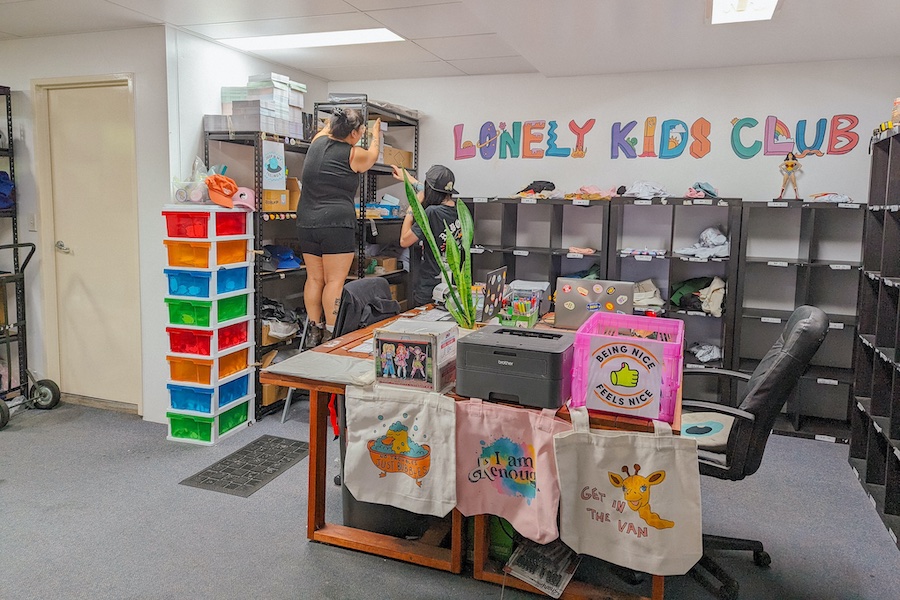
From a bedroom startup to 3,000 designs: How Lonely Kids Club built its business with DTG printing

Founded in Sydney in 2011, independent clothing label Lonely Kids Club has grown from a bedroom startup into a business offering around 3,000 graphic T-shirt designs. With its own production studio, direct-to-garment printing and a demand-driven manufacturing model, the company demonstrates how smaller apparel brands can combine creative independence with flexible production – while navigating the everyday challenges of quality control, workflow efficiency and sustainability.

#Weaving

“A complex design is only useful if the machine can reproduce it consistently”

Andreas Schnabel, Head of R&D for Technical Weaving Systems at Stäubli, discusses how 3D weaving can create textile reinforcements tailored to the loads within a composite component, where near-net-shape weaving can reduce processing steps and material waste, and what it takes to produce complex structures reliably and economically. He also explains how manufacturers can adapt Stäubli’s modular TF weaving platforms to new applications and how the company’s centre of excellence in Bayreuth supports the transition from research to industrial production.

More News on Techtextil 2022

Latest News

#Spinning

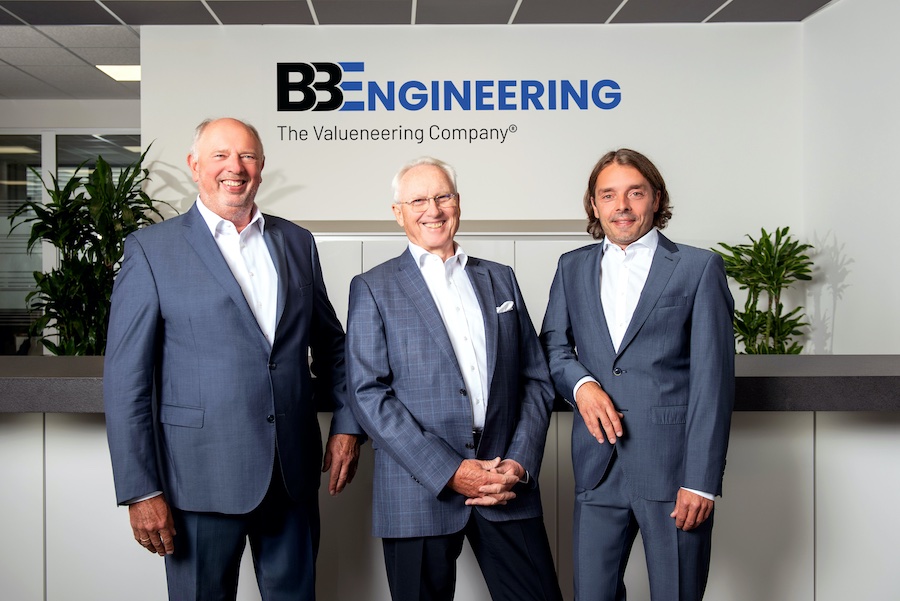
Alexander Hoffmann to succeed Klaus Schäfer and Wolfgang Imping as managing director of BB Engineering

Starting January 1, 2027, Alexander Hoffmann will take over as managing director of BB Engineering GmbH, a German manufacturer of machinery and equipment for the plastics and textile industries. He succeeds Dr.-Ing. Dr. h.c. Klaus Schäfer and Wolfgang Imping, who will both retire at the end of 2026.

#Raw Materials

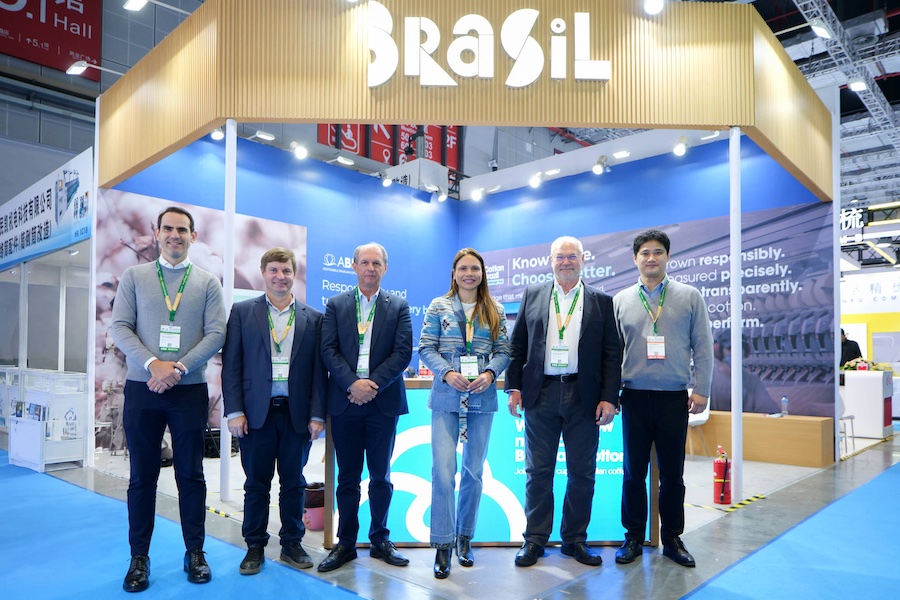
Cotton Brazil strengthens ties between Brazilian growers and the international textile industry at ITMA ASIA 2026

Cotton Brazil's participation in ITMA ASIA + CITME 2026 in Shanghai highlighted responsible production, traceability, fibre quality and technical knowledge sharing as key differentiators of Brazilian cotton. Strengthening relationships between Brazilian cotton growers and the international textile industry was a central objective of the initiative at the exhibition, which took place from November 20 to 24.

#India ITME 2026

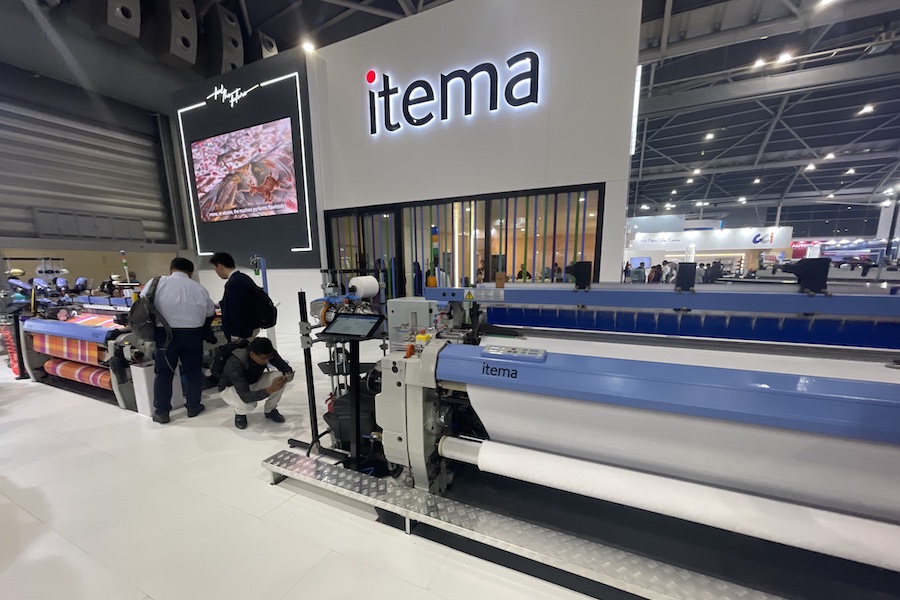
Itema demonstrates weaving versatility for apparel, suiting and sarees at India ITME 2026

At India ITME 2026, taking place from December 4 to 9 in Greater Noida, Itema will present three weaving machines configured for specific requirements of the Indian textile industry. Visitors to Hall 15, Stand G9 will see an A9500EVO air-jet weaving machine and two R9500EVO rapier weaving machines producing fabrics for apparel, suiting and sarees.

#India ITME 2026

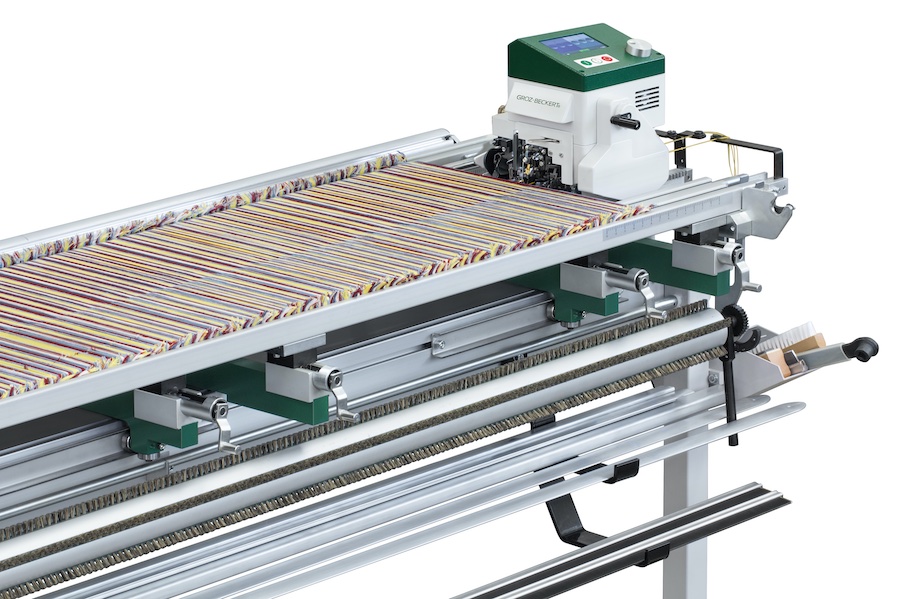
Groz-Beckert targets energy efficiency, productivity and process reliability across six textile technology sectors at India ITME 2026

At India ITME 2026 in Greater Noida from 4 to 9 December, Groz-Beckert will present its latest innovations across all six product areas – Knitting, Weaving, Nonwovens, Sewing, Tufting and Spinning. At Hall 14, Booth B6, the German textile technology specialist will showcase advanced components, systems, services and digital solutions designed to improve energy efficiency, productivity, process reliability and textile quality while addressing the increasingly diverse requirements of modern textile manufacturing.

TOP